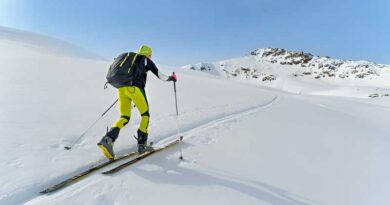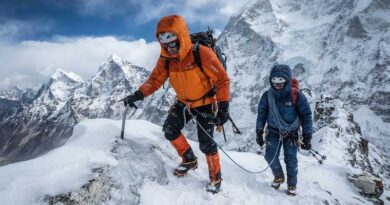
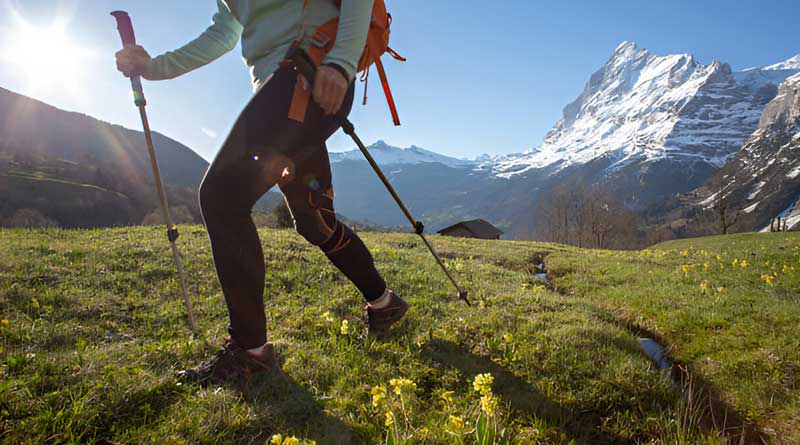
Best Alpine Climbing Pants of 2025
When you head into the mountains, the right gear can make all the difference, and one of the most important pieces is a good pair of alpine climbing pants. Unlike regular hiking or casual pants, alpine climbing pants are designed to handle rough conditions, unpredictable weather, and challenging terrain. They need to be tough enough to resist sharp rocks, flexible enough to allow easy movement, and comfortable for long hours of climbing. Whether you are tackling snowy peaks, icy slopes, or rocky ridges, the best alpine climbing pants will keep you warm, dry, and protected, so you can focus fully on your adventure.
1. Royal Robbins Alpine Mountain Pro Pants
- Fabric: Bluesign® approved nylon/spandex blend with stretch
- Weather Protection: DWR finish for water resistance
- Pockets: Multiple zippered and drop-in pockets for gear storage
- Fit: Articulated knees and gusseted crotch for mobility
The Royal Robbins Alpine Mountain Pro Pants are designed for climbers and trekkers who need a combination of durability, weather protection, and comfort. Made with a Bluesign® approved nylon-spandex blend, these pants deliver excellent stretch for freedom of movement while keeping their form. The water-resistant DWR finish provides a good shield against light rain and snow, making them reliable for alpine climbs or long treks in unpredictable conditions. Articulated knees and a gusseted crotch make them particularly comfortable during high steps, scrambling, or climbing.
These pants also stand out for their thoughtful pocket placement and functional design. Zippered thigh pockets keep essentials secure while drop-in hand pockets provide quick access to small items. They are lightweight enough to wear across a wide range of temperatures and layer well over thermal baselayers in colder conditions. Overall, the Royal Robbins Alpine Mountain Pro Pants offer an excellent balance of technical performance and casual wearability, making them versatile for alpine climbing, hiking, and even everyday outdoor use.
Pros
- Durable yet lightweight fabric
- Good water resistance with DWR finish
- Excellent mobility from gusseted design
- Eco-friendly Bluesign® approved material
Cons
- Not fully waterproof
- Limited insulation for colder alpine conditions
2. Mountain Hardwear Chockstone Alpine Pants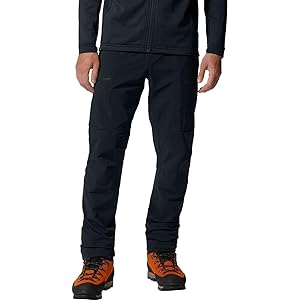
- Fabric: Double-weave stretch softshell with high durability
- Weather Resistance: Wind and water-resistant treatment
- Features: Adjustable waistband and ankle zips
- Weight: Lightweight construction for long climbs
The Mountain Hardwear Chockstone Alpine Pants are built for demanding alpine climbs where durability and movement are critical. Constructed from a double-weave softshell fabric, these pants offer excellent abrasion resistance against rock while remaining lightweight and stretchy. The weather-resistant coating keeps wind and light moisture at bay, making them reliable for changing mountain environments. With adjustable ankle zips, they fit comfortably over climbing boots or mountaineering footwear.
One of the key strengths of the Chockstone Alpine Pants is their versatility. They provide ample stretch for climbing moves, making high steps and knee lifts easy, while the waistband adjustability ensures a secure fit without extra bulk. The streamlined design minimizes snagging on gear or rock surfaces, enhancing performance. Ideal for alpine climbing, hiking, or technical scrambles, these pants are a go-to choice for mountaineers who prioritize functionality with a sleek design.
Pros
- Strong abrasion resistance for rugged conditions
- Comfortable stretch fabric for mobility
- Lightweight but durable construction
- Adjustable waistband and cuffs for custom fit
Cons
- Limited insulation for extreme cold
- Water resistance may not hold under heavy rain
3. Predator Camo Alpine Bowhunting Pants
- Fabric: Lightweight polyester with camo print
- Season Use: Designed for early to mid-season hunts
- Features: Quiet fabric with breathability
- Fit: Regular fit with mobility-focused cut
The Predator Camo Alpine Pants are tailored specifically for bowhunters who want stealth, comfort, and adaptability in the field. These lightweight polyester pants are built for early to mid-season use, making them breathable enough for warmer days while still providing coverage in cooler temperatures. The quiet fabric reduces noise, an essential feature for stalking game in alpine terrain. The camo pattern is well-suited for blending into mountain environments, giving hunters an advantage during close encounters.
In terms of performance, these pants are light and easy to move in, making them ideal for long treks or sitting in wait. While they don’t feature the heavy-duty protection of alpine mountaineering pants, they excel in hunting-specific conditions, offering both stealth and mobility. However, they are not waterproof, which limits their usability in wet weather. For bowhunters seeking a lightweight, comfortable option designed for concealment and mobility, the Predator Camo Alpine Pants deliver exactly that.
Pros
- Quiet, stealth-oriented fabric
- Lightweight and breathable for mobility
- Effective camouflage for alpine hunting
- Comfortable fit for long days outdoors
Cons
- Not waterproof
- Less durable than mountaineering-specific pants
4. Outdoor Research Cirque III Pants
- Fabric: Temperature-regulating double-weave softshell
- Resistance: Water- and wind-resistant with abrasion protection
- Features: Harness-compatible waist and reinforced scuff guards
- Fit: Slim, articulated fit for climbing movement
Outdoor Research’s Cirque III Pants are a powerhouse for alpine climbers and mountaineers who need technical protection without sacrificing comfort. Built with a double-weave softshell, they regulate body temperature effectively, making them suitable for fluctuating alpine conditions. They are wind- and water-resistant, with reinforced abrasion zones to withstand contact with rocks, ice, and climbing gear. The harness-compatible waist and slim fit ensure they work seamlessly with climbing equipment.
Performance is where these pants shine. The articulated design and stretch fabric allow unrestricted movement, essential for technical climbing routes. Reinforced scuff guards extend their durability when used with crampons or heavy boots. They offer enough breathability for active ascents while still protecting against alpine winds. While not insulated, they pair well with baselayers for cold-weather climbs. Overall, the Cirque III Pants are a trusted option for serious alpine athletes who need all-day performance.
Pros
- Harness-compatible design
- Strong wind and water resistance
- Reinforced for durability
- Excellent mobility and comfort
Cons
- Not fully waterproof
- Slim fit may feel restrictive for casual use
5. Moosehill Convertible Hiking Pants
- Fabric: Quick-dry, water-resistant polyester blend
- Convertible: Zip-off legs for shorts option
- Pockets: Five deep storage pockets
- Weight: Lightweight and packable for travel
The Moosehill Convertible Hiking Pants are built for flexibility, making them a great budget-friendly option for outdoor enthusiasts who climb, hike, or travel. Designed with quick-dry, water-resistant fabric, they hold up well in light rain and dry quickly after stream crossings or sweat. Their biggest feature is the zip-off legs, allowing them to switch instantly from pants to shorts—a practical feature for alpine environments with varying temperatures.
Storage is another strength, with five deep pockets to hold essentials like maps, snacks, or multitools. They are lightweight and pack small, making them a good choice for backpackers. While not as technical as high-end climbing pants, their affordability and versatility make them appealing for casual climbers, travelers, and hikers. However, they don’t offer the durability or performance of more specialized alpine pants, so they are best suited for moderate outdoor activities rather than extreme alpine climbs.
Pros
- Convertible design for versatility
- Quick-dry fabric for comfort
- Lightweight and budget-friendly
- Multiple deep pockets for storage
Cons
- Less durable than premium alpine pants
- Limited weather protection in harsh conditions
6. Kuseeker Stretch Hiking Pants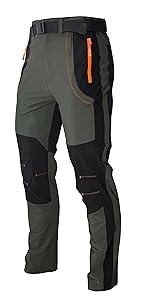
- Fabric: Stretchy quick-dry polyester with waterproof coating
- Features: Lightweight, breathable design for outdoor use
- Style: Athletic cut for climbing and hiking
- Pockets: Multiple secure storage pockets
The Kuseeker Men’s Stretch Hiking Pants strike a balance between affordability and performance, designed for climbing, fishing, and outdoor travel. Made with quick-dry, water-repellent fabric, these pants handle light rain and splashes well while still being breathable. Their stretch material allows good mobility, making them suitable for climbing moves, scrambling, and long treks. With a lightweight build, they don’t weigh you down and pack easily for extended trips.
The design includes multiple secure pockets, providing practical storage for outdoor gear. While they are not built for extreme alpine conditions, they serve well for everyday climbing, fishing, or hiking. The waterproofing is sufficient for drizzle or wet grass but won’t stand up to prolonged storms. Overall, these pants are a budget-friendly option for adventurers who need reliable flexibility and quick-drying performance without breaking the bank.
Pros
- Lightweight and breathable fabric
- Good stretch for mobility
- Water-resistant for light rain
- Affordable outdoor option
Cons
- Not suitable for extreme alpine use
- Durability may be limited over time
7. Ucraft Xlite Climbing Pants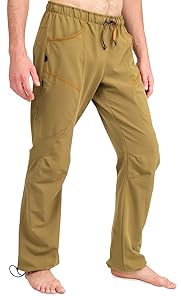
- Fabric: Lightweight stretch cotton blend
- Design: Elastic waistband and ankle cuffs for secure fit
- Features: Freedom of movement for climbing, bouldering, yoga
- Pockets: Handy side and back pockets
The Ucraft Xlite Rock Climbing and Yoga Pants are all about mobility and comfort. Designed with a lightweight cotton-stretch blend, they offer unrestricted movement for climbing, bouldering, or even yoga. The elastic waistband and ankle cuffs keep the pants securely in place, avoiding distractions during active movements. Their breathable design makes them suitable for both indoor gym sessions and outdoor climbing trips.
While not specifically designed for harsh alpine conditions, these pants excel in flexibility and comfort. They are best used in warmer weather or layered with thermals in cooler climates. Pockets provide enough space for small essentials, though the focus is clearly on lightweight performance rather than heavy-duty durability. For climbers and boulderers who want pants that feel like a second skin, the Ucraft Xlite is an excellent choice.
Pros
- Extremely flexible for movement
- Lightweight and breathable
- Comfortable for climbing and casual wear
- Versatile use from gym to outdoors
Cons
- Not water-resistant
- Less durable for rugged alpine terrain
How to Choose Alpine Climbing Pants
When you are venturing into the high mountains, your gear choices can make or break your experience—and among the most overlooked but vital pieces of equipment are alpine climbing pants. Unlike casual hiking or gym climbing apparel, alpine pants must endure extreme conditions: freezing temperatures, sharp rock, abrasive ice, and unpredictable weather. Choosing the right pair is about balancing protection, mobility, and comfort so you can focus on the climb, not your clothing.
This guide will walk you through everything you need to know about selecting the best alpine climbing pants, from materials and features to fit and layering strategies.
Why Alpine Climbing Pants Matter
In alpine environments, conditions change rapidly. One moment you’re battling strong winds and snow at a high col, and the next you’re scrambling over sun-baked granite. Ordinary trekking pants are often too light, while heavy snow pants can be too bulky and restrictive. Alpine climbing pants are designed to bridge this gap.
The right pair will:
- Provide weather protection against wind, snow, and light rain.
- Allow full range of motion for high steps, stemming, and scrambling.
- Withstand abrasion from rocks, ice tools, and crampons.
- Regulate temperature during high-intensity exertion.
In short, they are an essential part of your alpine layering system.
Key Factors to Consider When Choosing Alpine Climbing Pants
1. Material and Fabric Technology
The fabric is the foundation of any alpine pant. Look for materials that balance durability, stretch, and weather resistance.
- Softshell Pants: Made from woven, stretchy fabrics, they breathe well and allow a wide range of motion. They excel in cold, dry, and aerobic conditions. Some softshells include a DWR (durable water repellent) finish for light rain and snow resistance.
- Hardshell Pants: Constructed with waterproof membranes like Gore-Tex or eVent, hardshell pants are indispensable in stormy conditions. They sacrifice breathability but keep you dry in heavy rain, sleet, or wet snow.
- Hybrid Pants: Some designs combine softshell panels with waterproof hardshell reinforcements in high-exposure zones. These hybrids give you the best of both worlds—breathability with targeted protection.
- Insulated Pants: For extreme cold, down or synthetic insulated pants can be layered over or under a shell. These are often used on high-altitude expeditions or bivouacs.
2. Weather Resistance
Alpine weather is unpredictable, so water and wind resistance are essential.
- Water Resistance: If your climbs are often in snowy or damp environments, look for pants with a waterproof membrane or at least a strong DWR finish.
- Windproofing: Windchill can make moderate temperatures dangerous at altitude. A windproof fabric helps conserve warmth during exposed climbs.
- Breathability: Overheating leads to sweat, which in alpine conditions can turn into a serious safety hazard when you stop moving. Softshells often strike the best balance here.
3. Durability and Reinforcement
Your pants will encounter rock edges, crampons, and ice axes. High-wear areas like knees, seat, and cuffs should have reinforcements or double-weave fabrics.
- Crampon Guards: Some pants include reinforced kick patches at the lower leg to protect against accidental spikes.
- Articulated Knees: These improve movement while reducing fabric stress.
- Ripstop or Double-Weave Panels: Enhance toughness without sacrificing flexibility.
4. Fit and Mobility
The cut of alpine pants determines how comfortably you can climb.
- Athletic/Tapered Fit: Too baggy and the pants snag on gear; too tight and you’ll feel restricted. A streamlined but flexible fit is ideal.
-
Gusseted Crotch & Articulated Knees: These design features improve range of motion for high steps and dynamic moves.
- Stretch Fabrics: A little elastane or spandex goes a long way in maintaining mobility.
5. Ventilation and Temperature Control
Temperature swings are constant in the mountains. Ventilation options let you adapt without constantly changing layers.
- Side Zips or Thigh Vents: Release excess heat on strenuous ascents.
- Convertible Systems: Some pants feature zip-off bottoms for quick conversion in warmer conditions.
- Breathable Fabrics: Even without zippers, breathable softshells help prevent sweat buildup.
6. Weight and Packability
On long climbs and alpine pushes, every gram counts.
- Lightweight Pants: Great for fast ascents, but they may sacrifice durability.
- Packable Hardshells: A light pair of hardshell pants that stuffs into your pack can serve as an emergency layer.
- Balance: Choose based on your climbing style—light and fast vs. durable and expedition-ready.
7. Adjustability and Features
The small details in alpine pants can greatly improve usability. Look for:
- Integrated Belt or Waist Adjustment: Keeps pants secure under a harness without bulky belts.
- Harness Compatibility: Flat waistbands and pockets positioned higher so they remain accessible while wearing a climbing harness.
- Cuff Adjustments: Elastic drawcords, zippers, or hook-and-loop closures allow the cuffs to fit securely over boots.
- Suspender Options: For added support during long climbs or when carrying heavy packs.
- Pockets: Hand pockets and thigh pockets are useful, but they should be accessible while wearing a harness.
8. Layering Strategy
Alpine climbing is about systems, not single pieces of gear. Consider how your pants fit into your clothing layers.
- Base Layer: Lightweight thermal leggings wick sweat and add insulation.
- Softshell or Hardshell Pants: Main protective layer depending on weather.
- Overpants or Insulated Pants: For bivouacs, belays, or high-altitude expeditions.
Pro tip: Always size your pants so they can comfortably accommodate a base layer without restricting movement.
9. Season and Objective Specific Needs
Your destination and climbing style should guide your choice.
- Summer Alpine Rock Routes: Lightweight, breathable softshell pants with good stretch.
- Winter Mountaineering/Ice Climbing: Insulated or reinforced softshells, possibly with a waterproof shell overlay.
- High-Altitude Expeditions: Insulated hardshells with suspenders and heavy-duty reinforcements.
- Fast and Light Missions: Minimalist, packable pants with excellent mobility.
Practical Buying Tips
- Try Before You Buy: Move around, squat, and mimic climbing positions in the store to test range of motion.
- Check Cuff Length: Pants should cover the tops of boots without dragging on crampons.
- Look at Seam Placement: Flat or offset seams reduce chafing under a harness.
- Don’t Skimp on Quality: Alpine pants are an investment—buying a durable, well-designed pair can save you from having to replace them often.
- Read Reviews: See how others rate the pants in real alpine conditions rather than just relying on marketing claims.
Final Thoughts
Choosing the right alpine climbing pants is about finding the balance between protection, comfort, and mobility. The key decision often lies between softshells for breathability and flexibility versus hardshells for full weather protection, with hybrids offering a middle ground. Reinforcements, ventilation options, and harness-friendly features all add significant value.
Ultimately, your choice should reflect the conditions you expect, the type of climbing you do, and your layering system. With the right pants, you’ll be better prepared to handle everything from sun-drenched ridges to storm-swept cols, allowing you to move confidently and focus on the climb itself.
Invest wisely, and your alpine climbing pants will become a trusted partner on countless mountain adventures.