Best Climbing Shoes for Beginners of 2025
Climbing can be exciting and challenging, and having the right shoes makes a big difference for beginners. The best climbing shoes help you feel secure, improve your grip, and give you confidence on the wall. They should be comfortable, supportive, and easy to wear, even for long sessions. With so many options available, it can be hard to know where to start. In this guide, we will explore the top climbing shoes designed for new climbers. Whether you plan to climb indoors at a gym or outdoors on real rock, these picks will help you start your climbing journey with comfort, safety, and better performance.
1. La Sportiva Men’s Tarantulace Rock Climbing Shoes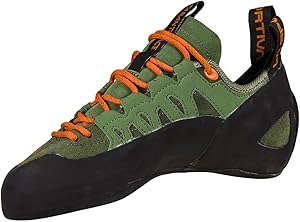
-
Upper: Leather with synthetic overlay for shape retention
-
Midsole: LaspoFlex 1.8mm for torsional rigidity
-
Outsole: FriXion® RS 5mm rubber for superior grip
-
Closure: Quick-pull lacing system for precise fit
The La Sportiva Men’s Tarantulace is a versatile climbing shoe designed for beginners and intermediate climbers who need comfort without compromising performance. Its unlined leather upper molds naturally to your foot over time, while the quick-pull lacing system ensures you can adjust the fit with ease. The shoe features FriXion® RS rubber, which provides reliable grip for both indoor walls and outdoor routes. The moderate asymmetry design makes it forgiving on long climbing days without causing excessive foot fatigue.
Ideal for all-around climbing, the Tarantulace balances stiffness and sensitivity through its LaspoFlex midsole, giving you enough support for edging yet enough feedback for smearing. Whether you’re transitioning from gym to crag or looking for a comfortable shoe for multi-pitch routes, this model delivers steady performance. While not as aggressive as high-performance sport climbing shoes, its comfort-focused design is perfect for climbers who value durability and a gradual break-in process.
Pros:
-
Comfortable fit for extended wear
-
Durable construction suitable for varied terrain
-
Good balance between stiffness and sensitivity
-
Adjustable fit with quick-pull lacing
Cons:
-
Not aggressive enough for advanced bouldering or overhang routes
-
Requires a break-in period for optimal comfort
2. La Sportiva Women’s Tarantulace Rock Climbing Shoes
-
Upper: Unlined leather for breathability and stretch
-
Midsole: 1.8mm LaspoFlex for balanced support
-
Outsole: FriXion® RS 5mm rubber compound
-
Closure: Women’s-specific quick-pull lacing system
The La Sportiva Women’s Tarantulace is a comfortable and adaptable climbing shoe designed with a women’s-specific fit to better match narrower feet and lower volume shapes. Its unlined leather upper conforms to the foot over time, offering a custom feel, while the quick-pull lacing system allows for rapid adjustments during sessions. The FriXion® RS rubber sole ensures dependable grip on a variety of surfaces, making it equally capable in the gym or outdoors.
Thanks to its moderate asymmetry and supportive midsole, the Women’s Tarantulace strikes a good balance between stability and sensitivity. It’s comfortable enough for long sessions but still delivers the edging precision you need for technical climbs. While its comfort-oriented design won’t suit elite climbers pushing extreme grades, it’s an excellent all-around choice for beginner to intermediate climbers who want to progress without sacrificing comfort.
Pros:
-
Women’s-specific fit for better comfort and control
-
Reliable grip for indoor and outdoor use
-
Supportive without being overly stiff
-
Easy lacing adjustments
Cons:
-
Less aggressive than shoes for advanced performance
-
Leather upper will stretch, requiring careful sizing
3. SoleEase Professional All-Around Climbing Shoes (Version 1)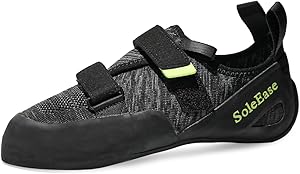
-
Upper: Synthetic leather with breathable mesh panels
-
Midsole: Medium-stiffness for edging and smearing balance
-
Outsole: 4mm high-friction rubber compound
-
Closure: Dual Velcro straps for quick entry and secure fit
The SoleEase Professional All-Around Climbing Shoes are designed to handle everything from gym sessions to sport climbing routes. Featuring a synthetic leather upper combined with breathable mesh panels, these shoes keep your feet cool while resisting excessive stretching. The medium-stiff midsole provides a stable platform for edging while still offering enough flexibility for smearing on slab routes.
The dual Velcro closure system makes them easy to put on and take off, ideal for bouldering sessions where you might remove your shoes between attempts. The high-friction rubber outsole grips well on plastic holds indoors and natural rock outdoors. While they may not have the aggressive downturn needed for steep overhangs, they excel as a dependable, comfortable, and budget-friendly option for beginners and casual climbers.
Pros:
-
Comfortable and breathable
-
Quick Velcro adjustments
-
Versatile for gym and light outdoor climbing
-
Affordable price point
Cons:
-
Not aggressive enough for advanced routes
-
Slightly less sensitive than premium models
4. MASZRE Rock Climbing Shoes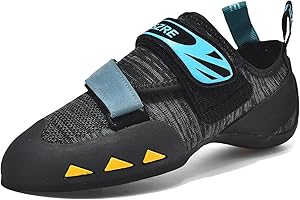
-
Upper: Lightweight mesh with synthetic overlays
-
Midsole: Flexible design for improved sensitivity
-
Outsole: 4mm sticky rubber sole for grip
-
Closure: Elastic slip-on with pull tabs
The MASZRE Rock Climbing Shoes are a lightweight, breathable option for indoor bouldering and casual climbing. Their mesh upper promotes airflow, keeping feet cooler during intense gym sessions, while synthetic overlays provide extra durability. The slip-on style with elastic closure ensures a snug fit without complicated lacing or straps, making them quick to put on and take off between climbs.
These shoes prioritize comfort and sensitivity over stiffness, making them well-suited to smearing and volume-based climbing. While they lack the support required for extended edging or outdoor multi-pitch climbs, they shine as an affordable choice for those who climb recreationally or are just getting started. The sticky rubber outsole holds well on textured holds and gym walls, providing confidence on foot placements.
Pros:
-
Extremely lightweight and breathable
-
Easy slip-on design
-
Good grip for indoor climbing
-
Budget-friendly
Cons:
-
Limited support for technical edging
-
Not durable enough for heavy outdoor use
5. Climb X Rave Strap Climbing Shoe 2019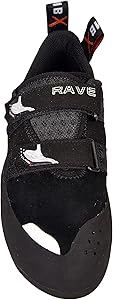
-
Upper: Synthetic leather with padded lining
-
Midsole: Medium-flex for comfort and stability
-
Outsole: 4.5mm rubber for durability and grip
-
Closure: Dual hook-and-loop straps
The Climb X Rave Strap Climbing Shoe 2019 is a solid entry-level climbing shoe offering both comfort and durability. Its synthetic leather upper resists stretching and keeps its shape, while the padded lining adds a layer of comfort that’s rare in budget-friendly climbing shoes. The medium-flex midsole strikes a balance between stability and sensitivity, making it suitable for varied climbing styles.
The dual Velcro straps allow for quick adjustments, making them a convenient choice for gym sessions and beginner outdoor climbs. The 4.5mm rubber outsole provides good friction, helping newer climbers trust their foot placements. While they won’t deliver the precision of high-end shoes for advanced climbers, they are an excellent stepping stone for those developing their skills.
Pros:
-
Comfortable padding for extended sessions
-
Durable synthetic leather
-
Easy on/off with Velcro straps
-
Good grip for beginners
Cons:
-
Not as sensitive as performance shoes
-
Slightly bulky for small footholds
6. SoleEase Professional All-Around Climbing Shoes (Version 2)
-
Upper: Synthetic microfiber with reinforced toe box
-
Midsole: Medium stiffness for all-around performance
-
Outsole: 4mm high-friction rubber
-
Closure: Lace-up for precise fit adjustments
This version of the SoleEase Professional All-Around Climbing Shoes is geared toward climbers who prefer a lace-up closure for a more dialed-in fit. The synthetic microfiber upper resists stretching while the reinforced toe box offers added durability for toe hooks and jamming. The medium-stiff midsole ensures stability on edges, while still allowing for decent smearing capabilities.
Ideal for climbers transitioning from beginner to intermediate levels, this model offers dependable performance without breaking the bank. The 4mm high-friction rubber outsole grips well on both indoor holds and real rock. While the lace-up design takes more time to put on and take off compared to Velcro models, it allows for better customization of fit across different foot shapes.
Pros:
-
Precise fit with laces
-
Durable reinforced toe box
-
Versatile for indoor and outdoor use
-
Good price-to-performance ratio
Cons:
-
Slower to put on/take off
-
Not specialized for steep overhangs
7. Black Diamond Men’s Momentum Rock Climbing Shoes
-
Upper: Engineered knit for breathability
-
Midsole: Soft-flex for comfort and sensitivity
-
Outsole: 4.3mm NeoFriction rubber
-
Closure: Velcro straps for quick adjustments
The Black Diamond Men’s Momentum Rock Climbing Shoes are designed for all-day comfort without sacrificing performance for beginner to intermediate climbers. The engineered knit upper keeps the shoes breathable, reducing sweat buildup during long gym sessions or warm outdoor days. With a soft-flex midsole, they offer exceptional comfort and sensitivity, making them great for smearing and slab climbing.
The 4.3mm NeoFriction rubber outsole delivers dependable grip on plastic holds and rock, ensuring confidence with every step. The Velcro closure makes them easy to slip on and off, ideal for bouldering or gym sessions. While their comfort-first approach means they aren’t the most aggressive shoes for overhanging routes, they are an excellent choice for climbers looking for a reliable, versatile shoe that can handle varied terrain.
Pros:
-
Breathable engineered knit upper
-
Soft and comfortable fit
-
Reliable rubber grip
-
Quick Velcro closure
Cons:
-
Less support for edging-heavy climbs
-
Not ideal for advanced sport climbing
How to Choose Climbing Shoes for Beginners
Climbing shoes are one of the most important investments for anyone starting their climbing journey. They are the direct link between you and the rock, gym wall, or bouldering surface. The right pair can make climbing safer, more comfortable, and more enjoyable, while the wrong pair can lead to foot pain, poor technique, or even injuries. As a beginner, choosing climbing shoes can feel overwhelming because of the different shapes, fits, and materials available. This guide will help you understand what to look for and how to choose the perfect pair for your needs.
1. Understand the Purpose of Climbing Shoes
Climbing shoes are designed to provide maximum grip and precision while allowing you to stand on small holds and edges. They use specialized rubber soles and snug fits to transfer power from your feet to the rock. For beginners, comfort is just as important as performance—your shoes should help you develop good footwork without causing unnecessary pain.
2. Determine Your Climbing Style
Before buying climbing shoes, think about where and how you’ll be climbing most often.
-
Indoor Climbing/Gym: Comfort and durability are key since you’ll be wearing them for long sessions. A flat or slightly curved shape works best.
-
Outdoor Sport Climbing: You may want a balance between comfort and precision, with a moderate downturn for better grip on overhangs.
-
Bouldering: Stickier rubber and a snug fit are important for better toe hooks and heel hooks.
-
Trad/Multipitch: Comfort takes priority, as you’ll wear the shoes for extended periods.
3. Choose the Right Shoe Shape
Climbing shoes come in three main shapes:
-
Neutral (Flat): Best for beginners. These shoes keep your feet in a natural position, making them more comfortable for long climbs. They are ideal for all-day wear and learning footwork.
-
Moderate (Slight Downturn): Slightly curved shoes offer better precision and performance for steeper routes while still being fairly comfortable.
-
Aggressive (Highly Downturned): Designed for advanced climbers tackling overhangs and technical routes. They’re not recommended for beginners due to discomfort and reduced all-day wearability.
For your first pair, stick with neutral or moderate shoes to avoid foot strain and allow proper technique development.
4. Consider Closure Systems
Climbing shoes come with different closure types:
-
Lace-up: Offers the most adjustable fit. Great for beginners who want to fine-tune comfort and performance.
-
Velcro (Strap): Convenient for gym climbing and bouldering since they’re easy to take on and off between climbs.
-
Slip-on (Elastic): Very comfortable and sensitive but can stretch more quickly. Often used for training or crack climbing.
For a first pair, lace-up or Velcro shoes are the best choices for easy adjustments and versatility.
5. Focus on Fit and Sizing
Fit is the most important factor when buying climbing shoes. Unlike regular shoes, climbing shoes are meant to be snug so your toes press slightly against the front. However, beginners should avoid painfully tight shoes—discomfort can distract you from learning proper technique.
-
Snug, Not Painful: Your toes should be flat or slightly bent but not cramped.
-
Minimal Dead Space: The shoe should feel like an extension of your foot, with little to no empty space.
-
Heel Fit: Your heel should sit securely without slipping when you pull or hook.
Remember that climbing shoes often stretch with use, especially those made from unlined leather. Always try them on before buying and consider wearing thin climbing socks or going barefoot, depending on your preference.
6. Choose the Right Material
Climbing shoe uppers can be made from different materials, each with its own benefits:
-
Leather (Unlined): Stretches the most—up to a full size—offering a personalized fit over time.
-
Lined Leather: Stretches less and maintains its shape better.
-
Synthetic: Minimal stretch, which means the size you buy will stay nearly the same. However, synthetic shoes may trap more sweat.
For beginners, lined leather or synthetic shoes can be a good choice because they offer consistent sizing without excessive stretching.
7. Understand Rubber Types
The rubber on climbing shoes affects grip, durability, and sensitivity. Softer rubber provides more grip and sensitivity but wears out faster, while harder rubber is more durable but less sensitive. For beginners, a medium-stiff rubber is ideal—it offers a good balance of grip and durability while supporting your foot muscles as they strengthen.
8. Set a Realistic Budget
Climbing shoes range from budget-friendly beginner models to expensive high-performance pairs. As a beginner, you don’t need top-of-the-line aggressive shoes. A mid-range pair from a reputable brand will last longer and offer better comfort than the cheapest option. Expect to spend $70–$120 for a reliable beginner shoe.
9. Try Before You Buy
No matter how good the reviews are, climbing shoes must fit your foot shape. Visit a store where you can try different models. Walk around, do some test stands on edges, and make sure they feel supportive. If buying online, check the return policy in case the fit isn’t right.
10. Don’t Be Afraid to Upgrade Later
Your first pair of climbing shoes is just a starting point. As you gain experience and try different climbing styles, you may discover you need a different shape or stiffness. Many climbers own multiple pairs for different purposes—comfortable shoes for training and stiffer, more precise shoes for advanced routes.
11. Tips for Caring for Your Climbing Shoes
A good pair of climbing shoes can last longer with proper care:
-
Avoid walking in them on rough ground.
-
Keep them clean by brushing off chalk and dirt.
-
Air them out after each use to prevent odor.
-
Resole them before the rubber wears through.
Conclusion
Choosing climbing shoes as a beginner is about finding the right balance between comfort, fit, and performance. Start with neutral or moderate shoes, pick a closure system you like, and prioritize a snug but not painful fit. Pay attention to materials, rubber type, and durability, and remember that your needs may change as you progress in the sport. With the right pair, you’ll be able to focus on building your skills and enjoying your climbs, whether indoors or on real rock.