

Best Mittens for Extreme Cold of 2026
Mittens keep your fingers together, creating extra warmth that gloves can’t always deliver. Whether you are hiking, working outdoors, skiing, or just trying to stay warm in icy weather, the right pair of mittens can make a huge difference. In this article, we’ll explore the best mittens for extreme cold to help you stay safe and comfortable.
1. Black Diamond Mercury
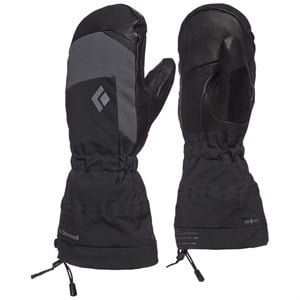
- Shell Material: Four-way stretch recycled fabric
- Insulation: PrimaLoft Gold removable liner
- Waterproofing: BD.dry insert with GTT Empel DWR
- Palm: Reinforced goat leather
The Black Diamond Mercury Mittens are built for serious winter use, offering dependable warmth in demanding alpine conditions. Designed as a true four-season mitten, they combine a tough waterproof shell with a removable insulated liner that adapts well to changing temperatures. The BD.dry insert blocks snow and moisture effectively while remaining breathable enough for long days on the mountain. The long gauntlet cuff seals out spindrift, making these mittens especially reliable in deep powder or stormy conditions.
What really sets the Mercury apart is its insulation system. The PrimaLoft Gold Cross Core liner delivers exceptional heat retention while staying lightweight and compressible. The removable design allows for faster drying and versatility across different conditions. A reinforced goat leather palm adds durability and grip, whether you are holding ski poles, ice tools, or digging out a belay. These mittens strike a strong balance between warmth, weather protection, and dexterity.
- Pros: Extremely warm, removable liner, durable leather palm, excellent waterproofing
- Cons: Bulky feel, premium price, less breathable during high output
View Men’s at evo View Women’s at evo
2. REI Co-op Campwell

- Insulation: 700-fill-power duck down
- Shell Fabric: Bluesign-approved nylon
- Lining: Soft fleece interior
- Design: Lightweight mitten construction
The REI Co-op Campwell Down Mittens are designed for casual winter warmth rather than extreme alpine conditions. They offer a cozy, insulated feel that works well for cold-weather camping, evening walks, or relaxing around a winter campsite. The nylon shell provides light wind resistance, while the fleece lining adds comfort directly against the skin. These mittens prioritize warmth and simplicity over technical features.
The 700-fill-power duck down insulation delivers impressive heat retention for its weight, making these mittens feel warm without being overly bulky. Because they lack a waterproof membrane, they are best suited for dry, cold environments rather than wet snow. The straightforward design makes them easy to pack and comfortable to wear for extended periods. For users looking for affordable down warmth in a minimalist package, the Campwell mittens are a solid option.
- Pros: Lightweight, very warm for dry conditions, soft fleece lining, good value
- Cons: Not waterproof, limited durability, not ideal for snow sports
3. Carhartt Knit Cuff Mittens
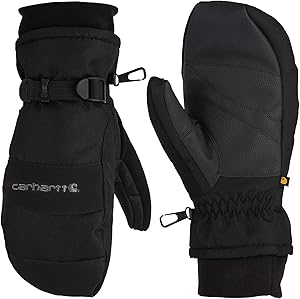
- Shell: Durable polytex with softshell trim
- Insulation: Synthetic insulation
- Lining: FastDry moisture-wicking fleece
- Waterproofing: Integrated waterproof insert
The Carhartt Knit Cuff Mittens are designed for work-focused durability with enough warmth for cold, wet environments. Built with a rugged polytex shell and reinforced palm, these mittens handle daily wear from outdoor labor, shoveling snow, or winter chores. The knit cuff helps seal out cold air while providing a comfortable fit around the wrist.
Inside, the FastDry lining effectively wicks sweat, helping hands stay dry during physical activity. The synthetic insulation provides reliable warmth without excessive bulk, while the waterproof insert blocks snow and slush. Additional features like a brow wipe and digital grip add practical functionality for work settings. These mittens prioritize toughness and usability over lightweight performance, making them ideal for demanding winter jobs.
- Pros: Very durable, waterproof, good grip, sweat-wicking lining
- Cons: Heavier feel, limited dexterity, basic insulation warmth
View Men’s at Amazon View Women’s at Amazon
4. Outdoor Research Coldfront

- Insulation: 650-fill-power down
- Shell Fabric: Recycled ripstop polyester
- Lining: Tricot microbemberg blend
- Best Use: Mountaineering and snowsports
The Outdoor Research Coldfront Down Mittens are built for cold alpine environments where warmth is a priority. Designed with mountaineering in mind, they offer a reliable balance of insulation and packability. The recycled ripstop shell provides durability while keeping weight down, making these mittens suitable for long days in cold, dry conditions.
The 650-fill-power down insulation traps heat efficiently, delivering consistent warmth during belays or rest periods. The interior lining feels smooth and comfortable, reducing friction when layering. While these mittens are not fully waterproof, they perform well in cold, dry snow and are ideal as an outer layer in extreme cold. For climbers and winter travelers who prioritize warmth over wet-weather protection, the Coldfront mittens are a dependable choice.
- Pros: Excellent warmth, lightweight, compressible, eco-conscious materials
- Cons: Limited waterproofing, not ideal for wet snow, less durable palm
5. The North Face Montana Puffer

- Insulation: ThermoBall Eco synthetic
- Waterproofing: DryVent shell and insert
- Palm: Perforated leather
- Fabric: 100% recycled polyester
The North Face Montana Puffer Mittens are designed for all-around winter use, combining reliable waterproofing with sustainable materials. The DryVent shell and insert keep moisture out while remaining breathable enough for daily snow activities. These mittens feel well-suited for resort skiing, casual winter wear, and cold-weather commuting.
ThermoBall Eco insulation delivers consistent warmth even when damp, making these mittens dependable in mixed conditions. The perforated leather palm improves grip and durability without sacrificing comfort. A glove leash adds convenience on chairlifts or during breaks. Overall, the Montana Puffer Mittens offer a balanced blend of warmth, weather protection, and eco-friendly construction.
- Pros: Waterproof, sustainable materials, good everyday warmth, comfortable fit
- Cons: Not expedition-level warm, moderate bulk, limited breathability
6. REI Co-op Powderbound

- Waterproofing: HydroWall 2-layer insert
- Insulation: Lofted synthetic insulation
- Shell Fabric: Bluesign-approved nylon
- Palm: Synthetic leather
The REI Co-op Powderbound Mittens are built for dependable resort performance at an accessible price. Designed to handle cold, snowy days, they offer solid waterproofing and insulation for skiing and snowboarding. The nylon shell resists abrasion, while the HydroWall insert keeps hands dry in wet snow.
Inside, lofted synthetic insulation provides steady warmth without excessive weight. The fleece lining adds comfort, and a built-in goggles wipe is a practical bonus on stormy days. While they are not intended for extreme cold, the Powderbound mittens deliver reliable performance for most recreational winter activities.
- Pros: Affordable, waterproof, comfortable lining, good resort performance
- Cons: Average durability, limited warmth in extreme cold, basic materials
7. Tough Outdoors Ski Mittens

- Shell: Waterproof nylon with TPU membrane
- Insulation: Thermal synthetic insulation
- Lining: Soft fleece interior
- Extras: Wrist leashes included
Tough Outdoors Ski Mittens are designed for dependable warmth and protection during everyday winter activities. The waterproof nylon shell blocks snow and rain effectively, while the TPU membrane allows moisture to escape. These mittens are suitable for skiing, snow play, and general cold-weather use.
The fleece lining and thermal insulation keep hands comfortably warm, especially during low to moderate activity. Wrist leashes add convenience, preventing accidental drops on chairlifts. While not highly technical, these mittens offer solid performance and versatility for a wide range of winter conditions.
- Pros: Waterproof, warm, affordable, versatile design
- Cons: Bulky fit, average durability, limited dexterity
8. SKYDEER Waterproof Mittens

- Palm Material: Genuine deerskin leather
- Insulation: 150g 3M Thinsulate
- Waterproofing: Multi-layer waterproof construction
- Fit System: Adjustable wrist and drawstring
The SKYDEER Waterproof Mittens are built for cold-weather work and winter sports where durability and warmth are essential. The deerskin leather palm feels soft yet tough, offering excellent grip and vibration absorption. Multiple waterproof layers work together to keep hands dry in snow and wet conditions.
150g of 3M Thinsulate insulation provides dependable warmth without excessive bulk, making these mittens comfortable for extended wear. Adjustable wrist straps and drawstring closures help create a secure, weather-sealed fit. These mittens are well-suited for snowmobiling, shoveling, and winter hiking.
- Pros: Durable leather palm, very warm, fully waterproof, secure fit
- Cons: Stiff break-in period, heavier feel, limited breathability
How to Choose Mittens for Extreme Cold
When temperatures plummet and icy winds cut through the air, keeping your hands warm becomes more than a matter of comfort—it is a matter of safety. In extreme cold, fingers are particularly vulnerable to frostbite, since they are small, exposed, and at the end of your circulatory system. That’s why mittens, rather than gloves, are often the preferred choice for extreme cold environments. Unlike gloves, mittens group your fingers together, allowing them to share heat, while providing superior insulation against freezing temperatures.
But not all mittens are created equal. Choosing the right pair can mean the difference between warm, functional hands and a miserable (or even dangerous) experience outdoors. This guide will walk you through the most important considerations to keep in mind when selecting mittens for extreme cold.
1. Why Mittens Instead of Gloves?
Before we dive into the details of choosing mittens, it’s worth understanding why they’re more effective than gloves in extreme cold.
- Heat Retention: By keeping your fingers together in one compartment, mittens allow shared warmth, significantly reducing heat loss.
- Reduced Surface Area: Gloves have five individual finger compartments, increasing exposure to cold air. Mittens have fewer seams and less surface area for heat to escape.
- Simplicity: Mittens often have a simpler construction, making them easier to insulate thoroughly compared to gloves.
The trade-off is dexterity—mittens don’t allow for the same finger movement as gloves. But in extremely cold conditions, warmth usually takes priority.
2. Insulation: The Core of Warmth
The most critical feature in mittens is insulation. It traps the heat your body naturally produces and prevents it from escaping into the frigid air. There are two main types of insulation:
a. Down Insulation
- Pros: Lightweight, highly compressible, and offers exceptional warmth.
- Cons: Loses insulating power when wet, requires more care, and is generally more expensive.
Down mittens are ideal for extremely dry and cold environments, such as high-altitude mountaineering or Arctic expeditions.
b. Synthetic Insulation
- Pros: Retains warmth even when damp, dries quickly, and is more affordable.
- Cons: Bulkier and heavier compared to down.
Synthetic mittens are a practical choice for wet and snowy climates where exposure to moisture is unavoidable.
c. Hybrid Designs
Some high-end mittens combine down and synthetic insulation—down for warmth, and synthetic layers for moisture resistance. These offer a balance of durability, warmth, and versatility.
3. Shell Material: Protection Against the Elements
While insulation provides warmth, the shell of the mitten protects against external elements like wind, snow, and water.
- Waterproof Fabrics: Look for mittens with waterproof and breathable membranes such as Gore-Tex, eVent, or proprietary technologies. These prevent snow and rain from soaking in while allowing moisture (sweat) to escape.
- Windproof Layers: Cold winds can sap warmth quickly. A durable, windproof outer shell ensures your insulation works at its best.
- Durability: Reinforced palms and fingertips protect against wear, especially if you’ll be handling gear, ropes, or ski poles.
4. Lining: Comfort and Moisture Management
The lining of mittens directly affects comfort and sweat control. Common options include:
- Fleece Linings: Soft, comfortable, and warm. Great for casual or moderate activity.
- Wool Linings: Naturally insulating and moisture-wicking, though less common in modern technical mittens.
- Removable Liners: Many extreme cold mittens feature removable inner liners. These allow you to adjust insulation levels, dry the liners overnight, or replace them if wet.
A removable liner system is often preferred for expeditions or extended outdoor use.
5. Fit and Sizing
A mitten’s fit is crucial to its performance. If mittens are too tight, circulation may be restricted, leading to cold hands. If too loose, heat escapes and dexterity decreases.
- Fit Rule: You should be able to wiggle your fingers comfortably without compressing insulation.
- Layering Consideration: If you plan to use liner gloves inside, choose a slightly larger size.
- Cuff Style: Mittens come with either short cuffs (worn under jacket sleeves) or long gauntlet cuffs (worn over sleeves). Gauntlet cuffs provide better snow and wind protection, making them ideal for extreme cold.
6. Additional Features to Look For
High-quality extreme cold mittens often include specialized features that enhance usability and warmth:
- Leash Straps: Secure the mittens to your wrists so you don’t drop them while removing them temporarily.
- Nose Wipes: Soft patches on the thumb for wiping moisture from your face.
- One-Hand Adjusters: Easy-to-use drawcords or straps that tighten mittens while wearing them.
- Zippered Pockets: Some mittens have small pockets for hand warmers, adding an extra boost of heat.
- Touchscreen Compatibility: Rare in heavy-duty mittens, but useful if you need to operate devices in the cold.
7. Activity-Specific Considerations
The best mittens for you depend not only on temperature but also on activity.
- Mountaineering & Expeditions: Prioritize maximum insulation, waterproof shells, and removable liners. Down-synthetic hybrids are popular.
- Skiing & Snowboarding: Look for durable mittens with reinforced palms, waterproof membranes, and good dexterity.
- Everyday Use in Cold Cities: Insulated, waterproof mittens with fleece linings often strike a good balance of warmth and style.
- Ice Fishing & Static Activities: Since you’re not moving much, opt for heavily insulated mittens, possibly with built-in heater pockets.
8. Layering System for Hands
Just like dressing your body in layers, layering hands is effective in extreme cold:
- Base Layer (Liner Gloves): Thin, moisture-wicking gloves that add a touch of warmth and can be worn alone in mild conditions.
- Insulating Layer (Main Mitten): The primary warmth provider.
- Shell Layer (Over-Mitten): For extreme expeditions, an additional waterproof and windproof shell can be worn over the insulating mitten.
This system allows flexibility in adjusting to changing weather conditions.
9. Care and Maintenance
Proper care extends the life of your mittens and ensures they perform well in extreme cold.
- Dry Thoroughly: After use, remove liners (if possible) and air-dry mittens completely to prevent mold and odor.
- Avoid Direct Heat: Don’t place mittens on radiators or stoves—this can damage insulation and waterproof membranes.
- Reapply Waterproofing: Periodically treat the outer shell with a water-repellent spray to maintain performance.
- Storage: Store mittens in a cool, dry place, not compressed for long periods.
10. Budget vs. Premium Options
- Budget Mittens: Often use synthetic insulation and basic waterproofing. Suitable for casual winter wear or moderate cold.
- Mid-Range Mittens: Better quality synthetic insulation, durable shells, and some additional features. Good for skiing and extended outdoor use.
- Premium Mittens: Use high-fill down, advanced membranes (like Gore-Tex Pro), removable liners, and expedition-level designs. These are ideal for serious adventurers in Arctic or high-altitude conditions.
Conclusion
Choosing mittens for extreme cold is not just about picking something thick and fluffy—it’s about balancing insulation, waterproofing, breathability, fit, and features based on your specific needs. For extreme environments, prioritize high-quality insulation (down or synthetic), waterproof shells, removable liners, and proper fit. Always consider the type of activity you’ll be doing, since the requirements for skiing, mountaineering, and casual winter use vary significantly.
Your hands are among the most vulnerable parts of your body in freezing conditions, and frostbite can set in quickly if they aren’t properly protected. Investing in the right pair of mittens isn’t just about comfort—it’s about safety and preserving your ability to function outdoors. With the right choice, you can face even the harshest winter environments with confidence, knowing your hands are well protected.