Gear Reviews

Best Climbing Jackets of 2025

Climbing jackets are an essential part of any outdoor adventure, offering the right mix of protection, comfort, and durability. Whether you are scaling steep mountains, hiking rocky trails, or facing cold and windy conditions, the right jacket can make a big difference in your experience. These jackets are designed to keep you warm, dry, and free to move, while also being lightweight and easy to carry. They come in different styles and materials to suit various weather conditions and activities. In this article, we will explore the key features, types, and benefits of climbing jackets to help you choose the best one for your needs.

1. Hidkat Men’s Hiking Windbreaker Rain CoatHidkat Men's Hiking Windbreaker Rain Coat

A solid pick for hikers who need something lightweight yet protective. This jacket handles light to moderate rain well thanks to its water-resistant fabric, and the hood adds extra coverage when the weather turns. It’s breathable, easy to pack, and doesn’t feel bulky, making it a smart choice for backpacking or casual climbing trips. Just note that it’s not insulated, so layering is necessary in colder conditions.

Built for serious winter adventures, this jacket combines

Pros:

  • Waterproof and wind-resistant

  • Breathable fabric for comfort

  • Lightweight and easy to pack

  • Adjustable hood and cuffs

Cons:

  • Not insulated (not warm enough for cold winter hikes)

  • May feel thin for rugged conditions

View at Amazon

2. MAOYSSEN Men’s Ski JacketMAOYSSEN Men's Ski Jacket

waterproofing with warmth. The insulated lining keeps you cozy in freezing conditions, while the outer shell resists snow and wind. It’s perfect for skiing, snowboarding, or mountain climbing in harsher climates. Multiple pockets make carrying essentials easy, though some may find it a bit heavier than lighter shell-style jackets.

Pros:

  • Waterproof and windproof design

  • Thick insulation for cold conditions

  • Multiple pockets for storage

  • Adjustable hood and cuffs

Cons:

  • Bulky for non-winter hikes

  • May run a little heavy when packed

View at Amazon

3. Avoogue Women’s Lightweight RaincoatAvoogue Women’s Lightweight Raincoat
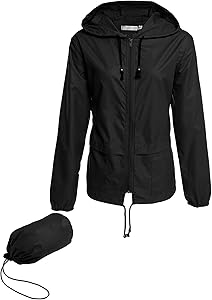
A versatile women’s rain jacket that balances style with performance. Its packable design makes it great for travel and day hikes, and the waterproof fabric ensures you stay dry during sudden downpours. The adjustable hood provides extra coverage, while the lightweight material keeps it comfortable to wear all day. It’s best for mild to cool weather since it doesn’t offer insulation.

Pros:

  • Lightweight and comfortable

  • Waterproof with good rain protection

  • Packs easily for travel

  • Comes in various colors and styles

Cons:

  • Not warm (requires layering in colder weather)

  • Thin material may not hold up in rugged terrain

View at Amazon

4. CRYSULLY Men’s Military Tactical Fleece JacketCRYSULLY Men’s Military Tactical Fleece Jacket
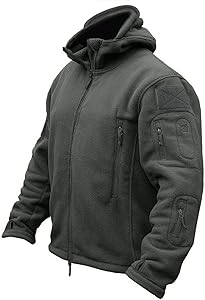
For those who prefer rugged, tactical-style outerwear, this fleece-lined jacket is a winner. It delivers warmth in cold weather while still being durable enough for outdoor activities like climbing, camping, or hunting. Multiple pockets give it a functional edge, and the military aesthetic appeals to those who like a bolder look. It’s not waterproof, so it works best in dry, chilly conditions.

Pros:

  • Warm fleece material for chilly weather

  • Multiple utility pockets

  • Tactical design with durable construction

  • Wind-resistant

Cons:

  • Not waterproof

  • Bulkier compared to lighter hiking jackets

View at Amazon

5. MAGCOMSEN Men’s Winter Ski Snow JacketMAGCOMSEN Men’s Winter Ski Snow Jacket

A reliable cold-weather companion that combines a fleece interior with a water-resistant shell. It offers great warmth and wind protection for skiing, snowboarding, or climbing in winter conditions. The multi-pocket design is especially convenient for storing gear, and the hood keeps you shielded from snow. While not as packable as lighter jackets, it excels in keeping you comfortable on longer outdoor trips.

Pros:

  • Thick insulation keeps you warm in harsh winters

  • Waterproof and windproof

  • Multiple storage pockets

  • Adjustable fit for comfort

Cons:

  • Heavy and bulky to carry

  • Too warm for mild or summer hikes

6. Columbia Steens Mountain™ Full Zip 2.0Columbia Steens Mountain™ Full Zip 2.0

A classic fleece jacket known for its simplicity and comfort. Soft, warm, and perfect for layering, it’s a great everyday piece that transitions easily from trail use to casual wear. It’s not waterproof, so you’ll need a shell over it in wet weather, but as a mid-layer it shines. Affordable, dependable, and versatile, this is a staple in many outdoor wardrobes.

Pros:

  • Soft fleece, very comfortable

  • Lightweight and breathable

  • Great layering piece

  • Affordable price

Cons:

  • Not waterproof or windproof

  • Limited protection in harsh weather

View at Amazon

7. COOFANDY Men’s Packable Rain JacketCOOFANDY Men’s Packable Rain Jacket

Designed for travelers and hikers who value convenience, this jacket packs down small but delivers dependable rain protection. The lightweight, waterproof fabric and adjustable hood keep you dry without adding bulk. It’s especially useful for unpredictable weather when you want a jacket that fits easily into a backpack or carry-on. Not insulated, but great for layering in cooler temps.

Pros:

  • Ultra-lightweight and portable

  • Waterproof material for quick rain protection

  • Packs into a small pouch

  • Affordable option

Cons:

  • Not insulated (for rain only, not warmth)

  • Thin material may wear down over time

View at Amazon

How to Choose the Climbing Jackets: A Complete Guide

When it comes to climbing—whether you are scaling icy alpine routes, tackling steep rock faces, or spending days on long multi-pitch climbs—your gear can make the difference between a successful, comfortable adventure and a miserable, even dangerous experience. Among the most crucial pieces of gear is your climbing jacket. The right jacket protects you from wind, rain, snow, and temperature drops while still allowing freedom of movement, breathability, and durability. But with countless options on the market, how do you choose the best climbing jacket?

This guide breaks down the key considerations, jacket types, materials, and features to look for so you can make an informed decision and find the perfect jacket for your climbing style.

Why the Right Jacket Matters in Climbing

Climbers often face extreme weather conditions: freezing winds on alpine ridges, sudden downpours during multipitch climbs, or blazing sun at the crag. Unlike casual hiking, climbing requires a jacket that balances mobility, durability, and protection. The wrong jacket—too heavy, poorly ventilated, or lacking durability—can hinder your movement, trap sweat, or even fail to shield you in emergencies.

A good climbing jacket should be:

  • Protective: Shields you from rain, snow, and wind.

  • Breathable: Allows sweat vapor to escape during intense movement.

  • Lightweight: Doesn’t weigh you down on long approaches or routes.

  • Durable: Withstands rough rock, harness friction, and repeated use.

  • Packable: Fits easily into your pack or clips to a harness when not in use.

1: Understand the Types of Climbing Jackets

Not all jackets are created equal. Different climbing environments demand different protection levels. The main types include:

1. Hardshell Jackets

  • Best for: Alpine climbing, ice climbing, expeditions, and wet or windy conditions.

  • Features: Waterproof, windproof, highly durable. Usually use fabrics like Gore-Tex or eVent.

  • Pros: Maximum weather protection, tough against abrasion.

  • Cons: Less breathable, can feel stiff, heavier than other types.

2. Softshell Jackets

  • Best for: Fair-weather rock climbing, alpine climbing with mixed conditions, and activities needing breathability.

  • Features: Stretchy, breathable, water-resistant but not fully waterproof.

  • Pros: Comfortable, flexible, great breathability.

  • Cons: Won’t hold up in prolonged rain or snow.

3. Insulated Jackets

  • Best for: Cold-weather climbing, belay duty, and alpine expeditions.

  • Features: Filled with down or synthetic insulation.

  • Pros: Warmth without much bulk, good as outer or mid-layer.

  • Cons: Heavier, less breathable, down loses performance when wet.

4. Hybrid Jackets

  • Best for: Climbers who need a balance of weather protection, breathability, and insulation.

  • Features: Combination of softshell breathability and hardshell protection, sometimes with insulation panels.

  • Pros: Versatile, suitable for varied conditions.

  • Cons: May not excel in extreme weather compared to dedicated shells or belay parkas.

2: Materials and Fabrics Matter

The performance of a climbing jacket often comes down to the fabric technology used.

  • Gore-Tex: Gold standard for waterproofing and breathability. Durable but pricey.

  • eVent: Comparable to Gore-Tex with slightly better breathability.

  • Pertex Shield / Quantum: Lightweight, breathable, often used in packable shells.

  • Polartec Neoshell: Stretchy, breathable, waterproof option.

  • DWR (Durable Water Repellent) Coatings: Applied to outer layers for water resistance, though they wear off over time.

For insulation:

  • Down: Lightweight, compressible, excellent warmth-to-weight ratio. Poor when wet unless treated with hydrophobic coatings.

  • Synthetic (e.g., PrimaLoft, Coreloft): Warmer when damp, dries quickly, usually bulkier than down.

3: Essential Features to Look For

The best climbing jacket is more than just fabric—it’s the design details that make it practical for use in vertical environments.

  1. Helmet-Compatible Hood

    • A must-have for climbers. The hood should fit over your climbing helmet without restricting movement or vision.

  2. Harness-Compatible Pockets

    • Pockets should sit high enough that they are accessible when wearing a harness or backpack waist belt.

  3. Articulated Sleeves and Gussets

    • Allows for unrestricted movement during high reaches and mantling.

  4. Weight and Packability

    • Light enough to carry when not in use, ideally with a stuff sack or packable pocket.

  5. Zippers and Ventilation

    • Underarm zips (“pit zips”) or breathable panels help dump heat quickly during strenuous climbs.

  6. Cuffs and Hem Adjustments

    • Adjustable closures keep wind and snow out, while allowing a snug fit over gloves.

  7. Reinforcements

    • Some jackets have reinforced shoulders, elbows, or hips to withstand abrasion from rock and gear.

4: Match the Jacket to Your Climbing Style

Your climbing discipline should guide your jacket choice.

  • Sport Climbing / Cragging

    • Lightweight softshell or windbreaker is usually enough. Prioritize breathability and flexibility.

  • Trad and Multi-Pitch

    • Look for lightweight, packable shells that don’t add bulk on harness. Insulated jacket for belays in cold weather.

  • Alpine Climbing

    • Durability and weather resistance are critical. Hardshell or hybrid plus insulated belay parka is ideal.

  • Ice Climbing

    • Waterproof hardshell with excellent mobility. Synthetic insulation layers for warmth when wet.

  • Bouldering

    • Breathable and flexible jackets for warm-up or cool-down. Heavy-duty weatherproofing usually unnecessary.

5: Fit and Comfort

The best climbing jacket should feel like a second skin. Keep in mind:

  • Layering: Ensure space for base and mid-layers without feeling bulky.

  • Length: Jacket should be long enough to cover lower back when arms are raised.

  • Mobility: Test overhead reaches—jacket shouldn’t ride up or restrict movement.

6: Budget vs. Performance

Climbing jackets range from $100 budget-friendly shells to $700+ high-performance alpine shells. More expensive doesn’t always mean better for your needs.

  • Budget Range ($100–$200): Good for occasional climbers, lightweight softshells, or entry-level shells.

  • Mid-Range ($200–$400): Best balance of durability, breathability, and weight for regular climbers.

  • Premium ($400–$700+): Expedition-grade protection with cutting-edge materials and features. Ideal for serious alpine and ice climbers.

Care and Maintenance

A jacket’s longevity depends on proper care.

  • Reapply DWR coatings when water stops beading.

  • Wash as recommended—dirt and oils can reduce breathability.

  • Store properly—avoid compressing down insulation for long periods.

Final Thoughts

Choosing the best climbing jacket is about understanding your environment, climbing style, and personal comfort preferences. No single jacket works perfectly for every situation—you may need a hardshell for alpine routes, a softshell for sport climbing, and an insulated belay parka for cold belays.

By considering jacket type, materials, essential features, and fit, you can invest in a jacket that will not only protect you but also enhance your climbing performance. In the mountains, your jacket isn’t just clothing—it’s a shield, a safety tool, and a trusted companion on your vertical adventures.

Olivia Wade

Olivia Wade is the creative force behind Climb Daily. Born and raised in beautiful British Columbia, she brings her passion for photography, content creation, and outdoor exploration to the team. Learn more about Olivia Wade here.