Best Ice Climbing Jackets of 2025
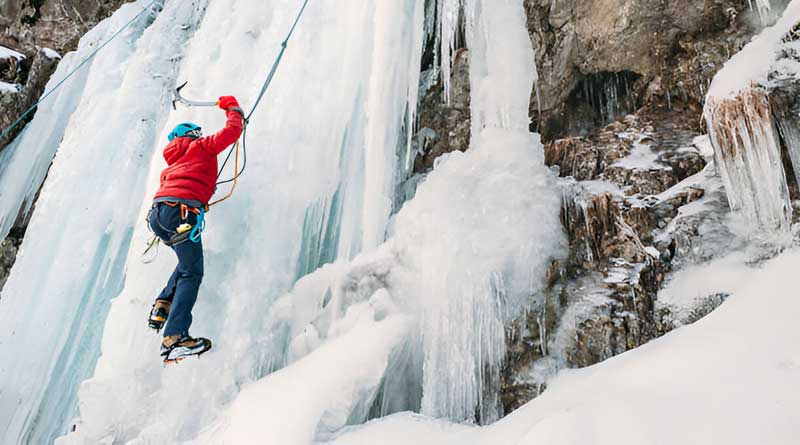
Ice climbing is one of the most demanding winter sports, pushing both your body and your gear to the limit. The right jacket can make the difference between a safe, enjoyable climb and a miserable, freezing experience. When scaling icy walls and enduring harsh winds, climbers need jackets that provide warmth, flexibility, and strong protection without adding unnecessary weight. The best ice climbing jackets combine insulation with weather resistance, allowing freedom of movement while keeping you dry and warm. In this guide, we review the top jackets designed specifically for ice climbing, so you can focus on the climb instead of the cold.
1. GIISAM Rain Jacket for Men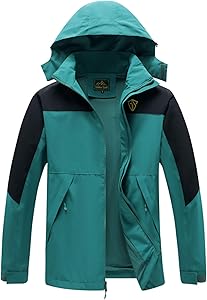
-
Material: Lightweight waterproof polyester shell
-
Design: Windproof with adjustable hood and elastic cuffs
-
Storage: Multiple zippered pockets for secure storage
-
Fit: Breathable fabric with regular outdoor cut
The GIISAM Rain Jacket for Men is designed for climbers and outdoor adventurers who need reliable weather protection without the bulk. Its lightweight construction makes it easy to pack, while the waterproof shell effectively repels rain and moisture during unpredictable alpine conditions. The jacket’s breathability helps regulate body temperature, preventing overheating when you’re on the move. Elastic cuffs and an adjustable hood enhance coverage, ensuring you stay dry and protected from biting winds.
For ice climbers, weight and mobility are critical, and this jacket provides both. It doesn’t compromise flexibility, allowing free movement for technical climbs. While not heavily insulated, it performs well when layered with thermal basewear. Its versatile design also makes it suitable for hiking, camping, and casual wear in wet conditions. Overall, it’s a dependable outer shell that balances function and affordability.
Pros:
-
Lightweight and easy to pack
-
Effective water and wind resistance
-
Comfortable for layering
-
Affordable price point
Cons:
-
Limited insulation for extreme cold
-
Not as durable as heavy-duty alpine shells
2. Pursky Women’s Softshell Jacket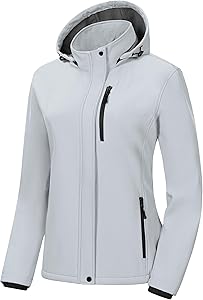
-
Material: Waterproof softshell with fleece lining
-
Hood: Removable and adjustable for versatility
-
Pockets: Zippered side and chest pockets
-
Fit: Slim-cut design tailored for women
The Pursky Women’s Softshell Jacket offers an excellent balance of warmth, weather resistance, and comfort, making it a strong choice for ice climbing and winter hiking. Its fleece lining provides insulation against the cold while maintaining breathability. The softshell material keeps out wind and light rain, while the removable hood gives you the option to adapt to different climbing conditions.
Climbers will appreciate its lightweight feel and ergonomic cut, which allows unrestricted arm and shoulder movement during technical ascents. The jacket is not designed for extreme alpine storms, but when paired with a heavier outer layer, it performs well in harsher environments. Its stylish fit and practical features make it equally suitable for outdoor sports and everyday winter wear.
Pros:
-
Warm yet breathable fleece lining
-
Removable hood adds versatility
-
Lightweight and flexible for climbing
-
Feminine, flattering design
Cons:
-
Not suited for heavy rain or snowstorms
-
May require layering in subzero conditions
3. Tommy Hilfiger Men’s Hooded Puffer Jacket
-
Material: Water-resistant polyester shell with synthetic insulation
-
Closure: Full front zipper with storm flap
-
Hood: Attached adjustable hood for added warmth
-
Fit: Available in Standard and Big & Tall sizes
The Tommy Hilfiger Hooded Puffer Jacket blends outdoor performance with casual urban style, making it a versatile pick for cold-weather activities. Its water-resistant outer shell and synthetic insulation provide solid protection against snow and wind. The full-zip front with a storm flap locks in warmth, while the adjustable hood shields the face and head in freezing gusts.
Although not specifically designed for alpine expeditions, this jacket holds up well in moderate climbing and winter hiking conditions. It offers generous warmth and comfort but sacrifices some technical flexibility due to its bulkier design. For climbers who prioritize insulation over lightweight mobility, this puffer is a strong option, particularly in cold but dry conditions.
Pros:
-
Excellent insulation for frigid temperatures
-
Classic style that works on and off the mountain
-
Wide range of sizes available
-
Water-resistant and windproof
Cons:
-
Bulkier than technical climbing shells
-
Not ideal for high-intensity or wet alpine climbs
4. Eskimo Men’s Roughneck Jacket
-
Material: Heavy-duty DuraDry fabric, waterproof and windproof
-
Insulation: Premium thermal insulation for extreme cold
-
Features: Reinforced shoulders and forearms for durability
-
Hood: Removable insulated hood with adjustable fit
The Eskimo Roughneck Jacket is built for severe winter conditions, making it an excellent choice for ice climbers tackling harsh environments. Its rugged DuraDry fabric and reinforced panels provide long-lasting protection against abrasions from climbing gear and ice tools. With superior thermal insulation, it delivers reliable warmth even in subzero conditions, keeping climbers comfortable during extended outdoor exposure.
Despite its heavy-duty construction, the jacket maintains functional mobility thanks to its ergonomic design. The removable hood gives flexibility for helmet use, while multiple pockets provide ample storage for climbing essentials. Though bulkier than lightweight shells, the Roughneck excels in durability and insulation, making it a trustworthy companion for demanding winter expeditions.
Pros:
-
Extremely warm and durable
-
Reinforced panels protect against wear
-
Excellent waterproofing for icy environments
-
Removable hood for versatility
Cons:
-
Heavier than other climbing jackets
-
Less breathable for high-intensity climbs
5. GEMYSE Women’s Ski Snow Jacket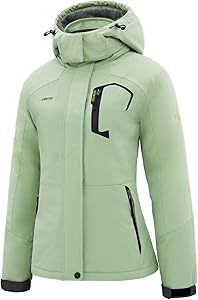
-
Material: Waterproof polyester shell with insulated fleece lining
-
Features: Adjustable cuffs, snow skirt, and drawcord hem
-
Pockets: Multiple zippered compartments including media pocket
-
Hood: Detachable storm hood with high collar
The GEMYSE Women’s Ski Snow Jacket is a versatile winter coat designed for skiing, snowboarding, and ice climbing. Its waterproof outer shell and warm fleece insulation ensure reliable protection in snowy and icy conditions. With practical features like a snow skirt and adjustable cuffs, it keeps snow and cold air from seeping in during climbs or descents.
This jacket shines in versatility, offering both comfort and technical support for active sports. The detachable hood and adjustable hem provide customization, while ample pocket storage makes it easy to carry climbing essentials. It’s not as lightweight as minimalist alpine shells, but for climbers who prioritize warmth and multi-sport use, this jacket delivers strong performance.
Pros:
-
Excellent warmth and insulation
-
Snow skirt and cuffs prevent snow intrusion
-
Plenty of storage options
-
Stylish yet functional design
Cons:
-
Heavier than softshell alternatives
-
May run warm during high-exertion climbs
6. MAGCOMSEN Men’s Winter Coats
-
Material: Water-resistant polyester outer shell
-
Insulation: Fleece-lined interior for warmth
-
Pockets: Five multi-functional pockets for storage
-
Closure: Full zipper with protective storm flap
The MAGCOMSEN Men’s Winter Coat strikes a balance between practicality and affordability. Its fleece-lined interior provides reliable insulation, while the water-resistant shell offers protection against snow and light rain. With five pockets, it offers ample storage space for climbing gear, maps, or personal items, making it a highly functional choice for outdoor use.
Although not as technical as high-end alpine jackets, it performs well in moderate ice climbing and winter trekking scenarios. The regular fit allows for layering, while the storm flap keeps out cold drafts. For climbers who want a dependable winter jacket without the premium price tag, MAGCOMSEN provides strong value.
Pros:
-
Warm fleece lining for cold conditions
-
Affordable price with solid features
-
Multiple pockets for storage
-
Suitable for layering
Cons:
-
Not fully waterproof
-
Less durable in extreme alpine use
7. TACVASEN Men’s Winter Skiing Jacket
-
Material: Water-resistant polyester shell with fleece insulation
-
Features: Insulated thermal design with adjustable cuffs and hem
-
Storage: Multiple zippered pockets
-
Hood: Insulated and adjustable for weather protection
The TACVASEN Men’s Skiing Jacket is a rugged, insulated coat built for cold-weather sports and climbing. Its thermal design ensures warmth in freezing conditions, while the water-resistant outer shell defends against snow and light rain. Multiple zippered pockets keep essentials secure, and the adjustable cuffs and hem allow a snug fit to block out wind.
For ice climbers, this jacket provides a balance between warmth and weather resistance, though it leans slightly toward bulkier protection rather than lightweight agility. Its insulation makes it excellent for long climbs in cold conditions, but breathability may be limited during high-intensity activity. Overall, it’s a solid, budget-friendly option for winter adventurers who prioritize warmth and coverage.
Pros:
-
Excellent insulation for extreme cold
-
Adjustable fit for weather sealing
-
Multiple pockets for gear storage
-
Good balance of affordability and performance
Cons:
-
Bulkier than technical shells
-
Less breathable during strenuous climbs
How to Choose the Ice Climbing Jackets?
Ice climbing is one of the most exhilarating yet demanding winter sports. It combines the precision of rock climbing with the raw exposure of mountaineering, often in some of the harshest and coldest environments on Earth. From frozen waterfalls in the Canadian Rockies to alpine gullies in the Alps or Cascades, ice climbers face freezing winds, wet conditions, and constantly changing temperatures. In such an unforgiving setting, your jacket isn’t just a piece of clothing—it’s a lifeline.
Choosing the right ice climbing jacket requires more than grabbing any insulated layer off the rack. It involves balancing warmth, mobility, breathability, and durability, all tailored to the unique challenges of vertical frozen terrain. This article explores what makes an ice climbing jacket effective, breaks down the essential features to consider, and offers guidance on making the right choice for your climbing style and environment.
Understanding the Demands of Ice Climbing
Ice climbing subjects your gear to extreme stress:
-
Cold exposure: Climbs often take place in sub-zero temperatures. Jackets must provide insulation without overheating during exertion.
-
Wet conditions: Ice tools, melting water, and snow constantly expose your clothing to moisture. A jacket must resist wetting out while remaining breathable.
-
Abrasion: Ice tools, crampons, and rough ice surfaces can tear fragile fabrics. Durability is crucial.
-
Mobility: Precise body movements are required to swing tools and place feet. Jackets need articulated designs that don’t restrict reach or layering systems.
Recognizing these demands helps narrow down the features you’ll need.
Key Features to Look For
1. Insulation Type
The primary function of an ice climbing jacket is to provide warmth. Insulation type will determine how your jacket performs in different conditions.
-
Down Insulation
-
Pros: Exceptional warmth-to-weight ratio, compressible, packs small.
-
Cons: Loses warmth when wet unless treated with hydrophobic down; usually more expensive.
-
Best for: Cold, dry conditions such as alpine climbs with less melting water.
-
-
Synthetic Insulation
-
Pros: Retains warmth when damp, dries quickly, generally more affordable.
-
Cons: Slightly heavier and bulkier than down.
-
Best for: Wet, variable conditions such as waterfall ice climbing.
-
-
Hybrid Insulation
-
Combines down in core areas (for warmth) and synthetic in moisture-prone zones (shoulders, sleeves).
-
Offers a balance of warmth and weather resistance.
-
2. Shell Material
The outer shell protects insulation and provides weather resistance.
-
Softshell Jackets
-
Pros: Highly breathable, stretchy, excellent for high-output climbing.
-
Cons: Limited water resistance compared to hardshells.
-
Best for: Fast ascents in dry, cold conditions where sweat management matters most.
-
-
Hardshell Jackets
-
Pros: Waterproof, windproof, and highly protective.
-
Cons: Less breathable, may feel stiff.
-
Best for: Prolonged exposure in wet, stormy environments.
-
-
Insulated Shell Jackets
-
Combine insulation and weather protection.
-
Heavier but often simpler for cold belays or expedition climbing.
-
3. Breathability and Ventilation
Climbing is highly aerobic—you’ll sweat even in freezing weather. Jackets with breathable fabrics and ventilation features (pit zips, two-way zippers) help regulate temperature and prevent moisture buildup inside.
4. Fit and Mobility
Fit is critical for climbing performance. Look for:
-
Articulated arms and shoulders to allow overhead tool swings without hem lift.
-
Slim but not tight fit so layers can be worn underneath without restricting movement.
-
Helmet-compatible hood for full coverage while climbing.
-
Adjustable cuffs and hem to seal out spindrift and snow.
5. Durability
Ice climbing can shred jackets quickly. Reinforced shoulders, elbows, and forearms extend lifespan against sharp tools and ice. High-denier nylon or ripstop fabrics are preferable.
6. Weight and Packability
Climbers often carry multiple layers. A good ice climbing jacket should compress easily into a pack or clip to a harness when not needed. Lightweight insulation and compact designs are highly valued on long routes.
7. Specialized Features
Some bonus features that make a jacket more climbing-friendly include:
-
Harness-compatible pockets positioned higher to stay accessible with a harness on.
-
Two-way zippers for accessing belay devices without fully unzipping.
-
Internal stash pockets for gloves or water bottles to keep them warm.
-
Powder skirt or snow seal for deep alpine environments.
Layering Strategy: Don’t Rely on One Jacket Alone
No single jacket covers all scenarios. Ice climbers typically use a layering system:
-
Base layer: Wicks sweat away from the skin.
-
Mid layer: Provides active warmth (e.g., a fleece or light insulated jacket).
-
Shell or belay jacket: Protects from wind, snow, and cold during rests.
The “belay parka” is often the bulkiest insulated jacket, thrown over everything when standing still. For climbing movement, a lighter, breathable softshell or synthetic jacket may be worn instead.
Matching Jacket Choice to Climbing Style
Different types of ice climbing demand different jackets:
-
Waterfall Ice (Day Trips)
-
Prioritize synthetic insulation and water-resistant shells.
-
Durable fabrics resist abrasion from ice screws and tools.
-
-
Alpine Ice (Multi-Pitch Routes)
-
Weight and packability matter more.
-
Down insulation may be useful in cold, dry alpine conditions.
-
A hardshell outer layer protects against spindrift and storms.
-
-
Mixed Climbing (Rock + Ice)
-
Jackets must allow maximum freedom of movement.
-
Softshells with stretch panels are ideal.
-
Durability against rock abrasion is critical.
-
-
Expedition Ice (High Altitude)
-
Extreme cold demands heavy down or synthetic parkas.
-
Windproof, storm-resistant hardshell exteriors are non-negotiable.
-
Tips for Trying On and Testing Jackets
-
Simulate climbing moves: Raise your arms overhead, swing as if holding tools, and reach across your body. The jacket should move with you.
-
Check layering compatibility: Make sure the jacket fits comfortably over your base and mid layers.
-
Wear with a harness: Ensure pockets remain accessible and the hem doesn’t bunch under the harness.
-
Test hood with a helmet: You need unrestricted head movement while wearing your helmet.
Mistakes to Avoid
-
Choosing too much insulation for active climbing: You’ll overheat quickly. Balance warmth with breathability.
-
Buying the wrong fit: Jackets that are too tight restrict movement; too loose snag on gear.
-
Neglecting durability: A lightweight alpine piece may shred quickly on waterfall ice.
-
Forgetting about weight: Heavy, bulky jackets are cumbersome for technical climbs.
Conclusion
Selecting the best ice climbing jacket is about understanding the balance between warmth, weather protection, mobility, and durability. No single jacket is perfect for all conditions, but by assessing your climbing style—whether it’s waterfall ice, alpine gullies, or expedition objectives—you can choose the right combination of insulation and shell.
For most climbers, a layering system anchored by a reliable belay jacket and a breathable climbing shell works best. Down jackets excel in cold, dry alpine environments, while synthetic insulation remains king in damp waterfall conditions. Hardshells offer protection in storms, and softshells keep you moving comfortably on technical terrain.