Best Mountaineering Sunglasses of 2026
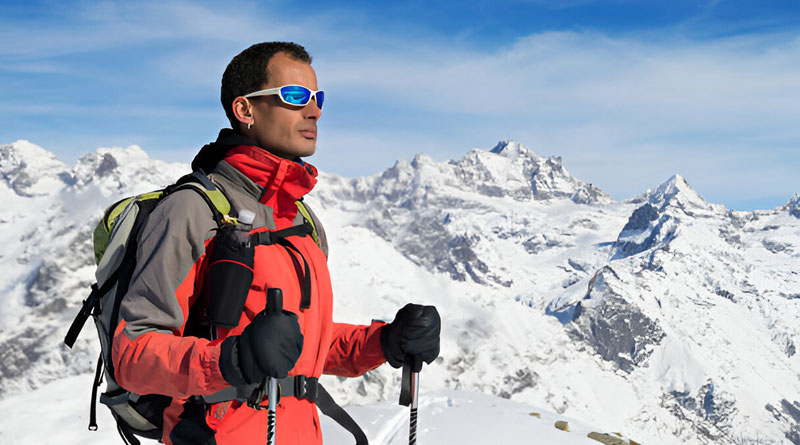
When you are climbing high mountains, the sun can be much stronger than it feels on the ground. Snow, ice, and high altitudes reflect sunlight and make it even harsher on your eyes. That is why choosing the right mountaineering sunglasses is very important for safety and comfort. Good sunglasses protect you from dangerous UV rays, prevent snow blindness, and help you see clearly in bright conditions. They are also designed to fit securely, so they stay in place during tough climbs. In this article, we will explore the best mountaineering sunglasses to help you enjoy your adventure while keeping your eyes safe and comfortable.
1. Julbo Camino Glacier Sunglasses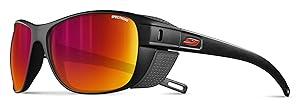
- 100% UV protection with Spectron polycarbonate lenses
- Removable side shields for enhanced glare and wind protection
- Lightweight frame designed for trekking, skiing, and hiking
- Adjustable temple ends with cord attachment for secure fit
The Julbo Camino Glacier Sunglasses are a reliable choice for anyone planning extended outdoor adventures at high altitudes. They feature a classic mountaineering design with side shields that block out peripheral glare, dust, and wind while allowing for focused vision. Whether you’re hiking under intense sunlight or trekking through snow-covered terrains, these lenses provide strong UV protection. The lightweight construction makes them comfortable for long wear, and the adjustable temples ensure they won’t slip even during strenuous activity.
What sets the Camino apart is its versatility. Unlike many bulky glacier glasses, this model can also transition into casual use, especially with the removable side shields. That means you can go from summit climbs to relaxed outdoor walks without swapping gear. While the design leans more toward functional than fashionable, their durability and protective features make them a must-have for mountaineers, skiers, and trekkers looking for dependable eye safety in harsh conditions.
Pros
- Strong UV protection suitable for high-altitude exposure
- Lightweight yet sturdy build for long treks
- Removable side shields add flexibility
- Secure, adjustable temples for active use
Cons
- Style is more technical than casual
- Side shields can sometimes feel bulky during everyday use
2. Maui Jim Peahi Sunglasses
- PolarizedPlus2® lens technology for glare reduction
- Hydro- and oleophobic coatings to repel water and smudges
- Grilamid frame for durability and lightweight wear
- 100% UV protection with impact-resistant lenses
The Maui Jim Peahi sunglasses combine style with serious performance, making them a premium choice for both mountain sports and everyday wear. Their hallmark PolarizedPlus2® lens technology enhances colors and clarity while cutting glare, which is especially useful for trekking across snowy slopes or fishing under direct sunlight. The wraparound design also ensures a secure fit, while maintaining a casual, lifestyle-friendly aesthetic.
Unlike many technical mountaineering sunglasses, the Peahi models are extremely comfortable for extended wear. The hydrophobic and oleophobic coatings mean fog, sweat, and water are less of an issue, making them versatile for sports ranging from skiing to kayaking. Their build quality reflects Maui Jim’s reputation for high-end optics, offering crisp visuals with a wide field of vision. While the price point is steeper compared to competitors, the comfort and lens clarity justify the investment for those seeking both performance and style.
Pros
- Exceptional lens clarity with polarized technology
- Stylish enough for casual wear
- Comfortable for extended use
- Repels water, oil, and smudges
Cons
- Expensive compared to similar models
- Not equipped with side shields for extreme alpine use
3. Retro Aviator Steampunk Sunglasses
- Polarized UV400 lenses for full UV protection
- Leather side shields for wind and glare protection
- Vintage aviator/steampunk metal frame design
- Adjustable nose pads for comfort
These Retro Aviator Steampunk Polarized Sunglasses bring a unique blend of vintage aesthetics and practical mountaineering functionality. The leather side shields not only contribute to the gothic steampunk design but also serve a real purpose in blocking harsh sunlight and peripheral glare. The polarized UV400 lenses are effective in protecting your eyes against harmful rays, making them a viable option for hiking, biking, or casual outdoor exploration.
For users who appreciate fashion-forward eyewear, these sunglasses stand out as a stylish alternative to traditional alpine goggles. However, while they look distinctive, they may not be the best choice for extreme mountaineering or snow trekking, as the build leans more toward lifestyle than rugged sports use. Still, for moderate outdoor activities and festival-style fashion, these sunglasses provide a nice balance of personality and basic protection.
Pros
- Unique and stylish steampunk design
- Leather side shields add both style and function
- UV400 polarized lenses for eye safety
- Comfortable fit with adjustable nose pads
Cons
- Not as durable for extreme alpine environments
- Heavier compared to plastic-framed sports sunglasses
4. FEISEDY Polarized Aviator Sunglasses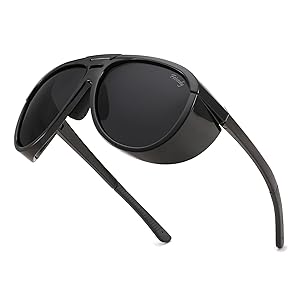
- Polarized UV400 lenses with anti-glare coating
- Oversized round aviator frame with side shields
- Metal construction with retro steampunk styling
- Suitable for both men and women
The FEISEDY Polarized Aviator Sunglasses strike a balance between functional outdoor eyewear and bold fashion. Their oversized aviator lenses provide wide coverage, and the side shields help in minimizing glare from the sides, making them a useful option for driving, fishing, or light trekking. The polarized UV400 coating enhances clarity, cutting through reflections that are common in outdoor environments.
While they are not built for hardcore mountaineering, they do deliver solid protection in casual outdoor sports. The retro steampunk design appeals to those who prefer a distinct, statement-making look in their sunglasses. The downside is that the heavier build and style-first approach may not provide the comfort and ventilation required for high-altitude expeditions. Still, they are a fun and protective option for recreational outdoor use.
Pros
- Bold, oversized design with wide coverage
- Side shields offer added glare protection
- Polarized lenses enhance clarity outdoors
- Unisex styling suitable for multiple occasions
Cons
- Heavier compared to sports sunglasses
- Less practical for extended alpine activities
5. Suoso Sports Polarized Sunglasses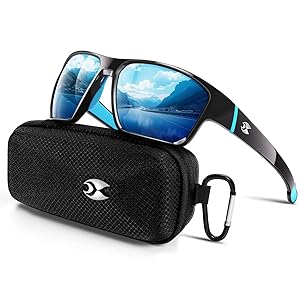
- Polarized lenses with UV400 protection
- TR90 frame material for durability and lightweight wear
- Wraparound design for secure fit during sports
- Suitable for driving, fishing, cycling, and hiking
The Suoso Sports Polarized Sunglasses are designed with active lifestyles in mind. Made from TR90, the frame is both lightweight and durable, ensuring the sunglasses stay comfortable during long use while still standing up to rough handling. The wraparound fit keeps them secure during cycling, mountain biking, or trekking, and the polarized lenses reduce glare effectively for clearer vision.
Though less specialized than glacier glasses, these sunglasses excel in versatility. They transition well from outdoor sports like fishing and driving to casual use, making them an all-round option. Their sporty design makes them more functional than stylish for formal wear, but they remain a cost-effective, reliable choice for users who prioritize practicality and comfort.
Pros
- Lightweight and durable TR90 build
- Wraparound fit ensures secure wear
- Polarized lenses reduce glare effectively
- Versatile for multiple outdoor sports
Cons
- Lacks side shields for alpine glare protection
- Sporty look may not appeal to all users
6. Smith Embark Sunglasses
- ChromaPop™ polarized lenses for color enhancement
- Removable side shields for alpine protection
- Hydroleophobic lens coating to repel water and dirt
- Adjustable temple arms for secure fit
The Smith Embark Sunglasses are built for mountaineers who need both protection and clarity in demanding environments. The standout feature is Smith’s ChromaPop™ technology, which enhances contrast and detail while reducing glare—ideal for snowfields, rocky terrains, and bright alpine conditions. The removable side shields add flexibility, letting users block wind and peripheral glare when conditions demand it.
Comfort is another strength of the Embark model. Adjustable temples and hydroleophobic coatings keep them practical during long climbs and wet weather. While their look is sport-oriented, the functional design ensures durability and comfort for extended wear. Compared to traditional glacier glasses, they strike a balance between technical performance and modern styling, making them a premium but worthwhile investment for serious mountaineers.
Pros
- ChromaPop™ lenses deliver exceptional clarity
- Removable side shields adapt to conditions
- Adjustable temples for personalized fit
- Durable with water- and dirt-resistant coatings
Cons
- Premium pricing
- More sport-oriented than casual in style
7. Storycoast Polarized Sports Sunglasses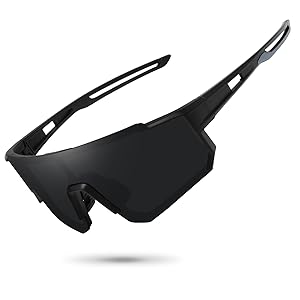
- Polarized UV400 lenses for sun protection
- Wraparound frame for secure sports fit
- Lightweight polycarbonate construction
- Suitable for cycling, fishing, and hiking
The Storycoast Polarized Sports Sunglasses are a budget-friendly option for those needing reliable performance in outdoor activities. With UV400 polarized lenses, they cut glare effectively while protecting eyes from harmful rays. The wraparound design ensures a snug fit, making them suitable for mountain biking, fishing, or driving. Their lightweight build adds comfort for long periods of wear.
While they don’t have the advanced features of premium brands, they offer solid everyday protection for active users. Their affordability makes them an attractive choice for casual adventurers, though serious mountaineers may find them lacking in extreme protective features like side shields or advanced coatings. Still, as an all-purpose pair of sports sunglasses, they provide good value.
Pros
- Affordable and reliable for outdoor sports
- Lightweight for long-term comfort
- Wraparound fit for stability
- Effective UV and glare protection
Cons
- No side shields for alpine use
- Less durable compared to premium models
How to Choose Mountaineering Sunglasses
Mountaineering is one of the most rewarding yet demanding outdoor pursuits. Whether you are climbing the high peaks of the Karakoram, trekking in the Himalayas, or scaling the Alps, one piece of gear that should never be overlooked is mountaineering sunglasses. At high altitudes, your eyes are exposed to intense sunlight, harmful UV rays, and dangerous glare from snow and ice. A good pair of mountaineering sunglasses not only provides comfort but also protects your vision from long-term damage such as snow blindness or cataracts.
However, with so many options on the market, choosing the right sunglasses can feel overwhelming. Should you go for polarized lenses or mirrored ones? What level of UV protection is necessary? Do you need side shields? To make the decision easier, this guide breaks down the essential features and considerations for choosing the perfect mountaineering sunglasses.
Why Sunglasses Are Essential for Mountaineering
At sea level, sunlight is strong but manageable. As you climb higher, however, solar radiation increases significantly. For every 1,000 meters (about 3,280 feet) of elevation gain, UV radiation increases by nearly 10–12%. On snowy slopes, glare can amplify light exposure by reflecting as much as 80% of UV rays directly into your eyes. Without proper protection, this can lead to snow blindness—a painful condition caused by corneal burns from UV light.
Besides UV radiation, mountaineers also face extreme wind, dust, and cold temperatures. Sunglasses designed for mountaineering are specifically built to handle these harsh conditions by providing maximum coverage, durable lenses, and enhanced protection compared to regular sports or fashion sunglasses.
Key Features to Consider
1. Lens Protection and Category
The first and most important factor is the lens’ ability to block harmful rays. Always look for sunglasses that provide:
- 100% UV Protection (UV400): This ensures that both UVA and UVB rays are fully blocked.
- Lens Category: Sunglasses are rated from 0 to 4 based on how much visible light they allow through:
- Category 0: Clear lenses, for night or indoor use.
- Category 1–2: Light to moderate sun protection, good for casual wear.
- Category 3: Strong sunlight, suitable for beaches and everyday outdoor use.
- Category 4: Maximum protection for intense sunlight and high-glare environments like glaciers.
For mountaineering, Category 4 lenses are strongly recommended. These lenses are so dark that they are not suitable for driving but are perfect for snow and high-altitude conditions.
2. Lens Material and Technology
The durability and clarity of your lenses matter in challenging terrains. The most common materials include:
- Polycarbonate Lenses: Lightweight, impact-resistant, and affordable. Ideal for rugged use.
- Mineral Glass Lenses: Scratch-resistant and offer excellent optical clarity, though heavier.
- Trivex or NXT Lenses: A balance of lightness, durability, and clarity, often used in premium sunglasses.
You may also consider advanced lens technologies:
- Polarized Lenses: Reduce glare from reflective surfaces such as snow or ice. However, they can sometimes interfere with reading digital screens (GPS devices, smartphones).
- Photochromic Lenses: Automatically adjust their tint based on light intensity. These are versatile for changing conditions but may not darken enough for very high altitudes.
- Mirrored Coatings: Reflect extra light and reduce glare, making them excellent for snow-covered peaks.
3. Coverage and Side Shields
Unlike casual sunglasses, mountaineering sunglasses must cover your eyes from all angles. UV rays can penetrate from the sides, bottom, and top of your glasses, especially when reflected off snow. Look for:
- Wraparound Frames: Curve around your face for greater coverage.
- Side Shields: Removable or fixed shields block peripheral light. They are essential for glacier travel or high-altitude expeditions.
- Nose and Brow Coverage: A good fit ensures minimal light leakage. Some models include adjustable nose pads for better grip.
4. Fit and Comfort
Climbing involves hours—or even days—of wearing sunglasses. Comfort is crucial:
- Lightweight Frames: Reduce pressure on your nose and ears.
- Adjustable Temples and Nose Pads: Allow customization for a secure fit, preventing glasses from slipping during activity.
- Helmet and Hat Compatibility: Make sure your sunglasses work well with mountaineering helmets or caps.
If possible, try on several pairs before committing. Poorly fitted sunglasses can cause headaches or leave gaps where light sneaks in.
5. Durability and Weather Resistance
Mountaineering sunglasses must withstand extreme conditions:
- Impact Resistance: Necessary in case of falls or when moving through rocky areas.
- Scratch Resistance: Protects lenses from ice axes, ropes, or debris.
- Temperature Resistance: Ensure the frame material won’t become brittle in freezing conditions. Materials like nylon-based frames (Grilamid) are excellent for this.
6. Ventilation and Anti-Fog Features
Fogging can be dangerous if it impairs your vision during a climb. Look for:
- Ventilation Channels: Some frames allow airflow to reduce fogging.
- Anti-Fog Coatings: Help maintain clarity in humid or cold environments.
- Detachable Side Shields: Can be removed in less intense conditions to increase ventilation.
7. Weight and Portability
Since mountaineering often requires packing light, choose sunglasses that balance protection and weight. Heavier glasses may offer more durability, but they can feel uncomfortable during multi-day expeditions. Some climbers carry two pairs: one main pair and a lightweight backup.
Additional Tips for Choosing Mountaineering Sunglasses
- Consider Backup Eyewear: Always pack a second pair of protective glasses or goggles in case your primary pair breaks.
- Check for Certifications: Look for CE (Europe), ANSI (USA), or ISO standards to ensure quality protection.
- Lens Color Options:
- Grey lenses: Neutral color perception, suitable for bright light.
- Brown/Amber lenses: Enhance contrast, useful in changing light conditions.
- Yellow lenses: Good for low-light or overcast conditions, though not for direct sun.
- Budget Wisely: While premium brands like Julbo, Oakley, or Glacier Optics offer excellent options, mid-range sunglasses can also provide sufficient protection if they meet the required standards.
- Try Before You Buy: If possible, test sunglasses under bright light conditions or snow to evaluate their performance.
Common Mistakes to Avoid
- Choosing Fashion over Function: Stylish sunglasses may look good but often lack proper UV protection and coverage.
- Ignoring Side Protection: Even high-quality lenses are ineffective if light leaks in from the sides.
- Using Everyday Sunglasses: Regular sunglasses (Category 2 or 3) may suffice for city life but are inadequate for high mountains.
- Forgetting Spare Eyewear: A broken or lost pair of sunglasses at altitude can be dangerous. Always carry a backup.
Conclusion
Mountaineering sunglasses are more than just an accessory—they are a vital piece of safety equipment. The right pair will shield your eyes from intense UV radiation, reduce glare from snow, and protect you from harsh alpine conditions. When choosing, prioritize lens protection, full coverage, durability, and comfort. Category 4 lenses with side shields are typically the best choice for high-altitude climbs, while photochromic or polarized options can be useful in specific conditions.
Remember, protecting your vision is as important as safeguarding your lungs or skin in the mountains. By investing in the right mountaineering sunglasses, you ensure not only comfort and clarity but also long-term eye health—allowing you to fully enjoy the breathtaking beauty of the peaks you conquer.