Best Mountaineering Goggles of 2025
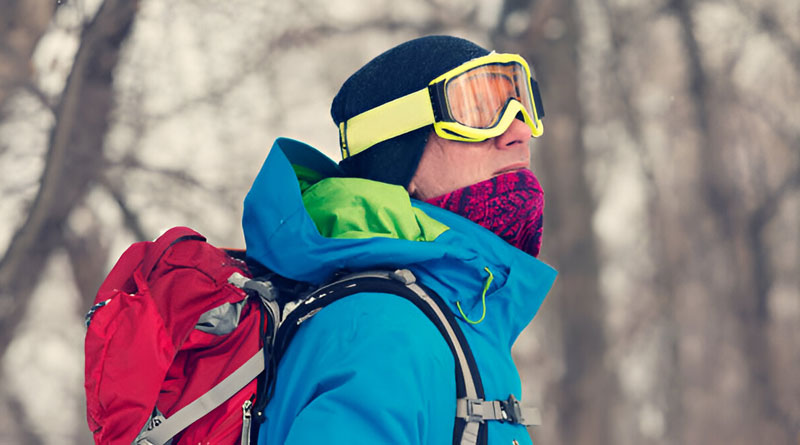
When you head into the mountains, having the right gear is just as important as your skills and strength. Among the essentials, a good pair of mountaineering goggles can make all the difference. They protect your eyes from harsh sunlight, snow glare, strong winds, and even dangerous UV rays that are more intense at higher altitudes. Without proper goggles, your vision can suffer, making climbing more risky and uncomfortable. In this article, we will explore the best mountaineering goggles available, focusing on their features, comfort, and durability, so you can choose the perfect pair for your next adventure and keep your eyes safe while enjoying the climb.
1. OutdoorMaster OTG Ski Goggles

- Over-the-Glasses (OTG) design suitable for prescription eyewear.
- Dual-layer lens with 100% UV protection.
- Anti-fog coated inner lens for clear vision.
- Adjustable elastic strap compatible with most helmets.
The OutdoorMaster OTG Ski Goggles are a reliable choice for skiers and snowboarders who wear prescription glasses. With an OTG-friendly frame, these goggles eliminate the hassle of contact lenses on the slopes. The dual-layer lens system offers strong UV protection while also minimizing glare, which is crucial for high-altitude activities. The inner anti-fog coating provides a clear field of vision even during sudden temperature changes, making them a practical option for beginners and regular enthusiasts alike.
Comfort is another strength of these goggles. The adjustable strap makes them helmet-compatible, ensuring a snug and secure fit without pressure points. Ventilation channels allow air circulation, reducing the risk of fogging further. While they are not as premium as frameless or magnetic models, their affordable price, dependable clarity, and OTG convenience make them a solid all-rounder for casual and frequent use.
Pros
- Affordable and beginner-friendly.
- OTG design fits glasses comfortably.
- Effective UV and fog protection.
- Helmet-compatible with adjustable strap.
Cons
- Slightly bulkier compared to frameless models.
- Limited lens color/style options.
2. Findway Ski Goggles OTG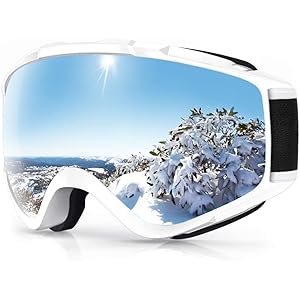
- Over-the-Glasses design with wide spherical lens.
- Anti-fog and anti-scratch coating.
- 100% UV400 protection.
- Triple-layer foam for comfort and sealing.
The findway Ski Goggles OTG combine versatility with comfort, making them an appealing choice for youth and adults alike. Their wide spherical lens provides a panoramic field of vision, crucial for spotting terrain variations on slopes. With UV400 protection, these goggles block harmful rays, and the dual anti-fog/anti-scratch coating ensures clarity in variable weather conditions. The lens curvature also helps reduce distortion, allowing wearers to navigate confidently.
On the comfort side, findway has integrated triple-layer foam padding, which provides a secure yet breathable seal against the face. The strap is fully adjustable and helmet-compatible, making these goggles suitable for different head sizes. While they may not have the premium interchangeable lens feature, they stand out for their reliability, comfort, and affordability, making them a practical purchase for skiers at different skill levels.
Pros
- Wide field of vision with spherical lens.
- Good balance of comfort and durability.
- UV400, anti-fog, and anti-scratch protection.
- Affordable for families or groups.
Cons
- No interchangeable lens system.
- Slightly heavier than frameless models.
3. OutdoorMaster Ski Goggles PRO
- Frameless design with large spherical lens.
- Interchangeable magnetic lens system.
- 100% UV400 protection with anti-fog coating.
- OTG-compatible with adjustable strap.
The OutdoorMaster PRO Ski Goggles are a step up for those seeking performance and aesthetics. Their frameless design not only looks modern but also provides an unobstructed panoramic view. The magnetic interchangeable lens system allows quick swapping between different tints, ensuring adaptability in changing light conditions. With UV400 protection and an anti-fog coating, the lenses provide safety and clarity at all times.
These goggles also accommodate prescription glasses with their OTG compatibility, making them versatile for a wider audience. Comfort is enhanced with triple-layer foam and helmet compatibility, so they fit securely without sacrificing breathability. While priced higher than standard models, the premium features—especially the magnetic lens swap—make them worthwhile for serious skiers and snowboarders looking for flexibility and high performance.
Pros
- Sleek frameless look with wide vision.
- Magnetic interchangeable lens system.
- Strong UV and fog protection.
- Fits over glasses comfortably.
Cons
- Pricier than entry-level goggles.
- Spare lenses sold separately.
4. ZIONOR Lagopus B1 Ski Goggles
- Over-the-Glasses design with dual-layer lens.
- Anti-fog and anti-scratch treatment.
- 100% UV400 protection.
- Helmet-compatible adjustable strap.
The ZIONOR Lagopus B1 is a popular mid-range goggle choice that blends affordability with performance. Featuring an OTG design, it ensures glasses wearers enjoy the same level of comfort and clarity. The dual-layer lens construction, combined with UV400 protection, shields eyes from glare and radiation. The anti-fog and anti-scratch treatment improve durability and visibility, particularly useful for unpredictable mountain conditions.
Fit and comfort are highlights of this model. The strap’s adjustability allows easy integration with different helmets, while the ventilation system reduces fog buildup. These goggles may not include premium interchangeable lenses, but their dependability and sturdy construction make them a favorite among casual to intermediate skiers who want a balance of value and durability.
Pros
- Durable with anti-fog and anti-scratch protection.
- OTG-friendly for prescription glasses.
- Good ventilation and helmet fit.
- Affordable mid-range option.
Cons
- Lacks interchangeable lens feature.
- Slightly less panoramic compared to frameless designs.
5. Timbers Snow Goggles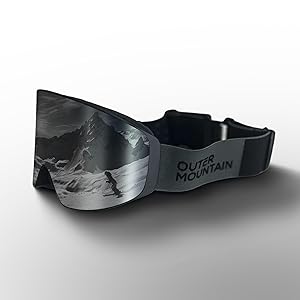
- Comes with two interchangeable lenses.
- Polarized lens with UV protection.
- Double-layer anti-fog technology.
- Helmet-compatible adjustable strap.
The Timbers Snow Goggles stand out with their inclusion of two lenses, providing flexibility for both sunny and cloudy conditions. The polarized lens reduces glare, which is particularly beneficial on reflective snow surfaces. Combined with UV protection and a double-layer anti-fog system, these goggles ensure both safety and clarity throughout skiing or snowboarding sessions. The build feels premium and solid, adding to long-term reliability.
Comfort and adaptability are also well addressed. The strap fits most helmets securely without causing pressure, and ventilation channels improve airflow. Having a polarized option included makes them appealing for those who spend extended time on slopes. While they might not feature a quick magnetic swap system, their package value (with two lenses) and polarized clarity make them a practical buy for enthusiasts who want versatility without overspending.
Pros
- Includes two lenses (sunny and cloudy conditions).
- Polarized for glare reduction.
- Strong anti-fog and UV protection.
- Comfortable helmet fit.
Cons
- Lens swapping is slower than magnetic systems.
- Slightly bulkier than frameless goggles.
6. Ski Goggles Snow OTG (Magnetic Lens)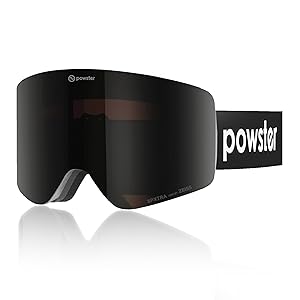
- Frameless design with magnetic interchangeable lens system.
- 100% UV protection.
- Anti-fog double-layer lens technology.
- Helmet-compatible strap with OTG design.
These Ski Goggles Snow OTG provide a balance of modern design and functionality. The frameless spherical lens not only looks stylish but also provides a wide panoramic view. Thanks to the magnetic lens system, switching between lenses is effortless and quick, making them adaptable to different weather and light conditions. With 100% UV protection and anti-fog double-layer technology, they deliver reliable clarity across varying environments.
Comfort and practicality are key highlights. The goggles are OTG-friendly, allowing prescription glasses wearers to enjoy the same performance. Ventilation channels combined with the anti-fog system reduce condensation issues, while the adjustable strap ensures a secure helmet fit. These goggles are particularly appealing for skiers who want versatility and quick adaptability without investing in overly expensive premium brands.
Pros
- Frameless design offers wide vision.
- Quick magnetic lens swap system.
- Strong UV and fog protection.
- Fits glasses and helmets comfortably.
Cons
- Lenses may detach if not properly secured.
- Slightly higher price for mid-range users.
7. UV Protective Tactical Goggles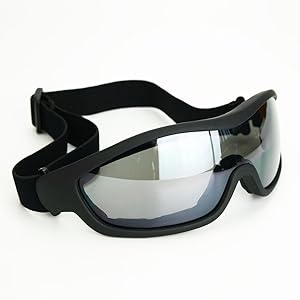
- Shatterproof polycarbonate lens.
- 100% UV protection.
- Adjustable elastic strap for secure fit.
- Lightweight military/tactical design.
The UV Protective Outdoor Tactical Goggles are designed with versatility in mind, serving both outdoor sports and tactical environments. Their shatterproof polycarbonate lens ensures durability against impact, making them reliable in rugged conditions. With full UV protection, they shield eyes during prolonged exposure to sunlight—ideal not only for skiing and mountaineering but also for motorcycling or military-style training.
The lightweight construction makes them comfortable for long wear, and the adjustable strap provides a secure fit across helmets or hats. While they lack advanced anti-fog coatings or interchangeable lenses, they compensate with ruggedness and practicality. For users seeking multifunctional goggles at a reasonable price, these provide a balance of protection, comfort, and adaptability, even if they are not the most feature-rich choice.
Pros
- Shatterproof and durable construction.
- Lightweight and comfortable.
- Full UV protection for outdoor use.
- Versatile for multiple sports and activities.
Cons
- No anti-fog or interchangeable lens system.
- Less specialized for snow sports compared to ski-specific goggles.
How to Choose Mountaineering Goggles
Mountaineering is a sport of extremes—towering peaks, blinding snowfields, freezing winds, and thin air. Among the most essential pieces of gear for climbers is a reliable pair of mountaineering goggles. While many beginners may think that any pair of sunglasses will suffice, the reality is that high-altitude environments expose the eyes to unique hazards such as intense ultraviolet (UV) rays, snow blindness, biting winds, and blowing ice particles. Choosing the right goggles can mean the difference between comfort and misery, or even safety and danger.
This guide explains the key factors to consider when selecting mountaineering goggles, helping you make an informed decision that suits your climbing style, environment, and budget.
Why Are Goggles Essential for Mountaineering?
Before diving into selection criteria, it’s important to understand why ordinary eyewear often fails in alpine conditions:
- UV Protection: At higher altitudes, the atmosphere is thinner and blocks less ultraviolet radiation. Each 1,000 meters of elevation increases UV exposure by about 10–12%. Prolonged exposure can lead to snow blindness, cataracts, and long-term eye damage.
- Glare Reduction: Snow and ice reflect up to 80% of sunlight, amplifying glare. This constant brightness strains the eyes, making goggles with proper lenses crucial for comfort.
- Weather Shield: Goggles protect against freezing winds, flying ice particles, and sudden snowstorms that can impair visibility.
- Fit and Comfort: Unlike sunglasses, goggles create a seal around the eyes, preventing light leakage and offering better stability during climbing.
With these risks in mind, selecting the right pair becomes a matter of both performance and safety.
Key Factors to Consider When Choosing Mountaineering Goggles
1. Lens Protection (UV and Visible Light Transmission)
The most critical aspect of mountaineering goggles is the lens.
- UV Protection: Always ensure the goggles block 100% UVA and UVB rays. Anything less is unsafe at high altitudes.
- Visible Light Transmission (VLT): This measures how much visible light passes through the lens.
- Category 0 (80–100% VLT): Very light, indoor or night use.
- Category 1 (43–80% VLT): Overcast or low light.
- Category 2 (18–43% VLT): Moderate sunlight.
- Category 3 (8–18% VLT): Strong sunlight, typical for skiing.
- Category 4 (3–8% VLT): Extremely bright conditions—mandatory for high-altitude mountaineering. (Note: Category 4 lenses are too dark for driving.)
For Himalayan expeditions, Alpine ascents, or glaciers, Category 4 lenses are non-negotiable.
2. Lens Technology
Beyond tint darkness, advanced features enhance performance:
- Polarized Lenses: Reduce glare from snow but may make it harder to read digital screens or GPS devices.
- Photochromic Lenses: Automatically adjust tint according to light conditions, transitioning from lighter shades (useful in cloudy or early morning conditions) to darker shades (for midday sun). Ideal for long climbs with variable weather.
- Mirror Coating: Reflects additional light, reducing glare. Also adds durability and scratch resistance.
- Anti-Fog Coating: Prevents condensation during heavy exertion. Look for double lenses or ventilation channels as well.
3. Fit and Comfort
Ill-fitting goggles can cause pressure points, headaches, or fogging. Consider:
- Helmet Compatibility: If you wear a climbing helmet, ensure the goggles fit well without leaving gaps.
- Foam Padding: Soft, multi-layered foam ensures comfort and prevents cold air leaks.
- Adjustable Straps: Wide, elastic straps with silicone grip help keep the goggles secure during steep climbs or in strong winds.
A good fit should seal out light from all angles while remaining comfortable for extended wear.
4. Ventilation and Anti-Fog Design
Climbing generates sweat, and goggles can fog up quickly without proper airflow. Look for:
- Ventilation Channels: Cutouts or mesh that allow airflow without letting in snow.
- Double-Lens Design: Creates a thermal barrier to reduce fogging.
- Anti-Fog Treatments: Factory-applied coatings to keep the lens clear.
Remember: Wiping lenses aggressively can damage coatings, so it’s best to let fog evaporate naturally when possible.
5. Durability and Scratch Resistance
Mountaineering involves rugged environments where goggles will be tossed into backpacks, scraped against ice axes, or exposed to blowing ice. Ensure your lenses have:
- Scratch-Resistant Coating
- Impact Resistance (polycarbonate lenses are particularly durable)
- Flexible Frames that can withstand freezing temperatures without cracking.
6. Lens Color and Tint Options
The lens color isn’t just about style—it influences visibility in different conditions:
- Dark Gray/Black: Reduces brightness without distorting colors. Best for bright glacier travel.
- Brown/Amber: Enhances contrast in partly cloudy conditions.
- Yellow/Gold: Excellent for low light or foggy conditions.
- Clear Lenses: Best for night climbing or headlamp use.
Some goggles come with interchangeable lenses, allowing climbers to adapt to changing conditions.
7. Weight and Packability
Every gram counts at altitude. Lightweight goggles are preferable, but not at the expense of durability. Also, check if they come with a hard case for safe transport in your pack.
8. Prescription Compatibility
If you wear glasses, look for OTG (Over the Glasses) goggles or models that accept prescription inserts. This ensures you don’t sacrifice vision clarity at critical moments.
9. Price vs. Performance
Mountaineering goggles range widely in price—from budget-friendly models around $50 to premium expedition goggles exceeding $250. While it may be tempting to save money, consider the stakes: poor eye protection at altitude can permanently damage vision. A good balance is to aim for trusted mountaineering brands with proven reliability.
Recommended Brands and Models
Some brands well-known for high-quality mountaineering goggles include:
- Julbo (renowned for glacier glasses and mountaineering goggles, with Category 4 lenses and photochromic options).
- Oakley (excellent lens technology, durable frames, good anti-fog systems).
- Smith Optics (advanced ventilation and interchangeable lens systems).
- Cébé (affordable yet durable models suitable for alpine conditions).
Practical Tips for Using Goggles in the Mountains
- Carry a Backup: Always bring a spare pair of sunglasses or goggles in case your primary set is lost or damaged.
- Avoid Touching the Inner Lens: This may damage anti-fog coatings.
- Keep Them Dry: Store goggles in a case with a microfiber cloth when not in use.
- Train with Them: Wear your goggles during training climbs to ensure comfort and compatibility with your helmet before heading on an expedition.
Conclusion
Choosing mountaineering goggles is about more than comfort—it is about protecting your eyes from serious damage in extreme environments. The right pair should offer 100% UV protection, Category 4 lenses, good ventilation, durability, and comfort. Depending on your climbing style and environment, additional features like photochromic lenses or interchangeable tints may provide extra versatility.
Ultimately, a reliable pair of goggles is an investment in both safety and performance. As you prepare for your next ascent—whether it’s a local snow-capped peak or the world’s highest mountains—make sure your eyes are as well-protected as your feet, hands, and lungs. After all, in the high mountains, clear vision isn’t just a luxury—it’s survival.