Best Mountaineering Pants of 2025
When it comes to climbing mountains, having the right gear can make all the difference, and mountaineering pants are one of the most important items to consider. The best mountaineering pants are designed to keep you comfortable, warm, and protected in tough outdoor conditions. They are made with strong, weather-resistant materials that can handle cold, wind, and even snow while still allowing you to move easily. Whether you are an experienced climber or just starting your mountaineering journey, choosing the right pants will help you stay safe and focused on your adventure. In this article, we will explore the best mountaineering pants available today.
1. PUMA ProOne Adventure Pants
- Material: Durable ripstop fabric with breathable construction
- Water Protection: Partially water-repellent coating
- Design: Multiple cargo pockets for storage
- Fit: Ergonomic cut designed for mobility outdoors
The PUMA Workwear ProOne Adventure Outdoor Hiking Pants are designed for outdoor enthusiasts who demand both durability and comfort. The ripstop material ensures that the pants can withstand abrasions during rough trails, while the partial water-repellent finish offers protection against light rain and moisture. With a breathable build, these pants excel in keeping the wearer cool during long hikes and treks without compromising strength. The cargo pocket design provides ample storage, making them practical for anyone who likes to carry gear without needing a separate pack.
In actual use, these pants shine as a versatile choice for hikers and adventure travelers. They combine the ruggedness of workwear with the flexibility required for active movement. However, because they’re only partially water-repellent, they might not be ideal in heavy rain or snow conditions. That said, their lightweight yet strong construction makes them a solid option for most climates except extreme wet weather. The ergonomic cut ensures good freedom of motion, whether climbing rocks, trekking uphill, or navigating uneven terrain.
Pros:
- Strong ripstop fabric resists tearing
- Comfortable and breathable for long hikes
- Plenty of pocket space for essentials
- Lightweight yet rugged design
Cons:
- Not fully waterproof
- Limited insulation for colder conditions
2. Postropaky Ski Pants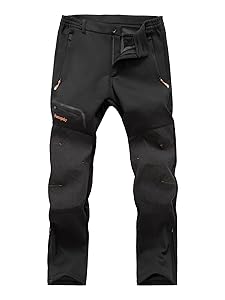
- Material: Softshell fabric with waterproof coating
- Insulation: Inner lining for warmth in snow and cold weather
- Features: Zippered bottom leg design for boots
- Protection: Windproof and snow-resistant construction
The Postropaky Men’s Hiking Snow Ski Pants are engineered for outdoor activities in cold climates, making them ideal for skiing, snowboarding, or winter hiking. The waterproof softshell material keeps snow and moisture out, while the insulated inner lining ensures warmth even in freezing temperatures. The design is highly functional, especially with the zippered bottom legs, which allow easy fitting over bulky ski or snowboard boots. For adventurers tackling alpine conditions, this pair balances protection and comfort.
Performance-wise, these pants excel at keeping warmth in without sacrificing mobility. The windproof design blocks harsh gusts, making them reliable on mountain slopes. Despite their insulation, they remain reasonably breathable, though they may feel heavy in milder conditions. The waterproofing is excellent against snow and light rain, but in very wet environments, prolonged exposure may eventually compromise the fabric. Still, for skiing and snowboarding, they are highly dependable and offer practical convenience with their boot-friendly design.
Pros:
- Excellent insulation for winter sports
- Waterproof and windproof protection
- Boot zipper design adds convenience
- Durable construction for snow activities
Cons:
- Too warm for mild climates
- Waterproofing less effective in heavy rain
3. MAGCOMSEN Winter Pants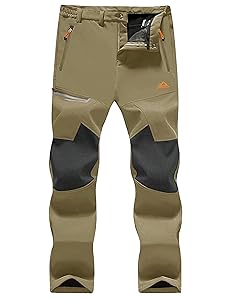
- Fabric: Water-resistant outer shell
- Lining: Fleece interior for warmth
- Storage: Four zippered pockets
- Weather Protection: Wind-resistant build
The MAGCOMSEN Men’s Winter Ski Pants are built to handle snowy and cold outdoor conditions. With a water-resistant shell and fleece-lined interior, they provide comfort and protection against the elements. The four secure zippered pockets allow safe storage for small essentials, making them practical for both hikers and skiers. These pants strike a balance between weather protection and everyday wearability.
In practice, these pants perform best in cold-weather activities where warmth and flexibility are required. The fleece lining feels soft and provides insulation, while the wind-resistant design blocks out chilly breezes. While they’re not fully waterproof, they are more than adequate for snowy environments or light rain. For hikers and skiers alike, the storage space and durable design are appealing. However, those planning trips in wet and heavy rain might need additional waterproof layers.
Pros:
- Fleece lining adds excellent warmth
- Comfortable fit for extended wear
- Multiple secure pockets
- Good value for winter adventures
Cons:
- Not fully waterproof
- May be too warm in moderate temperatures
4. Gash Hao Snow Pants
- Outer Material: Waterproof softshell fabric
- Insulation: Fleece-lined interior
- Bottom Leg: Zippered for boots
- Resistance: Windproof and snowproof design
The Gash Hao Men’s Snow Ski Pants deliver performance for skiing, snowboarding, and other winter outdoor activities. Featuring waterproof and windproof construction, these pants provide robust protection against snow and harsh winds. The fleece-lined interior keeps the wearer warm in freezing conditions, while the zippered bottom legs make them easy to pair with boots.
On the trail or slopes, these pants feel reliable and durable. They effectively block snow and cold wind, keeping warmth locked in during long hours outdoors. The waterproofing works well for snow, but similar to other softshell pants, they can struggle in heavy rain. Comfort is another strength, as the fleece lining feels soft against the skin. These pants excel in snow-based sports, though they may feel bulky for lighter hikes or in milder climates.
Pros:
- Excellent warmth and comfort
- Waterproof and snow-resistant
- Boot zippers enhance convenience
- Durable for winter sports
Cons:
- Bulky for casual use
- Limited waterproofing for heavy rain
5. RevolutionRace Nordwand Pro
- Fabric: Durable and ventilated polyester blend
- Weather Adaptability: Quick-drying and water-repellent
- Design: Reinforced panels for extra durability
- Flexibility: Stretch sections for mobility
The RevolutionRace Nordwand Pro Pants are versatile outdoor pants suitable for a wide range of activities. Built with reinforced panels and ventilated sections, they balance toughness with breathability. The water-repellent surface ensures protection against light rain, while quick-drying fabric makes them practical in varying climates. Their stretch design provides a comfortable fit for hikers, climbers, and trekkers.
In use, these pants excel as all-round outdoor gear. They’re durable enough for rugged trails while staying comfortable for long wear. The reinforced areas protect against abrasions, making them suitable for mountaineering or bushcraft activities. Breathability is a standout feature, helping prevent overheating during intense hikes. While they are not insulated for cold conditions, layering easily compensates for that. For those seeking versatile pants that can transition between seasons, these are an excellent choice.
Pros:
- Very durable with reinforced design
- Comfortable stretch fit
- Breathable and quick-drying
- Suitable for year-round use
Cons:
- Not insulated for winter
- Not fully waterproof
6. Baleaf Women’s Hiking Pants
- Fabric: Quick-dry and lightweight material
- Weather Resistance: Water-resistant coating
- Fit: Elastic waistband for comfort
- Design: Multiple cargo pockets for storage
The Baleaf Women’s Hiking Pants are designed with practicality and comfort in mind for outdoor enthusiasts. They feature a lightweight, breathable fabric that dries quickly, making them suitable for hiking in all seasons. The water-resistant coating offers basic protection against light rain, while the elastic waistband ensures comfort during movement. Cargo pockets add functionality, making them practical for long treks.
Performance-wise, these pants are versatile enough for different outdoor conditions. Their quick-drying nature makes them reliable in humid or rainy environments, though they may not hold up under prolonged exposure to heavy rain. The lightweight design is perfect for long hikes, ensuring reduced fatigue. Their all-season usability and practical design make them a dependable choice for women hikers, though in winter conditions, layering will be necessary for warmth.
Pros:
- Lightweight and breathable
- Quick-drying fabric
- Comfortable elastic waistband
- Functional cargo storage
Cons:
- Not warm enough for winter alone
- Limited waterproofing
7. TBMPOY Lightweight Hiking Pants
- Material: Waterproof quick-dry fabric
- Storage: Five zippered pockets
- Fit: Includes adjustable belt
- Design: Lightweight construction for travel/outdoor use
The TBMPOY Men’s Lightweight Hiking Pants are built for versatility in outdoor and travel activities. With waterproof quick-dry fabric, they ensure comfort in unpredictable weather. The pants come with five secure zippered pockets, providing ample space for storing essentials like maps, tools, or electronics. An included belt enhances adjustability and ensures a snug fit during active movement.
In practical terms, these pants are a travel-friendly, all-purpose choice. They are comfortable for long hikes, fishing trips, or camping due to their lightweight and breathable construction. The waterproofing is effective for light to moderate rain, but prolonged exposure to heavy rain may require additional layering. Their multiple pockets and easy-dry properties make them especially useful for travelers or backpackers who prioritize convenience. Overall, they balance affordability, comfort, and practicality quite well.
Pros:
- Quick-drying and lightweight
- Multiple secure pockets
- Belt included for better fit
- Versatile for travel and outdoor use
Cons:
- Limited insulation for cold weather
- Waterproofing not ideal for heavy downpours
How to Choose Mountaineering Pants
When preparing for a mountaineering adventure, many people focus on boots, jackets, or backpacks—yet, one of the most important pieces of gear often gets overlooked: mountaineering pants. The right pair of pants can make the difference between a comfortable, safe climb and a miserable, exhausting experience. Choosing them isn’t as simple as buying any outdoor trousers; mountaineering demands specialized design features to handle extreme weather, rugged terrain, and constant movement.
This article will walk you through everything you need to know about selecting the right mountaineering pants—from fabric choices and weather resistance to fit, mobility, and layering. By the end, you’ll be able to confidently choose the pants that best suit your climbs.
Why Mountaineering Pants Matter
Unlike casual hiking trousers, mountaineering pants must withstand harsh alpine conditions. You may face freezing winds, heavy snow, rock scrapes, or sudden rain. At the same time, you’ll need to move freely—climbing over boulders, using crampons, or traversing glaciers.
The right pants should strike a balance between durability, weather protection, and flexibility. Ill-fitting or poorly designed pants can restrict your movement, trap moisture, or fail under stress, putting both your comfort and safety at risk.
Key Factors to Consider
1. Material and Fabric Technology
The first thing to examine is the fabric. Different climbs and conditions call for different materials.
- Softshell Pants
- Made from woven, stretchy, and breathable fabrics.
- Best for dry, cold conditions where you need wind resistance but also ventilation.
- They provide excellent mobility and comfort during active climbs.
- Hardshell Pants
- Constructed from waterproof, windproof membranes (like Gore-Tex or eVent).
- Designed for stormy, wet, or snowy alpine environments.
- Typically less breathable than softshells but essential for extreme weather protection.
- Hybrid Pants
- Combine elements of both: breathable panels where you sweat most and waterproof reinforcements in high-exposure areas.
- A great option for mixed conditions.
Tip: For summer alpine climbs, softshells usually suffice. For winter or expedition-level climbs, hardshell or hybrid pants are safer choices.
2. Weather Resistance
Mountains are unpredictable, so your pants must be prepared for sudden weather shifts.
- Waterproofing: Look for a high hydrostatic head rating (20,000 mm or above for serious mountaineering). Fully taped seams are a must.
- Windproofing: Wind chill at altitude can be deadly. A windproof outer shell will protect you during exposed ridgelines.
- Breathability: Sweat trapped inside waterproof pants can lead to chills. Fabrics with ventilation zips or breathable membranes balance moisture control.
3. Durability and Reinforcements
Mountaineering is tough on gear. Rocks, crampons, and ice axes can easily tear fabric.
- Check for reinforced knees, seat, and inner ankles (often made with Kevlar or Cordura).
- Look for abrasion-resistant fabrics that hold up against constant friction.
- Double-layer protection around crampon zones is crucial to prevent tears.
Durability not only extends the lifespan of your pants but also prevents dangerous exposure if fabric rips mid-climb.
4. Fit and Mobility
Movement is constant in mountaineering—whether you’re scrambling, ice climbing, or skiing down a glacier. Pants must move with you.
- Articulated Knees: Pre-shaped knees allow natural bending without fabric resistance.
- Stretch Panels: Elastane or spandex blends add flexibility for high steps.
- Adjustable Waist and Suspenders: A secure fit prevents pants from sliding during climbs. Suspenders are better than belts under a harness.
- Harness Compatibility: Ensure pants fit comfortably under a climbing harness, with a low-profile waist and minimal bulk.
Avoid overly baggy pants—they can snag on crampons—but also don’t choose pants so tight they restrict movement.
5. Ventilation and Temperature Control
Climbing at altitude means fluctuating temperatures: freezing mornings, sweaty ascents, and windy summits. Versatile pants with ventilation features help regulate comfort.
- Zippered Thigh Vents: Dump heat quickly without removing layers.
- Convertible Designs: Some pants allow zip-off lower legs (though less common in technical alpine wear).
- Lining: Light fleece or brushed interiors add warmth for cold climbs, while unlined pants are better for summer ascents.
6. Layering Compatibility
In extreme environments, pants are part of a layering system.
- Base Layer: Thin thermal leggings provide insulation and moisture-wicking.
- Mid/Outer Layer: Your mountaineering pants go over the base layer.
- Overtrousers (if needed): Hardshell pants can be layered on top in storms.
Choose pants roomy enough to accommodate a base layer but not so loose that they create excess bulk.
7. Weight and Packability
For long expeditions, every gram matters.
- Lightweight softshells are ideal for fast alpine pushes.
- Expedition hardshells, while heavier, offer full protection and are worth carrying in storm-prone regions.
- Packability matters when carrying a backup pair of overtrousers—look for pants that compress into a small bundle.
8. Special Features to Look For
- Full-Length Side Zips: Allow you to put pants on over boots and crampons.
- Boot Gaiters: Built-in gaiters seal snow out of your boots.
- Pockets: High-set pockets that stay accessible while wearing a harness.
- Cuff Adjustments: Snug closures around boots prevent snagging.
- Suspenders or Belt Loops: Choose according to preference and layering system.
Matching Pants to Your Climbing Style
The best mountaineering pants for you depend on your activity type:
- Alpine Climbing: Lightweight, breathable softshells with good stretch. Keep hardshells handy for storms.
- Ice Climbing: Hardshell or hybrid pants with reinforced crampon guards and waterproofing.
- High-Altitude Expeditions: Insulated, weatherproof pants with layering capacity.
- Ski Mountaineering: Durable, insulated pants with ventilation zips and integrated gaiters.
Common Mistakes to Avoid
- Choosing only by price: Cheap pants may lack durability or weather protection. Treat them as a long-term investment.
- Ignoring fit: Even the best material is useless if pants restrict your movement. Always test mobility before buying.
- Overlooking ventilation: Waterproof doesn’t always mean comfortable. Breathability is just as critical.
- Skipping reinforcements: Tears from crampons or rocks are a common failure point. Reinforced cuffs save you trouble.
- Buying “all-in-one” pants: No single pair works for every condition. Consider having both softshell and hardshell options depending on climbs.
Care and Maintenance
Proper care extends the life of your mountaineering pants.
- Wash after trips with technical detergent to maintain breathability and waterproofing.
- Reapply DWR (Durable Water Repellent) coating when water stops beading.
- Store dry to avoid mildew or fabric breakdown.
- Repair small tears early with patches or seam grip.
Conclusion
Choosing the right mountaineering pants is not just about style—it’s about performance, safety, and endurance in some of the harshest environments on earth. By considering material, weather resistance, durability, mobility, and features, you can find the pair that matches your climbing style and conditions.
Think of them as your second skin in the mountains: protective, flexible, and reliable. Whether you’re summiting a snowy peak, scaling icy walls, or tackling a rocky alpine ridge, the right pants will keep you moving efficiently and safely toward your goal.