Best 3-Season Mountaineering Boots of 2025
When it comes to outdoor adventures, the right footwear can make all the difference. For hikers, climbers, and explorers, 3-season mountaineering boots are the perfect balance between comfort, durability, and protection. Designed for spring, summer, and fall, these boots can handle rugged trails, rocky climbs, and unpredictable weather without weighing you down. Unlike heavy winter boots, they are lighter and more flexible, making them ideal for long treks and varied terrain. Whether you are planning a multi-day backpacking trip, tackling alpine trails, or simply exploring the outdoors, the best 3-season mountaineering boots will keep your feet supported, safe, and ready for
1. La Sportiva Trango Pro GTX
- Upper: Waterproof abrasion-resistant synthetic with Gore-Tex lining
- Midsole: Polyurethane with EVA inserts for cushioning and support
- Outsole: Vibram One with climbing zone at toe
- Weight: Approx. 700g per boot
The La Sportiva Trango Pro GTX is designed for technical 3-season mountaineering, offering a balance between lightweight performance and rugged durability. The Gore-Tex lining ensures full waterproof protection, making it a reliable companion for wet alpine environments or extended treks across mixed terrain. Its stiff midsole and precise Vibram outsole with climbing zone make edging, scrambling, and light climbing maneuvers more secure than with traditional trekking boots. For climbers who need precision without the weight of a full alpine boot, this model is an excellent choice.
Comfort is another strong point of the Trango Pro GTX. The synthetic upper breaks in quickly while retaining structural rigidity, making it less punishing on long approaches compared to stiffer leather models. Breathability is also above average, which reduces overheating on demanding ascents. However, while it excels in 3-season conditions, the insulation is not enough for winter alpine use, limiting it for year-round expeditions. Still, for hikers and mountaineers tackling technical ridges, steep scrambles, and glacier crossings, the Trango Pro GTX stands out as a versatile, lightweight option.
Pros:
- Lightweight yet supportive design
- Excellent waterproofing with Gore-Tex lining
- Vibram sole with climbing zone provides traction and precision
- Quick break-in with durable synthetic upper
Cons:
- Insufficient insulation for winter or extreme cold
- Narrow fit may not suit wide-footed users
2. Salewa MS Condor EVO GTX
- Upper: Perwanger leather with rubber rand for protection
- Lining: Gore-Tex Performance Comfort
- Midsole: Nylon with stiff mountaineering support
- Outsole: Vibram Teton for high alpine grip
The Salewa MS Condor EVO GTX is a dependable boot for mountaineers who require robust protection and all-day stability. Built from Perwanger leather, this boot is engineered for durability while the Gore-Tex lining ensures it remains waterproof in snow, rain, or wet alpine conditions. Its stiff midsole provides exceptional edging strength, making it ideal for rocky ridges and technical ascents. With crampon compatibility, it is well-suited for glacier travel and mixed alpine routes where stability is critical.
Despite its rugged build, the boot doesn’t compromise much on comfort. Salewa’s 3F system delivers ankle flexibility without losing structural support, reducing fatigue over long approaches. The Vibram Teton outsole grips well across mud, snow, and rock, ensuring security even on unstable terrain. However, its weight is noticeably heavier than some lighter 3-season options, which could be a downside for fast-moving climbers. Overall, the Condor EVO GTX is a serious boot for those who prioritize protection and technical compatibility over ultralight performance.
Pros:
- Extremely durable leather construction
- Compatible with semi-automatic crampons
- Excellent stability on technical terrain
- Reliable waterproofing and protection
Cons:
- Heavier than many competitors
- Requires break-in period for optimal comfort
3. SCARPA Zodiac Tech GTX
- Upper: Suede leather with synthetic reinforcement
- Lining: Gore-Tex Performance Comfort
- Midsole: 3D EVA with TPU insert for support
- Outsole: Vibram Pentax Precision II
The SCARPA Zodiac Tech GTX strikes a fine balance between lightweight agility and technical sturdiness. Constructed with suede leather and Gore-Tex lining, it delivers waterproof protection and breathable comfort for demanding mountain environments. Its Vibram Pentax outsole ensures precise foot placement on scrambles, rocky approaches, and alpine terrain, making it a go-to boot for alpinists who need versatility without the bulk of a fully rigid boot.
This boot excels in comfort thanks to its ergonomic design and relatively lighter weight compared to heavy-duty mountaineering models. The cushioning in the midsole provides a natural stride, while still offering the stiffness required for crampon compatibility on glaciers and mixed terrain. That said, the Zodiac Tech GTX is not as insulated as a true winter boot, and extended exposure in frigid alpine conditions may require warmer footwear. Nevertheless, for summer alpine missions, technical treks, and long approaches, it performs admirably with minimal compromises.
Pros:
- Lightweight but supportive design
- Comfortable fit with minimal break-in
- Compatible with hybrid crampons
- Vibram outsole provides precise grip
Cons:
- Not warm enough for full winter use
- Durability slightly less than full leather boots
4. Salewa Mountain Trainer 2 Mid GTX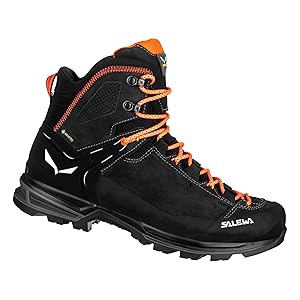
- Upper: Suede leather and robust synthetic panels
- Lining: Gore-Tex Extended Comfort waterproofing
- Midsole: Bilight TPU for cushioning and shock absorption
- Outsole: Vibram Alpine Approach
The Salewa Mountain Trainer 2 Mid GTX is an all-round performer aimed at hikers and mountaineers tackling mixed alpine routes. Its sturdy build with suede leather and synthetic reinforcement ensures long-lasting durability while maintaining flexibility. The Gore-Tex Extended Comfort lining keeps feet dry in wet and snowy conditions, making it suitable for multi-day expeditions where weather is unpredictable. The Vibram Alpine Approach outsole offers superior grip on rock, gravel, and wet trails, giving users confidence on steep descents and uneven terrain.
In terms of comfort, the Mountain Trainer 2 stands out due to Salewa’s customizable fit system, which allows adjustment to reduce pressure points and hotspots. The cushioning midsole absorbs shock effectively, making it a good option for extended approaches. While not as stiff or technical as higher-end mountaineering boots, it provides an excellent middle ground for trekking that involves scrambling and light alpine work. Its moderate weight makes it easier for long days, though climbers needing precise edging or full crampon compatibility may want a stiffer boot.
Pros:
- Highly versatile for hiking and light mountaineering
- Gore-Tex lining ensures reliable waterproofing
- Customizable fit system enhances comfort
- Excellent grip on varied terrain
Cons:
- Lacks stiffness for very technical climbs
- Not ideal for extreme cold or heavy crampon use
5. La Sportiva Glacier WLF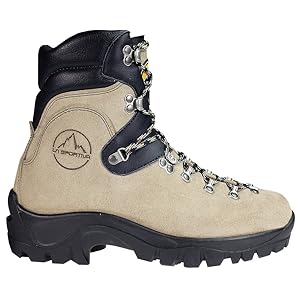
- Upper: Idro-Perwanger leather with heat-resistant treatment
- Lining: Dry-Best and insulated synthetic fabric
- Midsole: Polyurethane with shock-absorbing layer
- Outsole: Vibram with aggressive traction pattern
The La Sportiva Glacier WLF is a specialized boot built for wildland firefighting and mountaineering use. Its heat-resistant leather and sole construction make it uniquely suited for environments where exposure to high temperatures is possible. Beyond fire-specific work, it doubles as a sturdy mountaineering and trekking boot, offering excellent ankle support and underfoot cushioning for long, strenuous days in rough terrain. Its Vibram sole provides reliable traction on rocky and uneven surfaces, while the Dry-Best lining wicks away moisture to keep feet cool.
Although not as technical as dedicated alpine boots, the Glacier WLF performs well for heavy backpacking, glacier travel, and rugged approaches. Its focus on durability makes it a long-lasting boot, though it does come at the cost of extra weight compared to lighter synthetic options. The boot’s stiffness supports crampon use, but it may feel overly rigid for casual hiking. Overall, the Glacier WLF is a highly durable option for users who value toughness and heat resistance in addition to mountaineering performance.
Pros:
- Extremely durable and heat resistant
- Good ankle support for heavy loads
- Moisture-wicking lining improves comfort
- Strong traction on rocky terrain
Cons:
- Heavier than many 3-season boots
- Overly stiff for casual treks
6. Salomon X-Ultra (Women’s)
- Upper: Synthetic mesh with protective overlays
- Lining: Gore-Tex waterproof membrane
- Midsole: EnergyCell EVA cushioning
- Outsole: Contagrip MA with multidirectional lugs
The Salomon X-Ultra is a lightweight hiking shoe tailored for women seeking agility and comfort on varied trails. Built with a Gore-Tex waterproof lining, it ensures feet remain dry without compromising breathability. The Contagrip outsole delivers dependable traction on slippery surfaces, making it a solid choice for fast hikers and backpackers tackling muddy or rocky conditions. Unlike heavier boots, the low-cut design favors speed and mobility, appealing to those who prioritize lightweight performance.
Comfort is the strongest point of the X-Ultra. The EnergyCell EVA midsole cushions each step, reducing fatigue over long distances. Its snug fit and lightweight feel make it suitable for technical trails where agility is more important than heavy-duty protection. That said, because of its low-cut profile, it lacks the ankle support and stiffness needed for alpine climbs or heavy loads. For 3-season hiking, trekking, and light mountaineering approaches, it is a reliable and agile choice.
Pros:
- Lightweight and highly comfortable
- Waterproof yet breathable Gore-Tex lining
- Excellent traction on wet and rocky trails
- Cushioned midsole reduces fatigue
Cons:
- Low-cut design lacks ankle support
- Not suitable for technical mountaineering
7. Columbia Newton Ridge Plus II
- Upper: PU-coated leather, suede, and mesh combination
- Lining: Omni-Tech waterproof seam-sealed membrane
- Midsole: Lightweight Techlite EVA cushioning
- Outsole: Omni-Grip non-marking rubber traction
The Columbia Newton Ridge Plus II is a budget-friendly hiking boot that delivers reliable waterproof protection and comfort for casual hikers. With its Omni-Tech waterproof membrane, it performs well in wet conditions, keeping feet dry on rainy treks or muddy trails. The PU-coated leather and suede construction offer durability without excessive weight, while the mid-cut design provides moderate ankle support. Its Techlite EVA midsole ensures a cushioned stride, making it suitable for long day hikes and weekend backpacking trips.
While it doesn’t match the technical precision of high-end mountaineering boots, the Newton Ridge Plus II excels as a dependable entry-level option. Its Omni-Grip outsole provides steady traction across different surfaces, though performance on steep or icy alpine terrain is more limited. The affordability makes it an attractive choice for recreational hikers who don’t need crampon compatibility or extreme durability. Overall, it strikes a solid balance between comfort, waterproofing, and cost-effectiveness, making it a popular choice for everyday adventurers.
Pros:
- Affordable without compromising essentials
- Reliable waterproofing with Omni-Tech membrane
- Lightweight and comfortable cushioning
- Decent ankle support for hiking
Cons:
- Limited technical performance for mountaineering
- Less durable than premium leather models
How to Choose 3-Season Mountaineering Boots
Mountaineering is as much about preparation as it is about adventure. One of the most crucial pieces of gear for any climber or trekker is the mountaineering boot. Unlike regular hiking footwear, mountaineering boots are designed to provide stability, insulation, and protection in challenging conditions. Among the various types available, 3-season mountaineering boots are popular for their balance between versatility and comfort. They are built to handle spring, summer, and autumn conditions, making them suitable for alpine trekking, glacier travel, technical scrambling, and some lower-elevation snow climbs.
But with so many options on the market, how do you select the right pair? Choosing 3-season boots requires a careful evaluation of the terrain, climate, and your personal needs. Below, we’ll break down the essential factors to consider before making your investment.
1. Understanding What 3-Season Mountaineering Boots Are
3-season mountaineering boots are designed for use in spring, summer, and autumn. They are generally lighter and more flexible than 4-season boots (which are built for extreme cold and technical winter climbing), but sturdier and warmer than standard hiking boots.
These boots are ideal for:
- Alpine trekking with mixed rock, snow, and ice terrain.
- Glacier crossings that require crampon compatibility.
- Technical scrambles where foot stability is key.
- Climbs that don’t involve prolonged exposure to extreme cold.
In short, they are a middle ground: tough enough to handle harsh terrain, but not so stiff and insulated that they’re uncomfortable for moderate weather or less demanding routes.
2. The Importance of a Proper Fit
No matter how advanced the boot, a poor fit can ruin your trip—or worse, cause injuries. Fit should always be your first priority when choosing 3-season mountaineering boots.
Tips for Ensuring a Good Fit:
- Toe Room: Your toes should not hit the front of the boot when descending. Aim for about a thumb’s width of space.
- Heel Lock: Your heel should stay in place without excessive lift, which prevents blisters.
- Width: Some boots run narrow or wide. Choose one that matches your foot shape.
- Socks: Always try boots with the type of mountaineering socks you plan to wear.
A proper fit may take time, and it’s worth trying multiple brands. Each manufacturer designs their boots with slightly different “lasts” (foot molds), so a boot that works for one climber may not suit another.
3. Boot Materials: Leather vs. Synthetic
The material of the boot directly affects durability, weight, breathability, and waterproofing.
- Full-Grain Leather: Durable and water-resistant, leather provides excellent support and longevity. However, it is heavier and requires regular maintenance.
- Synthetic Fabrics (Nylon, Synthetic Leather, Mesh): Lightweight, often more breathable, and quicker to dry, but may not last as long under heavy use.
- Hybrid Designs: Many 3-season boots combine leather with synthetic panels, offering a balance of strength and reduced weight.
For most climbers, hybrids are ideal because they combine the rugged durability of leather with the comfort and breathability of modern fabrics.
4. Boot Stiffness and Flexibility
One defining feature of mountaineering boots is stiffness. Unlike flexible hiking boots, mountaineering boots are stiffer to provide stability on uneven ground, reduce foot fatigue, and improve crampon compatibility.
- Moderately Stiff Soles: Perfect for 3-season boots, allowing a blend of walking comfort and climbing precision.
- Rocky or Snowy Terrain: Stiffer soles help edge on rocks and provide a solid platform on snow.
- Too Soft = Instability; Too Stiff = Pain on long approaches.
Look for a boot that strikes a balance: stiff enough for technical terrain, but flexible enough for long treks.
5. Crampon Compatibility
One of the biggest reasons climbers invest in 3-season mountaineering boots is the ability to attach crampons for snow and glacier travel.
Crampons are classified as:
- C1 (Strap-On): Work with flexible boots, good for light snow travel.
- C2 (Hybrid/Semi-Automatic): Require a heel welt, ideal for moderate alpine climbs.
- C3 (Automatic): Require both heel and toe welts, used for highly technical ice climbing.
Most 3-season boots are compatible with C1 or C2 crampons, making them versatile for glacier crossings and mixed alpine conditions. Check the boot’s specifications carefully to ensure compatibility.
6. Insulation and Weather Resistance
Since these boots are designed for three seasons, they don’t need the extreme insulation of winter boots, but they must still handle cold mornings, wet snow, and high-altitude chills.
- Insulation: Many 3-season boots use lightweight insulation to keep feet warm without overheating.
- Waterproofing: Look for Gore-Tex or similar waterproof-breathable membranes. These keep water out while allowing sweat to escape.
- Breathability: Important for summer climbs to prevent sweaty, blister-prone feet.
Balance is key: enough warmth for alpine mornings, but breathable enough for warm approaches.
7. Weight Considerations
Every gram matters when you’re climbing or trekking for long hours. Heavy boots can tire your legs quickly.
- Lighter Boots: Easier to hike in, reduce fatigue, but may sacrifice some durability.
- Heavier Boots: Offer more protection and stability but can slow you down.
For 3-season use, aim for boots that are sturdy but not excessively heavy—usually between 1.5 to 2.2 kg per pair.
8. Traction and Outsoles
The outsole determines how well your boots grip rock, ice, or dirt.
- Deep Lugs: Help with muddy or snowy approaches.
- Climbing Zones: Some soles have flat rubber at the toe for precise edging on rock.
- Durability: Vibram soles are the industry standard for mountaineering boots, known for excellent traction and wear resistance.
Always check how aggressive the tread pattern is, depending on your expected terrain.
9. Ankle Support and Height
3-season mountaineering boots typically have a high cut for ankle support. This prevents injuries on uneven terrain and provides stability while carrying heavy packs.
- Higher Ankle: More support, better for snow and rocky terrain.
- Lower Ankle: Lighter and more flexible, better for long approaches.
Again, the right choice depends on the balance of comfort vs. support you require.
10. Breaking In Your Boots
Even the best boots need to be broken in before a big climb. Wearing them on shorter hikes allows the materials to mold to your feet, reducing the risk of blisters and discomfort. Break-in time is especially important for leather boots, which are stiffer at first.
11. Cost and Investment
Quality mountaineering boots are not cheap. Expect to pay anywhere from $250 to $600 for a good pair of 3-season boots. While this may seem expensive, remember that boots are your primary defense against harsh terrain and injuries. A durable, well-fitted pair can last years if cared for properly.
12. Maintenance Tips
To extend the life of your boots:
- Clean them after every trip.
- Dry them at room temperature (avoid direct heat).
- Treat leather with waterproofing wax or conditioner.
- Store them in a cool, dry place.
Proper maintenance ensures your investment pays off in the long run.
Conclusion
Choosing the right 3-season mountaineering boots is not a one-size-fits-all decision. It requires careful consideration of fit, materials, stiffness, crampon compatibility, insulation, weight, and cost. A good pair should support you across a range of terrains and conditions—stable enough for glaciers, warm enough for chilly mornings, yet breathable enough for long summer approaches.
In mountaineering, your boots are more than just footwear; they are your foundation, your protection, and your connection to the mountain. Take your time when selecting them, try multiple options, and invest in the best pair you can afford. With the right boots, you’ll not only enhance performance but also ensure comfort and safety on every adventure.