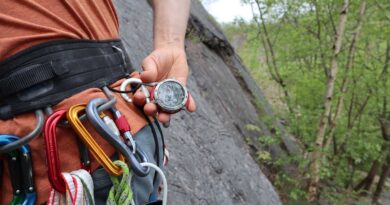

Best Ascenders For Tree Climbing of 2025
Tree climbing is an exciting activity that combines adventure, skill, and safety, whether you do it for work, rescue, or recreation. One of the most important tools for climbing is an ascender, a device that helps you move smoothly and securely up a rope without slipping back. The right ascender can make your climb easier, safer, and less tiring by giving you a strong grip and steady support. Since there are many types available, choosing the best one depends on comfort, durability, and the kind of climbing you plan to do. In this article, we’ll explore the best ascenders for tree climbing.
1. NewDoar Foot Ascender Loop for Climbing Tree Arborist
- Material: High-strength aluminum alloy with durable webbing strap
- Rope Compatibility: 8–12 mm
- Weight: Approximately 220 grams
- Orientation: Suitable for both left and right foot use
The NewDoar Foot Ascender Loop is a reliable choice for arborists and climbers who want efficiency and comfort during ascents. Designed with a strong aluminum frame and reinforced webbing, it provides a secure attachment to the climber’s boot. Its compact and lightweight build makes it an ideal option for long climbing sessions where every ounce matters. The ascender’s smooth rope interface minimizes friction, ensuring fluid upward movement without unnecessary rope wear.
This model is versatile, catering to different rope sizes and both foot orientations, making it a good fit for climbers who switch sides during use. Its durability and ease of operation have made it popular among arborists and tree workers who rely on consistent performance in demanding environments. Although it lacks some of the fine adjustments found in higher-end models, its simplicity and strength make it an excellent entry-level or backup option.
Pros:
- Lightweight and compact design
- Versatile for both feet
- Affordable option for beginners
- Smooth rope handling
Cons:
- Limited adjustability compared to premium models
- Straps may wear faster under heavy use
2. WILDKEN Climbing Ascender Rope Grab Device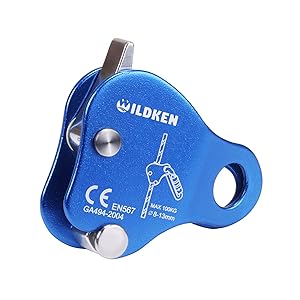
- Material: Aviation-grade aluminum alloy
- Rope Compatibility: 8–13 mm
- Certification: CE certified safety device
- Weight: 240 grams
The WILDKEN Climbing Ascender doubles as both a rope grab and fall protection device, making it suitable for diverse climbing scenarios. Constructed from aviation-grade aluminum alloy, it strikes a balance between strength and lightweight convenience. It grips ropes efficiently and provides a stable hold during ascents, making it a dependable companion for arborists, mountaineers, and rescue operations.
In practice, this ascender is well-regarded for its multifunctional use. It can serve in aerial work, rescue setups, and expedition climbing, offering adaptability where other ascenders may be limited. Its design ensures quick attachment and release, which enhances overall climbing efficiency. However, due to its relatively basic ergonomics, it might not be the most comfortable for prolonged, repetitive climbs compared to more specialized hand or foot ascenders.
Pros:
- Sturdy build with strong grip
- Suitable for multiple applications
- Lightweight and portable
- CE safety certified
Cons:
- Basic ergonomics may reduce comfort
- Less specialized for tree climbing compared to dedicated foot/hand ascenders
3. AOKWIT UIAA & CE Certified Rope Ascender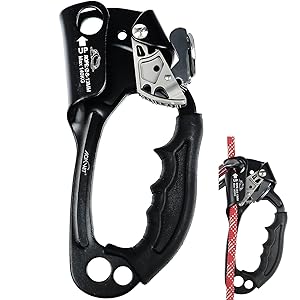
- Material: High-strength aluminum magnesium alloy
- Rope Compatibility: 8–12 mm
- Certification: UIAA & CE certified
- Weight: 250 grams
The AOKWIT Rope Ascender stands out for its dual safety certifications, making it a trustworthy piece of equipment for professional and recreational climbers alike. Its sturdy aluminum-magnesium alloy body ensures both lightweight handling and durability in rugged conditions. The ascender is designed for smooth rope progression, reducing drag and improving efficiency during ascents.
In use, climbers appreciate the security it provides, especially in rescue and arborist contexts where equipment reliability is non-negotiable. It grips well without damaging ropes, which enhances longevity for both gear and climbing lines. While it’s excellent for general climbing and rope access work, some may find its design slightly bulkier compared to more streamlined options. Nonetheless, its safety certifications provide peace of mind and make it an attractive option for professionals.
Pros:
- Certified for safety (UIAA & CE)
- Durable alloy construction
- Reliable grip without rope damage
- Suitable for professional use
Cons:
- Slightly bulkier than ultralight models
- Not as ergonomic for one-handed operation
4. QKURT Right Hand Ascender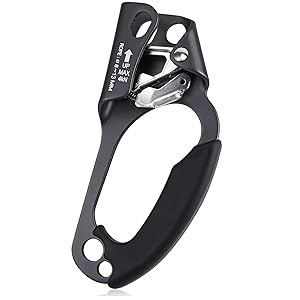
- Material: Lightweight aluminum alloy
- Rope Compatibility: 8–13 mm
- Orientation: Right-hand specific design
- Weight: 225 grams
The QKURT Right Hand Ascender is designed for climbers who prioritize efficiency and ergonomics in their rope ascents. Its curved handle and smooth cam action allow for comfortable and secure climbing, especially during long ascents. The lightweight aluminum alloy frame provides a solid balance of strength and portability, making it easy to carry without sacrificing reliability.
This ascender is tailored for right-hand operation, offering excellent grip and reducing hand fatigue with its ergonomic design. Arborists and climbers alike value its secure rope engagement, which prevents slippage while maintaining a smooth upward motion. While it is a dependable piece of gear, its limitation to right-hand use means left-handed climbers will need an alternative. Additionally, although well-built, it may not withstand the same level of abuse as more robust professional-grade options.
Pros:
- Ergonomic right-hand grip
- Smooth cam action for rope handling
- Lightweight yet durable
- Ideal for long ascents
Cons:
- Not suitable for left-handed use
- Slightly less robust for heavy-duty industrial climbing
5. RESQT Foot Ascender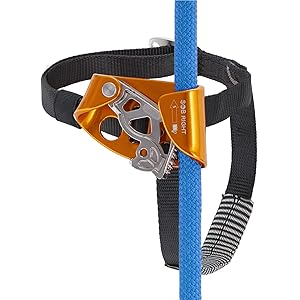
- Material: Aluminum alloy with reinforced straps
- Rope Compatibility: 8–13 mm
- Orientation: Designed for left or right foot use
- Weight: 230 grams
The RESQT Foot Ascender is built for climbers and arborists looking to streamline their ascents with minimal effort. Its lightweight aluminum frame and reinforced straps provide both durability and comfort during climbing. The device engages smoothly with the rope, allowing climbers to ascend efficiently while reducing strain on the upper body.
This foot ascender has gained popularity among arborists for its reliability and ease of use in repetitive climbing tasks. It helps distribute climbing workload effectively, making it a valuable companion for extended tree work. However, some users may find that strap adjustments take time to fine-tune, and frequent heavy use could wear down the straps faster than expected. Despite these minor drawbacks, it remains an excellent choice for climbers seeking efficiency.
Pros:
- Smooth rope engagement
- Lightweight and durable
- Suitable for both feet
- Great for reducing upper body fatigue
Cons:
- Strap adjustments can be time-consuming
- Straps may wear under prolonged heavy use
6. WILDKEN Foot Ascender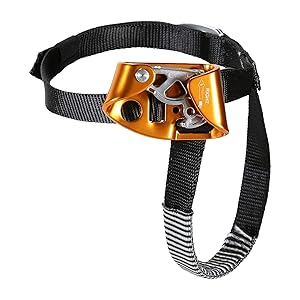
- Material: High-strength aluminum alloy
- Rope Compatibility: 8–12 mm
- Orientation: Available for both left and right feet
- Weight: 210 grams
The WILDKEN Foot Ascender is an efficient tool for tree climbers and mountaineers who want reliable upward mobility. Built from high-strength aluminum alloy, it provides durability without adding excess weight. Its design accommodates both left and right-foot configurations, making it adaptable to various climbing preferences.
This ascender’s smooth cam system ensures secure rope engagement while maintaining minimal friction. It allows climbers to focus on technique rather than gear management. While it performs admirably in tree climbing and rappelling setups, some users note that the strap system could be more comfortable for extended wear. Overall, the WILDKEN Foot Ascender is a cost-effective solution for climbers who need a lightweight, reliable device.
Pros:
- Lightweight design
- Options for left or right foot
- Smooth rope engagement
- Affordable and practical
Cons:
- Strap comfort could be improved
- May not hold up as long as premium models under heavy use
7. Wild Country Ropeman 1 Ascender
- Material: Alloy steel construction
- Rope Compatibility: 10–13 mm
- Weight: 165 grams
- Function: Rope clamp and ascender for multiple uses
The Wild Country Ropeman 1 is a versatile and lightweight rope clamp designed for climbers, arborists, and hunters alike. Its compact alloy steel body ensures excellent durability while keeping the overall weight low. Compatible with ropes between 10 and 13 mm, it functions effectively as both an ascender and a secure rope clamp in rigging setups.
In practice, climbers appreciate the Ropeman 1 for its smooth operation and quick setup. Its small size makes it easy to carry, yet it delivers robust performance when engaged. Ideal for backup safety, hauling systems, and emergency ascents, it has become a favorite for those who need multi-purpose gear. However, its limited rope compatibility range and smaller build may restrict its application compared to specialized foot or hand ascenders.
Pros:
- Extremely lightweight
- Durable alloy construction
- Multipurpose use (climbing, rigging, hunting)
- Easy to carry and deploy
Cons:
- Limited rope compatibility (10–13 mm only)
- Less ergonomic for extended climbing use
How to Choose Ascenders for Tree Climbing
Tree climbing, whether for arboriculture, recreational purposes, or canopy research, requires a specialized set of gear to ensure both safety and efficiency. Among the most vital tools are ascenders—mechanical devices that allow climbers to ascend ropes with controlled movements. Selecting the right ascenders is not just a matter of comfort but also of safety, performance, and compatibility with your climbing system. With so many options available, it can be overwhelming for both beginners and seasoned climbers to decide which ascenders best suit their needs.
This guide will walk you through everything you need to know about choosing ascenders for tree climbing, including types, features, rope compatibility, ergonomic considerations, and key safety tips.
What Are Ascenders?
Ascenders are mechanical rope-grabbing devices designed to grip a rope in one direction and slide freely in the other. They incorporate a camming mechanism that locks onto the rope when downward force is applied, preventing slippage. In tree climbing, they’re essential for ascending into the canopy efficiently and safely.
There are multiple styles of ascenders, each suited for different climbing techniques, body positioning, and tree conditions.
Types of Ascenders
1. Hand Ascenders
- Design: These are handheld devices with a comfortable grip and a cam system that locks onto the rope.
- Use: Commonly used in single rope technique (SRT) climbing systems.
- Advantages: Easy to operate, efficient for long ascents, available in right- and left-hand versions.
- Best for: Arborists and recreational climbers who frequently ascend long distances.
2. Chest Ascenders
- Design: Smaller devices designed to be attached at chest level, often integrated with a harness.
- Use: Keeps the climber upright and maintains tension in the climbing system.
- Advantages: Hands-free function, reduces energy expenditure, improves efficiency.
- Best for: Long climbs where maintaining posture is critical.
3. Foot Ascenders
- Design: Compact ascenders strapped to the climber’s foot.
- Use: Allow climbers to “walk” up the rope by pushing with their legs.
- Advantages: Major energy savings, as leg muscles are stronger than arms.
- Best for: Climbers who want to reduce upper-body strain.
4. Knee Ascenders (Optional)
- Design: Elastic or bungee-assisted ascenders attached between harness and foot loop.
- Use: Provides smooth upward progress when used with foot and chest ascenders.
- Advantages: Creates a fluid climbing motion, reduces fatigue.
- Best for: Experienced climbers seeking maximum efficiency.
Most climbers use a combination of ascenders—such as hand + chest, or foot + chest—for the most efficient climbing setup.
Key Factors to Consider When Choosing Ascenders
1. Rope Compatibility
Ascenders are designed to work with specific rope diameters. Typical arborist ropes range from 10 mm to 13 mm. Using an ascender with the wrong rope diameter can lead to slippage or rope damage. Always check the manufacturer’s specifications and ensure your rope and ascender are compatible.
2. Cam Design
The cam is the heart of the ascender. Two common designs are:
- Toothed cams: Offer strong grip, even on muddy or wet ropes. However, they can wear down rope fibers faster if misused.
- Smooth/slotted cams: Gentler on ropes but may slip in extreme conditions.
For tree climbing, toothed cams are generally preferred, but climbers must use them carefully to prevent rope abrasion.
3. Ergonomics and Comfort
Climbing often involves long periods of physical exertion. An ergonomic design reduces fatigue and improves safety. Look for:
- Hand ascenders with rubber grips and contoured handles.
- Foot ascenders that fit securely without twisting.
- Chest ascenders that sit flush with your body without interfering with breathing or movement.
4. Weight and Portability
Lightweight ascenders are easier to carry during long climbs. However, ultra-light gear may compromise durability. Strike a balance between weight and strength, especially if you’re climbing frequently.
5. Durability and Build Quality
Ascenders are usually made from aluminum alloy or steel. Aluminum ascenders are lighter but may wear faster, while steel models are more robust but heavier. For arborists who climb daily, durability should be a top priority.
6. Attachment Points
Check how the ascender integrates with your harness and other gear. Multiple attachment holes allow for flexibility in positioning tethers, lanyards, or carabiners.
7. Safety Certifications
Look for ascenders that meet international safety standards such as CE, EN, or UIAA certifications. These ensure the device has undergone rigorous testing for reliability and safety.
Popular Ascender Setups in Tree Climbing
Different climbers prefer different setups depending on their technique and climbing goals:
- Hand Ascender + Foot Ascender: Popular for beginners and recreational climbers; provides balance between upper- and lower-body effort.
- Chest Ascender + Foot Ascender: Efficient system that keeps the climber upright, reducing energy usage.
- Hand + Chest + Foot + Knee Ascender: A four-point system for maximum efficiency, often used by professional arborists on long climbs.
The right choice depends on your climbing style, rope system (SRT or DRT), and personal comfort.
Tips for Safe and Efficient Use
- Inspect Regularly: Check ascenders before every climb for cracks, worn cams, or malfunctioning springs.
- Keep Ropes Clean: Dirt and sap can affect cam performance. A dirty rope can also wear down toothed cams faster.
- Avoid Cross-Loading: Ensure carabiners and connectors are properly aligned to prevent dangerous stress on the ascender.
- Practice Technique: Ascenders are only as safe as the climber’s skill. Train in controlled environments before tackling big trees.
- Redundancy: Use backup systems such as lanyards or friction hitches when ascending, especially at greater heights.
Recommended Brands for Tree Climbing Ascenders
Several trusted manufacturers specialize in high-quality climbing gear:
- Petzl (popular for hand, chest, and foot ascenders like the Petzl Ascension, Croll, and Pantin)
- Camp (lightweight and durable models)
- Kong (robust Italian-made gear for professionals)
- Climbing Technology (CT) (ergonomic and versatile designs)
Investing in reliable brands ensures long-term safety and performance.
Common Mistakes to Avoid
- Using incompatible rope sizes (too thin or too thick for the cam system).
- Relying on a single ascender without a backup—reduces safety margin.
- Neglecting maintenance—dirt and rust can compromise performance.
- Improper tethering—incorrect connections can cause dangerous cross-loading.
- Ignoring ergonomics—poorly fitted ascenders cause fatigue and increase risk of mistakes.
Conclusion
Choosing the right ascenders for tree climbing is a crucial step in building a safe and efficient climbing system. The decision depends on several factors: rope compatibility, type of ascender (hand, chest, foot, or knee), ergonomics, durability, and certifications. For most climbers, a combination system—such as a chest ascender paired with a foot ascender—provides the best balance between safety and efficiency.
Invest in reputable brands, prioritize comfort and safety, and always train with your gear before attempting high ascents. With the right ascenders, you can climb more efficiently, reduce fatigue, and most importantly, ensure a secure experience while exploring the treetops.