
Best Rock Climbing Gloves of 2025
Rock climbing is an exciting sport that challenges both your body and mind, but it also puts a lot of stress on your hands. Sharp rocks, rope friction, and long hours of climbing can cause blisters, cuts, and discomfort, which is why having the right pair of climbing gloves is so important. The best rock climbing gloves are designed to protect your skin, improve grip, and give you better control while climbing. Whether you are bouldering, sport climbing, or tackling a big wall, the right gloves can make your climb safer and more enjoyable. In this guide, we’ll look at the best climbing gloves for different needs and styles.
1. Ocun Crack Gloves Pro
Technical Specifications
- Material: Synthetic microfiber with strong rubber adhesive
- Closure: Velcro strap with protective cover
- Thickness: Slim profile for maximum crack sensitivity
- Weight: Lightweight design for long sessions
The Ocun Crack Gloves Pro are a top choice for climbers who want both protection and sensitivity when tackling cracks. These gloves are designed with advanced crack climbers in mind, featuring a thin rubberized exterior that offers excellent friction while maintaining a natural hand feel inside the crack. The Velcro closure is cleverly protected, preventing it from getting caught or frayed while jamming. This thoughtful design helps climbers fully commit to their movements without distractions.
Durability is also a highlight, as the synthetic materials resist wear even after repeated use on abrasive rock types like granite and sandstone. Despite their robust build, they remain lightweight and comfortable, making them suitable for multi-pitch climbs where comfort and endurance matter. Climbers report that the gloves balance toughness with flexibility, allowing precise hand placement without feeling bulky.
Pros:
- Excellent crack friction and sensitivity
- Protected Velcro strap prevents snagging
- Lightweight yet durable design
- Comfortable for extended climbs
Cons:
- Not ideal for general belaying use
- Slightly pricey compared to basic crack gloves
2. Ocun Crack Gloves
- Material: Durable microfiber with rubber adhesive
- Closure: Velcro fastening system
- Palm: Textured rubber surface for grip
- Coverage: Full backhand protection
The Ocun Crack Gloves are a more standard version compared to the Pro model but still deliver reliable performance for crack climbers. Built with durable microfiber and a rubberized surface, they protect the back of the hand from abrasions while enhancing friction inside cracks. The Velcro closure system keeps them snug, and they are easy to slip on and off, making them practical for training sessions or crag days.
Their design emphasizes backhand protection, allowing climbers to push harder into cracks without worrying about painful scrapes or cuts. While slightly less refined than the Pro edition, these gloves are favored by beginners and intermediate climbers who want reliable crack climbing gear without spending as much. They still provide a good balance between comfort and performance, making them a dependable partner for vertical adventures.
Pros:
- Good backhand protection
- Affordable compared to the Pro version
- Easy to put on and remove
- Enhances friction in cracks
Cons:
- Slightly bulkier than the Pro model
- Not versatile for non-crack climbing uses
3. Metolius 3/4 Climbing Glove
- Material: Cowhide leather with triple stitching
- Coverage: 3/4 finger length for dexterity
- Closure: Elastic wrist with Velcro strap
- Palm: Reinforced leather padding
The Metolius 3/4 Climbing Glove is built for climbers who need durability and dexterity in a single package. The cowhide leather construction provides reliable protection against abrasion, while the reinforced palms handle rope friction and rough rock surfaces. With its 3/4 finger length, it offers a strong balance between finger coverage and movement flexibility. This makes it a versatile choice for belaying, rappelling, and general climbing protection.
Its rugged design ensures long-lasting performance, especially for climbers who push their gear hard in outdoor environments. The gloves are slightly heavier than synthetic crack gloves, but they trade that weight for superior protection and longevity. Climbers who prioritize durability over ultra-light gear will find these a practical choice, particularly for trad climbing and belay use.
Pros:
- Extremely durable cowhide construction
- Great palm protection against ropes
- 3/4 design allows good dexterity
- Reliable for belaying and rappelling
Cons:
- Heavier than synthetic options
- Less sensitivity for pure crack climbing
4. INTRA-FIT Rope Gloves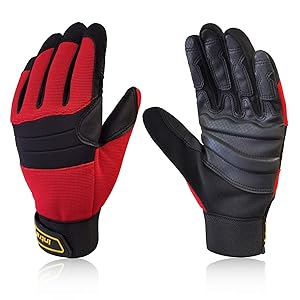
- Material: Synthetic leather with mesh back
- Closure: Adjustable Velcro strap
- Palm: Double-layer anti-slip padding
- Finger Length: Full-finger protection
The INTRA-FIT Rope Gloves are purpose-built for climbers who deal with ropes regularly, whether belaying, rappelling, or working with fixed lines. Their synthetic leather construction combined with anti-slip palm padding ensures excellent grip and protection against rope burns. The full-finger coverage maximizes safety, especially when handling ropes under heavy load. Ventilation is improved with a breathable mesh back, making them suitable for long days of use in varying weather conditions.
Climbers will appreciate their comfort during repeated belays or rope work, as the gloves reduce hand fatigue while ensuring security. While they are not specialized for crack climbing, they excel in scenarios where grip on ropes and prolonged hand use are critical. Affordable and dependable, these gloves are a solid option for both recreational and professional climbers who prioritize rope management safety.
Pros:
- Excellent rope handling grip
- Breathable mesh back reduces sweat
- Affordable and versatile
- Durable synthetic material
Cons:
- Not optimized for crack climbing
- Slightly bulky for precise rock moves
5. Black Diamond Crag Half-Finger
- Material: Synthetic leather with breathable stretch mesh
- Coverage: Half-finger design
- Closure: Hook-and-loop wrist strap
- Weight: Lightweight and low-profile
The Black Diamond Crag Half-Finger Gloves are a favorite among climbers for belaying and general rope work. Their half-finger design provides a strong balance of protection and dexterity, allowing climbers to manage knots, belay devices, and ropes with ease. Built with synthetic leather and breathable mesh, they are comfortable to wear even in warm weather.
These gloves are especially appreciated by sport climbers and gym belayers who need quick rope handling without sacrificing tactile feel. While they don’t offer full protection like crack gloves, they shine in belay scenarios, where grip and dexterity are most important. They are budget-friendly as well, making them an accessible choice for both new and experienced climbers.
Pros:
- Excellent for belaying and rope work
- Lightweight and breathable
- Affordable price point
- Allows knot handling with ease
Cons:
- Limited hand protection for cracks
- Not as durable as leather gloves
6. Black Diamond Stone Gloves
- Material: Goat leather with reinforced palm
- Coverage: Full-finger design
- Closure: Hook-and-loop strap
- Durability: Double-stitched seams for longevity
The Black Diamond Stone Gloves are designed for serious climbers who need robust full-finger protection. Crafted from goat leather, they offer both comfort and resilience, with reinforced palms that handle rope friction and abrasive rock effectively. Their construction ensures a snug fit, and the closure system secures them tightly during climbs or rappels.
These gloves are especially suited for trad climbers and those working with fixed lines where durability and protection matter most. While not as thin or sensitive as crack-specific gloves, their all-around performance makes them a dependable piece of gear. They strike a balance between toughness and comfort, making them an investment for long-term use.
Pros:
- Durable goat leather construction
- Excellent palm reinforcement
- Reliable for belaying, rappelling, and trad climbing
- Comfortable fit with secure closure
Cons:
- Less crack sensitivity compared to Ocun gloves
- Slightly heavier than synthetic alternatives
7. HWI TFR100 Tactical Rope Gloves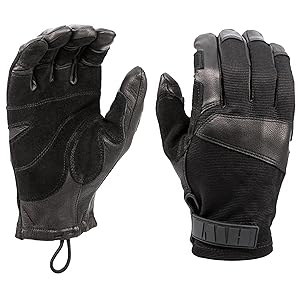
Technical Specifications
- Material: Fire-resistant Kevlar blend with leather palm
- Coverage: Full-finger tactical design
- Closure: Adjustable wrist strap
- Durability: Heat- and abrasion-resistant build
The HWI TFR100 Tactical Fast Rope Gloves are engineered with tactical-grade protection, making them highly durable for climbing, rappelling, and rope-intensive activities. Constructed from a Kevlar blend with a reinforced leather palm, they provide outstanding resistance to heat and abrasion. This makes them ideal not just for climbers but also for military and rescue applications.
In climbing contexts, they excel at rope handling, ensuring maximum safety during descents or heavy rope work. Their tactical-grade materials may feel overbuilt for casual climbers, but for professionals who need unmatched toughness, these gloves are worth the investment. They are not optimized for delicate crack climbing, but when durability and safety are paramount, the TFR100 stands out as one of the toughest options available.
Pros:
- Extremely tough Kevlar build
- Heat- and abrasion-resistant
- Excellent for rappelling and heavy rope use
- Long-lasting performance
Cons:
- Overbuilt for casual climbing needs
- Less dexterity compared to lighter gloves
Here’s a detailed 1000-word article for you on How to Choose Rock Climbing Gloves:
How to Choose Rock Climbing Gloves
Rock climbing demands strength, focus, and proper gear. While shoes, harnesses, and helmets are often prioritized, many climbers underestimate the importance of rock climbing gloves. Whether you’re crack climbing, belaying, rappelling, or tackling via ferrata routes, the right pair of gloves can protect your hands, enhance grip, and improve comfort. But with so many types and styles available, how do you pick the best climbing gloves for your needs?
This guide breaks down everything you need to know about choosing rock climbing gloves, from material and fit to specialized features and use cases.
Why Rock Climbing Gloves Matter
Climbing exposes your hands to constant friction, pressure, and sharp surfaces. Gloves serve multiple purposes depending on the type of climbing you do:
- Protection – Prevents cuts, scrapes, and blisters, especially during crack climbing or handling ropes.
- Grip – Helps maintain a secure hold on ropes, belay devices, and rock surfaces.
- Comfort – Reduces hand fatigue during long climbs and descents.
- Safety – Minimizes rope burns and accidents when belaying or rappelling.
Choosing the wrong type of gloves—or climbing without them—can quickly turn an enjoyable climb into a painful experience.
Types of Rock Climbing Gloves
Different climbing styles require different gloves. Here are the main categories:
1. Belay and Rappel Gloves
Designed to handle ropes, these gloves provide excellent protection against friction and burns. They’re usually made of durable leather or synthetic leather with reinforced palms.
- Best for: Belaying, rappelling, top-rope climbing, and rescue work.
- Key features: Full-finger design, thick padding, strong stitching, carabiner loops for clipping.
2. Crack Climbing Gloves
Crack climbers wedge their hands into rock fissures, so gloves here act as a second skin. They’re typically thin, with rubber or synthetic layers that mimic natural skin friction.
- Best for: Crack climbing and trad climbing.
- Key features: Fingerless design, snug fit, rubberized back for jamming, minimal bulk.
3. Fingerless Climbing Gloves
These strike a balance between protection and dexterity. The open-finger design provides sensitivity and freedom of movement while protecting the palms.
- Best for: Multi-pitch climbs, belaying, and general climbing where rope handling is frequent.
- Key features: Exposed fingertips, padded palms, breathable materials.
4. Full-Finger Climbing Gloves
These offer maximum coverage and protection. While they sacrifice some dexterity, they’re great for long descents, rescue operations, and cold conditions.
- Best for: Belaying, rappelling, big wall climbing, cold-weather climbing.
- Key features: Full coverage, strong grip, reinforced stress points.
5. Via Ferrata Gloves
Specifically made for via ferrata routes, these gloves are usually fingerless with padded palms to handle cables and ladders. They’re lightweight but durable.
- Best for: Via ferrata and mixed climbing routes.
- Key features: Breathable design, fingerless style, strong grip materials.
Key Factors to Consider When Choosing Climbing Gloves
When picking the right climbing gloves, keep these important aspects in mind:
1. Material
The material affects durability, grip, and comfort.
- Leather: Traditional choice, very durable, resistant to rope burns, molds to your hand over time. Downsides: heavier and less breathable.
- Synthetic Leather (e.g., microfiber): Lightweight, quick-drying, and flexible. Less durable than real leather but excellent for sport and casual climbing.
- Rubber/Neoprene: Common in crack climbing gloves, offering sticky friction for jamming.
Pro tip: If you’re crack climbing, go for synthetic/rubberized gloves. For belaying, leather or synthetic leather is ideal.
2. Fit
Fit is crucial. Gloves that are too loose will bunch up, reducing grip and control, while overly tight gloves cause discomfort.
- Snug but not restrictive is the golden rule.
- Ensure freedom of finger movement.
- Try them on with chalk if possible, as that may slightly affect fit.
3. Dexterity vs. Protection
Climbers need to balance protection with the ability to feel ropes and rocks.
- Dexterity-focused: Fingerless or thin crack gloves.
- Protection-focused: Full-finger belay gloves with reinforced palms.
4. Breathability
Climbing often happens in warm conditions, so sweaty hands can become a problem. Look for gloves with breathable mesh or perforated panels for better airflow.
5. Durability
Gloves undergo heavy wear and tear. Reinforced stitching, double-layered palms, and abrasion-resistant materials extend glove life significantly.
6. Weight and Bulk
Lightweight gloves are preferable for performance-focused climbing, while bulkier, padded gloves are better for protection during long rappels.
7. Closure System
Most climbing gloves come with adjustable wrist closures (Velcro or elastic). Secure closures keep the glove in place during climbs.
Matching Gloves to Your Climbing Style
To simplify your decision, here’s a quick guide:
- Sport climbing & indoor climbing → Rarely need gloves, but fingerless belay gloves are useful.
- Trad climbing & crack climbing → Crack-specific rubber gloves.
- Multi-pitch climbing → Lightweight fingerless gloves for belaying and rope management.
- Big wall climbing & rappelling → Full-finger belay gloves with thick leather.
- Via ferrata → Breathable fingerless gloves with good palm grip.
- Rescue or professional rope work → Heavy-duty full-finger gloves with reinforced stitching.
Caring for Your Climbing Gloves
To make your gloves last longer:
- Clean regularly – Wash leather gloves with mild soap and water; air dry (avoid direct sunlight). For synthetic gloves, machine wash if allowed.
- Store properly – Keep them in a dry, cool place away from moisture.
- Avoid over-chalking – Chalk buildup can harden gloves; wash them periodically.
- Rotate pairs – If you climb often, consider keeping two pairs (lightweight and heavy-duty).
Common Mistakes to Avoid When Buying Gloves
- Buying too thick gloves – Limits dexterity and grip.
- Ignoring size guides – Fit varies across brands, always check sizing charts.
- Overlooking ventilation – Non-breathable gloves can cause sweaty, slippery hands.
- One-size-fits-all thinking – Different climbing disciplines require different glove styles.
Final Thoughts
The right pair of rock climbing gloves depends on your style of climbing, environment, and personal preference. Crack climbers should lean toward rubberized, form-fitting gloves, while belayers and rappellers need durable, reinforced leather or synthetic gloves. Fingerless gloves strike a balance between dexterity and protection, while full-finger designs maximize safety for heavy rope work.
Remember: no single glove works best for all climbing situations. Many climbers keep multiple pairs in their kit and switch based on the route.
By considering material, fit, dexterity, durability, and climbing style, you can confidently choose gloves that protect your hands and enhance your performance on the rock.