
Best Climbing Holds of 2025
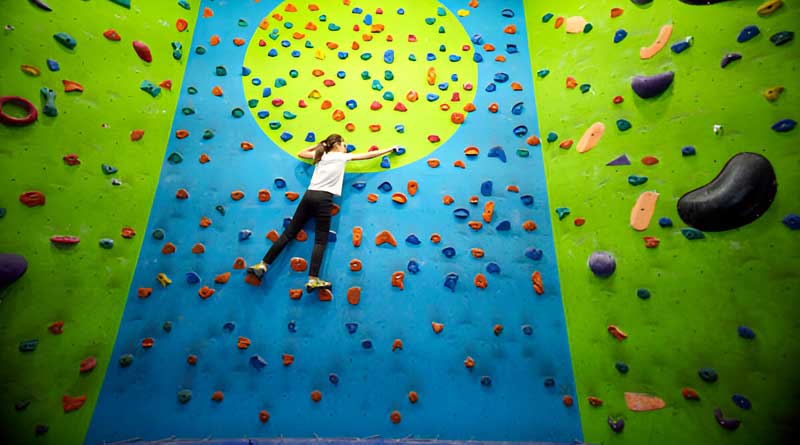
Climbing holds are the essential building blocks of any indoor climbing wall or training setup, giving climbers the grip and support they need to practice and improve. Whether you are a beginner just starting your climbing journey or an experienced climber looking to refine your skills, choosing the right holds can make a big difference in your training. From jugs and crimps to slopers and pinches, each type of hold challenges your strength and technique in a unique way. In this article, we will explore the best climbing holds available, helping you find the perfect options to build fun, safe, and effective climbing sessions at home or in the gym.
1. Atomik Rock Climbing Holds | Assorted Jugs Variety
- Material: Durable polyurethane resin for long-lasting use
- Set: Includes a variety of large jug-style holds (easy grip)
- Installation: Bolt-on design compatible with standard climbing bolts
- Texture: Skin-friendly surface with excellent friction
The Atomik Assorted Jugs Variety is one of the most reliable choices for climbers who want comfort and versatility. These holds are designed with large, rounded grips that feel natural in the hand, making them perfect for both beginners and advanced climbers who need jug-style holds for overhangs, warm-ups, or endurance training. Atomik has built a reputation for consistent quality, and this set maintains that standard, ensuring durability and a skin-friendly grip.
These holds stand out because they provide variety within the jug category, which means you can set up routes that feel different yet still accessible. The texture offers excellent friction without being overly abrasive, protecting your skin during longer sessions. They are also weather-resistant, making them suitable for both indoor and outdoor climbing walls. Whether you’re building a home wall or adding to a gym, this set delivers reliability and usability.
Pros
- Great for beginners and advanced climbers alike
- Comfortable, skin-friendly grips
- Strong and durable material
- Works well on overhangs and vertical walls
Cons
- Limited to jug-style holds (less variety in grip types)
- Requires proper bolts (not screw-on compatible)
2. Rocky Mountain Climbing Gear B5-BQD7-234H 25 Screw On Climbing Holds
- Material: High-strength composite resin
- Set: 25 screw-on holds in assorted shapes and sizes
- Installation: Screw-on design; works with wood panels
- Intended Use: Indoor and outdoor climbing walls
The Rocky Mountain Climbing Gear 25 Screw-On Set is a solid option for anyone wanting a mix of small, medium, and large holds at an affordable price. Unlike bolt-on holds, screw-on holds are easier to install on plywood walls, making this set great for DIY home walls and backyard climbing setups. The set provides a nice variety, ensuring climbers can practice different grips and techniques without needing multiple brands.
The durability of these holds is impressive for their price point, as the composite resin material can handle repeated use indoors or outdoors. However, they lean toward being smaller holds overall, making them more challenging for beginners but very useful for intermediate to advanced climbers who want to practice precision foot and hand placements. Overall, they offer great value for money and are easy to mount with basic tools.
Pros
- Affordable set with 25 holds included
- Easy installation on wooden walls
- Variety of shapes for training different techniques
- Works well for home climbing setups
Cons
- Smaller size makes them less beginner-friendly
- Mounting screws may not be included in all sets
3. Rock Holds 12 Bolt On Crimp Rock Climbing Holds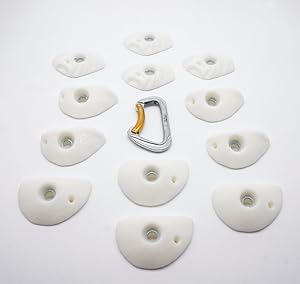
- Material: Durable polyurethane with natural rock texture
- Set: 12 bolt-on crimp-style holds
- Grip Type: Designed for crimping practice
- Installation: Requires standard climbing wall bolts and t-nuts
The Rock Holds 12 Bolt-On Crimps set is tailored for climbers who want to strengthen their finger power and improve crimping skills. These holds are textured to mimic natural rock, giving climbers a realistic outdoor feel while training indoors. They are small but effective, pushing climbers to develop better technique and finger strength.
Because they are crimp holds, this set is better suited for intermediate or advanced climbers. Beginners might find them too challenging, but for those training for outdoor bouldering or sport climbing, they provide an excellent tool. The durability is excellent, with the holds designed to withstand heavy usage without chipping or wearing down. They’re best used in combination with larger holds to create balanced routes.
Pros
- Realistic rock-like texture
- Great for training crimp grip strength
- Durable and long-lasting
- Ideal for advanced climbers’ home walls
Cons
- Not beginner-friendly
- Limited to crimp grip style only
4. TWO STONES Wooden Rock Climbing Holds
- Material: High-quality hardwood for a natural grip
- Set: Variety pack of screw-on wooden holds
- Finish: Smooth, skin-friendly surface with no sharp edges
- Installation: Includes mounting hardware for easy setup
The TWO STONES Wooden Climbing Holds bring a refreshing, natural feel to training walls. Made of high-quality hardwood, these holds are smooth, eco-friendly, and gentle on the skin, which makes them an excellent choice for long climbing sessions. Unlike resin or polyurethane holds, wooden holds do not wear down skin as quickly, making them popular among serious climbers who want to avoid injuries while training frequently.
This set includes a mix of shapes, giving route setters the ability to create diverse challenges. While they lack the friction of resin holds, the wooden surface trains climbers to rely more on finger strength and precise technique. They also look aesthetically pleasing on wooden climbing walls, making them a great addition to home gyms. These holds are best suited for climbers who want technical training while enjoying a skin-friendly option.
Pros
- Gentle on skin, great for long training sessions
- Eco-friendly and aesthetically pleasing
- Includes mounting hardware
- Promotes stronger finger technique
Cons
- Less friction compared to resin holds
- Not as grippy for absolute beginners
5. Everett & Avery Co. Premium Rock Climbing Holds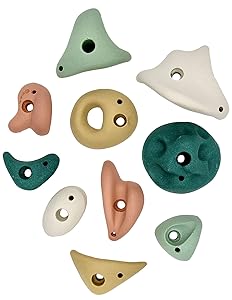
- Material: Strong, weather-resistant plastic
- Set: Designed for children’s climbing walls (indoor/outdoor use)
- Installation: Includes screws and mounting hardware
- Safety: Rounded, kid-friendly grips for secure climbing
The Everett & Avery Co. Kids’ Rock Climbing Holds are specifically made for children’s climbing walls, focusing on safety, fun, and ease of use. The holds are brightly colored, weather-resistant, and designed with rounded edges so kids can grip comfortably without risk of injury. The set works equally well indoors on a playroom wall or outdoors on a wooden playset.
Parents will appreciate the durability and straightforward installation with the included hardware. The grips are larger and easier to hold than standard climbing holds, giving kids the confidence to climb without struggling. While they are not intended for advanced climbing training, they are perfect for encouraging physical activity, building coordination, and creating a fun climbing environment at home.
Pros
- Safe, rounded holds designed for kids
- Bright, attractive colors
- Easy to install with included hardware
- Weather-resistant for outdoor playsets
Cons
- Not suitable for adult climbers
- Limited grip variety for training purposes
How to Choose Climbing Holds
Climbing holds are the foundation of any climbing wall. Whether you are setting up a home climbing wall, building a training system, or simply upgrading your gym wall, the holds you choose will determine how enjoyable, challenging, and effective your climbing sessions are. But with so many shapes, textures, and materials available, choosing the right climbing holds can feel overwhelming.
In this guide, we’ll break down everything you need to know about climbing holds—types, materials, textures, sizes, shapes, and how to select them based on your climbing goals.
1. Understanding the Basics of Climbing Holds
A climbing hold is any feature attached to a wall that a climber uses to grab, pull, push, or step on. They come in various shapes, textures, and difficulty levels, mimicking the diversity of natural rock. When choosing climbing holds, you’ll want a mix that provides balance between training and fun.
Key considerations include:
- Hold type (crimps, jugs, slopers, etc.)
- Material (polyurethane vs. polyester resin)
- Texture (grippy vs. smooth)
- Size and shape
- Wall angle (vertical, slab, or overhang)
2. Types of Climbing Holds
The first step in choosing climbing holds is understanding the different types available. A well-rounded wall usually contains a variety of holds that target different grip strengths and techniques.
a) Jugs
- What they are: Large, deep holds that are easy to grab.
- Best for: Beginners, warm-ups, endurance training, and steep overhangs.
- Why choose them: Jugs are the most comfortable and forgiving holds, perfect for resting and for building confidence.
b) Crimps
- What they are: Small edges requiring finger strength.
- Best for: Advanced climbers, finger strength development, and vertical walls.
- Why choose them: Crimps improve finger power but can be tough on tendons, so use them wisely.
c) Slopers
- What they are: Rounded holds with no obvious edge.
- Best for: Open-hand grip training, technique improvement, and body positioning.
- Why choose them: Slopers teach balance and subtlety, forcing climbers to rely on friction and body tension.
d) Pinches
- What they are: Holds that require squeezing with thumb and fingers.
- Best for: Grip variety, thumb strength, and overhangs.
- Why choose them: Pinches add diversity and replicate many natural rock features.
e) Pockets
- What they are: Holds with one to three finger holes.
- Best for: Training finger strength and accuracy.
- Why choose them: Common in limestone climbing, pockets help prepare for real rock.
f) Volumes
- What they are: Large, 3D features that change wall angles.
- Best for: Route setting creativity, adding variety, and making walls feel bigger.
- Why choose them: Volumes allow you to attach smaller holds and create dynamic movements.
3. Materials of Climbing Holds
The material of a climbing hold impacts grip, durability, and comfort.
Polyester Resin
- Pros: Classic material, sharp texture, long-lasting.
- Cons: Heavier, can chip, less comfortable on skin.
- Best for: Permanent gym walls and outdoor setups.
Polyurethane
- Pros: Lighter, more durable, skin-friendly, less prone to breaking.
- Cons: Can feel slick over time, often more expensive.
- Best for: Home walls, gyms, and frequent setters.
Most modern gyms and home walls now prefer polyurethane due to its balance of strength and comfort.
4. Texture and Surface
Texture determines how “grippy” a hold feels.
- Rough texture: More friction but harsher on the skin.
- Smooth texture: Easier on skin but requires better technique.
For beginners, a medium texture is best. For training, rougher textures help build grip strength faster.
5. Sizes and Shapes
Climbing holds are usually categorized by size:
- Micro holds: Very small, difficult, usually crimps or tiny pinches.
- Small holds: Require finger precision.
- Medium holds: Versatile, useful on any wall angle.
- Large holds: Jugs, slopers, and big pinches.
- Extra-large holds & volumes: For dynamic moves and route creativity.
Tip: If building a home wall, invest in a mix of small, medium, and large holds for variety.
6. Matching Holds to Wall Angle
The angle of your climbing wall directly affects which holds work best.
- Slab (less than 90°): Small holds, crimps, and footholds work well.
- Vertical (90°): A balanced mix of all hold types.
- Overhang (100°–120°): Larger holds (jugs, pinches, big slopers) are essential.
- Roof (120°+): Jugs and large pinches dominate, with foot jibs for toe hooks.
Rule of thumb: The steeper the wall, the bigger the holds you’ll need.
7. Choosing Holds for Different Skill Levels
Beginners
- Stick to jugs, large pinches, and medium holds.
- Focus on comfort, fun, and movement variety.
Intermediate Climbers
- Introduce crimps, slopers, and pockets gradually.
- Experiment with hold placements for technique training.
Advanced Climbers
- Use small crimps, slopey volumes, and complex pinches.
- Build routes that mimic outdoor challenges.
8. Hold Sets vs. Individual Holds
When buying climbing holds, you can purchase them as sets or individually.
- Hold sets: Provide variety and usually include multiple shapes and sizes. Great for beginners and home walls.
- Individual holds: Useful for adding specific training elements (like one big sloper or pocket).
For a small home wall, start with a starter set of 20–50 holds, then add specialty holds as you progress.
9. Budget and Quality Considerations
Climbing holds range from affordable to premium. While it’s tempting to buy cheap holds, poor-quality materials can be slippery, uncomfortable, or even unsafe.
- Budget option: Starter packs, small-medium holds, DIY wooden holds (for fingerboards).
- Mid-range: Polyurethane holds from established brands.
- Premium: Large volumes, custom shapes, competition-grade holds.
Pro tip: Invest in a few quality sets instead of a large number of poor-quality holds.
10. Additional Tips for Choosing Holds
- Mix hold types: A diverse set will challenge different muscle groups.
- Think about feet: Don’t forget small footholds or screw-on jibs.
- Plan your routes: Buy holds with your climbing style in mind (power vs. endurance).
- Maintenance: Clean holds regularly with a brush to keep grip consistent.
- Safety first: Ensure holds are mounted with proper bolts and T-nuts.
Conclusion
Choosing the right climbing holds is all about balance, variety, and purpose. Beginners should focus on comfortable, large holds that build confidence, while advanced climbers can benefit from small crimps, slopey volumes, and technical pinches. Always consider your wall angle, material preference, and budget before buying.
With the right combination, your climbing wall will not only improve your strength and technique but also keep training fun and engaging for years to come.