
Best Alpine Climbing Jackets of 2025
When you head into the mountains, the right jacket can make all the difference between a safe, comfortable climb and a miserable, risky experience. Alpine climbing jackets are specially designed to handle tough weather conditions like wind, snow, and sudden temperature drops while still allowing you to move freely on steep terrain. They combine durability, warmth, and lightweight design so you can focus on your climb instead of worrying about the cold. With so many options available, choosing the best alpine climbing jacket can feel overwhelming. In this article, we will guide you through the top choices to keep you protected and confident on every adventure.
1. Under Armour Ridge Reaper Alpine Ops Parka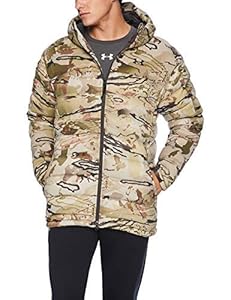
- Insulation: Synthetic fill for all-weather warmth
- Fabric: Durable water-repellent (DWR) finish
- Hood: Adjustable, helmet-compatible
- Extras: Multiple secure pockets & reinforced shoulders
The Under Armour Men’s Ridge Reaper Alpine Ops Parka Jacket is built for serious alpine and cold-weather missions where both warmth and durability are non-negotiable. The synthetic insulation provides dependable heat retention without the bulk, making it an excellent companion in freezing conditions. Its DWR-treated shell ensures that snow and light rain bead off instead of soaking in, keeping you comfortable on extended climbs or hikes. The helmet-compatible hood is thoughtfully designed, offering both coverage and mobility when worn with climbing gear.
This jacket feels purpose-built for alpine hunting, climbing, or trekking in unpredictable environments. The reinforced shoulders make carrying packs more comfortable and durable, while the multiple secure pockets keep essentials close at hand. What stands out is its balance between ruggedness and mobility—the parka protects without feeling restrictive. While not the lightest alpine jacket out there, its warmth-to-weight ratio is impressive for demanding conditions where layering alone won’t cut it.
Pros
- Excellent insulation for extreme cold
- Durable shell with water-repellent finish
- Helmet-compatible adjustable hood
- Reinforced areas for backpack use
Cons
- Slightly bulky compared to lightweight alpine shells
- Less breathable for high-output activities
2. Rab Mythic Alpine Light Jacket
- Insulation: 900-fill power down
- Fabric: Pertex® Quantum for wind resistance
- Weight: Lightweight packable design
- Hood: Insulated, climbing helmet-compatible
The Rab Women’s Mythic Alpine Light Jacket is an ultralight yet powerful insulator tailored for alpine climbing, mountaineering, and cold-weather hikes. Filled with premium 900-fill power down, it provides exceptional warmth while remaining surprisingly light and compressible. The Pertex® Quantum fabric delivers strong wind resistance and sheds light moisture, making it suitable for exposed ridges or windy summits. Its helmet-compatible insulated hood adds crucial warmth while maintaining mobility.
This jacket is designed for women who value technical performance without sacrificing weight savings. It packs down small, easily fitting into a climbing pack without taking up much space. On the wall or in camp, it performs as both a belay jacket and a mid-layer under a shell. The cut is athletic and non-restrictive, ideal for movement-intensive alpine missions. However, because it uses high-loft down, it is not the best choice for heavy rain—pairing it with a waterproof shell is essential in wet conditions.
Pros
- Outstanding warmth-to-weight ratio
- Premium down fill for insulation
- Highly packable, ideal for alpine missions
- Wind-resistant outer fabric
Cons
- Limited water resistance in wet snow/rain
- Premium price point
3. The North Face Antora Rain Hoodie
- Fabric: DryVent™ 2L waterproof membrane
- Features: Windproof with fully seam-sealed construction
- Adjustments: Drawcord hem and adjustable hood
- Extras: Zippered secure pockets
The North Face Men’s Antora Rain Hoodie is a versatile rain shell designed to keep alpine climbers, hikers, and everyday adventurers dry. Built with DryVent™ 2-layer fabric, it delivers solid waterproofing while also blocking wind gusts. Its seam-sealed construction prevents leaks, ensuring protection even during prolonged exposure. The adjustable hood and hem allow climbers to fine-tune fit and coverage, while zippered pockets secure valuables on the go.
Performance-wise, this rain hoodie shines as a reliable outer shell. It isn’t insulated, making it best used over mid-layers or down jackets depending on conditions. The lightweight build and packability make it easy to stow in a pack when not needed, ensuring climbers are never caught unprepared in sudden alpine storms. While breathable, in high-output climbs it can get slightly clammy, so layering management is key. Overall, it’s a great shell for anyone looking for affordable, functional waterproof protection in the mountains.
Pros
- Excellent waterproofing with seam sealing
- Adjustable hood & hem for versatile fit
- Lightweight and packable
- Secure storage pockets
Cons
- No insulation—requires layering for warmth
- Can feel warm during high activity
4. Helly-Hansen Daybreaker Fleece Jacket
- Material: 100% Polartec® fleece
- Weight: Lightweight & breathable
- Fit: Regular with stretch mobility
- Pockets: Zippered hand pockets
The Helly-Hansen Men’s Daybreaker Fleece Jacket is a simple yet highly functional mid-layer designed for versatility. Made with lightweight Polartec® fleece, it provides breathable warmth without excess bulk. Its soft, quick-drying fabric makes it a favorite for layering under shells during alpine climbs or wearing casually in cool weather. Zippered hand pockets add practical storage while the full zip design allows easy temperature regulation.
This fleece is a solid choice for alpine climbers needing a dependable mid-layer. It doesn’t offer wind or water resistance, but that’s by design—it excels in breathability and comfort. The Daybreaker layers seamlessly under a hard shell, keeping you warm without restricting movement. It’s also versatile enough for casual wear, camping trips, or as a travel essential. While not technical enough as a stand-alone alpine outer layer, it’s an indispensable piece in any layering system.
Pros
- Lightweight & comfortable fleece
- Breathable and quick-drying
- Works well as a layering piece
- Affordable price point
Cons
- No wind or water resistance
- Limited technical features for extreme alpine use
5. Columbia Slope Style Jacket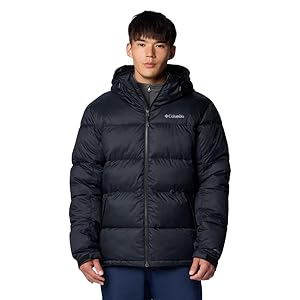
- Insulation: Synthetic Omni-Heat™ thermal reflective lining
- Fabric: Water-resistant shell
- Hood: Adjustable, removable
- Extras: Multiple zippered pockets
The Columbia Men’s Slope Style Jacket blends mountain-ready insulation with urban versatility. Featuring Columbia’s Omni-Heat™ reflective lining, it traps body heat efficiently while maintaining breathability. The water-resistant outer fabric sheds light rain and snow, making it suitable for mixed weather conditions. An adjustable, removable hood adds flexibility, and the multiple pockets provide secure storage for essentials.
This jacket works well as an all-rounder for alpine climbing, skiing, or everyday winter wear. Its insulation makes it warmer than a shell, ideal for cold-weather climbs when paired with a base layer. While not fully waterproof, it holds up in light precipitation and snowy conditions. The cut is comfortable without being overly technical, appealing to both casual users and outdoor athletes. It’s a jacket that balances function, warmth, and style, though serious alpinists may want a more specialized technical shell.
Pros
- Omni-Heat™ reflective lining boosts warmth
- Comfortable and versatile
- Adjustable/removable hood
- Good balance of style and function
Cons
- Not fully waterproof
- Slightly bulkier for high-intensity climbs
6. Mountain Hardwear Chockstone Alpine
- Fabric: Softshell with stretch mobility
- Hood: Adjustable, helmet-compatible
- Weather: Water- and wind-resistant
- Fit: Athletic, designed for climbing movement
The Mountain Hardwear Men’s Chockstone Alpine Hooded Jacket is a purpose-built alpine softshell designed for climbers and mountaineers. Its stretch-woven fabric allows unrestricted mobility, essential for technical climbs and steep ascents. The water- and wind-resistant construction provides protection in variable alpine weather, while the helmet-compatible hood adds extra coverage. Its athletic fit ensures comfort while minimizing excess bulk.
In the field, this jacket excels in conditions where a hard shell might feel excessive but warmth and protection are still necessary. The Chockstone breathes well, making it an excellent choice for active climbs and fast-paced alpine missions. It doesn’t insulate as much as a down piece, but that’s by design—it layers efficiently without overheating. Lightweight yet durable, it’s a strong pick for climbers who need freedom of movement and reliable weather resistance without sacrificing technical features.
Pros
- Excellent mobility for climbing
- Weather-resistant but breathable
- Helmet-compatible hood
- Durable construction
Cons
- Limited insulation—requires layering in cold
- Not fully waterproof
7. Makalu WMNS Stellar Jacket
- Insulation: High-performance synthetic fill
- Fabric: Windproof & water-resistant outer
- Hood: Fully adjustable, helmet-compatible
- Extras: Articulated fit for climbing mobility
The Makalu WMNS Stellar Jacket is designed specifically for women tackling alpine climbing, trekking, and cold-weather expeditions. Its synthetic insulation delivers reliable warmth even in damp conditions, while the windproof and water-resistant shell adds protection from unpredictable alpine weather. The helmet-compatible adjustable hood enhances coverage, and the articulated fit ensures excellent mobility on technical routes.
This jacket balances warmth, comfort, and performance with a female-specific design that prioritizes fit and freedom of movement. Its insulation performs well in both active climbs and static situations, making it versatile for varied alpine environments. Unlike down, the synthetic fill maintains loft when wet, giving peace of mind in snow or drizzle. While not as compressible as ultralight down jackets, it provides durability and dependable warmth where consistency matters most. For women seeking a reliable alpine climbing jacket that doesn’t compromise performance, the Stellar Jacket lives up to its name.
Pros
- Synthetic insulation works even when wet
- Designed for women with articulated fit
- Windproof & water-resistant protection
- Helmet-compatible hood
Cons
- Less compressible than down jackets
- Slightly heavier than ultralight alpine options
How to Choose Alpine Climbing Jackets
Alpine climbing is one of the most challenging and rewarding pursuits in the outdoor world. It demands skill, endurance, and resilience—not only from the climber but also from the gear they carry. Among all the essentials, your alpine climbing jacket is perhaps the most critical piece of clothing. A good jacket can mean the difference between comfort and misery, or in extreme conditions, between safety and danger.
But with so many technical fabrics, designs, and features available, how do you choose the right alpine climbing jacket? This guide will break down the key factors—materials, layering systems, features, fit, and more—so you can make a well-informed decision before your next high-altitude adventure.
1. Understanding the Role of an Alpine Climbing Jacket
An alpine climbing jacket is not just a coat to keep you warm; it is your shield against the harsh elements encountered at high elevations. On a single alpine route, you might face freezing winds, heavy snowfall, sudden rain showers, and intense sun exposure. The right jacket needs to balance weather protection, breathability, insulation, and mobility—all while remaining lightweight enough for demanding climbs.
2. Types of Alpine Climbing Jackets
Different alpine conditions require different types of jackets. Broadly, alpine climbing jackets fall into three categories:
a) Hardshell Jackets
- Purpose: Maximum weather protection
- Material: Usually made from waterproof-breathable fabrics like Gore-Tex, eVent, or Pertex Shield
- Best for: Wet, windy, and stormy conditions
- Pros: Completely waterproof, windproof, and durable
- Cons: Less breathable and heavier compared to softshells
Hardshell jackets are essential for multi-day expeditions or climbs where storms are likely. They should always be in your pack as a protective outer layer.
b) Softshell Jackets
- Purpose: Breathability and mobility
- Material: Woven fabrics with a water-resistant DWR coating
- Best for: Dry or mildly cold alpine conditions with lots of physical exertion
- Pros: Stretchy, breathable, and comfortable for long climbs
- Cons: Not fully waterproof, limited storm protection
Softshells are perfect when the weather is relatively stable but you still need warmth and freedom of movement.
c) Insulated Jackets
- Purpose: Warmth during rest stops, belays, or cold weather climbing
- Material: Down or synthetic insulation inside a lightweight shell
- Best for: Cold conditions, belays, and high-altitude routes
- Pros: Excellent warmth-to-weight ratio, packable
- Cons: Down loses warmth when wet, synthetic is bulkier
Most alpine climbers carry both a hardshell for weather protection and an insulated jacket for warmth, layering them as needed.
3. Key Factors to Consider When Choosing an Alpine Jacket
a) Weather Resistance
The ability to withstand wind, snow, and rain is vital. Look for:
- Waterproofing: Measured by hydrostatic head ratings (10,000–30,000 mm for alpine jackets).
- Breathability: Avoids moisture buildup inside during intense climbs. Fabrics like Gore-Tex Pro balance both.
- Windproofing: A must-have for high ridgelines and exposed faces.
b) Weight and Packability
In alpine climbing, every gram matters. Your jacket should be light enough to carry without slowing you down, yet robust enough to handle alpine abuse. Many modern alpine jackets weigh under 500g and compress into their own pocket or stuff sack for easy packing.
c) Durability
Alpine environments are harsh on gear—sharp rocks, ice tools, and crampon snags can quickly shred delicate fabrics. Look for reinforced panels in high-wear areas (shoulders, elbows, cuffs) and denier ratings appropriate for rugged use.
d) Mobility and Fit
Climbing requires dynamic movement. Your jacket should allow free range of motion for arms and shoulders without riding up when you raise your hands. Features to check:
- Articulated sleeves
- Climbing-helmet-compatible hood
- Harness-compatible pockets
- Slim, athletic fit without bulk
e) Insulation Type
For insulated alpine jackets, you’ll need to choose between:
- Down: Extremely warm and compressible, but loses loft when wet. Best for cold, dry climbs.
- Synthetic: Retains warmth even when damp, dries quickly, but is heavier. Better for mixed or wet conditions.
f) Ventilation Options
Even breathable fabrics can trap heat during hard ascents. Look for pit zips, mesh-lined pockets, or two-way front zippers for added airflow.
g) Compatibility with Gear
Your alpine jacket must work seamlessly with other climbing equipment:
- Harness: Hem should sit above your harness, with pockets placed high enough to remain accessible.
- Helmet: Hood should fit over a helmet without restricting movement.
- Gloves: Cuffs should adjust easily over bulky gloves.
4. Layering with Alpine Jackets
The alpine layering system typically includes three parts:
- Base Layer – Moisture-wicking fabric (merino wool or synthetic)
- Mid Layer – Fleece or light insulated jacket for warmth
- Outer Layer – Alpine climbing jacket (hardshell, softshell, or insulated depending on conditions)
Choosing a jacket isn’t about one piece alone—it’s about how it integrates into your layering system. Many climbers carry a hardshell plus a belay parka (down or synthetic insulated jacket) and swap layers as conditions shift.
5. Special Features to Look For
While fabrics and fit are primary considerations, small details can make a big difference:
- Helmet-compatible adjustable hood
- Two-way zipper for harness access
- Large internal pockets for gloves or skins
- Seam-sealed construction for waterproofing
- Drawcord hem for wind protection
- Reinforced shoulders for carrying a pack
6. Choosing for Different Alpine Scenarios
- Fast-and-light summer climbs: Lightweight softshell or minimalist hardshell
- Winter alpine routes: Warm insulated jacket + burly hardshell
- Mixed conditions: Synthetic insulated jacket layered with a waterproof shell
- High-altitude expeditions: Expedition-grade down parka + durable shell
Always consider the climate, season, and length of your climb before deciding which jacket setup to carry.
7. Care and Maintenance
A jacket is an investment, and proper care will extend its life:
- Wash periodically to restore breathability and remove body oils
- Reapply DWR coating when water stops beading on the surface
- Store dry and uncompressed (especially down jackets)
- Patch small tears quickly to prevent fabric damage
8. Budget vs. Performance
High-quality alpine jackets can be expensive, but cutting corners may risk comfort and safety. If budget is tight, prioritize:
- A reliable hardshell (essential for survival in storms)
- A mid-range insulated jacket for warmth
- Softshells as optional extras for comfort
Conclusion
Choosing the right alpine climbing jacket comes down to understanding your climbing objectives, expected conditions, and personal preferences. Hardshells provide unmatched protection, softshells offer breathability and mobility, and insulated jackets keep you warm during cold spells. The best approach is often a layered system, allowing you to adapt to rapidly changing alpine weather.
Investing in a high-quality jacket isn’t just about comfort—it’s about safety. With the right alpine jacket, you’ll be prepared to face the mountains with confidence, focus on the climb, and fully enjoy the beauty and challenge of alpine climbing.