Best Alpine Climbing Ropes of 2025
When it comes to alpine climbing, choosing the right rope is one of the most important decisions you can make. Alpine routes often involve long approaches, mixed terrain, and unpredictable weather, so you need a rope that is light enough to carry, strong enough to handle tough conditions, and versatile enough for different types of climbs. The best alpine climbing ropes are designed to balance safety, durability, and performance while keeping weight to a minimum. Whether you are tackling icy ridges, rocky faces, or snowy couloirs, the right rope will give you confidence and security. In this guide, we’ll explore the best alpine climbing ropes available today.
1. BLACK DIAMOND 9.9 mm Dynamic Rope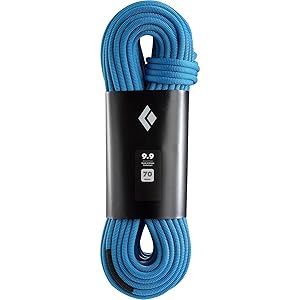
- Diameter: 9.9 mm (dynamic rope)
- UIAA and CE certified for safety
- Available in multiple lengths (30m, 60m, 70m)
- Dry-treated sheath for durability and moisture resistance
The Black Diamond 9.9 mm Dynamic Rope is a solid choice for alpine climbers who want a balance between performance and durability. Its diameter makes it robust enough to handle frequent use while remaining relatively easy to manage compared to thinner ropes. Black Diamond’s reputation for quality is reflected in this rope’s smooth handling, consistent catch, and reliable knotability, which makes it particularly suitable for both lead climbing and top-roping in alpine conditions.
This rope’s dry-treated sheath adds an extra layer of protection against moisture, ensuring it doesn’t become heavy or stiff in wet or snowy environments. For climbers venturing into alpine routes where weather conditions can shift rapidly, this treatment is crucial. It’s not the lightest rope on the market, so weight-conscious mountaineers may prefer slimmer options for long approaches, but for those who prioritize security and durability over minimalism, the Black Diamond 9.9 mm is an excellent companion.
Pros
- Strong, durable, and highly reliable
- Handles well with smooth clipping and knot tying
- Dry-treated for resistance against water and dirt
- Versatile for both alpine and sport climbing
Cons
- Slightly heavier than thinner ropes
- Not ideal for ultralight alpine ascents
2. GINEE Static Rope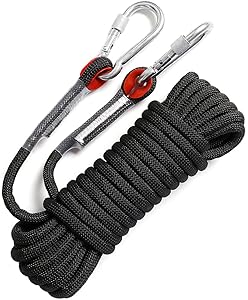
Technical Specifications:
- Diameter: 10 mm static rope
- High-strength polyester outer sheath
- Low stretch (static type, <5%)
- Heat-resistant and abrasion-resistant design
The GINEE Static Climbing Rope is designed for tasks where minimal stretch is essential, such as rappelling, hauling, or fixed-line support in alpine environments. Its polyester sheath provides excellent abrasion resistance, making it suitable for rugged rock surfaces and demanding conditions. While it’s not dynamic and therefore not intended to absorb fall forces, its rigidity and strength make it reliable for non-lead climbing applications.
In alpine climbing, static ropes like this shine in rescue operations, gear hauling, and fixed rope scenarios. The GINEE rope is lightweight enough to carry as a secondary line without feeling overly cumbersome. It’s an affordable option for climbers who need a dependable static line without breaking the bank. However, it’s important to remember that this rope should not be used as the primary rope for lead climbing, as it lacks the shock-absorbing qualities of dynamic ropes.
Pros
- Excellent abrasion resistance
- Affordable and durable
- Strong and secure for rappelling and hauling
- Lightweight for its class
Cons
- Not suitable for lead climbing
- Limited versatility compared to dynamic ropes
3. AOLEBA 10.5 mm Static Rope
- Diameter: 10.5 mm static rope
- High-strength polyester with core-sheath structure
- Maximum tensile force: 25–30 kN
- Minimal stretch for controlled rappelling and hauling
The AOLEBA 10.5 mm Static Rope is built for heavy-duty use in alpine and rescue settings. With its larger diameter and sturdy polyester core-sheath construction, it offers enhanced grip and abrasion resistance. This makes it a trustworthy rope for rappelling, ascending, and hauling heavy loads in demanding environments. The extra thickness also increases hand comfort, reducing fatigue during prolonged rope handling.
Its impressive tensile strength ensures peace of mind when carrying gear or using it for fixed lines on exposed terrain. While not dynamic and therefore unsuitable for absorbing climbing falls, it excels in static functions where stability and strength matter most. The rope’s weight is higher compared to thinner static ropes, but this tradeoff brings added security and ruggedness. For climbers who value strength and reliability over lightness, the AOLEBA 10.5 mm is a dependable partner in alpine settings.
Pros
- High tensile strength for heavy-duty use
- Comfortable grip due to thicker diameter
- Excellent abrasion resistance
- Reliable for hauling and rescue tasks
Cons
- Heavier than thinner ropes
- Not suitable for dynamic climbing
4. VEVOR 10.2 mm Dynamic Rope
- Diameter: 10.2 mm dynamic rope
- Made from nylon with balanced sheath-core design
- Impact force reduction for falls
- Lightweight design for portability
The VEVOR 10.2 mm Dynamic Outdoor Alpine Rope provides a balance between protection, handling, and portability. Its slightly slimmer diameter compared to 10.5 mm ropes makes it lighter and easier to carry during long alpine approaches. As a dynamic rope, it is designed to absorb fall forces effectively, ensuring safer catches during lead climbing. This makes it a good option for alpine climbers who need a versatile rope for mixed routes.
Despite its light weight, the rope maintains a durable sheath that resists abrasions well. Handling is smooth, which helps with clipping and belaying, especially in colder alpine conditions where rope stiffness can be an issue. While not as burly as thicker ropes in terms of long-term durability, it performs admirably for those who prioritize versatility and reduced pack weight. For alpine climbers who often transition between rock and snow, the VEVOR 10.2 mm is a capable companion.
Pros
- Lightweight for its diameter
- Dynamic design ensures safe falls
- Easy handling with smooth clipping
- Good balance of strength and portability
Cons
- Less durable than thicker dynamic ropes
- Not ideal for constant heavy hauling
5. XINSHUNCAN 10mm/12mm Static Rope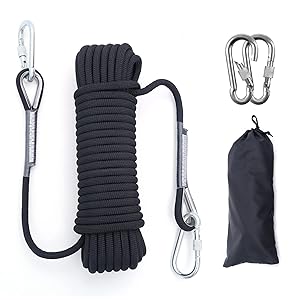
- Available diameters: 10 mm and 12 mm
- High-strength polyester sheath and core
- Tensile strength up to 33 kN (12 mm version)
- Low stretch (<5%) for controlled descent
The XINSHUNCAN Static Rope stands out for its versatility in size options, offering climbers both 10 mm and 12 mm diameters depending on their needs. The 10 mm version is lighter and easier to handle, while the 12 mm rope offers superior strength and durability for hauling or rescue operations. Both versions deliver solid abrasion resistance, making them well-suited for rugged alpine terrain where ropes are often dragged over rock.
This rope is particularly useful for fixed-line setups, rappelling, and hauling gear in demanding conditions. The thicker option adds extra weight, which can be a drawback on long approaches, but it also provides added security and long-term resilience. It’s not designed for lead climbing due to its static nature, but as a support rope in alpine expeditions, the XINSHUNCAN offers reliability and flexibility in rope selection.
Pros
- Choice between lighter or stronger diameters
- High tensile strength
- Strong abrasion resistance
- Suitable for rescue and hauling
Cons
- Heavy in the 12 mm version
- Static rope limitations (no fall absorption)
6. DELLNA 8mm Static Rope
- Diameter: 8 mm static rope
- Made of durable polyester material
- Breaking strength: approx. 15–20 kN
- Lightweight and compact design
The DELLNA 8mm Static Rope is a lightweight option for alpine climbers who want a secondary rope for hauling, rappelling, or fixed-line support. Its smaller diameter makes it compact and easy to pack, which is highly beneficial for long approaches and multi-day climbs where every gram matters. While thinner ropes generally offer less abrasion resistance than thicker ones, this rope is reinforced with a durable sheath that provides reasonable protection against wear.
Because of its slim profile, the rope is best suited for experienced climbers comfortable handling thinner static lines. It’s not appropriate as a main lead rope, but it excels as an accessory rope for hauling packs, rappelling short pitches, or setting up anchors. Its lighter weight does come with reduced overall strength compared to thicker ropes, so it’s not the best choice for heavy loads, but as a reliable backup or utility line, the DELLNA 8mm is very practical.
Pros
- Extremely lightweight and portable
- Affordable secondary rope option
- Compact and easy to store
- Strong enough for rappelling and hauling light loads
Cons
- Lower tensile strength than thicker ropes
- Not ideal for heavy-duty hauling
7. NTR 8mm Static Rope
- Diameter: 8 mm static rope
- Double-braided polyester construction
- Breaking strength: approx. 18–20 kN
- Resistant to abrasion and moisture
The NTR 8mm Static Rope is a versatile and durable utility rope for alpine environments. Its double-braided polyester design enhances both strength and abrasion resistance, making it more rugged than many other ropes of similar diameter. The rope handles well, tying knots securely without becoming too stiff, which is important when used in cold or wet alpine conditions.
Like other 8 mm static ropes, it’s not designed for lead climbing but works exceptionally well as a secondary rope for rappelling, hauling, or fixed anchors. Its lightweight and compact build make it easy to carry in a pack, ensuring you have a reliable support rope without significant added weight. It strikes a good balance between portability and durability, making it an excellent budget-friendly option for climbers who want a dependable static rope for alpine use.
Pros
- Lightweight and easy to pack
- Strong for its diameter
- Good abrasion resistance
- Cost-effective option
Cons
- Not suitable for dynamic climbing
- Thinner rope may feel less secure for beginners
How to Choose Alpine Climbing Ropes
When it comes to alpine climbing, your rope is more than just a piece of gear—it’s your lifeline. Unlike sport climbing or indoor climbing where conditions are relatively controlled, alpine environments are unpredictable, demanding, and often extreme. Choosing the right alpine climbing rope requires careful consideration of safety, durability, weight, versatility, and intended use. With so many rope types, diameters, and treatments available, the process can seem overwhelming. This guide will break down everything you need to know about alpine climbing ropes so you can make an informed decision for your next adventure.
1. Understanding Rope Types
Before narrowing down options, you need to know the basic rope categories used in climbing:
a) Single Ropes
- Marked with a “1” symbol on the end.
- Used on their own for lead climbing.
- Simpler rope management, ideal for straightforward climbs.
- Heavier and less versatile for alpine environments where rappels and wandering routes are common.
b) Half Ropes (Double Ropes)
- Marked with a “½” symbol.
- Used as a pair, clipping each rope alternately to protect against rope drag on wandering routes.
- Safer in alpine terrain since one rope can withstand rockfall or sharp edges if the other is damaged.
- Better for long rappels due to doubled length.
c) Twin Ropes
- Marked with a “∞” symbol.
- Both ropes are clipped together into every piece of protection.
- Provide redundancy and long rappels but are thinner and wear faster.
👉 For alpine climbing, half ropes are often the most recommended because they balance safety, rope management, and versatility.
2. Rope Diameter and Weight
The thickness of your rope affects its weight, durability, and handling:
- Single Ropes (8.9 – 10.2 mm): Heavier but durable.
- Half Ropes (8.0 – 9.0 mm): Lightweight, good for alpine use.
- Twin Ropes (7.0 – 8.0 mm): Very light but less durable.
For alpine climbing, thinner ropes (around 8–9 mm) are preferred because:
- They reduce pack weight on long approaches.
- Allow longer pitches without excessive bulk.
- Make rappelling more efficient.
However, keep in mind that thinner ropes wear out faster and require more attentive belaying.
3. Rope Length
Rope length determines how far you can climb per pitch and how you rappel. Standard lengths include 60m and 70m, but in alpine climbing, practicality matters more than just length.
- 50m ropes: Lighter, easier to carry, often enough for alpine routes.
- 60m ropes: A good balance of versatility and weight; common for alpine climbs.
- 70m ropes: Useful for sport climbing but can be too heavy for alpine approaches.
👉 For most alpine climbs, 60m half ropes provide the best mix of safety, efficiency, and versatility.
4. Dry Treatment and Weather Resistance
In alpine environments, ropes are constantly exposed to snow, ice, and moisture. A wet rope becomes heavy, harder to handle, and loses strength.
- Dry-Treated Ropes: Have water-resistant coatings on the sheath and/or core. Essential for alpine climbing.
- Non-Dry Ropes: Suitable for indoor or dry rock climbing, not alpine use.
👉 Always choose a UIAA Water Repellent certified dry rope for alpine climbing.
5. Impact Force and Fall Ratings
Two key safety ratings help you compare ropes:
- Impact Force: Measured in kilonewtons (kN), it indicates the force transferred to the climber and protection during a fall. Lower numbers mean a softer catch but more rope stretch.
- Fall Rating: Indicates how many standard UIAA test falls a rope can withstand. Higher fall ratings suggest durability.
For alpine climbing:
- Moderate impact force is ideal (balance between soft catches and less rope stretch on ledges).
- Higher fall ratings add confidence in harsh environments.
6. Sheath Proportion and Durability
The sheath (outer layer of the rope) determines how well the rope resists abrasion from rock, snow, and ice.
- Thicker sheath percentage: Increases durability, making ropes last longer in rugged alpine terrain.
- Thinner sheath percentage: Makes ropes lighter but less durable.
For alpine use, durability often outweighs weight savings. Look for a rope with a strong sheath proportion if you expect to climb on sharp rock.
7. Rope Handling and Knotability
A good alpine rope should handle smoothly for belaying, rappelling, and tying knots with gloves on.
- Stiff ropes: Resist tangling but can be harder to knot.
- Supple ropes: Easier to knot but may twist and tangle.
👉 If possible, handle the rope before purchase to test its flexibility and knotability.
8. Middle Marks and Bi-Pattern Ropes
In alpine settings, where rappels and long pitches are common, knowing the midpoint of your rope is essential:
- Middle Mark: A black mark at the midpoint of the rope. Simple and effective.
- Bi-Pattern Rope: The weave changes halfway through, making the midpoint instantly visible.
Bi-pattern ropes cost more but are worth it in alpine terrain for quick rope management.
9. Choosing Between Rope Systems
Your rope choice also depends on the type of alpine climbing you plan to do:
- Light Alpine Rock Routes: A single dry-treated rope (8.9–9.2 mm, 60m).
- Mixed/Glacier Travel: Half ropes or twin ropes for redundancy and long rappels.
- Technical Alpine Routes with Ice: Dry-treated half ropes (~8.2–8.5 mm, 60m).
👉 For maximum versatility, most alpine climbers prefer dry-treated half ropes (60m, ~8.5 mm).
10. Balancing Weight vs. Safety
One of the hardest choices in alpine climbing is balancing lightweight gear with safety and durability.
- Lightweight ropes save energy during approaches.
- Heavier ropes often last longer and handle more abuse.
Ultimately, your choice should match your objective:
- Short alpine rock climbs: Go lighter.
- Big alpine routes with potential hazards: Prioritize durability and redundancy.
11. Proper Care and Maintenance
Even the best rope won’t perform if not maintained. For alpine ropes:
- Keep them dry and store in a cool, shaded place.
- Use a rope bag to prevent dirt and grit from damaging the sheath.
- Retire ropes if they show core exposure, flat spots, or after a severe fall.
Good care extends rope life and ensures safety in demanding alpine conditions.
Conclusion
Choosing the right alpine climbing rope isn’t just about weight or price—it’s about matching the rope to your climbing style, objectives, and environment. For most climbers tackling alpine routes, a pair of 60m dry-treated half ropes around 8.5 mm offers the best mix of safety, versatility, and efficiency. However, if you’re aiming for lightweight objectives or glacier travel, thinner twin or single ropes may work better.
At the end of the day, your rope is the single most important safety link between you and the mountain. Invest wisely, care for it properly, and it will serve you reliably on countless alpine adventures.