Best Tree Climbing Helmets For Arborists for 2025
Climbing trees for work or adventure is exciting, but it also comes with risks, especially for arborists who spend long hours high above the ground. Safety should always come first, and one of the most important pieces of gear is a reliable helmet. A good tree climbing helmet not only protects your head from falling branches or slips but also provides comfort and stability while you work. With so many options available, choosing the right helmet can feel confusing. In this article, we’ll guide you through the best tree climbing helmets for arborists, helping you find the perfect balance of safety, comfort, and durability.
1. TOOLIOM Arborist Helmet
- Certified to ANSI Z89.1 and CE EN397 safety standards
- Six-point suspension system with adjustable harness
- ABS impact-resistant shell with ventilation channels
- Accessory slots for earmuffs, visors, and face shields
The TOOLIOM Certified Arborist Helmet is built to deliver dependable protection for professionals working in tree climbing, forestry, and landscaping. It complies with ANSI and CE standards, meaning it provides proven resistance against impact and falling debris. The helmet is crafted with a strong ABS shell that strikes a balance between durability and light weight. Its six-point suspension system ensures that impacts are distributed evenly across the head, reducing fatigue and enhancing comfort for long working hours.
Another highlight is its adaptability. Arborists can easily attach earmuffs, visors, or other compatible accessories using the built-in slots. Ventilation channels further enhance comfort by minimizing heat buildup, making the helmet suitable for hot and humid environments. Overall, the TOOLIOM helmet is a smart choice for those seeking reliable safety without compromising on comfort or versatility.
Pros
- Meets ANSI and CE certifications
- Lightweight but durable shell
- Comfortable six-point suspension system
- Easy attachment of accessories
Cons
- Ventilation could be improved in extreme heat
- Fewer color/style options than premium models
2. TR Industrial Helmet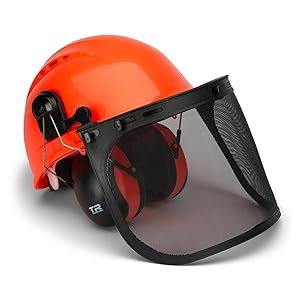
- ANSI Z89.1-2009 certified hard hat
- ABS plastic shell with strong impact resistance
- Comes with earmuffs and face shield included
- Adjustable four-point suspension
The TR Industrial Forestry Safety Helmet is a ready-to-use kit for arborists and forestry workers. Its durable ABS shell provides robust head protection, while ANSI certification assures compliance with essential safety standards. Unlike standalone helmets, this one comes equipped with earmuffs and a detachable face shield, saving arborists the trouble of buying accessories separately. This makes it particularly appealing for budget-conscious professionals or those starting out in arboriculture.
While it delivers reliable protection, comfort is a trade-off. The four-point suspension distributes pressure less evenly than advanced six-point systems, which may cause some discomfort during extended use. The earmuffs, though effective, can feel bulky, and the helmet’s overall size makes it less streamlined than higher-end models. Still, for arborists who want an affordable, all-in-one protective gear solution, the TR Industrial helmet does its job well.
Pros
- Affordable all-in-one package
- ANSI-certified for industrial use
- Easy-to-adjust headband and earmuffs
- Good starter option for arborists
Cons
- Four-point suspension less comfortable for long wear
- Bulkier design than premium helmets
3. PETZL Vertex Helmet
- CE EN 12492 and ANSI Z89.1 certified
- Six-point textile suspension system with CENTERFIT adjustment
- Dual configuration: with or without ventilation
- Compatible with PETZL headlamps, visors, and earmuffs
The PETZL Vertex Helmet is a premium option widely trusted by professional arborists, climbers, and rescue workers. Its standout feature is the CENTERFIT system, which provides precise adjustment and keeps the helmet perfectly centered on the head. The six-point textile suspension offers excellent weight distribution, reducing fatigue during extended work sessions. With certifications from both ANSI and CE, the Vertex meets international safety standards, giving arborists confidence in its performance.
Another advantage is versatility. PETZL offers both vented and unvented models, allowing workers to choose based on climate conditions or electrical hazard concerns. Accessory compatibility is seamless—headlamps, visors, and earmuffs can be attached quickly and securely. While its higher price may deter budget-conscious buyers, the Vertex justifies its cost with top-notch comfort, adjustability, and long-term reliability.
Pros
- Premium build quality with multiple safety certifications
- Excellent comfort via six-point suspension
- Vented and unvented options available
- Wide compatibility with PETZL accessories
Cons
- Higher cost compared to most helmets
- Accessories are sold separately
4. UNINOVA Forestry Helmet
- EN397 and ANSI Z89.1 certified safety helmet
- ABS shell with integrated ventilation holes
- Includes mesh visor and earmuffs
- Adjustable six-point suspension system
The UNINOVA Forestry Arborist Helmet is designed for professionals who need both safety and convenience. It comes as a complete set, including a mesh visor and earmuffs, making it suitable for chainsaw use, brush clearing, and general forestry tasks. The ABS shell is durable yet lightweight, while integrated ventilation holes help regulate airflow during physically demanding jobs. Its six-point suspension ensures a stable and comfortable fit throughout the workday.
In terms of usability, the mesh visor offers excellent breathability while still protecting against flying wood chips and debris. The earmuffs provide sufficient noise reduction, though they may feel tight during long shifts. With certifications that meet both EN and ANSI standards, the UNINOVA helmet delivers dependable protection at a reasonable cost. It’s a balanced option for arborists who want a kit that covers multiple safety needs right out of the box.
Pros
- Comes with visor and earmuffs included
- Meets international safety standards
- Good ventilation for hot conditions
- Six-point suspension for comfort
Cons
- Earmuffs can feel tight after extended use
- Mesh visor offers less visibility in low light
5. LANON Industrial Helmet
- CE EN397 and ANSI Z89.1 certified
- ABS + PC shell construction for durability
- Adjustable six-point ratchet suspension system
- Slots for earmuffs, face shield, and other accessories
The LANON Industrial Forestry Safety Helmet is a versatile protective gear option built for demanding work environments. Its combination of ABS and polycarbonate materials provides strong impact resistance without adding excessive weight. The six-point ratchet suspension allows quick adjustments, ensuring a snug yet comfortable fit that minimizes movement during climbing or chainsaw operation.
This helmet is also highly adaptable, with integrated slots for a wide range of accessories. Arborists can attach earmuffs, visors, or face shields depending on the task at hand. While ventilation is adequate, it may not match the airflow of more specialized vented helmets. Still, LANON provides a balance of safety, comfort, and customization at a mid-range price point, making it a strong choice for arborists who want reliable gear with room for upgrades.
Pros
- Durable ABS + PC shell
- Comfortable six-point suspension with ratchet adjustment
- Accessory slots for customization
- Meets ANSI and CE standards
Cons
- Ventilation could be better
- Accessories not included
6. LOHASPRO Forestry Helmet
- ANSI Z89.1 and CE EN397 certified
- ABS shell with built-in ventilation slots
- Includes earmuffs and mesh visor
- Adjustable six-point suspension with chinstrap
The LOHASPRO Forestry Safety Helmet is an affordable, all-in-one package for arborists and forestry workers. It provides a high level of protection with its ANSI and CE certifications, ensuring compliance with international safety requirements. The ABS shell is tough and lightweight, and the built-in ventilation helps reduce heat buildup during outdoor work.
The included earmuffs and mesh visor make this helmet ready to use straight out of the box. The visor is particularly effective against wood chips and debris, though it slightly reduces visibility in dim conditions. Comfort is enhanced by a six-point suspension system and an adjustable chinstrap that keeps the helmet secure during climbing or ground operations. For arborists seeking a budget-friendly yet reliable helmet, LOHASPRO offers solid value.
Pros
- Comes as a complete kit (visor + earmuffs)
- Comfortable six-point suspension
- Lightweight yet durable ABS shell
- Certified to ANSI and CE standards
Cons
- Mesh visor reduces visibility in low light
- Earmuffs not as durable as premium options
7. UNINOVA Arborist Helmet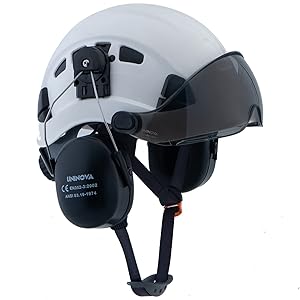
- ANSI Z89.1 and CE EN12492 certified
- ABS shell with optional vented design
- Six-point suspension system with ratchet adjustment
- Compatible with earmuffs, visors, and headlamps
The UNINOVA Arborist Helmet is a professional-grade option designed for climbing and forestry work. With ANSI and CE certifications, it meets stringent safety requirements for impact resistance. The helmet’s ABS shell provides durability without excessive weight, while the six-point suspension system offers excellent stability and comfort. The ratchet adjustment mechanism makes it easy to fine-tune the fit, which is especially useful for arborists working long hours in challenging environments.
What sets this model apart is its flexibility. It supports a wide range of accessories, including visors, earmuffs, and headlamps, allowing arborists to adapt their gear to different tasks. The optional vented design is also a plus, giving workers the choice between better airflow or added protection against electrical hazards. Reliable, adaptable, and comfortable, the UNINOVA Arborist Helmet is well-suited for professional use.
Pros
- Strong safety certifications (ANSI + CE)
- Ratchet adjustment for a secure fit
- Supports multiple accessories
- Available in vented and unvented versions
Cons
- Accessories must be purchased separately
- Slightly heavier than some competing models
How to Choose Tree Climbing Helmets for Arborists
Tree climbing is one of the most demanding and high-risk professions within the field of arboriculture. Arborists spend a significant amount of time working at dangerous heights, often using chainsaws, ropes, and other tools while navigating through branches. In such an environment, a helmet is not just a piece of equipment—it’s a life-saving necessity. Choosing the right helmet for tree climbing requires an understanding of safety standards, comfort, design features, and durability.
This article provides an in-depth guide on how arborists can choose the best helmet for tree climbing, covering the essential considerations from safety regulations to personal comfort.
1. Why Helmets are Essential for Arborists
Before diving into the selection process, it is important to understand why helmets are indispensable for arborists.
- Protection from Falling Objects: Branches, tools, or debris can fall unexpectedly. A helmet absorbs and distributes the impact, reducing injury risk.
- Head Protection During Falls: In case of slips or sudden swings, helmets shield the head from collisions with trunks or branches.
- Chainsaw Safety: Arborists often use chainsaws overhead, which increases the chance of kickback or flying wood chips. Helmets with visors and ear protection provide integrated safety.
- Compliance with Regulations: Many workplaces and insurance providers require certified helmets for liability and safety compliance.
In short, helmets are the first line of defense for arborists in hazardous conditions.
2. Safety Standards for Tree Climbing Helmets
The most critical step in selecting a helmet is ensuring it meets international safety standards. Arborists should look for certifications that confirm a helmet’s quality and reliability.
- EN 12492 (European Standard for Mountaineering Helmets): Ensures helmets provide protection against impacts from above and side. This is common in climbing helmets.
- EN 397 (Industrial Safety Helmets): Focuses on protection from falling objects, penetration resistance, and chinstrap strength.
- ANSI Z89.1 (American National Standards Institute): Classifies helmets into Type I (top impact) and Type II (lateral impact) with electrical resistance categories.
- UIAA (International Climbing and Mountaineering Federation): Provides rigorous testing for helmets used in climbing environments.
For arborists, a helmet that meets both EN 12492 and EN 397 standards is ideal, as it balances the needs of climbing and industrial protection.
3. Key Features to Look For
When evaluating helmets, arborists should carefully check the following features:
a. Chinstrap Strength
Unlike construction helmets, tree climbing helmets must stay secure during falls or sudden movements. A strong chinstrap, usually with a four-point attachment system, ensures stability and safety.
b. Impact Resistance
Look for helmets with durable outer shells (ABS plastic or polycarbonate) and energy-absorbing inner foam (EPS or EPP). These materials disperse the force of impacts effectively.
c. Ventilation
Tree climbing often involves long hours of strenuous physical activity. A well-ventilated helmet helps keep the arborist cool and prevents overheating, especially in warm climates.
d. Comfort and Fit
A good helmet should feel snug without causing pressure points. Features like adjustable suspension systems, sweat-wicking padding, and lightweight construction improve wearability during extended climbs.
e. Accessory Compatibility
Modern helmets often come with slots for attaching visors, ear muffs, or headlamps. Arborists should consider helmets that support integrated face shields and hearing protection for chainsaw work.
f. Weight
Lightweight helmets reduce fatigue during long climbing sessions. However, weight should not compromise strength and durability.
g. Durability
Helmets should resist UV radiation, rain, and exposure to tree sap or oils. UV degradation is a common issue in outdoor environments, so helmets with UV-resistant coatings are preferable.
4. Types of Helmets Suitable for Arborists
Arborists can choose between two main categories of helmets:
- Climbing Helmets: Modeled after mountaineering helmets, they prioritize side-impact protection, lightweight design, and strong chinstraps. Excellent for free climbing and rope work.
- Industrial Arborist Helmets: These resemble construction helmets but include chinstraps and often integrate face and ear protection. They excel in job sites where chainsaw use and falling objects are common.
In many cases, arborists prefer hybrid helmets that combine both climbing and industrial safety standards.
5. Common Mistakes to Avoid
- Using Construction Hard Hats: Traditional hard hats without chinstraps are unsafe for climbing—they can fall off during movement or in case of a fall.
- Ignoring Certification Labels: Helmets without recognized safety certifications may not provide reliable protection.
- Prioritizing Price Over Safety: While affordability matters, investing in a certified, durable helmet is far cheaper than dealing with head injuries.
- Neglecting Replacement: Helmets should be replaced every 3–5 years, or immediately after a major impact. Arborists sometimes continue using damaged helmets, which is highly dangerous.
6. Leading Brands in Arborist Helmets
Several manufacturers specialize in helmets designed for arboriculture and climbing. Some of the most trusted brands include:
- Petzl (Vertex, Strato, Alveo series) – Known for lightweight, durable helmets with excellent comfort.
- KASK (Plasma, Super Plasma series) – Popular among professional arborists for stylish designs and integrated accessories.
- Pfanner (Protos Integral) – Highly protective, with unique designs that cover ears and provide excellent ventilation.
- Husqvarna & STIHL helmets – Often come as forestry kits with integrated visors and ear protection, great for chainsaw operations.
Choosing a reputable brand ensures consistent quality and after-sales support.
7. Helmet Maintenance and Care
Even the best helmet requires proper care to maintain effectiveness:
- Regular Inspections: Check for cracks, dents, or damage to straps and buckles.
- Cleaning: Use mild soap and water; avoid harsh chemicals that may weaken materials.
- Storage: Keep helmets away from direct sunlight and chemicals when not in use.
- Replacement: Follow manufacturer guidelines on replacement schedules, usually every few years.
Proper maintenance ensures the helmet remains reliable throughout its lifespan.
8. Factors That Influence Your Choice
When making a purchase, arborists should consider the following personal factors:
- Type of Work: Heavy chainsaw use may require helmets with visors and hearing protection, while light climbing may only need a climbing helmet.
- Climate Conditions: Hot environments demand well-ventilated helmets, while cold or rainy regions may require insulated or closed designs.
- Budget: Prices vary widely, from basic entry-level helmets to advanced professional models with integrated accessories.
- Employer Requirements: Some companies mandate specific certifications or helmet brands to ensure uniform safety.
9. Step-by-Step Guide to Choosing the Right Helmet
- Confirm Safety Certification (EN 12492, EN 397, ANSI Z89.1, UIAA).
- Check Fit and Comfort – Try helmets on if possible.
- Evaluate Weight and Ventilation – Balance comfort with durability.
- Look for Accessory Compatibility – Ensure you can attach visors, earmuffs, or lights.
- Review Durability Features – UV resistance and high-quality materials.
- Compare Brands and Models – Petzl, KASK, Pfanner, etc.
- Set a Budget – Choose the best option within your price range without compromising safety.
Conclusion
Choosing the right tree climbing helmet is one of the most important safety decisions an arborist can make. A well-chosen helmet provides not only protection from falling objects and impacts but also comfort, durability, and peace of mind while working at height. By focusing on certifications, comfort, durability, and compatibility with accessories, arborists can ensure they are well-prepared for the challenges of their profession.
Ultimately, the best helmet is the one that balances safety, comfort, and practicality—allowing arborists to focus on their work with confidence and security.