Best Slip On Climbing Shoes of 2025
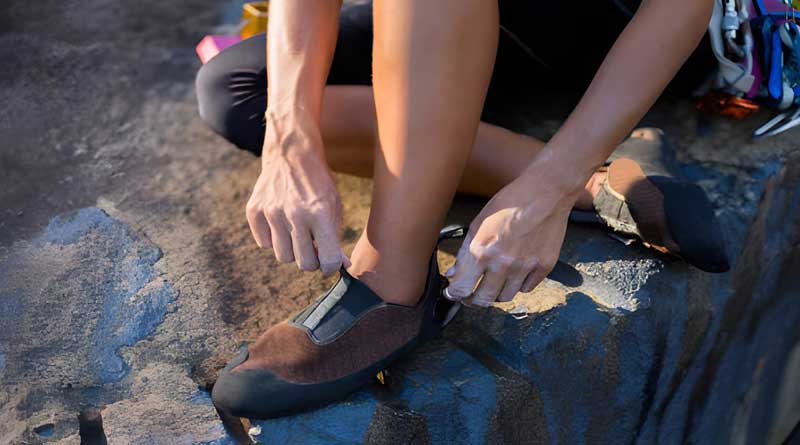
Slip-on climbing shoes are a favorite choice among climbers who want comfort, speed, and performance without the hassle of laces or straps. Designed for easy wear, these shoes are lightweight and fit snugly, making them perfect for training sessions, bouldering, or quick climbs. They allow climbers to slip in and out between routes with ease while still offering the sensitivity and grip needed on tough holds. Whether you are a beginner learning the basics or an experienced climber looking for reliable gear, slip-on shoes can be a great option. In this article, we’ll explore the best slip-on climbing shoes available today.
1. Core Lightweight Breathable Climbing Shoes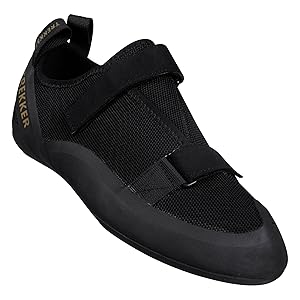
- Upper Material: Breathable mesh with synthetic overlays
- Closure System: Slip-on design with elastic collar
- Outsole: High-friction rubber sole for grip
- Weight: Approx. 240g per shoe
The Core Lightweight Breathable Climbing Shoes are built for climbers who prioritize comfort and convenience. Featuring a slip-on design, these shoes are quick to put on and take off, making them an excellent choice for gym sessions or bouldering circuits where frequent shoe removal is common. The mesh upper provides ample breathability, keeping feet cool during long climbs. At just 240 grams per shoe, they remain lightweight without compromising traction thanks to the high-friction rubber sole.
While these shoes excel in comfort and ease of use, they are less specialized for advanced outdoor climbing or overhanging routes. Their flat profile makes them more suited for slabs, vertical walls, and beginner-friendly terrain rather than aggressive boulders or cracks. The elastic collar provides a snug fit but may feel restrictive for climbers with wide feet. Overall, the Core Lightweight model offers excellent value for new or casual climbers looking for breathable and versatile footwear.
Pros
- Lightweight and breathable design
- Quick slip-on entry
- Comfortable for long sessions
- Reliable grip for indoor climbing
Cons
- Not suitable for advanced or technical climbing
- Fit may be tight for wide feet
2. La Sportiva Kids Stickit Rock Climbing Shoe
- Upper Material: Leather with unlined interior
- Closure System: Adjustable lace system with heel loop
- Outsole: FriXion RS rubber for grip
- Sizes: Designed specifically for children
The La Sportiva Kids Stickit Rock Climbing Shoe is purpose-built for young climbers who are just starting their climbing journey. Designed with soft leather uppers and a kid-friendly lace system, these shoes ensure both comfort and adjustability. The FriXion RS rubber outsole provides dependable grip, allowing children to gain confidence on holds while ensuring safety. The shoe’s simple structure makes it easy for kids to put on themselves while giving parents peace of mind regarding durability and fit.
In terms of performance, the Stickit shines in providing flexibility and comfort rather than aggressive edging or precision. This makes it ideal for children’s natural climbing style, which often prioritizes comfort over technicality. The leather stretches slightly with use, adapting to growing feet. Parents will appreciate the extended sizing and adjustability, meaning the shoes can be worn longer before needing replacement. For indoor gym classes or beginner outdoor sessions, the Stickit offers an excellent balance of durability, comfort, and kid-specific design.
Pros
- Soft and comfortable leather construction
- Child-specific fit with adjustable lacing
- Durable outsole for safety and grip
- Easy for kids to put on themselves
Cons
- Not designed for technical routes
- Limited lifespan as kids outgrow them quickly
3. SoleEase Climbing Shoes for Sport Climbing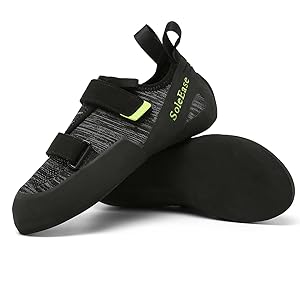
- Upper Material: Synthetic microfiber for durability
- Closure System: Slip-on with elastic gusset
- Outsole: 4.5mm sticky rubber for edging and grip
- Midsole: Medium stiffness for support
The SoleEase Climbing Shoes are tailored for sport climbers who seek a blend of support and convenience. Their slip-on design, coupled with synthetic microfiber uppers, provides a snug yet durable fit. The medium-stiff midsole gives ample support on vertical routes while still maintaining sensitivity for footholds. With 4.5mm of sticky rubber on the outsole, climbers can rely on solid traction when edging or smearing. These features make SoleEase a versatile choice for climbers progressing beyond beginner levels.
Performance-wise, the SoleEase balances comfort and technicality. The slip-on construction ensures ease of wear, while the rubber and midsole allow climbers to tackle steeper routes with confidence. However, the shoe may not satisfy climbers seeking aggressive downturns for bouldering or competition climbing. Instead, it shines in sport climbing environments where support, grip, and durability are more critical than extreme toe precision. For those wanting an all-around shoe that blends everyday wearability with reliable sport climbing performance, the SoleEase is a solid option.
Pros
- Supportive midsole for sport climbing
- Durable synthetic microfiber build
- Sticky rubber for secure edging
- Easy slip-on design
Cons
- Not aggressive enough for steep boulders
- Fit may feel rigid to some climbers
4. MASZRE Rock Climbing Shoes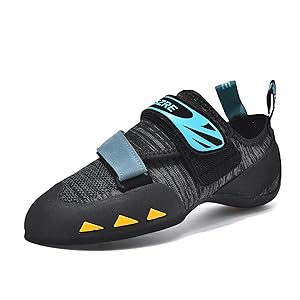
- Upper Material: Synthetic leather with breathable lining
- Closure System: Elastic slip-on with pull tabs
- Outsole: 4mm rubber sole for durability and grip
- Profile: Neutral design for comfort
The MASZRE Rock Climbing Shoes focus on affordability and comfort, making them a reliable entry-level option. Built with synthetic leather uppers and breathable lining, these shoes provide a comfortable fit while maintaining durability. The 4mm rubber sole ensures good grip for indoor gyms and beginner outdoor climbs. Their neutral profile makes them ideal for long climbing sessions without causing foot fatigue.
When it comes to performance, the MASZRE shoes lean toward casual use rather than technical routes. Their flat profile and slip-on design make them easy to use, especially for new climbers who may not yet need aggressive features. While they may not hold up in high-level sport or bouldering competitions, they offer excellent value for the price. Best suited for beginners or occasional climbers, the MASZRE shoes provide a practical, affordable, and durable introduction to climbing footwear.
Pros
- Affordable and beginner-friendly
- Comfortable neutral fit
- Easy slip-on construction
- Breathable design for long wear
Cons
- Limited technical capability
- Not suitable for steep or advanced routes
5. ClimbX Rave Strap Climbing Shoe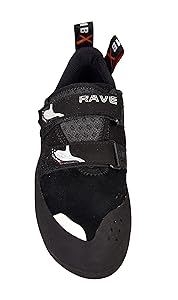
- Upper Material: Synthetic leather with padded interior
- Closure System: Dual hook-and-loop straps
- Outsole: ClimbX rubber compound for grip
- Midsole: Moderate stiffness for edging
The ClimbX Rave Strap Climbing Shoe is a versatile model aimed at climbers seeking a balance between performance and comfort. Featuring a synthetic leather upper and padded interior, the shoe offers a comfortable fit even during extended climbing sessions. The dual hook-and-loop straps provide secure closure while allowing for quick adjustments. With its moderate stiffness and ClimbX rubber outsole, the shoe delivers reliable edging performance on vertical terrain.
In practice, the Rave Strap stands out as a great all-rounder for both gym and outdoor climbing. Its supportive midsole and comfortable padding make it suitable for long sessions, while the strap system ensures a snug and customizable fit. While not the most aggressive shoe, it offers enough technical features for intermediate climbers tackling varied routes. For those who value versatility and durability in a climbing shoe, the ClimbX Rave is a strong contender.
Pros
- Secure dual-strap closure
- Comfortable padded interior
- Durable rubber for reliable grip
- Good balance of comfort and performance
Cons
- Less aggressive for advanced climbs
- Slightly heavier than slip-on models
6. Five Ten Adidas Niad Lace Climbing Shoes
- Upper Material: Leather with synthetic overlays
- Closure System: Lace-up for precision fit
- Outsole: Stealth C4 rubber for maximum grip
- Profile: Neutral to moderate downturn for versatility
The Five Ten Adidas Niad Lace Climbing Shoes combine tradition with performance, offering a shoe that appeals to climbers across skill levels. The leather upper with synthetic overlays ensures durability, while the lace-up closure allows precise adjustments for a tailored fit. The Stealth C4 rubber outsole, known for its exceptional stickiness, provides superb grip on both indoor and outdoor surfaces. The design features a versatile profile with a neutral-to-moderate downturn, striking a balance between comfort and technical capability.
On the wall, the Niad Lace shines in versatility. Whether edging on vertical routes, smearing on slabs, or toeing into small pockets, the shoe performs consistently well. Its lace system makes it particularly suited for climbers who prefer a precise, custom fit rather than the ease of slip-ons or straps. Though slightly heavier and slower to put on than Velcro models, the performance payoff is worth it for climbers tackling diverse routes. Overall, the Niad Lace is a premium option for those who prioritize grip, durability, and versatility.
Pros
- Exceptional grip with Stealth C4 rubber
- Precise fit through lace-up system
- Durable leather and synthetic construction
- Versatile profile for varied climbing styles
Cons
- Slower to put on compared to slip-ons
- Slightly heavier than minimalist shoes
How to Choose Slip-On Climbing Shoes
Climbing shoes are one of the most important pieces of gear for any climber. They directly affect your performance, comfort, and confidence on the wall. Among the many styles available—lace-ups, Velcro, and slip-ons—slip-on climbing shoes, often referred to as “slippers,” are a popular choice for their simplicity and unique fit. But with so many options out there, choosing the right pair can feel overwhelming. This guide breaks down everything you need to know to confidently select the best slip-on climbing shoes for your climbing style and needs.
Why Slip-On Climbing Shoes?
Slip-on climbing shoes stand out for their ease of use and sensitivity. Unlike lace-ups and Velcro models, slip-ons rely on elastic closures to keep the shoe snug. This creates a minimalist design with several advantages:
- Quick On and Off: Perfect for training sessions or bouldering when you’re taking shoes off frequently.
- Unmatched Sensitivity: The thinner, more flexible sole allows climbers to feel holds directly under their feet.
- Excellent for Training Footwork: Their sensitivity and lack of support force climbers to rely on precise foot placement.
- Low Profile Design: Ideal for crack climbing, as their slim build slips easily into cracks.
Of course, the trade-off is less support and often shorter durability. Choosing wisely means balancing these pros and cons according to your climbing goals.
Key Factors to Consider
1. Fit and Sizing
Fit is the most critical aspect of any climbing shoe, but it matters even more with slip-ons since they don’t have laces or Velcro to fine-tune tightness.
- Snug, Not Painful: Slip-ons should feel tight enough to prevent your foot from moving inside the shoe, but not so tight that you experience sharp pain.
- Minimal Dead Space: Look for a secure fit around the heel and arch. Extra space reduces sensitivity and precision.
- Consider Stretch: Slip-ons often use unlined leather, which stretches significantly over time. Many climbers size down more aggressively than with other shoes, anticipating this stretch.
- Try Before Buying: Since sizing varies across brands, testing them in person is ideal.
Tip: If you’re a beginner, avoid downsizing too aggressively—you’ll want a balance of comfort and control.
2. Material
The material determines comfort, stretch, and breathability.
- Leather: Common in slip-ons, leather stretches up to a full size. Great for molding to your foot over time but requires careful initial sizing.
- Synthetic: Less stretch, holds shape better, and dries faster. Good if you want consistent fit.
- Hybrid (Leather with Synthetic Linings): Offers a middle ground with controlled stretch.
3. Sole Thickness and Rubber
The thickness of the rubber sole dramatically affects performance.
- Thin Soles (3–4 mm): Provide maximum sensitivity, allowing you to “feel” the rock. Best for bouldering or overhanging climbs. However, they wear out faster.
- Thicker Soles (4–5.5 mm): Offer more durability and support. A solid choice for crack climbing or long sessions.
As for rubber type, softer compounds give better grip and sensitivity, while harder rubbers provide edging support and durability.
4. Shape and Profile
Climbing shoes come in three main shapes, and slip-ons follow the same categories:
- Neutral (Flat Profile): Comfortable and versatile. Best for beginners and all-day use.
- Moderate (Slightly Downturned): Balances comfort and performance. Suitable for sport climbing and bouldering.
- Aggressive (Heavily Downturned): Focused on precision and power, ideal for overhanging routes and advanced climbers.
For slip-ons, many models lean toward neutral or moderate profiles, since their strength lies in training, crack climbing, and indoor bouldering.
5. Elastic Closure Quality
The elastic is the heart of a slip-on shoe. Weak or poorly designed elastic can lead to a sloppy fit or quick wear-out.
- Check for reinforced elastic bands that feel sturdy.
- Look for designs where elastic tension is balanced across the top of the foot to avoid pressure points.
6. Intended Use
Your climbing discipline largely dictates the best slip-on shoe for you.
- Bouldering: Thin soles and aggressive rubber for sensitivity and grip.
- Sport Climbing: Moderate downturns and versatile rubber thickness for performance.
- Crack Climbing: Flat, low-profile shoes that slip easily into cracks.
- Training/Indoor Climbing: Comfortable, durable models with decent sensitivity to develop technique.
Slip-Ons for Different Skill Levels
Beginners
For new climbers, comfort is key. Look for:
- Neutral profile shoes with moderate stiffness.
- Thicker rubber for durability.
- A fit that’s snug but not painful, even after hours of wear.
Slip-ons can teach beginners to place their feet carefully since they don’t provide much artificial support.
Intermediate Climbers
At this stage, you’re experimenting with different climbing styles. Opt for:
- Moderate profiles for versatility.
- A balance between sensitivity and durability.
- High-quality elastic for consistent fit over time.
Advanced Climbers
Advanced climbers often use slip-ons as specialized tools:
- Aggressive downturns and thin soles for precision on boulders.
- Super slim models for crack climbing.
- Lightweight shoes for training footwork indoors.
Tips for Buying Slip-On Climbing Shoes
- Try Multiple Brands: Fit varies drastically; a shoe that feels perfect for one climber may be unbearable for another.
- Test Them on Holds: If possible, try standing on small holds at the shop’s climbing wall to check precision.
- Consider Stretch Over Time: Always anticipate how the shoe will feel after 10–15 sessions.
- Don’t Buy Too Comfortable: Slip-ons should feel snug out of the box; if they feel “perfect” immediately, they may stretch too much later.
- Think About Your Priorities: Do you value comfort, performance, or durability most? Let that guide your choice.
Common Mistakes to Avoid
- Sizing Too Large: Slip-ons rely on tightness for performance. Oversized shoes quickly become useless.
- Ignoring Discipline: Buying aggressive slippers for crack climbing or thick-soled slippers for steep boulders will limit performance.
- Neglecting Rubber Type: Many climbers overlook how rubber affects grip and longevity.
- Expecting All-Day Comfort: Slip-ons excel at performance and training, not long multi-pitch comfort.
Maintaining Your Slip-On Climbing Shoes
- Clean Regularly: Wipe off chalk and dirt to preserve rubber friction.
- Air Them Out: Prevent odor and elastic wear by removing them after sessions.
- Resole When Possible: Thin soles wear out fast, but resoling can extend their life significantly.
- Avoid Extreme Heat: Don’t leave shoes in hot cars; heat damages rubber and elastic.
Conclusion
Choosing the right slip-on climbing shoes requires balancing fit, material, sole thickness, profile, and intended use. Beginners should prioritize comfort and durability, while advanced climbers may prefer aggressive, sensitive models for precision. Slip-ons shine in bouldering, crack climbing, and training, thanks to their slim, sensitive design and easy slip-on style.
Ultimately, the best slip-on climbing shoe is the one that fits your foot shape, climbing style, and comfort preferences. By considering the factors outlined in this guide, you’ll be able to make a confident, informed decision—and step onto the wall with shoes that feel like an extension of your own feet.