Best Bouldering Shoes for Beginners of 2026
Choosing the right bouldering shoes as a beginner can make a big difference in comfort, confidence, and progress on the wall. The best beginner bouldering shoes focus on a comfortable fit, good grip, and easy usability rather than aggressive shapes. These shoes help new climbers learn proper foot placement without painful break-in periods. Whether you climb indoors or outdoors, a beginner-friendly shoe allows longer sessions, better technique development, and more enjoyable climbing while you build strength and skills over time.
1. La Sportiva Tarantulace

- Closure: Quick-pull lacing harness
- Outsole: FriXion RS rubber
- Upper: Leather with lined tongue
- Profile: Neutral, all-around fit
The La Sportiva Tarantulace is a true jack-of-all-trades climbing shoe designed for climbers who want one reliable pair for everything. Its neutral shape and comfortable construction make it especially appealing for beginners and intermediate climbers who split their time between indoor gyms and outdoor crags. The quick-pull lacing system allows you to fine-tune the fit across the entire foot, giving better precision than most entry-level Velcro shoes. The lined tongue helps manage moisture during long sessions, keeping feet more comfortable throughout the day.
On the wall, the FriXion RS rubber delivers dependable grip without sacrificing durability. It performs well on plastic holds, slabs, and moderate edging, making it suitable for technique-focused climbing and long routes. While it is not an aggressive shoe built for steep overhangs, it shines in comfort and versatility. You can keep it on between climbs without foot fatigue, which is ideal for all-day outdoor use, classes, or long gym sessions. Overall, the Tarantulace is a dependable, do-everything option that prioritizes comfort while still offering solid performance.
- Pros: Very comfortable, precise lace fit, durable rubber, versatile use
- Cons: Not aggressive, less sensitivity for steep terrain
See the La Sportiva Tarantulace
2. Climb X Rave Strap
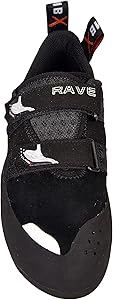
- Closure: Hook-and-loop strap
- Sole: Rubber outsole
- Comfort: Padded collar and heel
- Fit: Size chart recommended
The Climb X Rave Strap is built for climbers who value comfort, simplicity, and affordability. Its straightforward design makes it a popular choice for beginners, gym climbers, and anyone looking for a relaxed shoe for training sessions. The padded collar and heel provide noticeable comfort right out of the box, reducing pressure points and allowing longer wear without discomfort. The single hook-and-loop strap makes getting the shoe on and off quick and easy, which is especially useful during gym sessions or classes.
Performance-wise, the rubber sole offers reliable traction on indoor holds and basic outdoor routes. While it does not aim to compete with high-performance models, it provides enough grip and stability to help new climbers build confidence and footwork skills. The fit is forgiving, but following the sizing chart is important to achieve the right balance between comfort and control. Overall, the Rave Strap is a practical, no-nonsense climbing shoe that focuses on comfort and accessibility, making it ideal for casual climbers and those just starting their climbing journey.
- Pros: Comfortable padding, easy on/off, affordable, beginner friendly
- Cons: Limited performance, less sensitivity
3. BLACK DIAMOND Momentum

- Upper: Engineered knit construction
- Outsole: 4.3mm durable rubber
- Closure: Dual hook-and-loop straps
- Weight: Lightweight, low fatigue design
The Black Diamond Momentum is designed with comfort as its top priority, making it an excellent option for long gym sessions, outdoor cragging, and multi-pitch routes. The engineered knit upper provides breathable stretch and support, allowing the shoe to adapt naturally to your foot shape while maintaining structure. This construction keeps feet cooler during extended climbs and reduces hotspots that often cause discomfort. The dual hook-and-loop straps make it easy to dial in a secure fit and quickly transition between climbs.
The 4.3mm rubber outsole strikes a solid balance between grip and durability. It performs consistently on both indoor plastic holds and natural rock, offering dependable traction for beginners and intermediate climbers. While the Momentum is not built for aggressive overhangs or extreme edging, it excels in all-day usability and reliability. Its lightweight feel minimizes foot fatigue, making it ideal for climbers focused on mileage, technique, and comfort rather than maximum power. Overall, the Momentum is a versatile, approachable shoe that supports steady progression.
- Pros: Excellent comfort, breathable upper, easy adjustment, durable sole
- Cons: Limited aggressiveness, moderate sensitivity
See the BLACK DIAMOND Momentum
4. SCARPA Origin

- Last: Wide, high-volume men’s fit
- Profile: Flat-lasted, slight asymmetry
- Heel: Pressure-absorbing system
- Upper: Leather, stretches over time
The SCARPA Origin is built to help new climbers start strong with comfort and confidence. Its flat-lasted profile and wide, high-volume fit make it especially appealing to climbers who struggle with narrow or aggressive shoes. The design prioritizes natural foot positioning while still offering enough grip to develop proper climbing techniques. The leather upper feels supportive yet forgiving, gradually molding to your foot over time for a personalized fit.
A standout feature is the pressure-absorbing heel system, which distributes tension more evenly and reduces strain on the Achilles tendon. This makes the Origin comfortable for longer sessions, whether you are learning in the gym or climbing easy outdoor routes. While it lacks the sensitivity and power of performance-oriented shoes, it excels as a training and learning tool. For beginners seeking durability, comfort, and a forgiving fit, the SCARPA Origin remains a dependable and confidence-inspiring choice.
- Pros: Very comfortable, wide fit, beginner friendly, supportive heel
- Cons: Minimal downturn, limited performance focus
5. La Sportiva Tarantula Boulder

- Fit: Runs big, size down one full size
- Construction: Half-sole design
- Heel: Enhanced heel hook rubber
- Toe: Integrated rubber toe cap
The La Sportiva Tarantula Boulder is designed for climbers who want a focused shoe for bouldering and technical climbing. Its half-sole construction improves sensitivity and flexibility, allowing better feel on small holds and volumes. The shoe runs large, so proper sizing is important to achieve a snug and responsive fit. Once sized correctly, it offers a secure and supportive feel for dynamic movement.
The updated heel construction significantly improves heel hook performance, with increased rubber coverage for better grip and durability. The integrated rubber toe cap enhances toe hooking and protects high-wear areas, making the shoe well suited for modern bouldering problems. While still comfortable compared to aggressive performance shoes, the Tarantula Boulder leans more toward precision and power. It is an excellent step up for climbers transitioning from beginner shoes into more technical terrain.
- Pros: Strong heel hooking, good sensitivity, durable toe rubber
- Cons: Requires sizing adjustment, less all-day comfort
See the La Sportiva Tarantula Boulder
6. La Sportiva Tarantula Rock
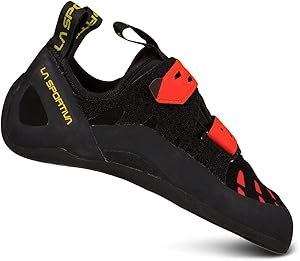
- Closure: Dual hook-and-loop straps
- Upper: All-leather, unlined
- Outsole: FriXion RS rubber
- Midsole: Ultra-thin LaSpoFlex
The La Sportiva Tarantula Rock is aimed at climbers entering the sport who want comfort, adjustability, and durability. Its rounded forefoot and higher-volume design accommodate a wide range of foot shapes, while the hook-and-loop closure system allows quick and precise adjustments. The unlined leather upper is breathable and gradually conforms to the foot, improving comfort over time.
On the wall, the FriXion RS rubber provides dependable grip with excellent durability, making it suitable for frequent gym use. The aggressive rubber heel rand and updated heel cup keep the foot secure during heel hooks and edging. While it is not built for extreme performance, the Tarantula Rock offers a stable and confidence-inspiring platform for learning technique and building endurance.
- Pros: Comfortable fit, durable rubber, easy adjustment
- Cons: Runs large, limited sensitivity
See the La Sportiva Tarantula Rock
7. BLACK DIAMOND Momentum – Women’s
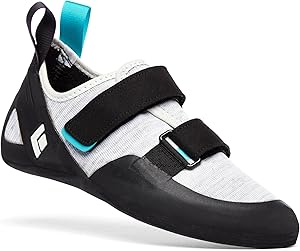
- Fit: Women-specific shape and volume
- Upper: Engineered knit construction
- Outsole: 4.3mm rubber
- Midsole: Soft flex support
The Women’s Black Diamond Momentum is built to deliver all-day comfort with a fit tailored specifically to a woman’s foot. Its balanced profile supports natural movement, making it ideal for gym training, bouldering, and sport climbing. The engineered knit upper adapts smoothly to the foot, providing breathability and moisture control during long sessions.
The 4.3mm rubber outsole offers consistent grip on both indoor and outdoor surfaces, while the soft flex midsole balances sensitivity and support. Dual hook-and-loop straps allow easy adjustments and fast transitions between climbs. Overall, this shoe is a reliable choice for climbers prioritizing comfort, fit, and versatility.
- Pros: Comfortable fit, breathable upper, easy closure
- Cons: Not aggressive, moderate edging power
See the BLACK DIAMOND Momentum – Women’s
8. SCARPA Arpia V
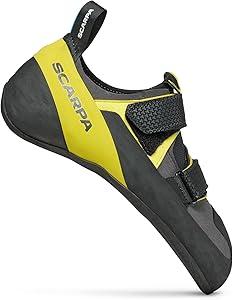
- Profile: Slightly downturned
- Rubber: Vibram XS Grip 2
- Upper: Microsuede synthetic
- Closure: Dual hook-and-loop straps
The SCARPA Arpia V is designed to bridge the gap between comfort and performance. Its slightly downturned profile provides added power on steeper routes while remaining comfortable enough for longer sessions. The microsuede synthetic upper resists stretching, ensuring a consistent fit over time.
Vibram XS Grip 2 rubber delivers excellent traction on both plastic and rock, making the Arpia V versatile for gym and outdoor use. The rubber toe cap enhances toe hooking, while the dual straps provide a secure and adjustable fit. This shoe is ideal for climbers seeking progression without sacrificing comfort.
- Pros: Balanced performance, strong grip, stable fit
- Cons: Less aggressive than advanced shoes
9. SCARPA Drago
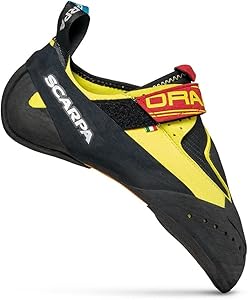
- Profile: Aggressive downturn
- Upper: Synthetic microfiber
- Rubber: Vibram XS Grip 2
- Rand: PCB Active Rand
The SCARPA Drago is built for climbers who demand maximum sensitivity and precision on steep terrain. Its aggressive downturn and thin midsole allow exceptional feel on small footholds, making it ideal for hard sport routes and technical bouldering. The microfiber upper minimizes stretch, ensuring a consistent performance fit.
The Vibram XS Grip 2 rubber provides outstanding friction, while the PCB Active Rand enhances power transfer and sensitivity. This shoe excels on overhangs and modern competition-style problems. While comfort is secondary, the Drago rewards advanced climbers with unmatched responsiveness.
- Pros: Exceptional sensitivity, aggressive performance
- Cons: Less comfortable, advanced fit required
10. SCARPA Instinct VS

- Fit: Wider toe box
- Rubber: XS Edge forefoot, XS Grip 2 heel
- Closure: Dual Velcro straps
- Toe: Large rubber toe patch
The SCARPA Instinct VS is a powerful climbing shoe designed for precision and edging. Its supportive structure and slightly softer sole provide excellent feedback while maintaining stiffness for standing on small edges. The wider fit makes it particularly appealing to climbers with broader feet.
The combination of XS Edge rubber in the forefoot and XS Grip 2 in the heel delivers confidence on technical terrain and heel hooks. The large toe rubber patch enhances toe hooking, making the Instinct VS a versatile choice for sport climbing and bouldering. It offers a strong balance of sensitivity and support.
- Pros: Strong edging, durable rubber, wide fit option
- Cons: Toe box may feel wide for low-volume feet
How to Choose Bouldering Shoes for Beginners
Starting bouldering is exciting, but choosing the right shoes can feel confusing at first. Bouldering shoes are very different from regular footwear, and the wrong choice can lead to discomfort or slow progress. For beginners, the goal is not extreme performance but comfort, confidence, and steady improvement. Understanding how bouldering shoes fit, how they are designed, and what features actually matter will help you make a smart and comfortable choice that supports your learning on the wall.
Why Bouldering Shoes Matter for Beginners
Bouldering relies heavily on footwork. Good shoes help you stand on small holds, smear on flat surfaces, and feel secure when pushing off your feet. For beginners, proper shoes improve balance and control while reducing foot pain. Shoes that are too aggressive or too tight can distract you from learning basic movement and technique. Beginner-friendly shoes allow longer climbing sessions, which helps build strength, coordination, and confidence.
Comfort Should Be the Top Priority
When choosing your first pair of bouldering shoes, comfort matters more than performance. Beginner climbers benefit from shoes that feel snug but not painful. You should be able to stand and walk short distances without severe discomfort. Painful shoes can limit how long you climb and may cause you to focus on your feet instead of learning movement and body positioning.
Snug Fit Without Pain
Bouldering shoes should fit snugly, with no large dead space, but they should not cause sharp pain. Your toes may be slightly bent, but they should not feel crushed. A comfortable fit allows better control and makes climbing more enjoyable, especially during longer gym sessions.
Avoid Over-Tight Sizing
Many beginners believe tighter shoes always perform better. This is not true at the start. Extremely tight shoes can cause foot fatigue and reduce your willingness to climb. It is better to choose a size that feels supportive and comfortable rather than forcing a very tight fit.
Flat vs Downturned Shoes
Bouldering shoes come in different shapes, mainly flat and downturned. Understanding the difference helps beginners choose the right style.
Flat or Neutral Shoes
Flat shoes have a natural foot shape and provide excellent comfort. They are ideal for beginners because they support learning proper foot placement. Flat shoes work well on slabs, vertical walls, and basic bouldering problems found in most gyms.
Slight Downturn for Progression
A slight downturn can help as you improve, but it is not required for beginners. Mildly downturned shoes offer a balance between comfort and added power for steeper climbs. Avoid aggressive downturns early on, as they are less comfortable and harder to use correctly.
Rubber and Grip Explained
The rubber on bouldering shoes affects grip, durability, and feel. Beginners should focus on balanced rubber rather than the softest option.
Moderate Rubber Thickness
Thicker rubber is more durable and forgiving. It lasts longer and supports your feet on small holds. Thinner rubber provides more sensitivity but wears out faster. For beginners, moderate thickness is the best choice.
Reliable Grip Over Sensitivity
You do not need extreme sensitivity as a beginner. Consistent grip helps build confidence when standing on holds. A reliable rubber compound gives enough friction without feeling unstable.
Closure Systems: Lace, Velcro, or Slip-On
Bouldering shoes use different closure systems, and each has its benefits.
Velcro Closures
Velcro is the most popular choice for beginners. It allows quick on and off between climbs and makes adjusting fit easy. This is especially useful during gym sessions with frequent rest breaks.
Lace Closures
Lace-up shoes offer a more precise fit but take longer to put on and remove. They are comfortable and supportive but less convenient for frequent bouldering attempts.
Slip-On Shoes
Slip-on shoes are simple and sensitive but can feel less secure for beginners. They are better suited for experienced climbers who already understand foot placement.
Upper Materials and Breathability
The upper material affects comfort, stretch, and long-term fit.
Leather Uppers
Leather shoes tend to stretch over time and mold to your foot. They are comfortable but may require careful sizing. Beginners should expect some break-in with leather shoes.
Synthetic Uppers
Synthetic materials stretch very little and keep their shape. This makes sizing more predictable. They often offer better breathability, which helps during long indoor sessions.
Heel and Toe Design
Heel and toe features become more important as you progress, but beginners should still understand their purpose.
Simple Heel Construction
A comfortable and secure heel helps with balance and basic heel hooks. Beginners do not need highly aggressive heel designs, just a snug and supportive fit.
Basic Toe Coverage
Toe rubber is useful for toe hooks, but beginners do not need large rubber patches. Basic coverage is enough for learning fundamental movements.
Indoor vs Outdoor Bouldering Considerations
Most beginners start bouldering indoors, but some also climb outside.
Gym Bouldering
Indoor climbing involves plastic holds and volumes. Shoes with durable rubber and comfortable fit work best. Breathability is also important for longer gym sessions.
Outdoor Bouldering
Outdoor rock can be rougher on shoes. Durability and edging support become more important. Beginners climbing outside should still prioritize comfort over aggressive performance.
How Long Beginner Shoes Should Last
Beginner bouldering shoes often wear faster due to developing footwork. This is normal. Choosing a durable shoe helps reduce replacement costs while you learn proper technique. As your footwork improves, shoes will last longer and perform better.
Common Beginner Mistakes to Avoid
Many new climbers make the same mistakes when choosing shoes. Avoid buying overly aggressive shoes, downsizing too much, or choosing shoes based only on looks. Comfort, fit, and practicality matter far more than advanced features at the beginner level.
Final Thoughts
The best bouldering shoes for beginners are comfortable, supportive, and easy to use. A snug but pain-free fit, flat or slightly downturned shape, reliable rubber, and simple closure system will help you focus on learning and enjoying climbing. As your skills grow, you can explore more performance-oriented options, but starting with the right beginner shoe builds a strong and enjoyable foundation.