Best Edging Climbing Shoes of 2026
Finding the right climbing shoes can make a big difference, especially when it comes to edging. Edging climbing shoes are designed to give your feet better support and precision on small edges and narrow holds. Whether you are a beginner learning the basics or an experienced climber tackling tough routes, having shoes that fit well and provide strong edging performance is important. In this guide, we will look at the best edging climbing shoes available, their key features, and what makes them stand out, helping you climb with more confidence.
1. La Sportiva Tarantulace

- Lacing: Quick pull harness for precise fit
- Rubber: Durable FriXion RS for grip and longevity
- Tongue: Lined for moisture management
- User Profile: Versatile for gym and outdoor climbing
The La Sportiva Tarantulace is a versatile climbing shoe that performs well in multiple climbing environments. Its quick pull lacing system allows for a snug and precise fit, keeping your feet secure on small edges and varied surfaces. The FriXion RS rubber ensures excellent grip while remaining durable for long-term use. The lined tongue helps manage moisture, keeping your feet comfortable during extended climbs. This shoe is designed for climbers looking for one reliable pair that can handle both gym and outdoor routes.
Comfort is a key feature of the Tarantulace, making it ideal for all-day climbing sessions. Its jack-of-all-trades design provides support for beginners and intermediate climbers, while experienced climbers benefit from its responsive edging capabilities. Lightweight and breathable, it reduces fatigue without sacrificing performance, making it a dependable choice for different climbing styles and surfaces.
Pros: Comfortable fit, durable rubber, versatile, breathable
Cons: May require time to break in, limited aggressive performance
See the La Sportiva Tarantulace
2. Climb X Rave Strap
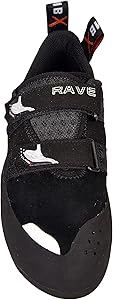
- Rubber Sole: Provides solid grip
- Comfort: Padded collar and heel
- Sizing: Refer to the chart for recommended size
- Closure: Adjustable strap system
The Climb X Rave Strap offers a reliable climbing experience with a focus on comfort and fit. Its rubber sole provides traction for both indoor and outdoor climbs, while the padded collar and heel enhance comfort for long sessions. The adjustable strap closure ensures a secure and personalized fit, making it easy to wear and remove. Climbers will find it supportive for both beginner and intermediate routes.
Lightweight and durable, the Rave Strap allows climbers to maintain foot sensitivity while providing necessary support on small holds. Its versatile design suits gym climbing and outdoor bouldering, making it a solid choice for those seeking dependable performance without breaking the bank. Proper sizing is crucial for the best experience.
Pros: Comfortable padding, secure fit, versatile, durable
Cons: Sizing can be tricky, less aggressive for advanced climbs
3. BLACK DIAMOND Momentum

- Comfort: Engineered Knit Technology for all-day use
- Outsole: 4.3mm durable rubber
- Fit: Two hook-and-loop straps for secure adjustment
- Breathable: Lightweight upper for reduced fatigue
The BLACK DIAMOND Momentum climbing shoes are designed for climbers who prioritize comfort without sacrificing performance. Built with engineered knit technology, these shoes provide stretch, support, and ventilation for long gym sessions or outdoor climbs. The 4.3mm rubber outsole offers reliable grip and durability on both plastic holds and rock surfaces, ensuring consistent performance. Two hook-and-loop straps allow quick adjustments, keeping your feet snug and secure throughout your climb.
These shoes are lightweight, reducing foot fatigue during extended use while providing excellent sensitivity and support. Ideal for beginners and intermediate climbers, they balance comfort with climbing efficiency, making them suitable for multi-pitch routes, bouldering, and general training. Their breathable construction helps keep feet dry and comfortable over long periods, enhancing overall climbing experience.
Pros: Comfortable, breathable, durable rubber, secure fit
Cons: Limited aggressive performance, not ideal for advanced edging
See the BLACK DIAMOND Momentum
4. SCARPA Origin

- Fit: Flat-lasted for comfort and grip
- Sizing: Runs small, recommend street shoe size or larger
- Men’s Fit: Wide last with high volume
- Heel System: Spreads force to reduce Achilles pressure
The SCARPA Origin climbing shoe is designed for comfort-focused climbers who want a reliable entry-level shoe. Its flat-lasted design provides a solid foundation while maintaining comfort, ideal for developing climbing techniques. The wide last and high volume make it suitable for most men’s feet, while the unique heel system reduces pressure on the Achilles without sacrificing forward tension. Climbers will appreciate the all-day comfort and secure feel of the Origin on both gym routes and outdoor climbs.
While not aggressive, the Origin offers enough performance for beginners and intermediate climbers, providing solid edging and smearing capabilities. The leather upper stretches over time, giving a more personalized fit. Overall, it’s a versatile and durable shoe for those prioritizing comfort during long climbing sessions, making it a dependable choice for new climbers building confidence.
Pros: Comfortable, durable, solid grip, beginner-friendly
Cons: Less aggressive for steep climbs, slower break-in
5. La Sportiva Tarantula Boulder

- Sizing: Fits big, order 1 full size smaller
- Construction: Half-sole for movement and sensitivity
- Heel: Enhanced construction for better hooking
- Toe: Rubber cap improves hooking and durability
The La Sportiva Tarantula Boulder is perfect for climbers focused on bouldering and technical rock climbs. Its half-sole construction increases sensitivity and allows broad movement while reducing material waste during resoling. The enhanced heel construction improves heel hook performance, and the integrated rubber toe cap supports toe hooking and durability. These features make it ideal for both gym and outdoor bouldering sessions, giving climbers confidence on small edges and precise footholds.
This shoe is designed to be aggressive yet versatile, making it suitable for climbers seeking a mix of comfort and performance. The sticky FriXion RS rubber ensures reliable grip on rock surfaces, while the rounded forefoot provides a responsive feel. It’s a solid choice for intermediate to advanced climbers who want a shoe that handles technical routes and bouldering challenges efficiently.
Pros: Great sensitivity, durable, enhanced heel/Toe performance, versatile
Cons: Runs large, requires precise sizing, not ideal for long all-day climbs
See the La Sportiva Tarantula Boulder
6. La Sportiva Tarantula Rock
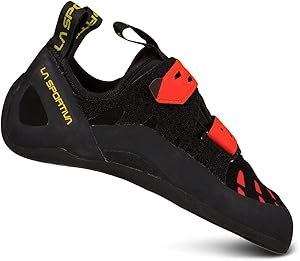
- Sizing: Runs big, size down 1 full size
- Upper: All-leather with stretch insert for fit
- Closure: Two-strap hook & loop adjustable system
- Rubber: Aggressive FriXion RS for edging
The La Sportiva Tarantula Rock climbing shoe is designed for climbers seeking comfort and versatility. Its rounded forefoot and higher volume accommodate a variety of foot shapes, while the leather upper and stretch insert offer a precise fit. The updated heel cup keeps the foot secure, and the adjustable hook & loop straps allow for easy customization. This shoe is ideal for all-day climbing and beginners looking for a reliable, comfortable option.
With the sticky FriXion RS rubber, the Tarantula Rock provides excellent grip and durability, making it suitable for gym sessions and outdoor climbs. Its ultra-thin midsole gives torsional rigidity, enhancing edging performance. Overall, this shoe balances comfort, adjustability, and reliable climbing performance for versatile use across different climbing styles.
Pros: Comfortable, adjustable fit, durable rubber, versatile
Cons: Runs large, less aggressive for steep climbs
See the La Sportiva Tarantula Rock
7. BLACK DIAMOND Momentum – Women’s
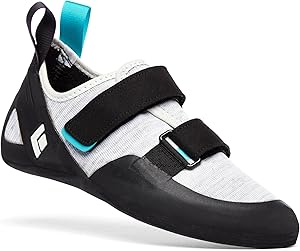
- Fit: Women-specific shape for comfort
- Upper: Engineered knit technology for breathability
- Outsole: 4.3mm durable rubber for grip
- Midsole: Soft flex for control and sensitivity
The Women’s BLACK DIAMOND Momentum offers a precise and comfortable fit tailored to female climbers. Its engineered knit upper adapts to the foot, providing ventilation and moisture control, while the soft flex midsole balances sensitivity and support. The 4.3mm rubber outsole ensures consistent traction on indoor and outdoor surfaces. Dual hook-and-loop straps make on/off transitions and adjustments simple, keeping the shoe secure throughout long climbing sessions.
Ideal for gym training, bouldering, and outdoor sport routes, these shoes emphasize comfort without compromising performance. Lightweight and breathable, the Momentum reduces fatigue, allowing climbers to focus on technique and foot placement. They are a reliable choice for female climbers looking for all-day comfort and dependable edging support.
Pros: Women-specific fit, comfortable, breathable, durable grip
Cons: Not aggressive for advanced climbs, sizing may vary
See the BLACK DIAMOND Momentum – Women’s
8. SCARPA Arpia V
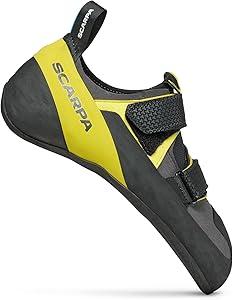
- Fit: Precise and comfortable for challenging climbs
- Shape: Slightly downturned for balance
- Rubber: Vibram XS Grip 2 for traction
- Upper: Microsuede with two hook-and-loop straps
The SCARPA Arpia V is designed for climbers seeking a mix of performance and comfort. Its slightly downturned profile provides support for steep routes while remaining comfortable for longer climbs. The Vibram XS Grip 2 rubber gives reliable traction on rock and plastic surfaces, and the microsuede upper ensures durability and minimal stretch over time. The dual hook-and-loop straps allow a secure and adjustable fit for precise foot placement.
These shoes are versatile enough for both indoor and outdoor climbing, providing the necessary support and sensitivity for intermediate and advanced climbers. The combination of comfort, performance, and durable construction makes the Arpia V a solid choice for challenging routes and bouldering sessions.
Pros: Comfortable, precise fit, durable, versatile
Cons: Slight break-in period, sizing critical
9. SCARPA Drago
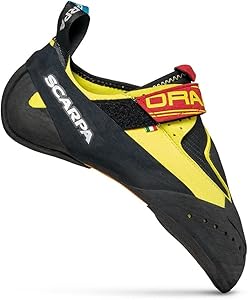
- Fit: Snug synthetic upper, minimal stretching
- Downturn: Aggressive for sensitivity on steep climbs
- Rubber: Vibram XS Grip 2 for sticky traction
- Rand: PCB Active for precision and sensitivity
The SCARPA Drago is built for climbers who need maximum sensitivity and performance on steep sport climbs and technical boulders. Its thin midsole and aggressive downturn allow climbers to feel every edge and hold, while the synthetic upper maintains a precise fit with minimal stretching. The PCB Active rand reduces layers around the foot for greater sensitivity, giving climbers superior control on small footholds.
With Vibram XS Grip 2 rubber, the Drago provides exceptional traction and durability across rock types. This shoe is ideal for advanced climbers seeking performance-oriented footwear that delivers precision and support during demanding routes. Its aggressive design excels in overhangs, technical slabs, and dynamic climbing.
Pros: Sensitive, precise, sticky rubber, aggressive performance
Cons: Less comfortable for long sessions, requires careful sizing
10. SCARPA Instinct VS

- Sizing: Wider fit, downsize half from street shoe size
- Stiffness: Slightly softer than Instinct for sensitivity
- Rubber: XS Edge forefoot, XS Grip 2 heel
- Toe: Large rubber patch for hooks and bat hangs
The SCARPA Instinct VS is a performance climbing shoe designed for climbers who want a balance between sensitivity and support. Its slightly softer sole allows climbers to feel the rock while still providing support for standing on thin edges. The combination of XS Edge in the forefoot and XS Grip 2 in the heel offers excellent grip for various climbing techniques, including heel and toe hooks.
This shoe is ideal for climbers with wider feet or those who prefer a bit more comfort without sacrificing performance. It excels on technical routes, vertical walls, and overhangs, making it a versatile choice for intermediate and advanced climbers seeking precision, grip, and reliable edging capabilities.
Pros: Sensitive, supportive, excellent rubber grip, versatile
Cons: May feel wide for low-volume feet, aggressive climbing requires careful sizing
How to Choose Edging Climbing Shoes
In the intricate dance of rock climbing, few moves are as decisive as standing confidently on a tiny, crystalline edge. This precise act of balancing maximum force onto a minuscule surface area is the realm of edging, and your most critical tool for mastering it is your shoe. Choosing the right edging climbing shoe is not about picking the most aggressive or expensive model; it’s about finding the perfect marriage of fit, form, and function for your feet and your climbing goals.
Understanding the Core Principles of Edging
Before diving into shoe features, it’s essential to grasp what makes a shoe excel at edging. Edging requires a shoe to provide two seemingly opposing qualities: rigid support and precise sensitivity.
Stiffness is Your Foundation
The cornerstone of a great edging shoe is a stiff midsole. Typically made of durable rubber and sometimes incorporating a plastic or nylon “torsional rigidity” shank, this stiffness prevents the shoe from flexing under load. When you stand on a sharp edge, a stiff sole distributes the pressure across your entire foot, reducing muscle fatigue in your toes and allowing you to apply more power for longer. It effectively creates a stable platform, turning your foot into a lever you can trust.
Precision from a Downturned Toe
Most high-performance edging shoes feature a moderately to highly downturned shape. This isn’t just for overhanging rock. The downturn pulls your toes into a powerful, curled position, focusing your body weight directly through the big toe—the natural point of power. This concentrated pressure allows you to “feel” the edge and maximize friction on the smallest of footholds.
Key Features to Analyze in an Edging Shoe
With the principles in mind, you can break down a shoe’s anatomy to assess its edging pedigree.
1. The Midsole: The Engine of Stiffness
Look for terms like “full-length midsole,” “torsional rigidity,” or “high tension rand.” A full-length, unyielding midsole that runs from heel to toe is ideal for pure edging on vertical to slightly overhanging terrain. Some shoes offer a slight flex in the midsole for a blend of edging and smearing comfort, which can be versatile for multi-pitch or long gym sessions.
2. The Toe Box and Rand Construction
A defined, asymmetric shape that channels force toward the big toe is key. The rubber rand—the layer that wraps over the toe—should be tensioned to hold your toe firmly in that powerful position without excessive dead space. The actual toe of the shoe should be narrow and pointed, allowing you to stand on edges no wider than a coin.
3. The Rubber: Hardness and Thickness
For edging, harder rubber compounds (often rated around 5.0 on a relative hardness scale) are generally preferred. Hard rubber deforms less under pressure, providing a more stable platform on small edges. It also tends to be more durable. The rubber is often thick (4mm+) at the toe for longevity, though some advanced models use slightly thinner, stickier rubber for ultimate precision at the cost of faster wear.
4. The Fit: The Non-Negotiable Factor
A perfect edging shoe rendered useless by a poor fit is a common tragedy. The fit must be tight—arguably the tightest of any climbing shoe category—but not painfully crippling.
- No Dead Space: Your toes should be at the end of the shoe, lightly curled, with no gaps anywhere, especially under the arch or at the sides of the toe box. Any space will allow your foot to roll inside the shoe, sacrificing precision.
- Heel Tension: The heel cup should hold your heel firmly without buckling or gaping. A poor heel fit will cause the shoe to slip when you heel hook or generate power through your legs.
- Breaking In: Leather shoes will stretch (up to a full size), while synthetic liners stretch minimally. Account for this when sizing. The shoe should feel “performance snug” from the first try-on, with the expectation that moderate discomfort will ease into a secure, second-skin fit.
Matching the Shoe to Your Climbing Discipline
Not all edging is created equal. The specific type of climbing you do should guide your final choice.
For Sport Climbing & Technical Face Climbing
This is the primary domain of the aggressive, high-performance edging shoe. Look for a highly downturned profile, maximum asymmetry, a full stiff midsole, and a precise, snug fit. These shoes are designed for short, intense efforts on steep, small-hold sport routes or boulder problems.
For Trad & Multi-Pitch Climbing
Here, all-day comfort and support often trump absolute maximum performance. You might opt for a moderately stiff, slightly less aggressive shoe. Some sensitivity is valuable for smearing on granite slabs or finding edges on wandering cracks. A more neutral or moderate downturn is common. The fit should still be snug but can afford to be a half-size more comfortable than a sport-focused shoe.
For Gym Climbing & Training
The gym is a great place to train precise footwork. A dedicated, stiff edging shoe can be an excellent training tool. However, for general gym use, a versatile, moderately aggressive shoe with a blend of edging stiffness and some smearing capability is often the most practical choice, especially if you’re navigating varied wall angles and volumes.
The Final Try-On: Your Personal Assessment
Once you’ve narrowed your choices, the final test is physical. Bring a plastic edge or find a hard, thin surface (like a book spine) to stand on in the store.
- Weight Distribution: Stand on the edge. Does the shoe feel stable, or does it flex? Does your weight feel focused under your big toe?
- Feel the Molding: Walk around. Does the shoe hold your foot in place, or does it shift? Is the pressure even, or are there sharp pain points?
- Compare Extremes: Try on a very stiff shoe and a softer one back-to-back. The difference in support and sensitivity will be immediately apparent.
Choosing the perfect edging shoe is a journey of balancing objective specifications with deeply personal fit. It requires honesty about your climbing level, your foot shape, and your goals. There is no single “best” shoe—only the best shoe for you. By prioritizing a stiff platform, a precise asymmetric toe, and most importantly, a flawless, glove-like fit, you’ll unlock the confidence to trust your feet on the smallest of edges and stand taller on your next vertical challenge.