Best Slab Climbing Shoes of 2026
Looking for the right climbing shoes for long, steep climbs? If you enjoy slab climbing—where smooth, low-angle walls test your balance and footwork—having the right shoes makes all the difference. You need footwear that offers great sensitivity to feel the rock, a sticky rubber sole for grip on tiny holds, and a comfortable fit for all-day wear. This guide will walk you through the best slab climbing shoes available, helping you find the perfect pair to boost your confidence and performance on the wall.
1. La Sportiva Tarantula
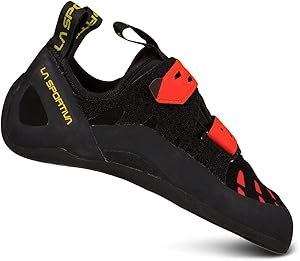
- Upper: Breathable all-leather, unlined
- Closure: Dual hook & loop straps
- Midsole: LaSpoflex ultra-thin platform
- Outsole: FriXion RS rubber
The La Sportiva Tarantula is one of the most popular beginner climbing shoes for good reason. It is designed for climbers who are just getting into the sport and want a comfortable, forgiving shoe that still performs well on both gym walls and outdoor routes. The rounded forefoot and higher-volume design make it easy to wear for long sessions without painful pressure points. The shoe runs big, so sizing down a full size from your street shoe is recommended to achieve a secure but comfortable fit.
The all-leather upper is breathable and adapts to your foot over time, while the stretch insert improves overall fit precision. A redesigned heel cup keeps the heel locked in place, increasing confidence during heel hooks. The FriXion RS rubber provides reliable grip and impressive durability, making it ideal for climbers still developing footwork skills. Overall, the Tarantula balances comfort, adjustability, and durability, making it an excellent entry-level shoe.
- Pros: Very comfortable, durable rubber, easy adjustment
- Cons: Not ideal for steep or highly technical routes
2. BLACK DIAMOND Momentum

- Upper: Engineered knit fabric
- Closure: Dual hook-and-loop straps
- Sole Thickness: 4.3mm rubber outsole
- Weight: Lightweight construction
The Black Diamond Momentum is built for climbers who prioritize comfort during long sessions. Its Engineered Knit Technology allows the shoe to stretch where needed while still offering support, making it ideal for gym climbers, beginners, and multi-pitch routes. The breathable upper helps regulate temperature, keeping feet cooler during extended climbs. The easy hook-and-loop closure system allows quick adjustments between attempts.
The 4.3mm rubber outsole strikes a solid balance between grip and durability. It performs well on plastic gym holds and natural rock, offering reliable traction without wearing out too quickly. The lightweight build reduces foot fatigue, especially during long days at the crag. While not aggressively shaped, the Momentum delivers dependable performance and all-day comfort, making it a great option for climbers who want a relaxed yet capable shoe.
- Pros: Breathable, lightweight, very comfortable
- Cons: Limited precision on steep terrain
See the BLACK DIAMOND Momentum
3. SCARPA Helix Lace

- Closure: Traditional lace-up system
- Rubber: Vibram XS Edge
- Profile: Symmetrical, flat-lasted
- Rand: Passive tension design
The SCARPA Helix Lace is a classic climbing shoe trusted by guides and beginners alike. Its lace-up design allows precise fit adjustment across the entire foot, making it ideal for long days on the wall. The nearly symmetrical shape matches the natural foot position, reducing discomfort and making it well-suited for slab and crack climbing.
The Vibram XS Edge rubber offers excellent edging support and long-lasting durability, helping climbers learn proper foot placement techniques. A padded heel cup enhances comfort without irritating the Achilles tendon. The passive rand prioritizes comfort over aggressive power, allowing you to wear the Helix all day without fatigue. It is a dependable, comfortable shoe for climbers focused on technique and endurance.
- Pros: Excellent comfort, durable rubber, precise lacing
- Cons: Slower on/off than Velcro shoes
4. Climb X Rave
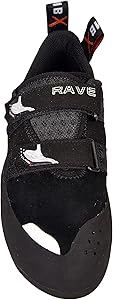
- Outsole: Durable rubber sole
- Fit: Refer to brand sizing chart
- Padding: Cushioned collar and heel
- Design: Beginner-friendly profile
The Climb X Rave is designed as an affordable and comfortable option for new climbers. Its simple construction focuses on comfort, making it suitable for gym sessions and casual climbing. The padded collar and heel reduce pressure points, allowing longer wear without discomfort. The rubber sole provides adequate grip for learning basic techniques.
While not highly aggressive, the Rave performs well for beginners who are still developing confidence on the wall. The shoe is easy to put on and take off, and its forgiving fit accommodates a range of foot shapes. It is a solid choice for climbers seeking a budget-friendly entry into the sport.
- Pros: Affordable, comfortable padding, beginner-friendly
- Cons: Limited performance for advanced climbing
5. SCARPA Origin

- Fit: Wide last, high volume
- Profile: Flat-lasted design
- Heel System: Pressure-absorbing construction
- Sizing: Street shoe size or larger
The SCARPA Origin is built to help climbers start their journey in comfort. Its flat-lasted design reduces foot fatigue, making it ideal for beginners and long gym sessions. The wide, high-volume fit suits many men’s foot shapes, especially those who struggle with narrow climbing shoes.
The pressure-absorbing heel system distributes tension evenly, reducing stress on the Achilles tendon. While the shoe offers moderate grip, its main strength is comfort and stability. The Origin is perfect for climbers who want to focus on learning technique without dealing with painful footwear.
- Pros: Very comfortable, wide fit, beginner-friendly
- Cons: Less sensitivity for advanced moves
6. SCARPA Instinct VS

- Rubber: Vibram XS Edge and XS Grip 2
- Closure: Dual Velcro straps
- Fit: Wider toe box
- Toe Rubber: Extended toe patch
The SCARPA Instinct VS is a performance-oriented climbing shoe designed for experienced climbers. It offers a slightly softer feel than the original Instinct, improving sensitivity without sacrificing support. The wider fit works particularly well for climbers with broader feet.
Vibram XS Edge rubber provides outstanding edging power, while XS Grip 2 rubber on the heel excels during heel hooks. The large toe rubber patch enhances toe hooking ability on steep terrain. This shoe is ideal for bouldering and sport climbing where precision and power matter most.
- Pros: Excellent edging, strong heel and toe hooks
- Cons: Less comfortable for long sessions
7. SoleEase Climbing Shoes

- Fit: Performance-oriented snug fit
- Outsole: High-traction rubber
- Padding: Strategic comfort zones
- Use: Bouldering and sport climbing
SoleEase Climbing Shoes are designed for climbers seeking a balance between performance and comfort. The snug fit enhances control and power transfer, making edging and precise foot placements easier. High-traction rubber delivers reliable grip on both indoor and outdoor surfaces.
Despite their performance focus, these shoes include padding in key areas to reduce pressure during long sessions. The durable construction ensures longevity even with frequent use. SoleEase shoes are a versatile option for climbers who want one pair for multiple climbing styles.
- Pros: Strong grip, durable build, versatile use
- Cons: Requires careful sizing for comfort
See the SoleEase Climbing Shoes
How to Choose Slab Climbing Shoes: A Complete Guide
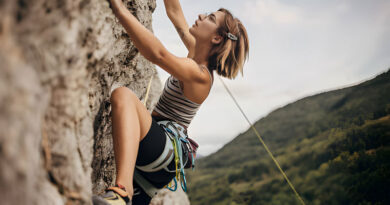
Slab climbing is a unique and subtle art. Unlike steep overhangs where power reigns, slabs demand exceptional balance, precise footwork, and absolute trust in your shoes. The rock is often less than vertical, with tiny edges, smears, and friction-dependent features. Here, your shoes are your primary connection to the wall, making your choice of footwear the single most important piece of gear for success and safety. Choosing the right slab climbing shoes isn’t about picking the most aggressive or popular model; it’s about finding a tool that enhances sensitivity, provides reliable grip, and offers lasting comfort. This guide will walk you through the key considerations to help you find your perfect pair.
Understanding the Demands of Slab Climbing
Before diving into shoe specifics, it’s crucial to understand what your shoes are up against. Slab climbing minimizes the use of your arms and maximizes the role of your feet and legs. You spend long periods standing on minute features, requiring immense concentration and stability.
Key Characteristics of Slab Climbing:
- Low Angle: The wall is often between 60 and 90 degrees, putting your body weight directly over your feet.
- Small Holds: Edges can be mere millimeters wide, and footholds are often just textural imperfections.
- Smearing: A fundamental technique where you rely on the friction of your shoe’s rubber against the rock’s surface, with no distinct edge to stand on.
- Duration: Routes can be long, requiring sustained foot placements without the relief of a big heel hook or rest.
Your shoes must be designed to excel in these precise conditions, translating subtle foot movements into secure placements.
The Four Pillars of a Great Slab Shoe
When evaluating shoes for slab, focus on these four essential attributes: sensitivity, rubber, fit, and stiffness.
1. Sensitivity: Feeling the Rock
Sensitivity is arguably the most critical factor for slab shoes. It refers to how well you can feel the rock through the shoe. A highly sensitive shoe has a thin midsole (the layer between your foot and the outsole rubber) or is built with softer materials, allowing nerve endings in your feet to detect tiny crystals, dimples, and changes in texture. This tactile feedback is vital for making micro-adjustments, finding the sweet spot on a hold, and trusting a smear. While some downturn or asymmetry can be present, the most sensitive shoes often trend toward a flatter, more neutral profile to maximize surface contact.
2. Rubber: The Source of Friction
If sensitivity tells you where to place your foot, the rubber provides the trust. For slabs, you need rubber that is exceptionally “sticky.” Softer rubber compounds deform slightly to match the rock’s micro-contours, creating a larger surface area and better friction for smearing. However, soft rubber wears down faster. A good slab shoe often uses a softer rubber like Vibram XS Grip or similar proprietary blends. The thickness of the rubber also matters; a thinner rubber layer (around 3-4mm) enhances sensitivity, while a slightly thicker patch in the toe area can offer more durability for edging without sacrificing too much feel.
3. Fit: The Foundation of Precision
A perfect fit is non-negotiable. A poorly fitting shoe will compromise all other features. For slab climbing, the ideal fit is snug but not painfully tight. Your toes should be flat or very slightly curled, touching the end of the shoe without being forcibly knuckled under. There should be no dead space—empty pockets where your foot can slide inside the shoe. This slop destroys precision. The shoe should wrap your heel securely to prevent lifting when you step onto a small edge. Remember, leather shoes stretch more than synthetic ones, so factor that into your initial fit. The goal is a second-skin feel that allows you to point your toe with absolute accuracy.
4. Stiffness vs. Flexibility: A Balanced Approach
This is a nuanced balance. A very stiff shoe supports your foot on small edges, dispersing pressure and preventing fatigue on long routes. However, too much stiffness can kill sensitivity and make smearing on blank rock difficult. A very soft, flexible shoe offers supreme sensitivity and smearability but can cause foot fatigue on sustained edging. The best slab shoes find a middle ground: they have enough structure in the midsole to support edging, but the forefoot remains flexible enough to conform to smears. Often, this is achieved with a moderately stiff midsole that doesn’t extend fully into the toe area.
Breaking Down Shoe Profiles and Types
Not all climbing shoes are created equal. Their shape and design dictate their primary use.
Neutral vs. Aggressive Profiles
Aggressive, downturned shoes are designed for overhanging terrain where you need to pull with your feet. For most slab climbing, a neutral (flat) or moderately low-volume profile is preferable. A flat shoe places more of the sole in contact with the rock, which is ideal for smearing. It also keeps your toes in a more natural, comfortable position for long durations. A slight asymmetry (where the shoe curves inward toward the big toe) can be beneficial for targeting precision on small edges, but a severe downturn is usually a hindrance on slabs.
Closure Systems: Lace, Velcro, or Slip-On?
- Laces: Offer the most customizable, precise fit. You can tighten different zones of the shoe independently (e.g., tight over the arch, looser at the toes). This is excellent for fine-tuning and often provides the most secure heel wrap. They are ideal for all-day comfort on multi-pitch slab routes.
- Velcro (Hook-and-Loop): Provide quick on/off and easy adjustability. They offer a good, consistent fit and are popular for gym climbing and single-pitch outdoors. They can sometimes create minor pressure points compared to evenly distributed laces.
- Slip-On (Slipper): Typically the most sensitive option due to their simple, minimal construction. They excel at smearing and feeling the rock. However, they often offer less support and a less secure heel fit, which can be a drawback on longer, edgier slab climbs.
Putting It All Together: Your Selection Process
Now that you know what to look for, here’s a practical step-by-step approach to choosing your shoes.
Step 1: Assess Your Climbing Style and Goals
Are you climbing long, crackless slab routes in Yosemite? Prioritize all-day comfort and support. Bouldering on delicate granite slabs? Max sensitivity and a precise toe might be key. Mostly gym slabs with textured holds? A durable, versatile shoe could be best. Your specific focus narrows the field.
Step 2: Try On, Try On, Try On
Always try shoes on in the afternoon or evening when your feet are naturally more swollen. Wear the socks you intend to climb in (usually thin or none). Different brands and models fit vastly different foot shapes—some are wide, some narrow, some have high volume, some low. Don’t get attached to a model; get attached to a fit.
Step 3: Test the Fit Meticulously
When trying shoes, stand on a flat surface, then mimic a climbing edge by standing on the edge of a book or a baseboard. Feel for hotspots or slippage. Walk around. Can you comfortably keep them on for 10-15 minutes? For slab, a “performance fit” that is tight but not agonizing is the target. You should not be counting the minutes until you can take them off.
Step 4: Consider Your Experience Level
Beginners should lean towards a comfortable, flat, and moderately stiff shoe to build footwork technique without pain. Intermediate climbers can explore more sensitive, precise options. Advanced climbers will have specific preferences but often gravitate toward high-sensitivity slippers or precisely fitting lace-ups for their project’s demands.
Final Thoughts and Recommendations
There is no single “best” slab shoe, as the perfect pair is the one that fits your foot and climbing perfectly. However, shoes consistently praised for slab performance include models like the La Sportiva Mythos (for all-day comfort and laced precision), the Scarpa Helix (a great supportive beginner/intermediate option), the Five Ten Moccasym (a legendary sensitive slipper), and the Evolv Oracle (a sensitive lace-up with great rubber).
Remember, your slab shoes are your partners in balance. By prioritizing sensitivity, sticky rubber, a precision fit, and balanced stiffness, you’ll choose a shoe that doesn’t just go on your foot—it becomes an extension of your body, allowing you to dance up the stone with confidence and control. Take your time, trust your feel, and you’ll find the pair that makes every friction-dependent move feel a little more secure.