Best Trad Climbing Harnesses of 2026
Finding the perfect harness for traditional climbing is about balancing comfort, safety, and functionality. Unlike sport climbing, long trad days require gear that carries heavy racks of equipment without sacrificing a good fit during multi-pitch ascents. The best trad harnesses are built for all-day wear, with ample gear loops and adjustable leg loops for varied movements. This guide highlights top-performing models that keep you secure and supported, so you can focus on the climb and the adventure ahead, not on your gear.
1. BLACK DIAMOND Momentum
- Materials: Nylon, Aluminum, Polyester
- Construction: Dual Core Construction
- Gear Loops: 4 pressure-molded loops + haul loop
- Adjustment: Speed Adjust waistbelt, trakFIT leg loops
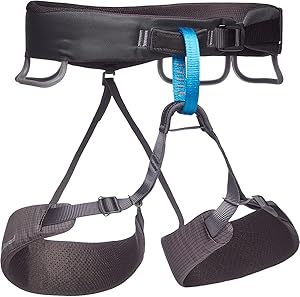
The BLACK DIAMOND Momentum is a versatile climbing harness designed for both beginners and experienced climbers who want dependable comfort and ease of use. Its Dual Core Construction spreads pressure evenly across the waistbelt, reducing hot spots during long gym sessions or outdoor climbs. The padding strikes a smart balance between support and flexibility, keeping the harness comfortable without feeling bulky or restrictive. This makes it an excellent choice for sport climbing, trad routes, and indoor training.
Adjustment is quick and intuitive thanks to the pre-threaded Speed Adjust waistbelt buckle, allowing climbers to dial in the fit within seconds. The trakFIT leg-loop system removes unnecessary straps, keeping the harness clean and low-profile while still offering a secure fit. Four pressure-molded gear loops provide plenty of space for organizing quickdraws, cams, and belay devices, while the rear haul loop adds extra utility. Built from durable, high-strength materials, the Momentum is made to withstand repeated falls, abrasion, and regular use. Its lightweight design keeps movement unrestricted, making it a reliable all-round harness for climbers progressing their skills or logging long days on the wall.
- Pros: Comfortable for long sessions, easy adjustment, durable build
- Cons: Limited padding for big-wall climbing, no ice clipper slots
See the BLACK DIAMOND Momentum
2. BLACK DIAMOND Women’s Momentum
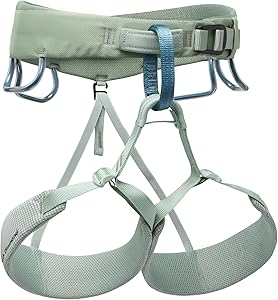
- Fit Design: Women-specific contoured geometry
- Construction: Dual Core Construction
- Gear Loops: 4 pressure-molded loops + haul loop
- Adjustment: Speed Adjust waistbelt, trakFIT leg loops
The BLACK DIAMOND Women’s Momentum Harness is purpose-built to match a woman’s body shape, offering a more natural and supportive fit than unisex designs. The contoured waistbelt and tapered leg loops sit comfortably on the hips and thighs, helping reduce pressure points during extended climbs. Dual Core Construction distributes weight evenly while keeping the harness lightweight, making it suitable for gym climbing, sport routes, and longer outdoor sessions.
Ease of adjustment is a standout feature. The pre-threaded Speed Adjust waistbelt buckle allows quick and secure setup, while trakFIT leg-loop adjustment makes fine-tuning effortless without dangling straps. Four pressure-molded gear loops provide ample space for essential climbing hardware, and the rear haul loop adds versatility for multipitch routes. Soft internal padding paired with a breathable liner improves airflow and comfort in warm conditions. Despite its lightweight feel, the harness remains durable enough for frequent indoor use and rugged outdoor climbing. Overall, this harness delivers dependable comfort, smart organization, and a fit that supports confident movement on the wall.
- Pros: Excellent women-specific fit, breathable padding, lightweight
- Cons: Not ideal for heavy aid climbing, limited adjustability range
See the BLACK DIAMOND Women’s Momentum
3. Ttechouter Climbing Harness

- Material: High-strength polyester fibre
- Load Capacity: Up to 300kg
- Breaking Strength: 25kN
- Weight: 2.2 lbs
The Ttechouter Climbing Harness is designed for users who need a strong, adaptable harness for a wide range of vertical activities. Made from high-strength polyester fibre, it features reinforced stitching and a thickened structure that enhances comfort while maintaining excellent load-bearing performance. The harness feels robust and reassuring, especially for users involved in mountaineering, tree climbing, or work-at-height applications.
Four durable equipment hooks on the waist belt make it easy to carry tools and climbing gear without interfering with movement. High-strength D-rings add another layer of safety and stability, while black adjustment buckles allow fast sizing of both waist and leg loops. The wide adjustment range makes this a true one-size-fits-all option, suitable for many body types. While it is heavier than minimalist sport-climbing harnesses, the added weight reflects its durability and high load rating. This harness is best suited for utility-focused climbing where strength, security, and versatility are priorities.
- Pros: Very high load capacity, wide size range, durable build
- Cons: Heavier than sport harnesses, limited padding breathability
See the Ttechouter Climbing Harness
4. HandAcc Climbing Belts

- Material: Premium polyester
- Breaking Strength: 25kN
- Weight Limit: 300kg
- Certification: CE Certified
The HandAcc Climbing Belt is a simple yet sturdy safety harness aimed at users who need reliable support for general climbing and work-at-height tasks. Constructed from premium polyester, it offers high tensile strength, low friction, and long-term durability. The traditional buckle system helps distribute pressure evenly, while breathable mesh lining in the waist belt and leg loops improves comfort during extended wear.
This harness features a single equipment hook, suitable for hanging a chalk bag or essential tools without obstructing movement. Its wide adjustment range allows it to fit adults and children alike, making it a practical option for families or shared use. While it is CE certified and capable of handling heavy loads, it is not designed specifically for indoor climbing gyms, so users should confirm suitability before use. Overall, it serves as a versatile safety harness for construction, camping, ziplining, rescue, and outdoor climbing applications.
- Pros: Strong load rating, wide size adjustability, breathable lining
- Cons: Only one gear hook, not gym-certified
See the HandAcc Climbing Belts
5. NewDoar Climbing Harness

- Material: High-strength polyester
- Breaking Strength: 18kN
- Weight: 560g
- Certification: CE 1282 EN353-1:2002
The NewDoar Climbing Harness is a lightweight half-body harness designed for comfort and safety across a wide range of climbing activities. Built from high-strength polyester, it offers a reassuring balance of durability and low weight. The thickened waist and leg padding improve comfort, especially during longer belays or repeated rappels.
A reinforced belay loop enhances safety and ensures even weight distribution while climbing. The harness adjusts easily to fit most body sizes, making it suitable for shared use among family members. A single tool ring allows convenient access to essential gear such as a chalk bag or belay device. This harness performs well for indoor and outdoor climbing, tree work, and rescue scenarios, offering dependable support without unnecessary bulk.
- Pros: Lightweight, certified safety standards, comfortable padding
- Cons: Limited gear storage, lower load rating than heavy-duty models
See the NewDoar Climbing Harness
6. SOB Climbing Harness
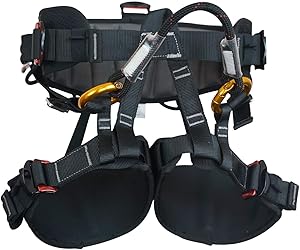
- Material: High-strength polyester
- Breaking Strength: 23kN
- Certification: ANSI Z359.11-2021
- Max Weight: 220 lbs
The SOB Climbing Harness is built with safety and comfort in mind, especially for professional and utility-focused applications. Certified to ANSI Z359.11-2021 standards, it provides dependable strength and stability for working at heights, rescue operations, and technical climbing. The thickened waist cushion improves comfort while maintaining breathability, reducing fatigue during extended use.
Its ergonomic leg-loop design follows the body’s natural shape, offering a secure and comfortable fit. Adjustable straps allow users to fine-tune sizing, while rear tool rings provide space for carrying essential equipment. Reinforced webbing and aluminum alloy buckles distribute pressure evenly and enhance durability. This harness is best suited for users who prioritize safety certifications and structural support over minimal weight.
- Pros: Strong safety certification, comfortable padding, durable materials
- Cons: Heavier than sport harnesses, limited dynamic movement
7. Kailas Airo Rock Climbing Harness

- Material: 90% Polyester, 10% Spandex
- Certification: CE0082 EN12277 UIAA Type C
- Design: Integrated ergonomic frame
- Adjustment: Hot-forged quick buckle
The Kailas Airo Rock Climbing Harness is a lightweight, performance-focused option designed for climbers who value freedom of movement. Its ergonomic waist belt and leg loop construction provide excellent body support while eliminating pressure points. The integrated frame distributes weight evenly, making the harness feel natural and comfortable during long climbs or technical routes.
Breathable mesh lining improves comfort in warm conditions, while multiple tool loops and hanging points allow efficient gear organization. The hot-forged quick buckle enables fast and secure waist adjustment, accommodating different clothing layers. Certified to both CE and UIAA standards, this harness delivers high safety margins with a refined, lightweight feel. It is well suited for rock climbing, mountaineering, ice climbing, and work-at-height scenarios where comfort and mobility are essential.
- Pros: Lightweight and comfortable, excellent mobility, strong certifications
- Cons: Premium price point, minimal padding for hauling
See the Kailas Airo Rock Climbing Harness
How to Choose a Trad Climbing Harness
Selecting the right harness is one of the most critical gear choices a traditional climber can make. Unlike the quick redpoint burns of sport climbing, trad climbing often involves long, multi-pitch routes, complex gear management, and extended hours of hanging in your harness while you place protection or belay. The wrong harness can turn an epic adventure into an exercise in misery, causing hot spots, pressure points, and frustration. The right one becomes an extension of your body—secure, supportive, and almost forgotten as you focus on the rock and the adventure. This guide will walk you through the key features and considerations to help you find your perfect trad partner.
Understanding Trad-Specific Demands
Before diving into features, it’s essential to understand why trad climbing places unique demands on a harness. A sport climbing harness is designed for lightness, minimalism, and quick comfort on shorter climbs. A trad harness, however, must be a workhorse.
Long-Term Comfort is Paramount
You might spend 8-12 hours or more in your harness on a big day. The waistbelt and leg loops need ample, soft padding that distributes weight evenly without pinching. A harness that feels fine in the shop for two minutes can reveal painful pressure points after hanging for twenty.
Gear Carrying Capacity
A trad rack is heavy and bulky, consisting of dozens of cams, nuts, and carabiners. Your harness needs to organize this weight efficiently to keep gear accessible and your center of gravity balanced. This means more and sturdier gear loops.
Versatility for Movement
Trad climbing involves a wider range of stances—from stemming in a dihedral to hanging in aiders. Your harness needs to accommodate these positions without restricting mobility or cutting off circulation.
Key Features to Look For
With those demands in mind, let’s break down the specific elements of a harness that matter most for trad.
Gear Loops: Your Mobile Workshop
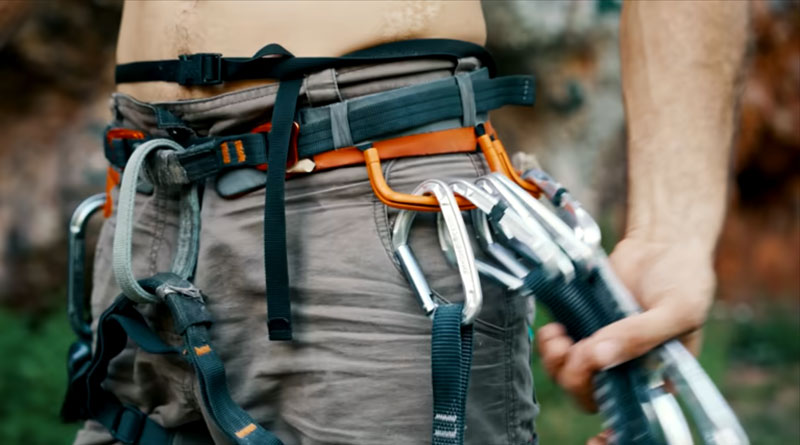
Gear loops are arguably the most critical feature. Look for four to six sturdy, rigid loops. They should be made of stiff plastic or reinforced fabric that stays open, allowing you to clip and unclip gear with one hand, even when the loop is full. The loops should be spaced well around the harness to distribute weight and prevent a cluttered front. Many modern trad harnesses feature “asymmetric” loops—longer in the front for quick draws and cams, and shorter on the sides for specialized gear—which aids organization.
Waistbelt and Leg Loop Adjustability
You’ll likely be climbing in varying layers, from a thin baselayer to a puffy jacket at a cold belay. A double-back buckle waistbelt is non-negotiable for precise, secure adjustment. For leg loops, you have two main choices:
Fixed Leg Loops: Lightweight and simple, but offer less adaptability for different clothing layers or body types.
Adjustable Leg Loops: These feature a buckle or elastic adjustment system. They are highly recommended for trad as they allow for a perfect fit over thin or thick layers, improve blood circulation when sitting for long periods, and make bathroom breaks far easier on multi-day routes.
Padding and Construction
Seek out generous, high-density foam padding in both the waistbelt and leg loops. The padding should be contoured to fit the body’s shape. Look for a waistbelt that is wider in the back to distribute weight across your lumbar and glutes. The tie-in points (the two central loops where your rope ties in) should be reinforced and abrasion-resistant. A “spacer mesh” backing on the waistbelt improves breathability on hot, sweaty days.
Haul Loop and Accessory Attachment Points
A sturdy haul loop at the back of the waistbelt is essential. It’s used for trailing a second rope, clipping a haul bag (on big walls), or attaching a hydration system. Ensure it’s robustly constructed. Some harnesses also include extra reinforced loops for specific purposes, like clipping a portable ledge or a camera.
Weight and Packability: A Balancing Act
While a trad harness will naturally be heavier than a sport model, there is a range. Ultralight harnesses might sacrifice some padding or gear loop sturdiness. A heavier harness often offers more comfort and durability. Consider your typical objectives: for fast-and-light alpine trad, a lighter model may be preferable. For long, single-pitch crack climbs or big walls, the extra comfort of a heavier harness is worth every gram.
Fit: The Non-Negotiable Factor
All the features in the world mean nothing if the harness doesn’t fit your body correctly. A proper fit is about safety and comfort.
How to Properly Try On a Harness
Wear the clothes you would typically climb in. Loosen all straps completely, step into the leg loops, and pull the waistbelt up to your natural waist—above your hip bones. Tighten the waistbelt first. It should be snug enough that you cannot pull it down over your hips, but you should still be able to fit a flat hand between the belt and your body. There should be no gap at the back.
Next, adjust the leg loops. They should be snug but not tight, with no pinching in the thighs or groin. You should be able to fit a few fingers between the loop and your leg. With adjustable leg loops, you can fine-tune this.
Hang Test is Crucial
Most reputable gear shops have a hanging station. You must hang in the harness before buying. Ask an employee to belay you or use the store’s system. Hang freely for at least three to five minutes. Pay attention to:
- Waistbelt: Does it dig into your sides or ribs? Does it stay in place or ride up?
- Leg Loops: Do they cut off circulation or create pressure points on your thighs?
- Overall Feel: Is the weight comfortably distributed, or is there a painful “hot spot”?
If the harness is uncomfortable while hanging, it will be torturous on a real climb.
Types of Trad Harnesses
Harnesses generally fall into a few categories. Understanding these will help narrow your search.
All-Day Trad / Multi-Pitch Harnesses
This is the classic, do-everything trad workhorse. They feature 4-6 rigid gear loops, ample padding, adjustable leg loops, and a robust haul loop. They are designed for maximum comfort during long days and are the most popular choice for dedicated trad climbers.
Big Wall / Aid Climbing Harnesses
These take the “all-day” concept further. They often have even more gear loops (sometimes 8+), extra padding in the seat for hanging in aiders, and numerous attachment points for daisy chains, porta-ledges, and other big wall-specific gear. They are the heaviest and most feature-rich option.
Lightweight / Alpine Harnesses
Designed for climbers who prioritize speed and weight savings on long alpine routes or approaches. They have thinner padding, fewer gear loops (often 4), and may use lighter materials. They often feature adjustable leg loops for versatility but ask you to compromise on pure hanging comfort for reduced weight.
Final Considerations and Recommendations
Your perfect harness is a personal equation balancing fit, features, and intended use.
Match the Harness to Your Climbing
Be honest about the majority of your climbing. If you dream of El Cap but mostly climb weekend multi-pitch at your local crag, a dedicated big wall harness is overkill. A versatile all-day trad harness will serve you better. If you mix sport and trad, perhaps a lighter trad-oriented model is the best compromise.
Don’t Skimp on Safety
Always purchase harnesses from reputable, certified manufacturers (UIAA/CE certified). Inspect your harness regularly for wear, fraying, or damage to the tie-in points and buckle. Retire it according to manufacturer guidelines or at the first sign of significant wear.
It’s an Investment in Joy
A great trad harness is not an expense; it’s an investment in countless days of safe, comfortable adventure. Take your time, try on multiple models from different brands, and insist on a hang test. The rock, the line, and the summit will provide the challenge—your harness should provide unwavering, comfortable support, letting you fully immerse yourself in the pure joy of trad climbing.