Best Alpine Climbing Gloves of 2025
When it comes to alpine climbing, having the right gloves can make a big difference between a safe, comfortable climb and a tough, painful experience. Alpine conditions are often cold, windy, and unpredictable, so your hands need strong protection without losing grip or flexibility. The best alpine climbing gloves keep your hands warm, dry, and secure, while still allowing you to handle ropes, gear, and tools with ease. In this article, we will explore some of the top gloves made for alpine climbing, looking at their features, strengths, and why they stand out. This guide will help you choose the perfect pair for your next adventure.
1. INTRA-FIT Climbing Rope Gloves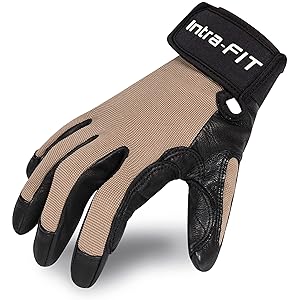
- Material: High-durability leather with reinforced palm
- Design: Full-finger coverage with breathable mesh inserts
- Protection: Heat and friction-resistant construction for rope handling
- Closure: Adjustable wrist strap for a secure fit
These climbing rope gloves are designed with safety and rope management in mind, making them suitable for rappelling, belaying, and various mountain or tree climbing activities. The reinforced palm ensures solid friction resistance, which is crucial when descending ropes or handling heavy loads during rescues. The balance between durability and comfort makes them versatile for both beginners and professionals. Their breathable mesh construction prevents sweaty palms during prolonged climbs, while the leather base provides the rugged durability expected from technical gloves.
In outdoor conditions, the gloves perform exceptionally well, especially during rappelling and belay tasks where rope burn is a concern. The adjustable wrist strap ensures a snug fit, reducing slippage and allowing climbers to maintain control without sacrificing dexterity. However, they lean slightly on the heavier side, which may limit ultra-precise finger movements for advanced climbers. Still, for safety, durability, and protection, these gloves prove highly reliable in demanding alpine and adventure sports scenarios.
Pros:
- Excellent rope friction protection
- Durable leather construction with reinforced palm
- Breathable design reduces sweating
- Adjustable closure ensures proper fit
Cons:
- Slightly heavy for technical finger-work
- May feel stiff until broken in
2. DRYMILE Alpine Waterproof Gloves
- Material: Waterproof outer shell with thermal fleece lining
- Touchscreen: Compatible with smartphones and GPS devices
- Insulation: Designed for cold weather down to sub-zero temperatures
- Application: Multi-purpose use for skiing, biking, climbing, and hiking
The DRYMILE Alpine Waterproof Gloves stand out as versatile cold-weather gloves that balance warmth, usability, and outdoor adaptability. Their waterproof shell paired with thermal fleece lining keeps hands warm and dry in rain, snow, or sleet. The touchscreen capability is a practical addition for modern adventurers, allowing use of phones and navigation devices without removing gloves. While marketed as alpine gloves, their design is equally suited for cycling, hiking, skiing, or even daily commuting in harsh winters.
Performance-wise, these gloves excel in wind and water resistance while still offering decent dexterity for gripping poles, handlebars, or climbing equipment. They are lighter compared to bulkier ski gloves, making them less restrictive and more comfortable during long activities. However, for technical climbing, the insulation thickness may slightly reduce finger agility, limiting precise holds. Nevertheless, for all-around alpine and winter sports, these gloves provide excellent thermal protection and versatility.
Pros:
- Reliable waterproofing and wind resistance
- Warm fleece insulation for cold climates
- Touchscreen capability enhances usability
- Lightweight compared to heavy ski gloves
Cons:
- Reduced dexterity for fine climbing tasks
- Not as durable as specialized leather gloves
3. Black Diamond Crag Gloves
- Material: Synthetic leather with breathable stretch mesh
- Design: Full-finger coverage for rope handling and belay safety
- Closure: Hook-and-loop wrist strap for secure fit
- Certification: CE certified for climbing and mountaineering use
The Black Diamond Crag Full-Finger Gloves are a staple choice for belaying, offering reliable protection against rope friction while ensuring breathability. The synthetic leather palms are built for durability, while the stretch mesh backing provides ventilation during extended use. Unlike bulky insulated gloves, the Crag Gloves prioritize dexterity, making them excellent for handling carabiners, belay devices, and knots with precision.
In practice, these gloves perform best in moderate weather conditions, as they are not insulated for extreme cold but excel in hot or temperate climates. Their lightweight structure ensures comfort without compromising rope safety, which makes them a favorite among sport climbers and belayers. However, due to the thin material, they may not last as long under heavy-duty or professional use compared to thicker leather options. Still, for everyday cragging, these gloves provide outstanding performance and value.
Pros:
- Lightweight and breathable design
- Excellent dexterity for technical handling
- Secure wrist closure prevents slippage
- CE certified for climbing use
Cons:
- Limited cold-weather use
- Durability lower than thicker leather gloves
4. Showa 282-02 Gloves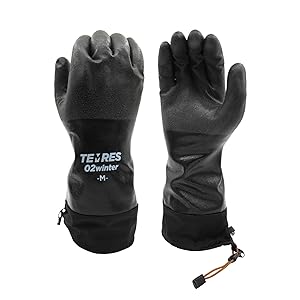
- Material: Insulated acrylic liner with waterproof polyurethane coating
- Design: Extended cuff for full wrist protection
- Breathability: Patented membrane allows moisture escape while blocking water
- Application: Skiing, ice climbing, and winter work use
The Showa 282-02 gloves are industrial-grade insulated gloves repurposed effectively for winter sports and climbing. Their standout feature is the waterproof yet breathable membrane, which allows sweat to escape while keeping external moisture out. The extended cuff provides additional protection against snow ingress, making them particularly useful for skiing or ice climbing where deep snow contact is common.
In field use, these gloves offer impressive thermal insulation while maintaining flexibility. The polyurethane coating ensures a non-slip grip, even on wet or icy surfaces. While they excel in warmth and waterproofing, they are slightly bulkier compared to streamlined climbing gloves, which can limit technical rope handling. However, their toughness and comfort make them a practical crossover option for both alpine sports and outdoor labor in harsh winter conditions.
Pros:
- Superior waterproofing and breathability
- Extended cuff for better snow protection
- Strong insulation for sub-zero use
- Durable grip coating for wet environments
Cons:
- Bulkier design reduces finger precision
- Not as specialized for rope-intensive climbing
5. Petzl Cordex Plus Gloves
- Material: Premium leather with reinforced double-layer palm
- Breathability: Stretch nylon backing for ventilation
- Closure: Low-profile neoprene cuff with hook-and-loop strap
- Application: Belaying, rappelling, and rescue climbing tasks
The Petzl Cordex Plus Gloves are a professional-grade option designed for intensive belay and rappel work. The double-layered leather palm provides exceptional durability against rope wear, while the stretch nylon back ensures hands stay cool even during demanding climbs. The ergonomic design balances dexterity with protection, making them a trusted choice for both recreational and rescue climbers.
In practice, these gloves excel where precision and durability intersect. The leather construction molds to the hand over time, enhancing comfort and grip, while the reinforced palm can handle prolonged rope friction without compromising safety. They may feel stiff out of the box but break in beautifully with use. Although not insulated for cold weather, they remain one of the most reliable gloves for technical climbing operations.
Pros:
- Premium leather durability
- Reinforced palm for heavy rope work
- Breathable backing prevents overheating
- Ergonomic fit for precise handling
Cons:
- Requires break-in period
- Not insulated for winter climbing
6. Intra-Fit Climbing Gloves
- Material: Synthetic leather with breathable stretch fabric
- Design: Lightweight, ergonomic fit with finger mobility
- Closure: Hook-and-loop wrist strap for adjustability
- Application: Suitable for rock, tree, and mountain climbing
The Intra-Fit Climbing Gloves are designed with versatility and comfort in mind, catering to climbers who prioritize breathability and dexterity. Made from synthetic leather with a mesh backing, they strike a good balance between rope protection and hand ventilation. The lightweight design makes them well-suited for long climbing sessions where overheating can be an issue.
In real climbing conditions, these gloves provide solid grip and comfort for rock and tree climbing. They are less bulky than many alpine gloves, which allows better finger control when tying knots or clipping gear. While they may not withstand the same heavy wear as full leather options, they are highly effective for regular climbing activities. Ideal for casual climbers, arborists, or adventure enthusiasts, these gloves deliver functionality without unnecessary weight.
Pros:
- Lightweight and breathable for comfort
- Excellent dexterity for gear handling
- Affordable option for beginners
- Adjustable fit ensures security
Cons:
- Lower durability under heavy rope use
- Not suitable for extreme cold
7. DexShell Waterproof Knit Gloves
- Material: Waterproof knit shell with Porelle membrane
- Design: Touchscreen-compatible fingertips
- Grip: Anti-slip layer for wet conditions
- Application: Running, hiking, and climbing in wet weather
The DexShell Waterproof Knit Gloves are lightweight and versatile gloves tailored for wet-weather activities. With a waterproof yet breathable membrane, they provide excellent comfort for running, hiking, or climbing in rainy and damp conditions. The knit design enhances flexibility, while the touchscreen fingertips ensure you can operate devices without removing gloves—an essential feature in modern outdoor activities.
During use, these gloves excel in maintaining grip and comfort in wet conditions, thanks to the anti-slip layer. They are particularly useful for spring and fall climbing or hiking, where insulation is less important than water resistance. While not intended for harsh winter or rope-heavy climbing, they fill a valuable niche as a lightweight, waterproof option for active outdoor enthusiasts.
Pros:
- Excellent waterproof performance
- Lightweight and flexible for mobility
- Touchscreen compatibility adds convenience
- Good grip in wet conditions
Cons:
- Limited insulation for cold climates
- Not as durable for rope handling
How to Choose Alpine Climbing Gloves
When it comes to alpine climbing, gloves are more than just an accessory—they are essential survival gear. In the harsh, unpredictable environments of high-altitude mountaineering, your hands are exposed to extreme cold, wind, snow, and sharp terrain. Losing dexterity due to frostbite or numb fingers is not only uncomfortable but can also be life-threatening. That’s why choosing the right alpine climbing gloves is a decision every climber should take seriously.
This article will guide you through the key factors, materials, and features to consider when selecting alpine climbing gloves, so you can find the right pair for your specific climbing needs.
Why Gloves Matter in Alpine Climbing
Hands are among the most vulnerable parts of the body in extreme cold. Unlike the core, your body prioritizes blood circulation to vital organs, which means fingers can become cold quickly. In alpine environments, cold hands can:
- Reduce grip strength.
- Limit your ability to handle ropes, carabiners, or tools.
- Increase the risk of frostbite.
- Cause accidents due to lack of dexterity.
A high-quality pair of gloves ensures protection from the elements while allowing enough mobility for climbing tasks.
Key Factors to Consider
1. Weather and Temperature Range
Alpine climbing conditions vary significantly depending on altitude, season, and weather. Gloves should be chosen based on the coldest expected temperatures.
- Mild conditions (above freezing): A lightweight, breathable pair may suffice.
- Moderate cold (-5°C to -15°C / 23°F to 5°F): Insulated gloves are essential.
- Extreme cold (below -15°C / 5°F): Heavily insulated gloves or glove layering systems are needed.
Many climbers use a layering approach, similar to clothing systems, combining thin liner gloves with thicker outer gloves or mittens.
2. Dexterity vs. Warmth
There is always a trade-off between warmth and dexterity:
- Thin gloves offer better dexterity for knot tying, clipping gear, and tool handling, but they provide less insulation.
- Thicker insulated gloves keep hands warmer but reduce fine motor skills.
A common strategy is to carry multiple pairs: thin gloves for technical tasks, mid-weight gloves for general climbing, and mittens for extreme cold or rest periods.
3. Materials
The choice of material directly impacts warmth, breathability, and durability.
- Outer Shell:
- Nylon/Polyester: Lightweight, flexible, and water-resistant.
- Leather (goat leather, cowhide): Excellent durability and grip but may need waterproof treatment.
- Insulation:
- Synthetic (Primaloft, Thinsulate): Quick-drying, insulates even when wet, ideal for alpine use.
- Down: Extremely warm but loses effectiveness when wet—less common for climbing gloves.
- Liner:
- Fleece or wool: Warm and moisture-wicking.
- Merino wool: Soft, odor-resistant, and warm even when damp.
- Removable liners: Offer versatility and easy drying.
- Waterproof/Breathable Membranes:
- Gore-Tex, eVent, or proprietary membranes: Keep water and snow out while allowing moisture to escape. Essential for long alpine climbs.
4. Fit and Comfort
Gloves must fit snugly without restricting movement. Too-tight gloves restrict circulation and make hands colder, while loose gloves reduce dexterity and grip. When trying gloves:
- Make a fist to check if seams pinch.
- Grip an ice tool or carabiner to test dexterity.
- Ensure fingers reach the end without excessive space (air pockets make hands colder).
5. Grip and Palm Design
Alpine climbing requires reliable grip for ropes, carabiners, and tools. Look for:
- Reinforced leather or synthetic palms.
- Textured surfaces for non-slip handling.
- Padding in high-wear areas without sacrificing flexibility.
6. Durability
Rocks, ice, and gear quickly wear down gloves. Durable palms and reinforced fingertips are essential. Leather palms last longer, though they may require care and waterproofing treatments.
7. Cuff Style
Cuff design affects how gloves integrate with jackets and layers:
- Gauntlet-style cuffs: Extend over jacket sleeves, sealing out snow and wind—great for deep snow and stormy conditions.
- Short cuffs: Fit under jacket sleeves, providing better mobility and less bulk—ideal for technical climbing.
8. Weight and Packability
Since alpine climbers often carry multiple glove pairs, weight and packability matter. Lightweight gloves save energy and space, while bulkier mittens should still be compressible enough to stash in a pack.
9. Additional Features
- Leash/Retainer straps: Prevent gloves from dropping when removed.
- Touchscreen compatibility: Handy for navigation devices or phones.
- Pre-curved fingers: Improve natural grip and reduce hand fatigue.
- Removable liners: Allow faster drying and versatility.
Glove Layering Systems
Many climbers use a system of multiple gloves for adaptability:
- Liner Gloves
- Lightweight, breathable, and moisture-wicking.
- Can be worn alone in mild weather.
- Serve as a base layer under thicker gloves.
- Insulated Gloves
- Mid-weight gloves for most climbing tasks.
- Provide warmth with dexterity.
- Mittens (Overmitts)
- Maximum warmth for extreme cold.
- Used during rest periods or when dexterity is less important.
This system allows climbers to adjust gloves depending on activity level and conditions.
Common Mistakes to Avoid
- Choosing only one pair: Conditions change—bring multiple options.
- Prioritizing warmth over dexterity: You still need to tie knots and place gear.
- Ignoring waterproofing: Wet gloves quickly sap heat.
- Overlooking durability: Thin materials wear out fast against rock and ice.
- Buying ill-fitting gloves: Poor fit reduces performance and increases risk of frostbite.
Recommended Gloves for Alpine Climbing
While specific models vary by brand and budget, here are general categories:
- Liner gloves: Merino wool or lightweight fleece.
- Technical climbing gloves: Durable leather palms, moderate insulation, waterproof membrane.
- High-altitude mittens: Expedition-level down or synthetic mitts with removable liners.
Brands like Black Diamond, Outdoor Research, Rab, Hestra, Arc’teryx, and Mountain Hardwear are trusted among climbers for high-quality alpine gloves.
Care and Maintenance
Alpine gloves are an investment. Proper care extends their lifespan:
- Dry thoroughly after each climb—avoid direct heat that can damage materials.
- Reapply waterproof treatments to leather or DWR coatings.
- Store properly in a cool, dry place.
- Carry spare liners to swap out wet ones during climbs.
Conclusion
Choosing the right alpine climbing gloves is about balancing warmth, dexterity, and durability while preparing for a range of conditions. No single glove can handle every situation, which is why layering systems and multiple pairs are the standard approach.
When selecting gloves, consider the expected weather, fit, insulation, materials, and features. Above all, test them in conditions similar to your climb before relying on them in the high mountains. With the right gloves, you can protect your hands, maintain performance, and focus on what matters most—enjoying the climb and staying safe.