
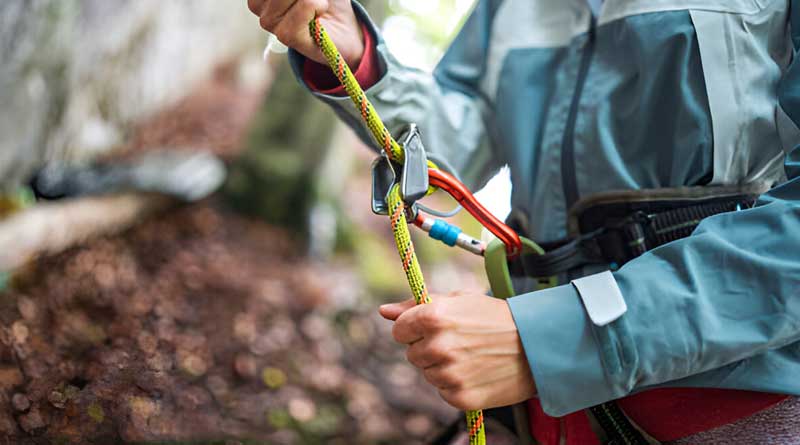
Best Belay Devices for Beginners of 2025
If you are new to climbing, one of the first and most important pieces of gear you will need is a belay device. A belay device is what keeps both you and your climbing partner safe by helping control the rope during climbing and lowering. For beginners, choosing the right belay device can feel confusing because there are many different types and designs available. Some are very simple and easy to use, while others offer extra safety features. In this guide, we will break down the best belay devices for beginners, explain how they work, and help you pick the one that suits your needs and comfort level.
1. Black Diamond ATC-XP Belay Device
- Type: Tube-style belay device
- Weight: ~64g
- Rope Compatibility: 7.7–11 mm
- Friction Modes: High-friction and standard mode
The Black Diamond ATC-XP is a classic choice for new climbers because of its simplicity, lightweight design, and reliable friction control. Its two friction modes make it versatile, allowing you to switch between standard and high-friction depending on the rope diameter or belaying scenario. Beginners especially appreciate the high-friction setting, as it provides additional control during braking, reducing the chances of rope slippage.
Built from durable aluminum, the ATC-XP has wide rope slots for smooth feeding and lowering. It doesn’t have moving parts, making it almost maintenance-free and ideal for those who are just learning proper belay techniques. While it lacks the assisted-braking features of advanced devices, it’s a perfect training tool that teaches climbers the fundamentals of rope handling, control, and attentiveness.
Pros
- Lightweight and easy to carry
- Durable, simple design
- Dual-friction mode for versatility
- Great for learning fundamentals
Cons
- No assisted-braking feature
- Requires constant attention from belayer
2. PETZL GRIGRI Belay Device
- Type: Assisted-braking device
- Weight: ~175g
- Rope Compatibility: 8.5–11 mm (optimized for 8.9–10.5 mm)
- Mechanism: Cam-assisted braking system
The Petzl GRIGRI is perhaps the most recognized belay device worldwide, particularly popular among sport climbers and indoor gym users. Its cam-assisted braking mechanism provides an added layer of safety by locking the rope when sudden falls occur. For beginners, this extra security is invaluable, as it allows them to focus on learning belay techniques while still benefiting from mechanical support.
Despite being slightly heavier than tube devices, the GRIGRI offers smoother lowering, controlled descent, and reliable catch performance. New climbers might face a slight learning curve in handling the lowering lever correctly, but once mastered, it delivers precise rope control. It’s durable, versatile, and suitable for both top-rope and lead belaying, making it a long-term investment for climbers who plan to progress quickly.
Pros
- Assisted-braking for added safety
- Smooth lowering and control
- Long-lasting and reliable
- Ideal for indoor and sport climbing
Cons
- Heavier than tube-style devices
- Requires practice to operate lowering handle correctly
3. Black Diamond Big Air ATC XP Belay Device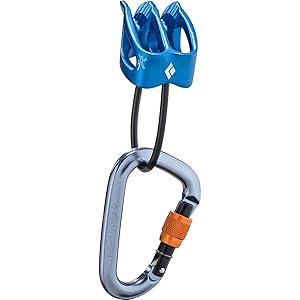
- Type: Tube-style belay device + locking carabiner combo
- Weight: ~80g (device)
- Rope Compatibility: 7.7–11 mm
- Friction Modes: Standard and high-friction
The Black Diamond Big Air ATC XP combines the ATC-XP belay device with a reliable locking carabiner, making it a great starter kit for beginners. The inclusion of both ensures compatibility and reduces the hassle of finding the right carabiner to match the belay device. Like the ATC-XP, it provides two friction modes, giving climbers confidence and flexibility when learning belay techniques.
Its lightweight and durable build makes it easy to carry on outdoor trips, while the high-friction setting helps beginners maintain better control during belaying or rappelling. This combo is particularly attractive for those just entering the sport, as it covers essential gear in one purchase. It may not offer the advanced safety of assisted-braking devices, but as a learning tool, it’s reliable and budget-friendly.
Pros
- Includes carabiner, ready-to-use kit
- Dual-friction settings for versatility
- Lightweight and durable
- Affordable beginner option
Cons
- No assisted-braking
- Carabiner adds extra bulk compared to standalone device
4. Black Diamond ATC Pilot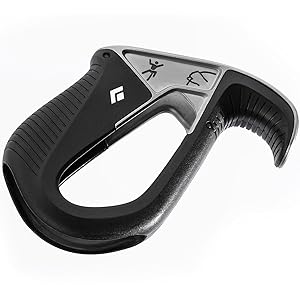
- Type: Assisted braking tube device
- Weight: ~86g
- Rope Compatibility: 8.7–10.5 mm
- Construction: Stainless steel with ergonomic grip
The Black Diamond ATC Pilot blends the simplicity of a tube-style device with the safety benefits of assisted braking. Unlike fully mechanical devices, the ATC Pilot has a camming design that automatically engages under sudden loads, providing more confidence for beginner belayers. Its stainless-steel build adds to its durability, while the ergonomic grip makes handling smooth and comfortable.
Beginners benefit from the controlled lowering and smoother rope handling this device offers compared to standard tube devices. It’s also lightweight, making it appealing for both gym sessions and outdoor sport climbs. While not as intuitive as the GRIGRI, it strikes a balance between affordability, safety, and usability, making it a solid step-up for climbers seeking more security than basic tube devices provide.
Pros
- Assisted braking adds safety
- Smooth lowering with excellent control
- Durable stainless-steel build
- Lightweight and ergonomic design
Cons
- Requires practice to master lowering technique
- Not as fully automatic as GRIGRI
5. Ito Rocky Stop Descender
- Type: Descender with anti-panic assisted braking
- Weight: ~350g
- Rope Compatibility: 9–12 mm
- Mechanism: Auto-stop with panic braking function
The Ito Rocky Stop Descender is designed with maximum safety in mind, making it especially appealing for beginners who may be nervous about handling ropes. Its auto-stop feature locks the rope in place when released, while the anti-panic braking system prevents accidents by automatically engaging if the user pulls too hard on the lever. These mechanisms make it one of the safest beginner-friendly devices available.
Although heavier than most belay devices, the Ito Rocky Stop Descender doubles as a rappelling tool, giving it extra functionality for outdoor climbers. Beginners may initially find it bulky, but the security features and controlled descent make it worthwhile. It’s particularly suitable for new climbers who prioritize safety and for those planning to do both climbing and rappelling.
Pros
- Auto-stop function for maximum safety
- Anti-panic system prevents mishandling accidents
- Works for both belaying and rappelling
- Very secure for beginners
Cons
- Heavier and bulkier than other devices
- Less smooth rope handling compared to tube-style devices
6. Trango Vergo
- Type: Assisted-braking belay device
- Weight: ~195g
- Rope Compatibility: 8.9–10.7 mm
- Design: Ergonomic right-hand orientation
The Trango Vergo is an innovative assisted-braking device designed with an ergonomic shape for comfort and efficiency. Unlike traditional assisted devices, it emphasizes natural hand movements, reducing strain and providing a smooth belaying experience. For beginners, this means less awkward handling and more intuitive control over the rope.
It features a low-profile design that keeps the rope path straight, improving efficiency and reducing wear. Although it requires practice to fully master, its assisted braking feature offers the security new climbers seek. The Trango Vergo is a bit heavier than some competitors, but its blend of safety, ergonomics, and reliability makes it a strong choice for both indoor gyms and outdoor sport climbing.
Pros
- Ergonomic design reduces strain
- Assisted-braking adds security
- Efficient rope path reduces wear
- Smooth belaying and lowering
Cons
- Slightly heavy compared to other devices
- Learning curve for correct usage
7. Mammut Smart 2.0
- Type: Assisted-braking tube device
- Weight: ~80g
- Rope Compatibility: 8.7–10.5 mm
- Design: Passive-assisted camming action
The Mammut Smart 2.0 is a popular choice among beginner and intermediate climbers thanks to its lightweight design and passive-assisted braking mechanism. Its camming action automatically engages during sudden falls, providing added confidence and safety while still teaching beginners the importance of active rope management. The lightweight build makes it a great companion for climbers who don’t want bulky gear.
In use, the Smart 2.0 offers smooth rope feeding for lead climbing and controlled lowering, making it versatile for both gym and outdoor climbing. Its simple design eliminates complex moving parts, keeping maintenance easy while still delivering advanced safety. For beginners seeking a device that balances security and simplicity, the Mammut Smart 2.0 is an excellent choice.
Pros
- Lightweight and compact
- Assisted braking for added safety
- Smooth rope feeding and lowering
- Low-maintenance design
Cons
- Not fully automatic like GRIGRI
- Takes practice to perfect lowering technique
Here’s a detailed draft of your 1000-word article on how to choose belay devices for beginners:
How to Choose Belay Devices for Beginners
Belaying is one of the most important skills every climber must learn. It ensures the climber’s safety by controlling the rope, catching falls, and lowering them safely back to the ground. At the heart of this process is the belay device, a small but essential piece of gear that acts as a brake, giving the belayer better control over the rope. For beginners, choosing the right belay device can feel overwhelming, especially with so many designs and technical features available. This guide breaks down the types of belay devices, their pros and cons, and what beginners should consider before making their first purchase.
What is a Belay Device?
A belay device is a mechanical tool used by climbers to manage the rope during belaying. It creates friction on the rope, allowing the belayer to control the climber’s movement, arrest falls, and smoothly lower them after a climb. While it may seem like a small piece of metal, the belay device is one of the most critical components of climbing safety.
Why Choosing the Right Belay Device Matters for Beginners
For beginners, the right belay device can make the learning process smoother and safer. A device that is too advanced may feel confusing and intimidating, while a very basic one might lack features that improve safety or ease of use. Since the belayer is responsible for their partner’s safety, selecting the right device is not only about comfort but also about responsibility.
Types of Belay Devices
There are three main types of belay devices commonly used today. Each comes with its own advantages, drawbacks, and suitability for beginners.
1. Tube-Style Belay Devices (ATC-Type)
Description:
These are the most common belay devices and are often shaped like a small tube or block of metal with one or two slots for the rope. They are lightweight, affordable, and simple to use.
Pros:
- Easy to learn and beginner-friendly.
- Lightweight and compact, ideal for gym climbing or sport climbing.
- Inexpensive compared to other types.
- Works well for belaying and rappelling.
Cons:
- Requires constant attention and correct hand technique.
- Does not provide assisted braking.
- Belayer must be extra vigilant to arrest falls.
Best For:
Absolute beginners, gym climbers, and those who want to practice fundamental belay techniques without relying on mechanical assistance.
2. Assisted-Braking Belay Devices
Description:
These devices (often called “auto-locking” belay devices) assist the belayer by automatically engaging a camming mechanism or pinching the rope when a sudden force is applied, such as during a fall. Popular examples include the Petzl GriGri, Black Diamond Pilot, or Edelrid Jul.
Pros:
- Provides extra safety by assisting with braking.
- Great for sport climbing where falls are frequent.
- Reduces the physical strain on the belayer.
- Widely accepted in gyms and outdoor climbing areas.
Cons:
- Heavier and bulkier than tube-style devices.
- More expensive.
- Requires careful rope handling to avoid misuse.
- Not always suitable for rappelling or multipitch use.
Best For:
Beginners who want an added margin of safety, especially for indoor sport climbing or single-pitch outdoor routes.
3. Figure Eight Devices
Description:
Shaped like the number eight, these devices were once common for belaying but are now mostly used for rappelling. They are not recommended for beginner belayers in most modern climbing contexts.
Pros:
- Great for smooth rappelling.
- Simple, durable design.
Cons:
- Not designed for modern belaying standards.
- Can twist ropes.
- Lacks assisted braking features.
Best For:
Rappelling enthusiasts or cavers, not recommended for beginner climbers focused on belaying.
Key Features to Consider When Choosing a Beginner’s Belay Device
1. Rope Compatibility
Every belay device has a recommended rope diameter range, usually printed on the device itself. Beginners often climb in gyms or sport routes where ropes are between 9.5–10.5 mm. Make sure your device works with the ropes you plan to use.
2. Weight and Size
A lightweight device is easier to carry, especially for long approaches outdoors. However, for indoor climbing, weight is less of a concern. Beginners may prefer slightly larger devices that feel comfortable in the hand.
3. Cost
For beginners, affordability matters. Tube-style devices are the cheapest and most accessible, while assisted-braking devices cost significantly more but provide extra safety.
4. Ease of Learning
Some devices are more intuitive than others. Tube-style devices teach excellent rope management skills, while assisted-braking devices reduce the margin of error but require careful attention to proper usage.
5. Safety Margin
Assisted-braking devices add a layer of safety, but they should never replace proper belay technique. Beginners who want reassurance often lean toward assisted-braking devices like the Petzl GriGri, while those focused on mastering fundamentals may choose a tube device like the Black Diamond ATC.
Common Mistakes Beginners Make When Choosing Belay Devices
- Overcomplicating the Choice – Some beginners think they need the most advanced device available. In reality, a simple tube device or an entry-level assisted-braking device is more than enough.
- Ignoring Rope Diameter – Using a device not suited to the rope size can compromise safety. Always match the rope and device specifications.
- Not Practicing Proper Technique – A belay device is only as safe as the person using it. Beginners sometimes assume assisted-braking devices are “auto-locking” and neglect good belay habits.
- Buying Based on Price Alone – While affordability is important, choosing the cheapest device without considering features may limit versatility.
Recommendations: Best Belay Devices for Beginners
- Black Diamond ATC-XP or ATC-Guide (Tube-Style) – Simple, reliable, and affordable. Great for mastering fundamentals.
- Petzl GriGri+ (Assisted-Braking) – Beginner-friendly with additional safety features, though heavier and more expensive.
- Edelrid Jul2 (Assisted-Braking) – Lightweight, compact, and works well with single ropes.
- Mammut Smart 2.0 (Assisted-Braking) – Affordable and intuitive, ideal for beginners wanting a step-up from tube devices.
Tips for Beginners Learning to Belay
- Always keep your brake hand on the rope, no matter what device you use.
- Practice with an experienced climber or under supervision at a climbing gym.
- Watch manufacturer tutorials and read the instructions that come with your device.
- Start with mock belays (belaying without a climber) to get comfortable with rope handling.
- Consider taking a belay class at your local gym for hands-on training.
Final Thoughts
Choosing the right belay device as a beginner is about balancing simplicity, safety, and learning. Tube-style devices are excellent for teaching fundamentals and staying budget-friendly, while assisted-braking devices provide added peace of mind for those worried about mistakes. No matter which you choose, remember that good belay technique is far more important than the device itself. With practice, attention, and the right gear, belaying can become second nature and open the door to a lifetime of safe and enjoyable climbing adventures.