Best Mountaineering Harnesses of 2025
Climbing mountains is an exciting adventure, but it also comes with risks, which is why the right gear is so important. A mountaineering harness is one of the most essential pieces of equipment for any climber, as it keeps you safe, secure, and comfortable while scaling heights. Whether you are tackling snowy peaks, steep rock faces, or mixed alpine routes, a good harness provides the support and confidence you need. With so many options available, it can be difficult to choose the right one. In this article, we look at the best mountaineering harnesses to help you
1. Black Diamond Momentum Harness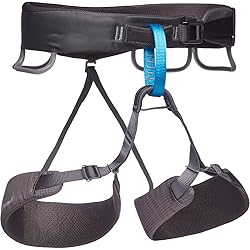
- Material: Nylon webbing with Dual Core Construction™
- Weight: ~350 g (Medium size)
- Gear Loops: Four pressure-molded gear loops + rear haul loop
- Adjustment: Speed-adjust pre-threaded waist belt buckle
The Black Diamond Momentum is one of the most trusted entry-to-intermediate level climbing harnesses available. Its design prioritizes comfort and simplicity, making it a favorite for climbers who split time between indoor gyms and outdoor crags. The Dual Core Construction™ ensures the waist belt remains supportive without being overly rigid, while breathable padding keeps the harness comfortable during extended sessions. The pre-threaded Speed Adjust buckle eliminates the hassle of double backing, making it fast and safe to secure.
Where the Momentum shines is versatility. With four gear loops and a haul loop, it’s capable of carrying enough quickdraws or trad gear for most climbs. Its lightweight frame makes it suitable for multipitch climbing, though alpine specialists may find lighter harnesses more appealing. Overall, this harness balances durability, comfort, and affordability, making it a strong choice for climbers who want one harness that does it all.
Pros
- Excellent comfort for its weight
- Quick, beginner-friendly buckle system
- Good balance between indoor and outdoor use
- Durable with long lifespan
Cons
- Slightly heavier than alpine-specific harnesses
- Fixed leg loops limit fit adjustments
2. Petzl Altitude Harness
- Material: High-tenacity polyester webbing
- Weight: ~150 g (L/XL size)
- Gear Loops: Two minimalistic gear loops
- Adjustment: DoubleBack Light buckle with FAST adjustment system
The Petzl Altitude harness is purpose-built for ski mountaineering and alpine expeditions where weight and packability matter most. At only ~150 g, it’s one of the lightest harnesses available, folding down small enough to fit in a jacket pocket. Its construction makes it possible to don the harness while wearing crampons or skis, a huge benefit for ski touring or glacier travel. The DoubleBack Light buckle system provides quick adjustments without bulk, keeping things simple yet reliable in cold or technical environments.
Despite its featherweight design, the Altitude still offers enough functionality for safety. The two gear loops are slim but functional, carrying essentials like ice screws or prusiks without excess weight. However, it isn’t designed for hanging belays or long rock climbs, as padding is minimal and comfort is secondary to ultralight performance. For climbers prioritizing speed, weight, and alpine efficiency, this harness is a top contender, though it’s not a do-everything option.
Pros
- Extremely lightweight and compact
- Can be worn over skis or crampons
- Quick buckle system for adjustments
- Ideal for ski touring and glacier travel
Cons
- Minimal comfort for hanging or long belays
- Limited gear loops and racking capacity
3. Adjustable Thickness Climbing Harness
- Material: High-strength polyester with reinforced stitching
- Weight: ~700 g
- Gear Loops: Two side gear loops
- Adjustment: Fully adjustable waist and leg straps
This Adjustable Thickness Climbing Harness is designed as a versatile safety solution for a wide range of vertical activities, from fire rescue and tree work to caving and rappelling. Its durable polyester construction and reinforced stitching make it reliable for demanding tasks where security is paramount. The fully adjustable waist and leg straps allow for a customized fit, making it suitable for multiple body types and scenarios where quick gear distribution is needed.
While not as lightweight or refined as climbing-specific harnesses, it compensates by offering robustness and a straightforward design. The thicker build provides durability and a sense of security, especially for rescue and work applications. However, its heavier weight and lack of specialized climbing features like molded gear loops or breathable padding make it less ideal for technical rock or alpine pursuits. This harness is better suited to industrial, rescue, and utility use, with occasional crossover into climbing.
Pros
- Strong and durable construction
- Fully adjustable for various body sizes
- Reliable for rescue and utility applications
- Budget-friendly and multipurpose
Cons
- Heavier and bulkier than sport harnesses
- Not optimized for long climbing sessions
4. Kailas B3 Harness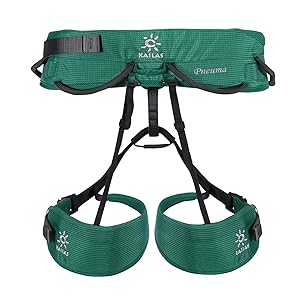
- Material: Reinforced polyester webbing with foam padding
- Weight: ~450 g
- Gear Loops: Four gear loops + rear haul loop
- Adjustment: Quick-adjust waist and leg buckles
The Kailas B3 harness is built for durability and adaptability, catering to climbers who engage in both indoor and outdoor climbing. Its padded waist and leg loops provide a balance of comfort and support, making it well-suited for sport climbing, rappelling, and even roofing or work-at-height tasks. The quick-adjust buckle system ensures a secure fit, while the multiple gear loops provide ample racking capacity for protection gear.
Compared to higher-end alpine harnesses, the B3 is slightly heavier, but it compensates with a solid, dependable feel. The construction is rugged enough to withstand frequent use, making it a good option for climbers who value reliability over ultralight performance. For those looking for a harness that transitions between recreational climbing and utility work, the Kailas B3 offers versatility at a reasonable price point.
Pros
- Comfortable padding for extended wear
- Multiple gear loops for trad or work gear
- Durable construction for frequent use
- Adjustable for men and women
Cons
- Heavier than minimalist alpine harnesses
- Bulkier for ski mountaineering use
5. Fusion Climb Centaur Harness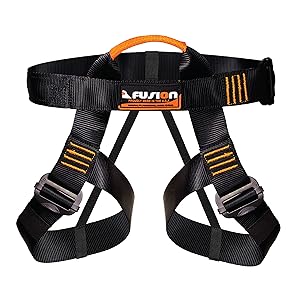
- Material: Heavy-duty polyester webbing
- Weight: ~800 g
- Gear Loops: Two side gear loops
- Adjustment: Fully adjustable waist and leg straps
The Fusion Climb Centaur harness is designed primarily for group, institutional, or training settings, such as climbing gyms, outdoor schools, and zipline parks. Its standout feature is its simplicity and heavy-duty construction, which allows it to withstand repeated use by multiple climbers. The fully adjustable design ensures it fits a wide range of body types, making it practical for organizations managing large groups.
While its industrial strength and adjustability make it reliable, the harness does sacrifice some comfort. Padding is minimal, and the harness feels heavier than performance-focused alternatives. However, for applications like rappelling, rescue, or ziplining, its durability and universal fit are major advantages. It’s not the go-to choice for climbers seeking long-term comfort on multipitch routes, but it excels as a safe, practical solution for instructional and recreational environments.
Pros
- Extremely durable and long-lasting
- Fits a wide range of body sizes
- Ideal for group or institutional use
- Affordable for bulk purchases
Cons
- Minimal padding and comfort
- Heavier than climbing-specific harnesses
6. Petzl Corax Harness
- Material: Nylon and polyester with EVA foam padding
- Weight: ~490 g (Size 2)
- Gear Loops: Four gear loops + rear haul loop
- Adjustment: DoubleBack buckles on waist and legs
The Petzl Corax is one of the most versatile harnesses available, designed to handle everything from rock climbing and ice climbing to mountaineering. Its fully adjustable waist and leg loops ensure a precise fit across a range of body types, making it a solid all-rounder. The EVA foam padding adds comfort for longer sessions, while the rugged construction provides confidence in harsh environments.
The Corax is especially appealing for climbers who want one harness for multiple disciplines. With four gear loops and a haul loop, it’s spacious enough for trad climbing or alpine missions. It’s heavier than ultralight alpine harnesses, but the comfort and durability make up for it. Overall, the Corax stands out as a reliable, do-everything harness suitable for climbers who value versatility and dependability over minimalism.
Pros
- Fully adjustable for precise fit
- Comfortable foam padding
- Suitable for multiple climbing disciplines
- Durable construction
Cons
- Heavier than alpine-specific models
- Bulkier compared to ultralight harnesses
7. SOB Full Body Harness
- Material: High-strength polyester with reinforced load-bearing points
- Weight: ~1.5 kg
- Design: Full-body with chest and waist support
- Adjustment: Multiple adjustable straps for custom fit
The SOB Full Body Climbing Harness is designed with maximum safety in mind, offering full-body coverage that distributes load evenly across the torso and waist. This makes it particularly valuable for rescue operations, tree work, and working at height, where fall protection is paramount. The robust polyester construction and reinforced load-bearing points enhance security, while the adjustable straps allow for a wide range of body sizes.
Though heavier and bulkier than half-body climbing harnesses, the SOB harness provides a sense of unmatched security. For climbers, it may feel restrictive, but for workers and rescuers it ensures safety remains the top priority. Its thickened and widened straps reduce pressure points, allowing for longer wear during demanding operations. For those prioritizing maximum protection over agility, this harness is an excellent choice.
Pros
- Superior safety with full-body design
- Distributes load evenly across torso
- Highly adjustable for various users
- Strong construction for demanding tasks
Cons
- Heavy and bulky compared to sport harnesses
- Restrictive for technical climbing movements
How to Choose Mountaineering Harnesses
Mountaineering is a thrilling pursuit that combines adventure, endurance, and technical skill. Whether you are ascending snow-covered peaks, tackling alpine rock routes, or traversing glaciers, safety remains paramount. One of the most crucial pieces of equipment in your mountaineering kit is the harness. A well-chosen harness not only provides comfort and security but also enhances mobility and efficiency during climbs. With numerous options available, choosing the right mountaineering harness can feel overwhelming. This guide breaks down the process and highlights the key factors you should consider to make an informed choice.
1. Understanding the Role of a Mountaineering Harness
A mountaineering harness is designed to secure the climber to a rope and anchor system. It distributes the force of a fall across the body, ensuring that the climber remains safe. Harnesses also provide gear loops for carrying essential equipment like carabiners, belay devices, and protection gear. Unlike sport or indoor climbing harnesses, mountaineering harnesses must adapt to a wide range of environments—snow, ice, rock, and mixed terrain—while balancing comfort, weight, and durability.
2. Key Types of Harnesses
Before diving into features, it’s essential to understand the types of harnesses:
- Mountaineering Harnesses: Lightweight, versatile, often with adjustable leg loops and minimal padding. They are suitable for long approaches, glacier travel, and alpine routes.
- Sport/Indoor Harnesses: Heavily padded for comfort during repeated falls; not ideal for alpine use due to weight and bulk.
- Ice Climbing Harnesses: Similar to mountaineering harnesses but often with extra gear loops for screws and tools.
- Big Wall Harnesses: Designed for long, hanging belays with maximum padding; heavier and less mobile, so less ideal for mountaineering.
For most alpine and high-altitude climbing, a mountaineering-specific harness strikes the right balance of comfort, adjustability, and lightweight construction.
3. Key Features to Consider
When choosing a mountaineering harness, several features make a significant difference:
a. Weight and Packability
In mountaineering, every gram counts. Lightweight harnesses reduce fatigue during long approaches. Many modern alpine harnesses are designed to be compact, with low-profile materials that can fit easily in your pack. However, ultralight harnesses may compromise padding, so consider the length and style of your climbs.
b. Fit and Comfort
Comfort is critical, especially during long days on the mountain. Look for harnesses that:
- Fit snugly around your waist and thighs without pinching.
- Offer adjustable leg loops to accommodate layers of clothing.
- Have a wide waist belt for better weight distribution.
Try on different harnesses while wearing your mountaineering layers (base layers, shell, or insulated pants) to ensure compatibility.
c. Adjustable vs. Fixed Leg Loops
- Adjustable leg loops allow you to fit the harness over bulky layers or change fit as your clothing varies with altitude and weather.
- Fixed leg loops are lighter and simpler but less versatile in cold-weather environments.
For alpine conditions, adjustable loops are usually more practical.
d. Gear Loops and Carrying Capacity
Mountaineering requires carrying essential gear. Check for:
- Four gear loops (minimum) for carabiners, slings, and belay devices.
- Ice clipper slots for racking ice screws if you plan to ice climb.
- A sturdy rear haul loop for attaching extra gear or a tagline rope.
Make sure the loops are large enough to accommodate gloves, as dexterity is often reduced in alpine environments.
e. Safety Standards and Certification
Always check that your harness meets UIAA (International Climbing and Mountaineering Federation) and CE (European Conformity) standards. These certifications ensure your harness has been tested for strength and reliability.
f. Ease of Donning
Mountaineering often requires putting on a harness while wearing crampons or skis. Look for harnesses with:
- Buckles that open fully (so you can step in without removing boots or crampons).
- Quick-adjust systems that are glove-friendly.
This feature is invaluable on steep, icy terrain.
g. Padding and Breathability
While alpine harnesses minimize padding to save weight, some comfort is essential for belays and rappels. Look for breathable materials that wick moisture, as long approaches and changing weather can lead to sweat buildup.
4. Matching Harness to Your Mountaineering Objectives
Your ideal harness depends on the type of mountaineering you plan to pursue:
- Glacier Travel and Ski Mountaineering: Ultralight harnesses with minimal padding and fixed or highly adjustable leg loops. Examples: Petzl Altitude, Black Diamond Couloir.
- Alpine Climbing: Versatile harnesses with four gear loops, ice clipper slots, and moderate padding for multi-pitch rock and mixed climbing. Examples: Petzl Sitta, Arc’teryx AR-395a.
- Technical Rock or Ice Routes: Harnesses with more robust padding and extra gear capacity to support extended hanging belays. Examples: Black Diamond Technician, Mammut Ophir 3 Slide.
- Expeditions: Look for durability, adjustable waist/leg loops for layering, and comfort for long days on varied terrain.
5. Practical Tips for Choosing the Right Harness
- Try Before You Buy: Whenever possible, wear the harness in-store with your climbing layers. Hang in it for a few minutes to test comfort.
- Check Adjustability: Ensure buckles and straps adjust easily while wearing gloves.
- Look at Durability: Reinforced tie-in points increase longevity, especially if you climb often.
- Balance Weight vs. Comfort: Choose lighter models for fast-and-light objectives, but don’t compromise safety or all-day comfort.
- Packability Matters: Consider how small the harness folds—important for expeditions and long approaches.
- Read Reviews: User experiences provide insight into real-world durability and comfort.
6. Common Mistakes to Avoid
- Buying solely based on price: A cheaper harness may lack essential safety or comfort features.
- Ignoring fit: Even the best harness is unsafe if it doesn’t fit your body shape correctly.
- Overlooking your climbing style: A big-wall harness is unnecessary for glacier travel, and an ultralight harness may not support extended belays.
- Not checking certification: Always confirm UIAA or CE certification before purchase.
7. Caring for Your Harness
Once you’ve chosen your harness, maintaining it properly ensures longevity and safety:
- Inspect regularly for fraying, cuts, or worn webbing.
- Avoid exposure to harsh chemicals, oils, or direct sunlight for extended periods.
- Retire the harness after 5–7 years of use, or immediately if it sustains visible damage or a significant fall.
- Store in a cool, dry place away from sharp objects.
Conclusion
Choosing a mountaineering harness is about more than just picking gear off the shelf—it’s about matching the harness to your climbing goals, body type, and comfort preferences. Consider factors like weight, adjustability, gear loops, and safety certifications to ensure the harness will perform in challenging alpine conditions. Remember that your harness is a vital lifeline; investing in the right one enhances both safety and enjoyment during your climbs. With thoughtful selection and proper care, your harness will be a reliable companion on countless adventures into the high mountains.