Best Mountaineering Helmets of 2025
Mountaineering is an exciting and challenging adventure, but it also comes with risks that make safety the top priority. One of the most important pieces of gear every climber needs is a strong and reliable helmet. A good mountaineering helmet protects your head from falling rocks, slips, and other unexpected accidents, allowing you to climb with more confidence. With so many options available, choosing the right helmet can feel overwhelming, especially if you are new to climbing. In this article, we will guide you through the best mountaineering helmets, highlighting their features, comfort, and durability so you can find the perfect one for your next adventure.
1. BLACK DIAMOND Half Dome Rock Climbing Helmet
- Material: Polycarbonate shell with EPS foam liner
- Ventilation: Multiple side and top vents
- Weight: 310 g (medium/large size)
- Adjustment: Dial-adjust system with chin strap
The Black Diamond Half Dome is a classic helmet that has been trusted by climbers for years. Its rugged polycarbonate shell paired with an EPS foam liner provides excellent protection against falling debris and impacts, making it a staple for outdoor rock climbing. The helmet is designed with comfort in mind, featuring generous ventilation slots that allow for solid airflow. This helps keep climbers cool even during extended sessions in the heat. At 310 g, it’s not ultralight, but it strikes a balance between sturdiness and wearability.
One of the standout features is the intuitive dial-adjust system. This makes securing a proper fit quick and simple, even while wearing gloves. The included headlamp clips are reliable, ensuring that lights stay in place during night climbs or caving. While the Half Dome’s slightly bulkier design may not appeal to ultralight enthusiasts, it is an excellent all-rounder helmet that delivers durability, comfort, and safety at a competitive price. For beginners and seasoned climbers alike, it remains one of the most dependable helmets on the market.
Pros
- Sturdy and durable construction
- Comfortable and adjustable fit
- Reliable headlamp clips included
- Good ventilation for long climbs
Cons
- Slightly heavier than ultralight models
- Bulkier compared to minimalist helmets
2. Tontron Adult Hiking Climbing Caving Work Helmet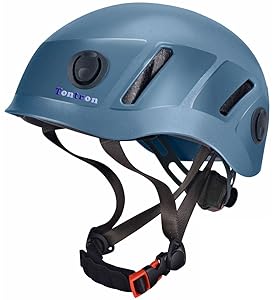
- Material: ABS shell with EPS foam interior
- Ventilation: 10 air vents for airflow
- Weight: 370 g
- Certification: CE EN 12492 and UIAA
The Tontron Adult Climbing Helmet is built with a focus on strength and multipurpose use. Its ABS outer shell is paired with an EPS foam liner to provide a reliable protective barrier against impact, while the 10 ventilation holes ensure proper cooling during intense activity. At 370 g, the helmet is on the heavier side, but the added weight comes with enhanced durability and safety. This makes it a great choice for users who prioritize strength and security over minimalism.
What makes the Tontron stand out is its versatility. It is designed not only for climbing but also for hiking, caving, arborist work, and even professional safety applications. The ad
justable straps and headband allow for a snug and secure fit across different head sizes. In addition, it meets both CE EN 12492 and UIAA certifications, offering assurance that the helmet complies with international safety standards. While not as sleek or stylish as higher-end brands, the Tontron is a dependable, affordable option that delivers reliable performance in demanding outdoor settings.
Pros
- Dual certifications for safety (CE + UIAA)
- Strong ABS construction
- Excellent ventilation with 10 vents
- Budget-friendly option
Cons
- Heavier than other climbing helmets
- Limited in aesthetics and style
3. OutdoorMaster Rock Climbing Helmet

- Material: ABS shell with EPS liner
- Adjustment: Dial-fit system with chin strap
- Weight: 350 g
- Multi-use: Rock climbing, hiking, arborist work, caving, rescue
The OutdoorMaster Rock Climbing Helmet is designed for adventurers who value adjustability and multipurpose functionality. Its ABS shell provides durable impact resistance while the EPS foam interior absorbs shock effectively. The dial-fit system ensures the helmet can be easily adjusted for different head sizes, providing a comfortable fit that stays secure during vigorous movement. With a moderate weight of 350 g, it is light enough for long sessions while still offering robust protection.
This helmet is especially versatile, catering to climbers, arborists, cavers, and rescue professionals alike. It includes ventilation slots for breathability, which helps prevent overheating in hot climates. Its simple design accommodates headlamps or additional gear with ease. While it may not boast the premium finish of higher-end helmets, it makes up for it with practicality and reliability. The OutdoorMaster helmet is an excellent budget-friendly choice for those who need a safe, adjustable, and multipurpose helmet without breaking the bank.
Pros
- Affordable and multipurpose use
- Easy-to-use dial-adjustment system
- Solid ABS + EPS safety construction
- Suitable for climbing, caving, and rescue
Cons
- Average ventilation compared to premium models
- Design feels basic and less stylish
4. KAILAS Aegis Climbing Helmet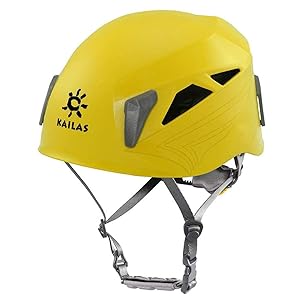
- Material: Polycarbonate shell with EPS core
- Weight: 250 g (lightweight)
- Ventilation: 12 large vents for airflow
- Certification: CE EN 12492 and UIAA
The Kailas Aegis Climbing Helmet stands out as one of the lightest options available, weighing just 250 g. Its polycarbonate shell combined with an EPS foam core provides solid protection without compromising on comfort. The 12 vents are strategically placed to maximize airflow, making it ideal for climbers tackling long and physically demanding routes in hot conditions. Its minimalist design is sleek yet functional, appealing to modern climbers who want a blend of safety and style.
Performance-wise, the Aegis is particularly suited for mountaineers and alpine climbers who need to minimize gear weight. The helmet’s certified protection standards (CE and UIAA) provide peace of mind during high-risk activities. However, the lightweight design does trade off some durability compared to heavier ABS helmets. Despite this, its comfort, breathability, and ultralight profile make it one of the best choices for climbers seeking a high-performance helmet that doesn’t weigh them down.
Pros
- Extremely lightweight (250 g)
- Excellent ventilation with 12 vents
- Sleek, modern design
- Certified for climbing safety standards
Cons
- Less durable than ABS-based helmets
- Higher cost compared to entry-level helmets
5. Kailas Rock Climbing Helmet
- Material: ABS shell with EPS foam interior
- Adjustment: Quick-dial system
- Ventilation: Multiple air vents
- Multi-purpose: Climbing, arborist work, rescue
The Kailas Rock Climbing Helmet is designed with practicality and multi-sport use in mind. Its ABS shell ensures a strong, impact-resistant structure, while the EPS foam interior provides essential shock absorption. The helmet features a quick-dial adjustment system, making it easy to achieve a snug fit, even in the middle of a climb. With multiple ventilation slots, airflow is sufficient to keep climbers cool during intense sessions.
This model is versatile, catering not only to rock climbers but also arborists, rescuers, and outdoor workers. Its durability ensures long-term use, and the comfortable suspension system reduces pressure points during extended wear. While not as lightweight as polycarbonate helmets, the Kailas Rock Climbing Helmet provides a secure and solid option for those who value durability. Its balance of affordability, safety, and versatility makes it a dependable choice for adventurers in need of reliable protection.
Pros
- Strong ABS shell for durability
- Easy-to-use adjustment system
- Comfortable suspension for long use
- Multi-purpose application
Cons
- Heavier than polycarbonate alternatives
- Slightly less breathable than premium helmets
6. OutdoorMaster Climbing Helmet (Lightweight Version)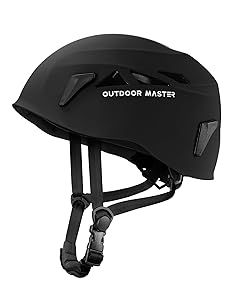
- Material: Polycarbonate shell with EPS liner
- Weight: 280 g (lightweight)
- Ventilation: 8 large air vents
- Adjustment: Dial-fit system with chin strap
The lightweight OutdoorMaster Climbing Helmet offers a refined balance of comfort, weight reduction, and protection. At just 280 g, it is significantly lighter than many ABS-based helmets, making it suitable for long climbs where every gram counts. The polycarbonate shell offers reliable impact resistance, while the EPS liner effectively absorbs shocks. The helmet is equipped with eight large ventilation slots, helping to maintain airflow during high-intensity climbing sessions.
Its design is versatile enough for climbing, caving, mountaineering, and professional rescue scenarios. The dial-fit system provides quick adjustability, allowing for a comfortable and secure fit across different head shapes. Though the helmet may not be as rugged as heavier models, its lightweight profile and adequate safety certifications make it a strong competitor in its category. For climbers seeking a helmet that balances breathability and lightweight comfort, this OutdoorMaster model is an appealing choice.
Pros
- Lightweight and comfortable (280 g)
- Good ventilation with 8 vents
- Versatile use for climbing and rescue
- Secure adjustment system
Cons
- Not as durable as ABS models
- Limited premium features
7. Land Helmets ClimbPro Helmet EN 12492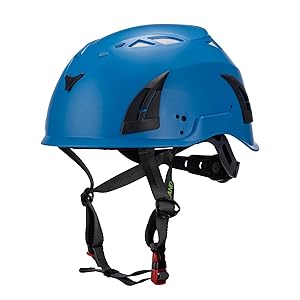
- Material: ABS shell with EPS foam core
- Certification: EN 12492 safety standard
- Ventilation: Vented shell design
- Accessory Compatibility: Universal slots for add-ons
The Land Helmets ClimbPro is designed with outdoor professionals and serious adventurers in mind. Built with an ABS shell and EPS foam liner, it offers excellent protection against falling debris and side impacts. The helmet meets EN 12492 climbing safety standards, ensuring it provides reliable coverage in demanding conditions. Its vented design helps with airflow, making it more comfortable for extended wear during hot weather climbs or rescue operations.
One of its most useful features is the universal accessory slots, which allow climbers to attach add-ons such as headlamps, visors, or earmuffs. This makes it highly versatile for arborists, search and rescue teams, or technical climbers who require specialized equipment. The ClimbPro is slightly heavier than lightweight helmets, but its rugged build quality and professional-grade features make it well worth the tradeoff. For those looking for a helmet that combines safety, durability, and professional functionality, the Land Helmets ClimbPro is a dependable choice.
Pros
- Certified to EN 12492 climbing safety standard
- Rugged ABS shell construction
- Universal accessory slots for customization
- Good ventilation design
Cons
- Slightly heavier than ultralight helmets
- Bulkier design may not appeal to all users
How to Choose Mountaineering Helmets
Mountaineering is one of the most exhilarating yet demanding outdoor pursuits, combining physical endurance, technical skills, and mental toughness with the raw beauty of nature. However, it also carries significant risks: falling rocks, slipping on icy slopes, unexpected storms, or equipment mishaps. Among all the protective gear a mountaineer carries, the helmet is arguably one of the most important. A good helmet can be the difference between a minor scare and a serious head injury. Choosing the right mountaineering helmet is therefore a decision that deserves careful attention.
This article provides a comprehensive guide to help climbers and outdoor enthusiasts understand the factors involved in selecting the best helmet for mountaineering, whether they are beginners preparing for their first climb or seasoned alpinists heading into more technical terrain.
Why a Helmet is Essential in Mountaineering
The mountain environment presents hazards that make helmets non-negotiable. Common risks include:
- Rockfall and Icefall: Loose rocks, falling ice, or gear dropped by climbers above can strike unexpectedly.
- Slips and Falls: Even a minor fall can cause the head to hit sharp rocks or hard ice.
- Glacial Travel: Crevasse falls often involve impacts against ice walls.
- Technical Climbing: During belays or while using ropes and protection, helmets reduce injury from swinging into the rock face.
In short, a helmet is not just a formality but a fundamental safety tool. The right choice enhances comfort and protection without becoming a burden during long, strenuous climbs.
Types of Mountaineering Helmets
Modern mountaineering helmets fall into two main categories, with some hybrid designs bridging the gap. Understanding their construction helps climbers match a helmet to their climbing style and terrain.
- Hard-Shell Helmets (ABS Shell + Foam Liner):
- Built with a tough plastic outer shell (usually ABS) and a foam suspension system inside.
- Known for durability and superior resistance to repeated impacts, such as falling rocks.
- Slightly heavier, often less ventilated, but ideal for rugged alpine routes where rockfall is a major concern.
- Foam Helmets (Expanded Polystyrene/EPP Foam + Thin Shell):
- Constructed primarily from foam, often with a thin polycarbonate outer layer.
- Extremely lightweight and well-ventilated.
- Absorb energy efficiently but less resistant to repeated knocks. Best for fast, technical climbs or when weight savings are critical.
- Hybrid Helmets:
- Combine a durable shell with energy-absorbing foam.
- Aim to balance weight, ventilation, and protection.
- Popular among climbers who want versatility for both rock and alpine environments.
Key Factors to Consider When Choosing a Mountaineering Helmet
1. Safety Certification
Always start by checking safety standards. Helmets should be certified by recognized authorities such as:
- EN 12492 (European standard for mountaineering helmets)
- UIAA (International Climbing and Mountaineering Federation)
These certifications ensure the helmet has been tested for impact protection, retention system strength, and penetration resistance. Without certification, a helmet should not be trusted.
2. Fit and Comfort
A helmet that doesn’t fit properly won’t provide reliable protection. Key points include:
- Adjustable Harness: Look for a chin strap and internal suspension system that can be easily adjusted with gloves on.
- Head Shape Compatibility: Some brands fit narrower or rounder head shapes better; always try before buying.
- Padding: Removable, washable pads add comfort, especially on long expeditions.
A well-fitted helmet should feel snug but not tight, with no pressure points. It should stay secure when you shake your head without the strap fastened.
3. Weight
Weight matters in mountaineering, where every gram counts over long climbs. Foam helmets can weigh as little as 200 grams, making them attractive for ultralight alpinists. Hard-shell helmets are heavier (300–400 grams) but more durable. Consider your priorities: minimal fatigue vs. long-term durability.
4. Ventilation
Ventilation is crucial on hot, sunny rock climbs but less important in icy or windy alpine conditions. Foam and hybrid helmets typically have more vents, while hard-shell helmets may feel warmer but provide better protection in cold or wet environments.
5. Durability and Longevity
- Foam helmets: More fragile, can crack from being dropped, require careful handling.
- Hard-shell helmets: Resist scrapes and multiple small impacts, last longer in rough environments.
If you are often climbing in areas with loose rock or traveling in harsh alpine conditions, durability should weigh heavily in your choice.
6. Headlamp Compatibility
Since many alpine starts happen before dawn, helmet compatibility with a headlamp is essential. Look for clips or elastic holders that securely attach your light, even in windy or icy conditions.
7. Adjustability with Hats and Goggles
In high-altitude or cold environments, you’ll likely wear a hat or balaclava underneath your helmet and ski-style goggles. Make sure the helmet’s adjustment system allows for extra layers without compromising stability.
8. Price vs. Value
Helmets range widely in cost, from budget options to premium ultralight models. While safety certifications are standard across models, more expensive helmets usually offer lighter weight, improved ventilation, and greater comfort. Consider how often you climb, what conditions you face, and whether the premium features justify the price.
Practical Tips for Trying and Buying
- Try Before You Buy: Visit a store if possible, and test multiple models. Wear the helmet for at least 10–15 minutes to notice any discomfort.
- Simulate Real Conditions: Try the helmet with your climbing hat, goggles, and headlamp to ensure compatibility.
- Check Adjustability with Gloves: Can you operate the buckle, dial, or straps while wearing gloves?
- Consider Your Climbing Style:
- Rock climbers: May prefer lightweight foam helmets for comfort.
- Alpinists: Often choose hybrids for versatility.
- Guides and frequent climbers: Might prioritize durability of hard-shell helmets.
Helmet Care and Replacement
Owning the right helmet is only half the responsibility; maintaining it ensures continued safety.
- Storage: Keep it away from direct sunlight and extreme heat, as UV rays and high temperatures can weaken materials.
- Cleaning: Use mild soap and water; avoid harsh chemicals.
- Inspection: Regularly check for cracks, dents, or damaged straps.
- Replacement:
- After any significant impact, even if no damage is visible.
- Every 3–5 years, depending on use and manufacturer recommendations.
A helmet’s protective ability diminishes with time and wear, so timely replacement is essential.
Common Mistakes to Avoid
- Buying Solely on Weight: A super-light helmet that cracks easily may not be worth the trade-off.
- Ignoring Fit: Even the most advanced helmet is ineffective if it doesn’t fit securely.
- Overlooking Ventilation Needs: A poorly ventilated helmet can cause discomfort and overheating on summer climbs.
- Keeping an Old Helmet Forever: Sentimental value should never override safety.
Conclusion
Choosing a mountaineering helmet is about balancing safety, comfort, weight, and durability to match your climbing style and environment. Whether you prefer the ruggedness of a hard-shell helmet, the featherlight comfort of a foam model, or the versatility of a hybrid, the key is to ensure it fits well, meets safety standards, and aligns with your climbing objectives.
In mountaineering, where uncertainty is part of the adventure, a helmet is more than just a piece of gear—it’s a lifeline. Investing time and thought into selecting the right helmet means you can focus on the climb ahead with confidence, knowing your head is well protected against the unpredictable forces of the mountains.