Best Mountaineering Jackets of 2025
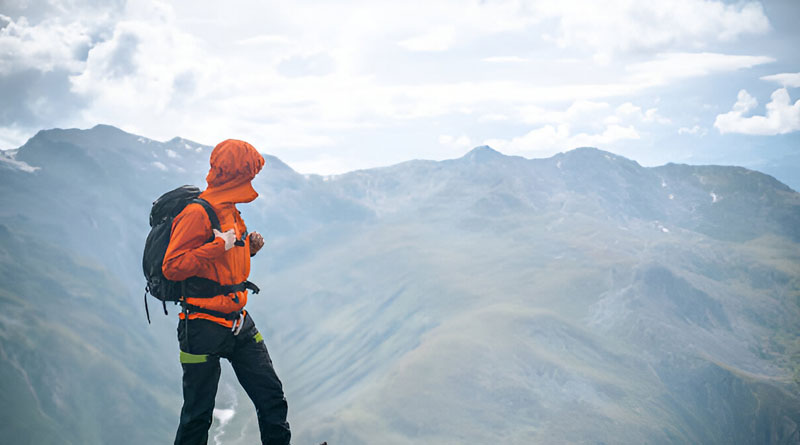
Choosing the right jacket is one of the most important decisions for anyone who loves mountaineering or hiking in cold, harsh environments. A good mountaineering jacket protects you from wind, rain, and snow while keeping you warm and comfortable. With so many options available, it can be confusing to know which one is best for your needs. In this article, we will explore the best mountaineering jackets on the market, highlighting their features, durability, and performance. Whether you are a beginner or an experienced climber, this guide will help you find a jacket that keeps you safe, warm, and ready for any adventure.
Here’s a detailed set of reviews for the seven mountaineering jackets in the format you requested:
1. Rapoo Men’s Winter Ski Snow Jacket
- Waterproof and windproof outer shell
- Insulated for extreme cold weather conditions
- Adjustable hood and cuffs for customized fit
- Multiple zippered pockets for storage
The Rapoo Men’s Winter Ski Snow Jacket is designed for mountaineers and outdoor enthusiasts who need reliable protection in harsh winter conditions. Its waterproof and windproof fabric ensures that rain, snow, and gusty winds are kept at bay, allowing you to focus on your activity without discomfort. The insulation keeps the body warm even in sub-zero temperatures, making it ideal for skiing, snowboarding, or high-altitude trekking.
Comfort and practicality are key strengths of this jacket. Adjustable cuffs and a hood allow for a tailored fit, enhancing mobility and keeping cold drafts out. With multiple zippered pockets, you can securely store essentials like gloves, keys, and mobile devices. The jacket also combines modern style with technical functionality, making it versatile for both outdoor adventures and casual wear.
Pros:
- Excellent insulation for extreme cold
- Waterproof and windproof for harsh weather
- Practical storage with multiple pockets
- Adjustable hood and cuffs
Cons:
- Slightly bulky for urban wear
- Limited color options
2. Slwosdlds Men’s Winter Ski Jacket
- Warm fleece lining for thermal insulation
- Waterproof and windproof outer shell
- Hooded design with adjustable drawstrings
- Durable stitching suitable for mountain activities
The Slwosdlds Winter Ski Jacket excels in keeping wearers warm during intense winter sports or mountain adventures. Its fleece lining provides excellent insulation, while the outer shell is both waterproof and windproof, giving comprehensive protection against the elements. The jacket’s design prioritizes comfort without compromising on performance, ensuring flexibility and warmth during physical activities like skiing, hiking, or climbing.
The hooded design adds an extra layer of protection and can be adjusted with drawstrings for a snug fit. Its durability is also noteworthy, with reinforced stitching designed to withstand rigorous use in rugged terrain. The combination of functionality, warmth, and comfort makes this jacket a dependable choice for outdoor enthusiasts seeking reliable protection.
Pros:
- Warm fleece lining for cold weather
- Waterproof and windproof
- Durable construction for rugged use
- Adjustable hood for customized protection
Cons:
- Slightly heavy compared to lightweight alternatives
- Limited breathability for intense physical activity
3. Rdruko Men’s Ski Snow Jacket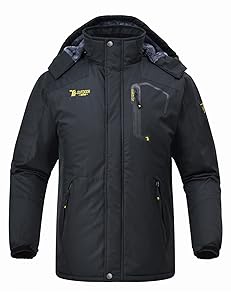
- Insulated with high-quality fleece lining
- Waterproof and windproof outer fabric
- Hooded design with adjustable features
- Multiple pockets including secure zip compartments
The Rdruko Men’s Ski Snow Jacket is ideal for winter sports and mountain expeditions. Its high-quality fleece lining provides superior warmth, while the waterproof and windproof outer shell protects against rain, snow, and strong winds. This combination makes it suitable for both casual winter use and challenging outdoor adventures.
Comfort and practicality are central to this jacket. The adjustable hood ensures extra protection and a snug fit, while multiple pockets offer ample storage for personal items. Its modern design and attention to technical details make it not just functional, but stylish enough for everyday wear during cold seasons.
Pros:
- High-quality insulation for warmth
- Waterproof and windproof
- Adjustable hood for comfort
- Ample storage with multiple pockets
Cons:
- Slightly bulky for travel
- Not the lightest option for long hikes
4. Mountain Hardwear Men’s Ghost Whisperer/2 Hoody
- Ultra-lightweight down insulation
- Water-resistant outer shell
- Full-zip design for easy layering
- Elastic cuffs and hem for snug fit
The Mountain Hardwear Ghost Whisperer/2 Hoody is perfect for mountaineers and hikers who value lightweight, high-performance gear. Its ultra-light down insulation provides exceptional warmth without adding bulk, making it highly packable for long treks. The water-resistant outer shell offers some protection against light rain and snow, ideal for layering under a shell jacket during extreme conditions.
Practicality and comfort are evident in the full-zip design, allowing for easy layering over other clothing. Elastic cuffs and hem provide a snug fit, reducing heat loss while maintaining flexibility. This hoody balances minimalism and technical performance, appealing to climbers and winter sports enthusiasts seeking a lightweight yet warm jacket.
Pros:
- Extremely lightweight and packable
- Warm down insulation
- Water-resistant outer shell
- Snug fit with elastic cuffs and hem
Cons:
- Limited protection in heavy rain
- Not ideal for very windy conditions
5. MAGCOMSEN Men’s Winter Coats
- Water-resistant and windproof outer material
- Warm fleece lining for cold weather
- Multiple pockets including secure storage
- Hooded with adjustable drawstring
The MAGCOMSEN Men’s Winter Coat is designed for both urban use and outdoor winter activities. Its fleece lining ensures warmth, while the water-resistant and windproof fabric provides effective protection against moderate winter conditions. Ideal for skiing, hiking, and casual wear, it combines functionality and style in one package.
The jacket also offers practical storage with multiple pockets, perfect for keeping essentials secure during outdoor activities. The adjustable hood adds versatility, keeping the head protected from cold winds and rain. Its blend of warmth, comfort, and durability makes it a solid option for anyone seeking a reliable winter jacket.
Pros:
- Warm fleece lining
- Water-resistant and windproof
- Multiple pockets for storage
- Adjustable hood
Cons:
- Not fully waterproof for heavy snow
- Slightly less breathable
6. Men’s Ski Jacket Warm Winter Snow Coat
- Waterproof and windproof outer shell
- Hooded design with adjustable features
- Lightweight insulation for cold weather
- Suitable for hiking, skiing, and travel
This Men’s Ski Jacket offers dependable protection against winter elements. Its waterproof and windproof shell ensures dry and comfortable wear during snowboarding, skiing, or mountain hikes. Lightweight insulation provides warmth without compromising mobility, making it suitable for extended outdoor use.
The adjustable hood enhances comfort and protection, while the overall design balances style and practicality. Its versatility makes it ideal for both adventure sports and casual winter outings. Whether on the slopes or traveling, this jacket delivers solid performance and reliability.
Pros:
- Waterproof and windproof
- Lightweight insulation
- Adjustable hood for fit and protection
- Versatile for various outdoor activities
Cons:
- May lack advanced technical features of premium brands
- Limited color and size options
7. Rab Men’s Cirrus Alpine Jacket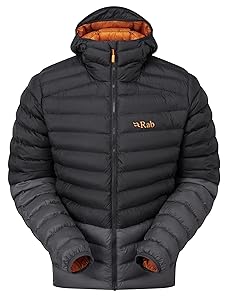
- Lightweight synthetic insulation
- Durable, water-resistant outer fabric
- Adjustable hood and hem for fit customization
- Ideal for climbing, mountaineering, and alpine use
The Rab Men’s Cirrus Alpine Jacket is engineered for high-altitude mountaineering and alpine adventures. Its lightweight synthetic insulation provides excellent warmth while remaining highly breathable, which is crucial for intense physical activity. The durable water-resistant outer fabric shields against light rain and snow, making it suitable for various mountain conditions.
Functionality is enhanced with adjustable hood and hem features, allowing a snug, customized fit. The jacket’s design balances performance, mobility, and comfort, making it an excellent choice for climbers and outdoor enthusiasts seeking a technical yet lightweight insulated jacket for cold-weather activities.
Pros:
- Lightweight and breathable insulation
- Water-resistant and durable
- Adjustable hood and hem
- Suitable for alpine climbing and mountaineering
Cons:
- Not fully waterproof for prolonged exposure
- Slightly expensive compared to generic winter jackets
How to Choose the Right Mountaineering Jacket
Mountaineering is one of the most exhilarating and challenging outdoor activities, requiring careful preparation and the right gear to ensure safety and comfort. Among the essential pieces of equipment, a mountaineering jacket is arguably the most critical. It not only protects you from harsh weather conditions but also regulates your body temperature during strenuous climbs. Choosing the right mountaineering jacket is not simply a matter of picking the most expensive or visually appealing one—it requires a careful understanding of materials, design, fit, and intended use. This guide will help you make an informed decision.
1. Understand the Purpose of Mountaineering Jackets
Mountaineering jackets are designed to protect climbers from extreme conditions, including wind, rain, snow, and freezing temperatures. Unlike casual jackets or standard raincoats, mountaineering jackets are engineered for high performance. They must balance three key factors: insulation, weatherproofing, and breathability. Understanding the purpose will help you select a jacket that matches your specific climbing environment.
- Insulation: Keeps your body warm in cold temperatures.
- Weatherproofing: Shields you from wind, rain, and snow.
- Breathability: Allows sweat and moisture to escape, preventing discomfort and hypothermia.
2. Types of Mountaineering Jackets
Mountaineering jackets can be broadly categorized into three main types, each suited to different conditions and activities:
- Hardshell Jackets: These are made from waterproof, windproof, and breathable materials such as Gore-Tex. Hardshells are ideal for extreme weather conditions and are often worn as the outermost layer. They provide excellent protection but minimal insulation, so they are best paired with mid-layers for warmth.
- Softshell Jackets: Softshells are made from flexible, breathable, and water-resistant fabrics. They are suitable for less severe weather and high-activity climbing, as they allow for better movement and ventilation. They are not fully waterproof, so they perform best in dry or mildly wet conditions.
- Insulated Jackets: These jackets provide built-in warmth using down or synthetic insulation. They are suitable for cold environments but are often less breathable. Insulated jackets are best used as mid-layers under a hardshell or softshell.
3. Material Considerations
The material of a mountaineering jacket is crucial, as it determines its weather resistance, durability, and breathability. Some key materials include:
- Gore-Tex: Known for being waterproof, windproof, and breathable. Ideal for hardshell jackets.
- Pertex: Lightweight and windproof, often used in insulated jackets.
- Polyester and Nylon Blends: Durable, quick-drying, and resistant to wear and tear. Commonly used in softshells and outer layers.
- Down Insulation: Extremely warm and lightweight, but loses effectiveness when wet. Best for dry, cold conditions.
- Synthetic Insulation (e.g., Primaloft): Retains warmth even when wet, making it suitable for wet or humid environments.
4. Layering System and Jacket Functionality
Mountaineers often use a layering system to adapt to changing conditions. Understanding how your jacket fits into this system is essential:
- Base Layer: Worn next to the skin to wick moisture away. Examples include thermal tops and moisture-wicking shirts.
- Mid-Layer: Provides insulation. Fleece or lightweight down jackets are common mid-layer options.
- Outer Layer (Mountaineering Jacket): Protects against wind, rain, and snow. The jacket you choose will usually serve as this layer.
A well-chosen jacket integrates seamlessly with your other layers, allowing flexibility and comfort during climbs.
5. Key Features to Look For
When selecting a mountaineering jacket, consider the following features:
- Hood Design: A helmet-compatible hood is essential for climbers using helmets. Adjustable hoods with a stiff brim provide additional protection against wind and rain.
- Zippers and Vents: Waterproof zippers prevent moisture ingress, while pit zips or underarm vents enhance breathability.
- Cuffs and Hem Adjustments: Adjustable cuffs and hems prevent cold air from entering and retain body heat.
- Pockets: Strategic pocket placement ensures easy access to essentials such as maps, snacks, or a headlamp.
- Durability: Reinforced areas like shoulders and elbows increase the lifespan of the jacket in rugged conditions.
- Weight and Packability: Lightweight jackets are easier to carry and ideal for long climbs. Some jackets are compressible and can fit in a backpack without occupying much space.
6. Fit and Comfort
The fit of a mountaineering jacket is crucial for both performance and comfort. A jacket should allow full range of motion without being overly loose. Key considerations include:
- Layering Space: Ensure there is enough room to wear mid-layers without feeling restricted.
- Movement: Test the jacket’s flexibility by raising your arms, bending, and twisting. A jacket that limits movement can hinder climbing efficiency.
- Length: Jackets should cover your waist and lower back to protect from cold winds and snow.
7. Weather and Terrain Considerations
Different climbing environments require different jackets:
- Alpine Climbing: Harsher conditions demand fully waterproof hardshell jackets with robust insulation and reinforced materials.
- Trekking in Variable Weather: Lightweight, breathable softshells with water resistance are sufficient.
- Winter Mountaineering: Insulated jackets with synthetic or down fill paired with a waterproof shell provide maximum warmth and protection.
8. Budget and Brand Considerations
High-quality mountaineering jackets can be expensive, but investing in reliable gear is worthwhile for safety and longevity. While big brands often offer advanced technology and durability, some lesser-known brands provide excellent value at a lower cost. Prioritize the jacket’s features and functionality over brand prestige alone.
9. Testing Before Purchase
Whenever possible, try the jacket before buying. If purchasing online, check the return policy. Testing includes:
- Trying on the jacket with layers underneath.
- Checking mobility and comfort during movement.
- Evaluating hood fit, zipper function, and ventilation.
- Feeling the fabric’s breathability and weight.
10. Maintenance and Longevity
A mountaineering jacket is a long-term investment, and proper maintenance ensures it lasts for many expeditions:
- Cleaning: Follow manufacturer instructions for washing. Use mild detergents and avoid fabric softeners that can damage waterproof coatings.
- Waterproofing: Reapply DWR (Durable Water Repellent) treatments periodically to maintain water resistance.
- Storage: Store jackets in a cool, dry place. Avoid compressing down jackets for long periods to preserve insulation loft.
Conclusion
Choosing the right mountaineering jacket is about understanding your specific needs, the environment you’ll be climbing in, and how the jacket fits within your layering system. Prioritize weatherproofing, insulation, breathability, and mobility. Consider materials, key features, fit, and terrain, and always test the jacket before committing. Investing time and care in selecting the right mountaineering jacket will not only enhance your climbing performance but also ensure safety and comfort in extreme conditions. A well-chosen jacket can make the difference between an enjoyable, successful climb and a challenging, risky expedition.