Best Mountaineering Sleeping Bags of 2025
Mountaineering is an exciting adventure, but it also comes with tough conditions, especially when it comes to sleeping in the cold mountains. A good sleeping bag can make all the difference between a comfortable night’s rest and a freezing, sleepless one. The best mountaineering sleeping bags are designed to keep you warm, light enough to carry on long climbs, and durable to handle rough weather. Choosing the right one depends on factors like temperature rating, weight, and material. In this article, we explore the best mountaineering sleeping bags available, helping you find the perfect balance of warmth, comfort, and portability for your next adventure.
1. ALPS Mountaineering Blaze -20° Mummy Sleeping Bag
- Temperature Rating: -20°F, designed for extreme cold.
- Shape: Mummy style with contoured hood.
- Insulation: TechLoft Silver synthetic insulation.
- Weight: ~8 lbs, heavy-duty construction.
The ALPS Mountaineering Blaze -20° Mummy Sleeping Bag is built for extreme cold-weather camping and mountaineering. Its mummy design hugs the body closely, minimizing air pockets and retaining warmth efficiently. The contoured hood and full-length draft tube provide extra insulation against icy winds, while the TechLoft Silver insulation ensures reliable warmth even when moisture is present. With a rugged polyester shell, the bag can handle tough outdoor conditions without losing effectiveness.
However, this sleeping bag is on the heavier side, weighing nearly 8 pounds, which makes it better suited for basecamps or short treks rather than long backpacking expeditions. While not as compressible as down bags, it delivers consistent performance in unpredictable winter conditions. If your priority is warmth and durability over pack weight, the Blaze -20° is a solid companion for harsh environments.
Pros:
- Superior cold-weather performance.
- Retains heat well, even when damp.
- Durable outer shell.
- Comfortable mummy design.
Cons:
- Heavy and bulky.
- Less packable than down alternatives.
2. BISINNA Sleeping Bag with Pillow – 4 Season
- Temperature Rating: Suitable for 4 seasons (down to ~20°F).
- Material: Waterproof and breathable polyester shell.
- Extras: Comes with an inflatable pillow.
- Weight: Lightweight, portable design.
The BISINNA 4-Season Sleeping Bag offers a versatile option for year-round adventurers. Designed with a waterproof polyester shell and synthetic insulation, it balances warmth with portability. A unique feature is the included inflatable pillow, adding a layer of comfort without extra packing hassle. The bag is machine washable, making it easy to maintain after long trips in variable weather.
While it’s marketed as a 4-season bag, its insulation is more reliable for cool to moderately cold weather rather than extreme sub-zero conditions. It shines in versatility, comfort, and user-friendliness, particularly for families, casual campers, and backpackers who value portability. For serious high-altitude or Arctic expeditions, a more specialized bag would be needed.
Pros:
- Lightweight and easy to carry.
- Includes inflatable pillow.
- Waterproof and washable.
- Suitable for adults and kids.
Cons:
- Not ideal for extreme cold.
- Pillow is basic and may not suit everyone.
3. Coleman Brazos 20/30°F Adult Cool-Weather Sleeping Bag
- Temperature Rating: 20–30°F.
- Material: Polyester cover and tricot fiber blend liner.
- Closure: No-snag zipper system.
- Care: Fully machine washable.
The Coleman Brazos 20/30°F Sleeping Bag is a classic budget-friendly option for cool-weather camping. With a cozy tricot lining and polyester shell, it provides reliable warmth for spring and fall conditions. The no-snag zipper system is especially convenient, ensuring easy entry and exit without frustrating jams. Its roomy rectangular design allows for greater movement compared to mummy bags, making it more comfortable for those who dislike tight sleeping quarters.
On the downside, it’s not suitable for mountaineering or sub-zero temperatures. The Brazos is bulkier than high-end down bags and not the best for backpacking. However, for casual car camping, weekend getaways, or as a spare guest bed, it’s a practical, affordable, and durable choice.
Pros:
- Affordable and reliable.
- Roomy rectangular shape.
- Easy-care machine washable.
- No-snag zipper design.
Cons:
- Too bulky for backpacking.
- Limited to mild-to-cool weather use.
4. QEZER Down Sleeping Bag for Adults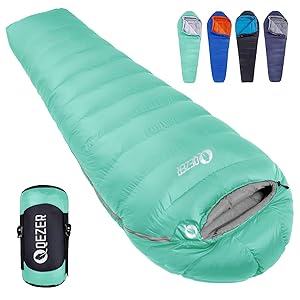
- Temperature Options: 0°F, 10°F, 15°F, 20°F.
- Insulation: High-quality down fill.
- Compression Sack: Included for portability.
- Shape: Mummy design for heat efficiency.
This down sleeping bag series is versatile, catering to a wide range of cold-weather conditions with ratings from 0°F to 20°F. The down insulation provides excellent warmth-to-weight ratio, offering superior compressibility and packability. The mummy design hugs the body to conserve heat, making it ideal for mountaineering, cold-weather backpacking, and alpine camping. With the included compression sack, carrying it is convenient even on long treks.
However, down insulation can lose its insulating ability if exposed to moisture, so users need to be mindful in wet environments. While it provides superior warmth and portability, it may require a waterproof bivy or tent in damp conditions. Overall, it’s an excellent option for serious hikers and climbers looking for lightweight yet warm protection.
Pros:
- Multiple temperature ratings available.
- Lightweight and compressible.
- Excellent warmth-to-weight ratio.
- Good for alpine trekking.
Cons:
- Down insulation vulnerable to moisture.
- Pricier than synthetic alternatives.
5. Teton 20°F and 5°F Mummy Sleeping Bag
- Temperature Ratings: 20°F and 5°F options.
- Insulation: Synthetic microfiber fill.
- Shape: Mummy design with draft tube and hood.
- Weight: Heavier than ultralight down bags.
Teton offers a practical range with their 20°F and 5°F mummy bags, suited for cold-weather camping and backpacking. The synthetic insulation provides dependable warmth and moisture resistance, while the hood and draft tube enhance heat retention. Its mummy design maximizes insulation without sacrificing too much comfort, and it remains a reliable choice for beginners and seasoned campers alike.
Though bulkier than premium down bags, Teton’s sleeping bags balance affordability with performance. They are not the lightest option for long expeditions but are dependable in cold conditions, particularly for car campers or short-distance hikers who prioritize comfort and durability over ultralight travel.
Pros:
- Affordable yet warm.
- Available in two cold-weather ratings.
- Synthetic insulation handles moisture better.
- Comfortable and durable.
Cons:
- Bulky and heavier than down bags.
- Less compressible for backpacking.
6. ZOOOBELIVES 10°F Hydrophobic Down Sleeping Bag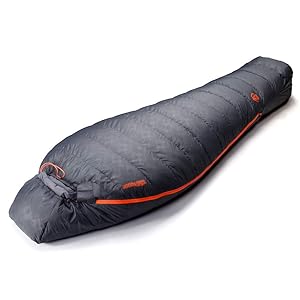
- Temperature Rating: 10°F.
- Insulation: 650-fill hydrophobic down.
- Design: Lightweight mummy shape.
- Weight: Compact and highly portable.
The ZOOOBELIVES Alplive D1500 is a technical sleeping bag designed for serious mountaineers and backpackers. With hydrophobic down insulation, it combines the warmth of down with enhanced moisture resistance, solving one of down’s biggest weaknesses. Rated to 10°F, it’s suitable for alpine conditions and colder seasons, while still being lightweight enough for extended backpacking. Its compact compression makes it easy to pack, even on long treks where every ounce matters.
Although hydrophobic down performs better in damp environments, it still doesn’t match synthetic insulation in wet conditions. It’s also pricier than standard down bags. Nonetheless, for adventurers who need warmth, lightness, and packability, this is one of the best-performing options in its class.
Pros:
- Lightweight and highly compressible.
- Hydrophobic down resists moisture.
- Excellent warmth-to-weight ratio.
- Compact for long treks.
Cons:
- Pricey compared to synthetic bags.
- Still vulnerable in very wet conditions.
7. Down Sleeping Bag 680FP Ultralight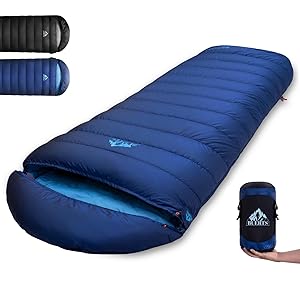
- Fill Power: 680FP down insulation.
- Weight: Ultralight, designed for expeditions.
- Shape: Mummy design for thermal efficiency.
- Compression Sack: Included for portability.
The 680FP Ultralight Down Sleeping Bag is tailored for hikers, mountaineers, and expedition campers who need to minimize pack weight without compromising warmth. With its high fill-power down, it offers excellent insulation while remaining exceptionally light and compressible. Ideal for alpine climbs, high-altitude treks, and extended expeditions, it provides reliable comfort in challenging environments.
The downside is its vulnerability to moisture, as high-fill down can clump and lose insulation if not protected. This makes it less suitable for humid or consistently wet regions unless paired with waterproof gear. Still, for ultralight enthusiasts and serious mountaineers, its warmth-to-weight balance is hard to beat.
Pros:
- Extremely lightweight.
- High warmth-to-weight ratio.
- Compresses easily for packing.
- Great for expeditions.
Cons:
- Down insulation requires moisture protection.
- Expensive compared to mid-range options.
How to Choose Mountaineering Sleeping Bags
Mountaineering is one of the most demanding outdoor pursuits, combining adventure, endurance, and exposure to some of the harshest environments on Earth. A successful expedition depends on preparation and the right equipment, and among the most critical pieces of gear is the sleeping bag. When you are thousands of meters above sea level, battling freezing temperatures, and relying on limited rest to fuel the next day’s climb, your sleeping bag is more than just comfort—it is a lifeline. Choosing the right mountaineering sleeping bag requires careful consideration of warmth, weight, durability, and adaptability to extreme conditions.
This article provides a comprehensive guide to selecting the best sleeping bag for mountaineering, covering everything from insulation type to shape, temperature ratings, and practical features.
1. Understanding the Role of a Sleeping Bag in Mountaineering
A sleeping bag’s primary function is to retain body heat and protect you from hypothermia in cold environments. In high-altitude mountaineering, temperatures can plunge far below freezing, even in summer. The bag must insulate efficiently while remaining lightweight enough to carry during demanding ascents. Unlike casual camping, mountaineering requires a balance between warmth-to-weight ratio, packability, and durability.
2. Temperature Ratings
One of the first specifications climbers look at is the temperature rating of a sleeping bag. These ratings, often standardized under EN (European Norm) or ISO testing, indicate the lowest temperature at which an average sleeper can remain warm.
- Comfort Rating: The lowest temperature at which the average person will feel comfortable.
- Limit Rating: The lowest temperature at which a person can sleep without waking from the cold.
- Extreme Rating: The survival-only temperature threshold.
For mountaineering, the limit rating is usually the most relevant. Climbers should always choose a bag rated slightly lower than the coldest expected temperature to provide a safety buffer. For high-altitude climbs such as the Himalayas, sleeping bags rated between –20°C to –40°C may be required.
3. Insulation Types: Down vs. Synthetic
Down Insulation
Down is the most popular choice for mountaineering sleeping bags because of its superior warmth-to-weight ratio and compressibility. High-quality goose or duck down can last for years if properly maintained.
- Advantages:
- Excellent warmth for minimal weight
- Highly compressible, saving pack space
- Long-lasting with proper care
- Disadvantages:
- Loses insulating power when wet
- More expensive than synthetic options
Fill Power is an important measure of down quality. It indicates how much loft (fluffiness) one ounce of down provides. Higher fill power (700–900) means better insulation and lighter weight.
Synthetic Insulation
Synthetic sleeping bags use man-made fibers that mimic down’s loft while retaining insulation when wet.
- Advantages:
- Performs better in damp conditions
- More affordable
- Dries faster
- Disadvantages:
- Heavier and bulkier
- Less durable over long-term use
For extreme alpine expeditions where weight and packability are critical, down bags are usually preferred. However, for wetter climates or lower budgets, synthetic bags may be more practical.
4. Shape and Fit
Sleeping bag shape affects both comfort and efficiency.
- Mummy Shape: Most mountaineering bags are mummy-shaped, tapering from the shoulders to the feet. This design minimizes empty space, improving thermal efficiency, and reducing weight.
- Expedition Cut: Slightly roomier than mummy bags, designed to accommodate extra layers of clothing worn inside during extreme cold.
- Rectangular Shape: Rarely used in mountaineering because it is bulkier and less thermally efficient.
Fit is equally important. A bag that is too tight may restrict movement and reduce comfort, while a bag that is too loose creates dead air space that is harder to keep warm. For cold-weather mountaineering, a snug but not restrictive mummy or expedition cut is ideal.
5. Weight and Packability
Every gram counts during long ascents, especially above 4,000–5,000 meters. Mountaineers typically prefer lightweight bags that compress into a small stuff sack. Down bags usually win in this category, as they can pack much smaller than synthetic ones. However, always balance weight savings with the warmth rating—you don’t want to save 200 grams at the cost of being dangerously cold at night.
6. Outer Shell and Fabric Considerations
Durability and weather resistance depend heavily on the outer fabric of the sleeping bag.
- Nylon Ripstop: Lightweight and resistant to tearing, commonly used in high-quality bags.
- Water-Resistant Shells: Many modern bags have DWR (Durable Water Repellent) coatings to shed moisture from condensation or light snow.
- Expedition Bags: Sometimes feature waterproof-breathable shells to withstand frost and snow inside tents at high altitudes.
7. Key Features to Look For
- Draft Collars and Tubes: Insulated barriers around the neck and zippers prevent warm air from escaping.
- Hood Design: A snug, adjustable hood is essential in extreme cold, as significant heat loss occurs through the head.
- Zipper Placement: Side zippers (left or right) with anti-snag features improve ease of use. Half-length zippers save weight but limit ventilation.
- Footbox: A shaped, insulated foot area keeps feet warmer and reduces compressive cold spots.
- Storage Sacks: Good sleeping bags come with both a stuff sack (for compact packing) and a larger storage sack to prevent damage when not in use.
8. Seasonal and Expedition-Specific Considerations
The choice of sleeping bag depends on the specific expedition:
- Summer Alpine Climbs: Lightweight down or synthetic bags rated around 0°C to –10°C.
- Winter or High-Altitude Expeditions: Heavier down bags rated –20°C to –40°C, often with water-resistant shells.
- Himalayan/Polar Expeditions: Expedition-grade bags with 800+ fill power down, waterproof exteriors, and oversized cuts for layering.
9. Budget and Longevity
Sleeping bags can be a significant investment, with high-quality down expedition bags costing several hundred dollars. However, this is one piece of gear where skimping can be dangerous. A reliable sleeping bag can last for a decade or more with proper care, making it worth the investment for serious mountaineers.
Tips for longevity:
- Always air out your bag after use.
- Store it loosely in a large sack rather than compressed.
- Use a liner to reduce sweat and dirt buildup.
- Keep it dry at all costs.
10. Practical Buying Tips
- Match the Bag to Your Destination: Research expected temperatures and conditions.
- Check Fit in Person: Try lying in the bag before purchasing to ensure comfort.
- Prioritize Safety over Weight Savings: A slightly heavier bag is better than risking hypothermia.
- Read Reviews from Other Mountaineers: Real-world performance often differs from lab ratings.
- Rent or Borrow First: If new to mountaineering, test different types before investing in an expensive expedition bag.
Conclusion
Choosing the right mountaineering sleeping bag is not just about comfort—it is about survival in some of the most extreme environments on Earth. A carefully selected bag provides warmth, safety, and rest, allowing climbers to conserve energy for the challenges ahead. When evaluating options, consider insulation type, temperature rating, weight, shape, and essential features. For most expeditions, a high-quality down mummy bag with a comfort rating lower than expected nighttime temperatures will be the best choice.
Remember: in mountaineering, nights can be as demanding as the climbs themselves. Investing in the right sleeping bag ensures that every morning begins with warmth, energy, and readiness to continue the ascent.