Best Mountaineering Tents of 2025
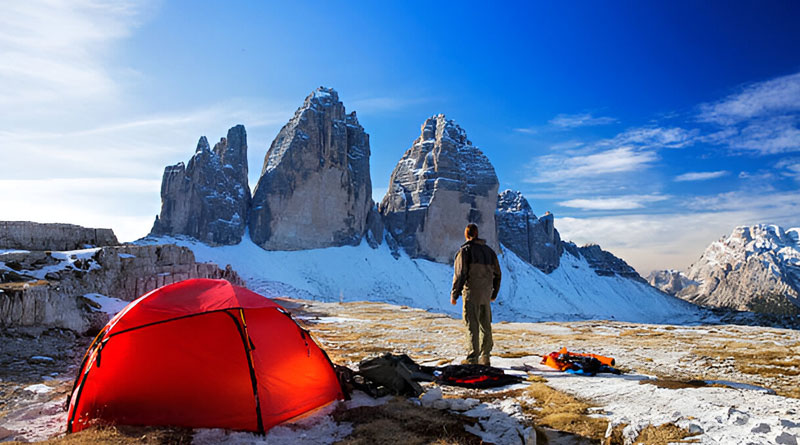
When heading into the mountains, having the right tent can make the difference between a safe, comfortable adventure and a difficult experience. Mountaineering tents are specially designed to handle harsh weather, strong winds, heavy snow, and extreme cold, giving climbers the protection they need in challenging conditions. Unlike regular camping tents, these are built with strong poles, durable fabric, and stable designs to keep you safe at high altitudes. Whether you are planning a long expedition or a short climb, choosing the best mountaineering tent ensures warmth, safety, and rest after a tough day. In this guide, we explore the best options available for every type of climber.
1. GEERTOP Portable 4 Season Tent
- Capacity: 2-person, double-layer 4-season tent
- Material: 210T waterproof polyester with PU coating
- Weight: Approx. 6.2 lbs (2.8 kg)
- Frame: Lightweight aluminum pole system
The Geertop Portable 2 Person 4 Season Tent is designed for mountaineers and backpackers who want a shelter that performs consistently in any weather condition. Its double-layer construction offers solid insulation and reduces internal condensation, a common issue when camping in snow or rain. The tent is easy to pitch thanks to its lightweight aluminum poles, and once set up, it provides a sturdy base that stands up well against strong winds. Waterproofing is excellent, with the PU-coated polyester fabric ensuring that rain and melting snow don’t seep in, keeping the interior dry and comfortable.
Inside, the tent feels compact but offers enough room for two adults along with some gear, especially when using the vestibule space for storage. Its dual doors and mesh windows provide flexibility in ventilation, which helps prevent stuffiness during warmer nights. While it isn’t the lightest tent in its category, the trade-off is dependable durability and a true four-season build that makes it suitable for alpine treks, climbing expeditions, and winter camping. Overall, the Geertop tent strikes a balance between affordability and serious performance, appealing to budget-conscious adventurers who still demand reliable protection in harsh environments.
Pros
- Effective waterproofing and wind resistance
- Easy to set up quickly
- Double-layer construction reduces condensation
- Sturdy for four-season use
Cons
- Heavier than ultralight backpacking tents
- Tight for two campers with large gear loads
2. GEERTOP Camping Tent
- Capacity: 1-person 4-season shelter
- Material: Windproof and waterproof polyester with taped seams
- Weight: Approx. 4 lbs (1.8 kg)
- Structure: Single entry with strong pole design
This 1-Person 4-Season Tent is built with solo adventurers in mind, offering reliable performance in both mild and extreme environments. The fabric is engineered to withstand strong winds and driving rain, while taped seams prevent leaks even in extended storms. At just about 4 lbs, it is light enough to carry for backpacking trips but strong enough for alpine or high-altitude environments. Its single entry makes it straightforward and efficient, though the limited access can feel a bit restrictive in poor weather when frequent ins and outs are necessary.
Inside, the space is sufficient for one person and essential gear, making it a snug but comfortable base. The tent emphasizes stability, with poles designed to keep the structure upright even in gusty conditions. Its waterproof and windproof qualities make it a dependable choice for solo mountaineering, hunting trips, or winter treks. While ventilation could be improved to prevent condensation during long stays, the tent’s compact design ensures warmth and insulation during cold nights. For those who prioritize protection and efficiency in a small, packable package, this tent delivers well on its promises.
Pros
- Lightweight yet durable build
- Excellent wind and rain resistance
- Stable and secure in 4-season conditions
- Compact and easy to transport
Cons
- Limited ventilation
- Restricted interior space for gear storage
3. ShinHye Ultralight 4 Season Tent
- Capacity: Fits 1–2 people
- Weight: Approx. 5 lbs (2.3 kg)
- Construction: Double-layer, waterproof and snowproof
- Setup: Quick-pitch aluminum poles
The 1/2 Person Ultralight 4 Season Tent is built for versatility, offering enough space for a solo adventurer or a snug fit for two. Its double-layer design keeps condensation under control while delivering dependable protection against rain, wind, and snow. With a weight of around 5 lbs, it balances portability with ruggedness, making it a great option for multi-day treks where reliability matters more than cutting every ounce. Setup is quick and intuitive thanks to the aluminum frame, allowing campers to pitch it in minutes even in challenging conditions.
This tent shines in cold-weather environments, as it retains warmth while still offering ventilation options to prevent stuffiness. The waterproof material and reinforced seams ensure that users stay dry during heavy rain or snow. Though it may feel tight for two people with lots of gear, the tent’s durable construction makes it a worthy companion for mountaineers and winter hikers. Its compact pack size makes it a favorite for those who want flexibility without sacrificing protection. Overall, this tent is a solid compromise between solo comfort and shared shelter in extreme conditions.
Pros
- Double-layer design minimizes condensation
- Lightweight yet protective in harsh weather
- Quick and simple setup
- Versatile for 1 or 2 users
Cons
- Snug interior for two with gear
- Not as spacious as standard 2-person tents
4. Mountain Hardwear Trango 2
- Capacity: 2-person expedition tent
- Material: 70D nylon ripstop, waterproof coating
- Weight: Approx. 9 lbs (4.1 kg)
- Design: Four-season, double vestibules, DAC poles
The Mountain Hardwear Trango 2 is a gold standard in expedition tents, designed for serious mountaineers tackling extreme environments. Known for its bombproof construction, the Trango 2 offers double vestibules for gear storage, reinforced seams, and DAC poles that provide maximum stability in blizzards and hurricane-force winds. While heavier than most backpacking tents, it is purpose-built for alpine and high-altitude conditions where safety is paramount. The waterproof ripstop nylon and robust rainfly deliver excellent weatherproofing, making it a trusted option for long expeditions in the world’s harshest climates.
Inside, the tent feels roomy for two, with vertical sidewalls creating usable headroom and comfort during extended stays. Ventilation is also carefully considered, with mesh panels that allow airflow without compromising warmth. The Trango 2 has earned its reputation through countless expeditions on some of the world’s tallest peaks, and it remains one of the most reliable shelters for professional mountaineers. While its weight may deter casual campers, those who value uncompromising durability and all-weather protection will appreciate its design.
Pros
- Expedition-grade durability and stability
- Excellent waterproofing and wind resistance
- Spacious interior with vertical sidewalls
- Trusted by professionals worldwide
Cons
- Heavy compared to standard backpacking tents
- Expensive investment for casual use
5. ALPS Mountaineering Lynx 2
- Capacity: 2-person, 3-season tent
- Material: Polyester with 2000mm coating
- Weight: Approx. 5 lbs (2.2 kg)
- Frame: Free-standing aluminum two-pole design
The ALPS Mountaineering Lynx 2 is a budget-friendly yet reliable option for hikers and backpackers who want a comfortable 3-season tent. Its free-standing two-pole design makes setup intuitive, and the polyester fabric with a 2000mm waterproof coating ensures rain protection in most conditions. At around 5 lbs, it is lightweight enough for backpacking while still offering a spacious interior that comfortably fits two campers and gear. Ventilation is well-handled through mesh walls, which reduce condensation and keep the interior cool during summer trips.
One of the tent’s strengths is its balance between cost, comfort, and practicality. It comes with vestibules for gear storage, durable zippers, and reinforced corners that withstand moderate wind. While it isn’t intended for winter or alpine use, it performs reliably in spring through fall. For those new to camping or hikers who need a dependable shelter without breaking the bank, the Lynx 2 stands out as a strong option. It may lack the premium features of higher-end tents, but its straightforward design makes it a favorite for recreational use.
Pros
- Affordable price for good quality
- Lightweight and easy to set up
- Spacious for two people
- Good ventilation with mesh walls
Cons
- Not suitable for winter or high-altitude use
- Less durable than premium tents
6. Kelty Grand Mesa 2P/4P
- Capacity: 2-person or 4-person options
- Season: 3-season tent
- Weight: 4.5 lbs (2P model) / 6.8 lbs (4P model)
- Design: Aluminum poles, single door + vestibule
The Kelty Grand Mesa is a versatile and well-rounded 3-season tent available in both 2-person and 4-person models. With its lightweight aluminum pole design, the tent offers an excellent balance between portability and sturdiness. Setup is straightforward, making it a great choice for thru-hiking, backpacking, or casual camping. The single door and vestibule keep weight down while still providing storage space for boots and packs. At under 5 lbs for the 2P model, it is backpack-friendly without compromising too much on durability.
Inside, the tent provides adequate space and headroom for its category, though larger groups may find the single-door design less convenient. The polyester fabric and waterproof rainfly offer good weather resistance in most 3-season conditions. While not designed for snow or heavy alpine use, the Grand Mesa holds up well against rain and moderate winds. For campers who want a dependable shelter without unnecessary features, this 2024 model strikes a great balance of value and performance.
Pros
- Lightweight and packable
- Affordable compared to competitors
- Durable aluminum poles
- Easy and fast setup
Cons
- Single door can feel limiting
- Not suitable for winter conditions
7. ALPS Mountaineering Tasmanian 2
- Capacity: 2-person, 4-season tent
- Material: Polyester fly with 5000mm coating
- Weight: Approx. 7 lbs (3.2 kg)
- Structure: Free-standing pole system with vestibules
The ALPS Mountaineering Tasmanian 2 is a robust four-season tent designed for campers who want dependable protection in harsh environments. Its polyester fly features a 5000mm waterproof coating, offering one of the best rain and snow defenses in its category. The tent’s free-standing pole system makes setup quick and stable, while dual vestibules provide ample space for gear storage. Weighing about 7 lbs, it is heavier than a lightweight backpacking tent but well-suited for winter camping and mountaineering.
The Tasmanian 2 excels in durability and stability, with its reinforced pole structure standing strong against high winds. Inside, the tent provides a comfortable amount of space for two campers, with good ventilation options to reduce condensation. It performs well in both alpine snow conditions and heavy rainstorms, giving users peace of mind on extended trips. While weight may be a drawback for ultralight hikers, the trade-off is unmatched protection at a reasonable price point compared to more premium expedition tents.
Pros
- Excellent waterproofing and snow resistance
- Strong pole system for stability
- Dual vestibules for storage
- Reliable 4-season performance
Cons
- Heavier than ultralight options
- Bulkier pack size
How to Choose Mountaineering Tents
Mountaineering is one of the most thrilling yet demanding outdoor activities, pushing human endurance to its limits in some of the harshest environments on earth. While the allure of reaching lofty peaks and experiencing nature’s raw beauty is undeniable, the challenges of freezing winds, blizzards, and unpredictable terrain cannot be ignored. In such extreme conditions, the right gear is not just a matter of comfort—it is a matter of survival. At the center of this gear lies one of the most critical pieces of equipment: the mountaineering tent.
Choosing the right mountaineering tent is more than picking a shelter; it is selecting your fortress against the elements. The tent you choose will directly impact your safety, comfort, and overall expedition success. With dozens of options on the market, making the right decision requires careful thought. Below is a comprehensive guide that outlines the key considerations when choosing a mountaineering tent.
1. Understand the Purpose of Mountaineering Tents
Mountaineering tents are specifically designed for high-altitude, cold, and windy environments. Unlike standard camping tents, they prioritize durability, stability, and protection over luxury. They must withstand extreme weather such as heavy snow, gale-force winds, and subzero temperatures. Understanding this distinction helps narrow your choices, as not every tent labeled “4-season” will meet the rigors of mountaineering.
For example, a 4-season tent used in winter backpacking in forests may not withstand the conditions on Mount Everest or K2. Always ensure the tent you choose is specifically rated for alpine or expedition use.
2. Types of Mountaineering Tents
There are three main types of mountaineering tents, each serving different needs:
a) Single-Wall Tents
- Description: Made of one layer of waterproof and breathable fabric.
- Advantages: Lightweight, compact, and quick to set up.
- Disadvantages: Prone to condensation, less breathable, and often less roomy.
- Best For: Short, fast climbs or alpine-style ascents where weight is critical.
b) Double-Wall Tents
- Description: Consist of an inner breathable tent and an outer waterproof rainfly.
- Advantages: Better ventilation, reduced condensation, more comfortable for longer stays.
- Disadvantages: Heavier and bulkier than single-wall tents.
- Best For: Extended expeditions and base camps.
c) Tunnel Tents
- Description: Use parallel poles to form a tunnel shape.
- Advantages: Lightweight, spacious, and aerodynamic.
- Disadvantages: Less stable in high winds compared to dome tents.
- Best For: Expeditions in moderately harsh conditions.
3. Weather Resistance and Durability
a) Wind Resistance
High-altitude environments are notorious for sudden storms and winds exceeding 100 km/h. Dome-shaped or geodesic tents are often preferred as they distribute wind pressure evenly across multiple poles, making them highly stable.
b) Snow Load Capacity
Your tent must be able to support heavy snow accumulation. Strong poles (usually made of aluminum or carbon fiber) and reinforced fabrics are essential. Avoid tents with flat roofs, as they allow snow to build up easily.
c) Waterproofing
The tent should have a high hydrostatic head rating (measured in millimeters) for both the flysheet and floor. A minimum of 1500–3000 mm is recommended, but for alpine conditions, higher ratings are better. Seam-sealed construction is non-negotiable.
4. Weight vs. Strength Balance
Weight is always a critical factor in mountaineering. Every extra kilogram feels heavier at altitude. However, going ultralight at the cost of durability can be dangerous. A balance must be struck:
- Lightweight tents (1–2.5 kg): Good for alpine-style ascents.
- Moderate weight tents (2.5–4.5 kg): Suitable for small teams and versatile conditions.
- Heavy expedition tents (4.5–6+ kg): Provide maximum strength and space for base camps.
Your choice should depend on whether you’re moving fast and light or establishing long-term camps.
5. Size and Capacity
Mountaineering tents are usually smaller than camping tents because compactness enhances warmth and reduces wind exposure. However, you need to balance size with practicality.
- Solo Tents: Ultra-light, but cramped; best for solo climbs.
- Two-Person Tents: The most popular choice; balance of weight and shared warmth.
- Three-Person or Larger Tents: Best for teams, but heavier and harder to carry.
Also consider vestibules (covered areas outside the main tent) for storing boots, backpacks, and cooking gear, as bringing snow-covered equipment inside can cause condensation and mess.
6. Ventilation and Condensation Control
Condensation is one of the biggest challenges at high altitude. Moisture from breathing and cooking can freeze inside the tent, soaking gear. To combat this:
- Look for tents with adjustable vents and breathable panels.
- Choose models with dual doors for airflow.
- In double-wall tents, ensure the inner mesh and outer fly allow airflow while retaining warmth.
Good ventilation is a sign of a well-designed mountaineering tent.
7. Ease of Setup
In freezing winds and low oxygen levels, you don’t want a complicated setup process. Tents that can be pitched quickly and intuitively are essential. Look for:
- Color-coded poles and clips.
- Freestanding designs (can stand without stakes).
- Fewer pole sleeves (clips are faster).
A tent that takes minutes to set up can save valuable energy in emergencies.
8. Materials and Construction
a) Poles
Aluminum poles (like DAC Featherlite) are the gold standard for strength and weight balance. Carbon fiber poles are lighter but can splinter in extreme cold.
b) Fabric
- Nylon: Strong and lightweight, often used with ripstop weaves.
- Polyester: More UV-resistant, less stretch when wet.
- Dyneema (Cuben Fiber): Ultra-light and strong but very expensive.
c) Flooring
A high-denier, abrasion-resistant floor with a waterproof coating is crucial. Some mountaineers carry additional ground cloths for protection.
9. Price vs. Quality
Mountaineering tents are investments. Expect to pay anywhere from $500 to $1,200 for a high-quality expedition tent. While cheaper alternatives exist, compromising on quality can risk your safety. Brands like The North Face, Mountain Hardwear, MSR, Hilleberg, and Black Diamond are renowned for their expedition-grade tents.
10. Testing and Practice
Even the best tent won’t help if you don’t know how to use it. Before heading to the mountains:
- Practice setting it up in different conditions.
- Test ventilation and condensation handling.
- Check all seams, zippers, and guy lines.
A tent you’re familiar with will perform far better in stressful situations.
Conclusion
Choosing the right mountaineering tent is not just about outdoor comfort—it’s about ensuring survival and success in extreme environments. The perfect tent for you will depend on the nature of your expedition, the weather conditions you expect, the size of your team, and your style of climbing. Whether you prioritize lightweight efficiency for fast alpine ascents or durability and space for long base-camp stays, the principles remain the same: strength, stability, weather resistance, and ease of use.
Remember, in the high mountains, your tent is more than just a shelter—it is your lifeline. Investing in the right one, learning how to use it, and respecting its role can make the difference between a successful expedition and a dangerous ordeal.