Best Mountaineering Watches of 2025
When you head into the mountains, every second counts, and having the right gear can make all the difference. A mountaineering watch is more than just a timepiece—it is a trusted companion that helps you track altitude, weather changes, direction, and even your heart rate during tough climbs. Designed to handle extreme conditions, these watches are durable, reliable, and built to keep you safe and informed. Whether you are an experienced climber or just starting your adventure, choosing the best mountaineering watch ensures you stay prepared in every situation. In this guide, we explore the top options to help you find the perfect watch for your next journey.
1. Garmin Instinct 2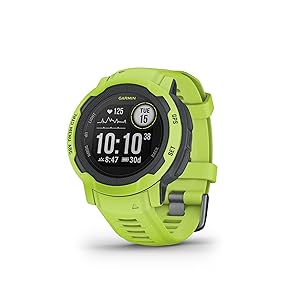
- Multi-GNSS support (GPS, GLONASS, Galileo)
- TracBack® routing for safe navigation back to start
- Rugged build with 100m water resistance
- Battery life up to 28 days in smartwatch mode
The Garmin Instinct 2 is designed for outdoor adventurers who need more than just a timepiece. With its robust GPS system supporting multiple satellites, it ensures accurate tracking in challenging terrains, whether you’re hiking, climbing, or trekking remote trails. Its rugged construction meets military standards for thermal, shock, and water resistance, making it reliable even in extreme conditions. The Electric Lime colorway not only adds vibrancy but also makes the watch highly visible in outdoor settings.
One of the standout features is TracBack routing, which allows you to navigate back to your starting point without hassle. The Instinct 2 balances functionality with efficiency, offering long-lasting battery life that can stretch up to 28 days in smartwatch mode. The watch also integrates fitness tracking, heart rate monitoring, and stress measurement, making it a versatile companion for both mountaineering and daily use.
Pros
- Extremely durable, built for rugged use
- Accurate GPS with multiple satellite systems
- Excellent battery life for extended trips
- Clear and bright display
Cons
- No offline maps support
- Limited smartwatch features compared to high-end models
2. SUUNTO Core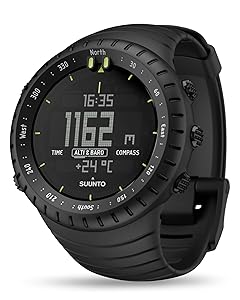
- Altimeter with elevation gain/loss tracking
- Barometer for weather trend prediction
- Digital compass with dual-time zone support
- Storm alarm with sunrise/sunset display
The SUUNTO Core has built a strong reputation as a classic mountaineering watch, combining essential outdoor tools in a straightforward design. Its altimeter and barometer are accurate, offering real-time data for hikers and climbers navigating unpredictable terrains. The storm alarm feature is particularly valuable, warning users of sudden weather shifts that can make or break an expedition. The inclusion of sunrise and sunset times adds another practical dimension, especially for those planning routes that depend on daylight.
Although it lacks the smart functions of modern GPS watches, the SUUNTO Core’s simplicity is what makes it reliable. The clear display and tactile buttons work well with gloves, which is a big plus for mountain use. Its durability, combined with an intuitive user interface, ensures it remains a trustworthy partner in the outdoors. This makes it an excellent choice for mountaineers who prefer a no-frills, functional approach over heavy tech integration.
Pros
- Essential outdoor functions in one device
- Reliable weather alerts and storm alarm
- Easy-to-use interface, even with gloves
- Long battery life with replaceable battery
Cons
- No GPS functionality
- Basic design compared to modern smartwatches
3. Casio Pro Trek PRG-270-1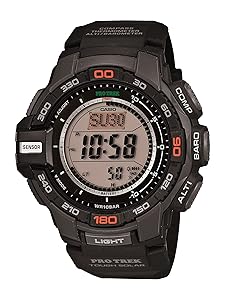
- Triple Sensor: Altimeter, Barometer, Compass
- Tough Solar power system with long-lasting battery
- Water-resistant up to 100m
- Low-temperature resistance (-10°C/14°F)
Casio’s Pro Trek PRG-270-1 blends rugged outdoor utility with advanced sensor technology, offering adventurers a watch built for resilience. The triple sensor provides real-time altitude, barometric pressure, and directional readings, ensuring users can navigate confidently in remote areas. Powered by Casio’s Tough Solar technology, the watch eliminates battery concerns by charging from both natural and artificial light sources.
The PRG-270-1 is designed for practicality, with a durable resin case and a large, easy-to-read digital display. Its water and temperature resistance make it a reliable companion for mountain conditions. While it lacks GPS tracking, it makes up for it by focusing on long-lasting durability and dependable sensor performance. For mountaineers who value reliability over smart features, the Pro Trek remains a cost-effective and sturdy choice.
Pros
- Solar-powered, no frequent charging needed
- Accurate triple sensor readings
- Durable construction for extreme environments
- Budget-friendly for its features
Cons
- No GPS or smart notifications
- Bulkier design compared to modern alternatives
4. Garmin fēnix 8
- Solar charging with extended battery life
- Dive-rated (100m water resistance)
- Built-in LED flashlight for night use
- Premium DLC Titanium with sapphire lens
The Garmin fēnix 8 is a premium multisport smartwatch that pushes the limits of outdoor technology. Designed with titanium and sapphire, it combines luxury with rugged durability. The solar charging capability extends its battery life significantly, making it ideal for long expeditions where recharging may not be possible. The addition of a built-in LED flashlight is a thoughtful innovation, providing safety and convenience during night treks or emergencies.
What sets the fēnix 8 apart is its comprehensive functionality. It supports multiple sports modes, offline maps, advanced health tracking, and global navigation systems. Its dive rating ensures performance under extreme water pressure, while its large display remains readable in all light conditions. Though positioned at a premium price point, its unmatched versatility and endurance make it a top choice for serious mountaineers and athletes.
Pros
- Unmatched durability and design quality
- Solar charging with exceptional battery endurance
- Advanced navigation with offline maps
- Comprehensive health and performance metrics
Cons
- Very expensive
- Heavier compared to lighter adventure watches
5. COROS VERTIX 2S
- Battery life up to 40 days in standard mode
- Global offline maps with GPS navigation
- Heart rate and SpO2 monitoring
- Multi-sport support: climbing, skiing, biking, running
The COROS VERTIX 2S is built for extreme endurance athletes and mountaineers who need reliability in the most remote areas. Its 40-day battery life is one of the longest in the category, reducing dependency on frequent charging during extended expeditions. The inclusion of global offline maps and route planning ensures seamless navigation, even without mobile connectivity. It also tracks heart rate and oxygen levels, essential metrics for high-altitude climbing.
This watch is not just about endurance—it offers multi-sport adaptability, covering activities from rock climbing to skiing. Its lightweight yet rugged design ensures it can withstand rough handling without becoming uncomfortable. While it doesn’t have the luxury polish of Garmin’s premium line, its long battery life and global navigation tools make it a powerful alternative at a competitive price point.
Pros
- Exceptional battery life (40 days)
- Offline maps and route planning
- Strong performance for multi-sport use
- Lightweight yet rugged design
Cons
- Limited smart features compared to Garmin
- Higher price than mid-range models
6. North Edge Apache
- Digital compass for navigation
- Step tracker with calorie counter
- Durable shock-resistant design
- Military-style rugged build with tactical band
The North Edge Apache is a tactical sports watch built with survival and outdoor utility in mind. It focuses on essential features such as a compass, pedometer, and calorie tracker while maintaining a rugged military-style design. Its durability makes it a solid option for hikers and climbers who want a tough, no-nonsense watch without the complexity of GPS systems.
While it lacks advanced mapping or satellite connectivity, the Apache compensates with resilience and affordability. The watch’s bold, outdoor-focused appearance fits its purpose well, and the large digital display ensures visibility even in low-light conditions. It’s a practical choice for entry-level mountaineers, outdoor enthusiasts, or anyone who values durability and straightforward tracking tools at an accessible price.
Pros
- Affordable tactical outdoor watch
- Durable build suited for rough use
- Step tracking with calorie data
- Simple interface, easy to operate
Cons
- No GPS or altimeter/barometer
- Limited advanced features
7. EZON H009
- Altimeter, barometer, and thermometer sensors
- Weather forecast function with storm alerts
- EL backlight for night readability
- Stopwatch and basic fitness tracking
The EZON H009 offers a good balance between affordability and functionality for mountaineers who need core environmental sensors. Its altimeter, barometer, and thermometer provide essential data for climbing and hiking, while the weather forecasting feature helps anticipate sudden changes in conditions. The EL backlight is particularly useful during night treks or camping, ensuring visibility at all times.
Though not as advanced as high-end GPS watches, the H009 delivers reliable core features without breaking the bank. Its digital interface is simple and practical, giving users quick access to important data. While fitness tracking is basic, it adds value for casual users. Overall, the EZON H009 is a budget-friendly option for those who want a functional mountaineering watch with essential sensors.
Pros
- Affordable with solid sensor features
- Weather forecast helps in planning routes
- Lightweight and comfortable design
- Easy-to-read display with backlight
Cons
- No GPS or advanced navigation
- Build quality less premium than top brands
How to Choose Mountaineering Watches
Mountaineering is a thrilling pursuit that combines endurance, technical skills, and a deep respect for nature’s most rugged environments. Whether you are scaling snow-capped peaks, navigating glaciers, or trekking through high-altitude trails, having the right gear can make the difference between success and failure, comfort and hardship, or even safety and danger. Among these essential pieces of gear is a mountaineering watch—a specialized timepiece designed not only to tell the time but to serve as a survival tool in extreme conditions.
Unlike regular watches, mountaineering watches are built to withstand harsh weather, provide navigation assistance, and monitor your body’s performance under challenging conditions. But with so many options available, choosing the right one can feel overwhelming. This article explores the key features to look for and how to select the perfect watch for your adventures.
1. Understanding the Role of a Mountaineering Watch
A mountaineering watch is more than an accessory; it is a multi-functional tool. In the mountains, you may face unpredictable weather, high-altitude conditions, and the constant need to track your route and time. A good mountaineering watch can help with:
- Navigation: Through GPS, compass, and altimeter functions.
- Weather Awareness: Using barometers and storm alerts to anticipate sudden changes.
- Performance Monitoring: Tracking heart rate, oxygen levels, and calories burned.
- Survival: Providing accurate data when traditional maps or devices may fail.
In short, a mountaineering watch can be a lifeline, guiding your decisions and keeping you prepared in uncertain environments.
2. Essential Features to Consider
When choosing a mountaineering watch, certain features are non-negotiable. These functions distinguish a mountain-ready watch from a regular sports or digital watch.
a) Altimeter
An altimeter measures altitude—crucial for mountaineers who need to know how high they are, whether for pacing, acclimatization, or navigation. Look for watches with both GPS-based and barometric altimeters for greater accuracy.
b) Barometer
A barometer tracks air pressure and can predict weather changes. Sudden drops in pressure may signal an incoming storm, giving you time to find shelter.
c) Compass
A digital or traditional compass is vital for navigation, especially when maps and GPS signals fail in deep valleys or snowy conditions.
d) GPS and Navigation Features
Modern mountaineering watches often come with GPS navigation, route tracking, and even breadcrumb trails to help you retrace your path. This is especially useful in remote areas without clear trails.
e) Durability and Materials
The watch must withstand freezing temperatures, impact from falls, and exposure to water or snow. Look for scratch-resistant sapphire crystal, titanium or stainless steel cases, and rugged designs.
f) Battery Life
Battery life is critical, particularly on long expeditions where charging may not be possible. Choose a watch with extended GPS battery life (at least 20-40 hours in GPS mode) or solar charging capabilities.
g) Water Resistance
At high altitudes, you may face snow, ice, or heavy rain. A mountaineering watch should have at least 100 meters of water resistance to handle these conditions.
h) Thermometer
Tracking external temperature helps in adjusting clothing and planning for cold weather survival.
i) Heart Rate and Oxygen Monitoring
At high altitudes, oxygen levels drop, and your body struggles to adapt. Watches with pulse oximeters and heart rate monitors help climbers avoid altitude sickness by monitoring acclimatization.
j) Smartwatch Functions (Optional)
Some mountaineering watches offer smartphone notifications, music storage, and fitness apps. While not essential, they may be convenient for multi-purpose use.
3. Choosing the Right Watch for Your Needs
Not every mountaineer has the same requirements. The right watch depends on the type of climbing or trekking you plan to do.
a) Casual Hikers and Trekkers
If your adventures involve weekend hikes or low-altitude climbs, you may not need advanced features like oxygen monitoring. A basic ABC watch (Altimeter, Barometer, Compass) will suffice.
b) High-Altitude Climbers
For expeditions above 4,000–5,000 meters, watches with advanced features like pulse oximeters, GPS navigation, and extended battery life are essential.
c) Technical Mountaineers
Climbers tackling ice walls, glaciers, or mixed terrains need durability, shock resistance, and reliable navigation tools. Sapphire glass and titanium builds are ideal.
d) Expedition Leaders and Professionals
If you guide teams or undertake multi-week expeditions, invest in premium models with solar charging, detailed mapping, storm alerts, and robust tracking.
4. Popular Brands and Models
Several manufacturers specialize in mountaineering watches. Some of the most trusted brands include:
- Garmin: Known for GPS accuracy and advanced navigation features. Models like Garmin Fenix and Garmin Enduro are highly popular among climbers.
- Suunto: Pioneers of ABC watches, Suunto offers rugged and reliable devices like Suunto 9 Peak Pro.
- Casio (Pro Trek & G-Shock): Affordable yet durable, Casio watches are favorites for beginners.
- Coros: Lightweight watches with exceptional battery life, suitable for ultramarathoners and mountaineers.
Each brand offers models at different price points, so you can choose based on your budget and required features.
5. Budget Considerations
Mountaineering watches range from $150 entry-level models to $1,000+ premium editions. Before purchasing, ask yourself:
- How often will I use it? Occasional hikers may not need the most expensive model.
- Do I need GPS mapping? If you rely on paper maps, a simpler ABC watch may suffice.
- Will I climb high altitudes? If yes, invest in models with oxygen monitoring and weather alerts.
Remember, a watch is an investment in safety, not just style.
6. Practical Tips for Buying
- Try before you buy: Ensure the watch feels comfortable on your wrist, especially with gloves.
- Check readability: The display should be visible in bright sunlight and during night climbs.
- Update firmware: Modern smartwatches often receive updates that improve accuracy and add features.
- Consider weight: A heavy watch may feel cumbersome during long climbs.
- Backup plan: Always carry a map and compass; never rely solely on your watch.
Final Thoughts
Choosing a mountaineering watch is about balancing your needs, budget, and environment. While flashy features may sound attractive, focus on practicality: durability, battery life, and essential functions like altimeter, barometer, and compass. A reliable mountaineering watch should complement your skills, not replace them.
Ultimately, the best watch is the one that keeps you safe, helps you navigate effectively, and stands resilient in extreme conditions. Whether you are an occasional hiker or a professional alpinist, investing in the right mountaineering watch ensures that time—and safety—are always on your side.