Best Neutral Climbing Shoes of 2025
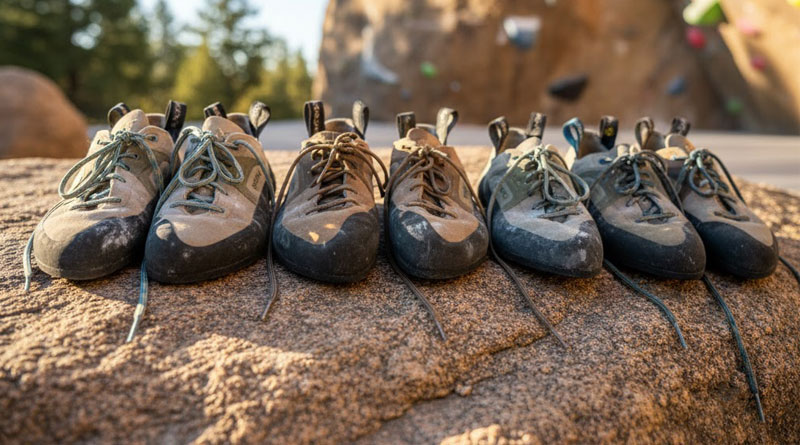
Choosing the best neutral climbing shoes can make a big difference in your climbing experience, whether you’re a beginner or a seasoned climber. Neutral shoes are known for their comfort, flat shape, and relaxed fit, making them perfect for long sessions, multi-pitch routes, or all-day wear at the gym or crag. They provide a solid balance between support and flexibility, allowing your feet to stay comfortable while still maintaining good grip and control. In this article, we’ll explore some of the best neutral climbing shoes available, highlighting their features, benefits, and what type of climbing they suit best, so you can find the perfect pair for your needs.
1. La Sportiva Tarantulace Climbing Shoes
- Upper Material: Unlined leather
- Closure System: Quick-pull lacing system
- Midsole: 1.8mm LaspoFlex for moderate stiffness
- Outsole: 5mm FriXion® RS rubber for superior grip
The La Sportiva Tarantulace is one of the most reliable all-around neutral climbing shoes for beginners and intermediate climbers. Its unlined leather upper molds naturally to the foot, providing comfort for long gym sessions or outdoor routes. The quick-pull lacing system allows for an adjustable and secure fit, accommodating various foot shapes. The neutral last keeps the foot flat, making it ideal for those who prioritize comfort over aggressive downturns. Whether you’re tackling slab climbs or moderate sport routes, the Tarantulace ensures a balanced combination of performance and comfort.
Performance-wise, this shoe offers excellent sensitivity without sacrificing durability. The 5mm FriXion RS rubber gives solid traction on plastic holds and real rock alike. Its 1.8mm LaspoFlex midsole provides a good level of support, reducing fatigue during long climbs. While it may not excel on steep overhangs or boulder problems that demand precision toeing, it’s a trustworthy partner for multi-hour sessions and entry-level lead climbing. The Tarantulace stands as a durable, budget-friendly, and comfortable shoe for everyday use.
Pros
- Comfortable for long sessions
- Durable rubber sole
- Excellent fit adjustment via laces
- Great all-around performance
Cons
- Limited precision on steep routes
- Takes time to break in
2. SCARPA Women’s Sport Climbing Shoes
- Upper Material: Microsuede synthetic leather
- Closure: Dual hook-and-loop straps
- Midsole: Flexan 1.0mm for balanced stiffness
- Outsole: 4mm Vision rubber
The SCARPA Women’s Sport Climbing Shoe blends comfort, precision, and lightweight design for gym and outdoor climbers alike. Its microsuede upper offers a soft, form-fitting feel while maintaining structure even after heavy use. The dual-strap closure ensures quick on-and-off transitions and a snug, adjustable fit. The neutral profile keeps the foot in a relaxed position, ideal for climbers who value comfort during extended training or multipitch routes.
In performance terms, the Vision rubber outsole ensures reliable friction, allowing confidence on both small footholds and smeary surfaces. The Flexan midsole provides just enough stiffness for support without feeling rigid, striking a great balance for moderate grades. This shoe’s breathable design and lightweight build make it perfect for warm climbing conditions or long indoor sessions. It’s not designed for overhang specialists, but as an all-rounder, it delivers dependable performance at an accessible price.
Pros
- Lightweight and comfortable
- Secure dual-strap closure
- Reliable grip and friction
- Great for gym and all-day wear
Cons
- Not ideal for steep terrains
- Slightly less durable than leather models
3. CASTIRON LIFT Men Climbing Shoes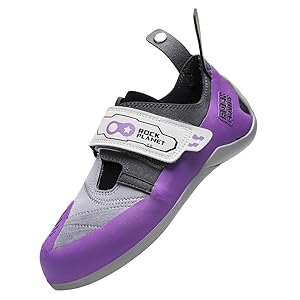
- Upper: Breathable synthetic mesh with microfiber overlays
- Closure: Adjustable Velcro straps
- Midsole: EVA-supported for added comfort
- Outsole: 4.5mm anti-slip rubber
The CASTIRON LIFT Men Climbing Shoes are an affordable, comfortable choice for new climbers seeking a balance between performance and accessibility. Their breathable mesh construction provides superior ventilation, making them excellent for long climbing sessions or summer use. The Velcro straps make them easy to adjust and remove, appealing to gym climbers who value convenience. The neutral shape supports natural foot positioning, reducing strain during prolonged climbs.
Performance-wise, the 4.5mm rubber outsole offers dependable grip on both indoor walls and outdoor rock. The EVA midsole enhances comfort, absorbing some impact during descents or long belays. Although they lack the technical edge precision of higher-end shoes, their grip and flexibility make them perfect for beginners transitioning into sport climbing or bouldering. They offer outstanding value for money and impressive comfort for their price point.
Pros
- Budget-friendly and durable
- Breathable and lightweight design
- Comfortable for long wear
- Easy to put on and take off
Cons
- Limited precision for advanced routes
- Not suited for overhangs or small edges
4. Butora Komet Climbing Shoe
- Upper: Premium leather with 3D knit tongue
- Closure: Dual Velcro system
- Midsole: ABS thermoplastic for foot support
- Outsole: Butora NEO Fuse rubber
The Butora Komet stands out for its combination of comfort, style, and high-end performance at a reasonable price. Its leather upper paired with a breathable knit tongue ensures an adaptive fit that molds to your foot. The dual Velcro system allows quick adjustments and even pressure distribution. Designed with a neutral last, the Komet supports long, comfortable climbs without sacrificing control or sensitivity.
Performance-wise, the NEO Fuse rubber provides excellent stickiness on both indoor and outdoor surfaces. Its ABS thermoplastic midsole maintains stiffness without compromising flexibility, offering stability on small footholds and edges. The Komet shines in technical face climbing and vertical routes, while still being comfortable enough for warm-ups and long training days. It’s a versatile pick for climbers who need an all-around shoe that feels premium without an aggressive shape.
Pros
- Exceptional grip and sensitivity
- High-quality materials
- Great comfort for long climbs
- Versatile indoor/outdoor use
Cons
- Slightly pricier than entry-level shoes
- May stretch slightly after heavy use
5. Black Diamond Climbing Shoes
- Upper: Engineered knit with microfiber lining
- Closure: Velcro straps
- Midsole: Soft flex midsole for sensitivity
- Outsole: 4.3mm NeoFriction rubber
The Black Diamond Climbing Shoes bring modern engineering and comfort into one sleek package. Their engineered knit upper provides excellent breathability, keeping your feet cool even during intense climbing sessions. The microfiber lining prevents excessive stretching and maintains structure over time. The Velcro straps make fit adjustments quick and secure, ideal for gym climbers and beginners who value simplicity.
In terms of performance, the 4.3mm NeoFriction rubber delivers reliable grip and consistent friction on both artificial holds and real rock. The soft flex midsole offers great sensitivity, allowing climbers to feel each foothold precisely. These shoes excel in indoor training and moderate outdoor climbs but are not meant for steep or highly technical routes. For those prioritizing comfort, durability, and style, Black Diamond’s neutral shoes hit the perfect balance.
Pros
- Excellent breathability and comfort
- Great grip with NeoFriction rubber
- Easy on/off design
- Ideal for gym and all-day climbing
Cons
- Less suitable for aggressive routes
- Soft midsole limits edging power
How to Choose Neutral Climbing Shoes
When stepping into the world of rock climbing, one of the most important investments you’ll make is a good pair of climbing shoes. Among the various types—neutral, moderate, and aggressive—neutral climbing shoes are the most beginner-friendly and versatile option. They provide comfort, stability, and all-day wearability, making them ideal for long routes, multi-pitch climbs, and general gym or outdoor use. But how do you choose the right pair of neutral climbing shoes for your needs? This guide breaks down everything you need to know—from fit and materials to sole stiffness and closure systems—to help you make the best decision.
1. Understanding What Neutral Climbing Shoes Are
Neutral climbing shoes are designed with a flat profile that allows your feet to rest in a natural, relaxed position. Unlike aggressive shoes with sharply downturned toes (made for overhangs and steep bouldering), neutral shoes prioritize comfort and support over precision and power.
They are ideal for:
- Beginners, who need shoes that won’t cause discomfort during long sessions.
- Trad climbers, who spend hours on the wall or in cracks.
- Multi-pitch climbers, who value all-day comfort over extreme performance.
- Indoor gym climbers, especially those still learning footwork techniques.
In essence, neutral shoes help build a strong foundation—perfect for developing proper technique without the distraction of painful toes.
2. Fit and Sizing: The Most Crucial Step
Getting the right fit is perhaps the most important aspect of choosing neutral climbing shoes. The fit determines how much control, sensitivity, and comfort you’ll have while climbing.
Here’s what to consider:
a. Snug but Not Painful
Neutral shoes should feel snug, but your toes shouldn’t be painfully curled or crammed. Your toes can lightly touch the end of the shoe, but they shouldn’t be bent. Remember, climbing shoes will stretch slightly over time—especially if they’re made from leather.
b. Try Before You Buy
If possible, try on several pairs from different brands. Each brand has its own shape (“last”) that may better match your foot’s width, arch, and toe structure. Some fit narrow feet better, while others are designed for wide-footed climbers.
c. Think About Your Climbing Style
If you mostly climb indoors or do short routes, you might prefer a tighter fit for better precision. However, if you plan to wear the shoes for hours on long outdoor climbs, go for a slightly looser fit to maintain circulation and comfort.
3. Choosing the Right Materials
The material of your climbing shoe affects not only comfort but also performance, breathability, and stretch over time.
a. Leather
Unlined leather shoes are known for stretching—sometimes up to a full size. They mold perfectly to your foot, offering a personalized fit after a few sessions. However, they can lose their snugness if you size them too loosely initially.
b. Lined Leather
Lined leather shoes minimize stretch while still offering a bit of flexibility and comfort. They maintain their shape better and are a popular choice for climbers who want consistency over time.
c. Synthetic
Synthetic shoes tend to stretch very little, maintaining their out-of-the-box fit. They’re also more breathable and often vegan-friendly. However, they might not mold to your foot as naturally as leather.
Pro tip: If you’re a beginner, synthetic or lined leather shoes are often a safe choice since they maintain their shape longer and require less break-in time.
4. Stiffness and Sole Thickness
Neutral climbing shoes are typically built with stiffer soles than aggressive ones. This stiffness provides support on longer climbs, reducing foot fatigue and helping beginners stand comfortably on small holds.
a. Stiff Sole Advantages
- Great for edging on small footholds
- Reduces strain on your arches and toes
- Provides stability for long routes or cracks
b. Rubber Thickness
Climbing shoes usually feature rubber soles between 3mm to 5mm thick. Thicker soles (around 4–5mm) are more durable and supportive—perfect for beginners. Thinner soles (3–4mm) enhance sensitivity, allowing experienced climbers to feel the rock better.
c. Rubber Type
Different rubbers have different levels of stickiness and durability. Softer rubbers (like Vibram XS Grip) offer excellent traction, while harder ones (like Vibram XS Edge) last longer and are more supportive for edging. If you’re new to climbing, look for a balance between the two.
5. Closure Systems: Laces, Velcro, or Slippers?
The closure system determines how easily you can adjust or remove your shoes. Each type has unique pros and cons.
a. Laces
Lace-up shoes offer the most precise fit. You can tighten or loosen different parts of the shoe depending on your comfort. They’re excellent for all-day climbs and trad routes.
Best for: Long climbs, crack climbing, and those with uniquely shaped feet.
b. Velcro (Hook-and-Loop)
Velcro shoes are the most convenient for indoor climbing or bouldering. They’re easy to slip on and off between routes, making them perfect for gym sessions.
Best for: Gym climbers and those who value convenience.
c. Slippers
Slip-on shoes (also called slippers) offer minimal structure and maximum sensitivity. While less common among beginners, some climbers love them for training or crack climbing because they fit snugly and lack bulky closures.
Best for: Crack climbing and short training sessions.
6. Shape and Profile
Neutral climbing shoes come in various toe shapes and width profiles to match your natural foot structure.
- Round Toe Box: Offers comfort and is ideal for beginners.
- Tapered Toe Box: Provides better precision for small holds.
- Flat Profile: Keeps the foot relaxed and natural—signature of all neutral shoes.
- Slight Asymmetry: Directs power toward the big toe while remaining comfortable.
When trying on shoes, stand on small edges or footholds (if possible in-store) to test how they feel under load. The right pair should feel stable without excessive pressure on any part of your foot.
7. Use Case: Indoor vs. Outdoor Climbing
While neutral shoes are versatile, certain designs work better for specific environments.
a. Indoor Climbing
For gym climbing, choose shoes with stickier rubber and Velcro closures for convenience. Comfort and quick removal matter more than durability.
b. Outdoor Climbing
For trad or multi-pitch climbing, pick lace-up shoes with thicker soles and durable leather uppers. You’ll want comfort for hours of wear and protection against rock abrasion.
8. Budget and Brand Considerations
Neutral climbing shoes come in a wide price range—from budget-friendly beginner models to high-end all-day performers. While you don’t need the most expensive pair to start, avoid ultra-cheap ones that sacrifice durability and grip.
Popular and trusted brands include:
- La Sportiva (e.g., Tarantulace, Mythos)
- Scarpa (e.g., Helix)
- Five Ten (e.g., Rogue)
- Evolv (e.g., Defy, Nighthawk)
- Black Diamond (e.g., Momentum)
Try to balance comfort, build quality, and price. A mid-range shoe from a reputable brand is often the best value for beginners.
9. Final Tips Before You Buy
- Try them on after climbing (when your feet are slightly swollen) to ensure a realistic fit.
- Wear thin climbing socks or go barefoot, depending on your preference.
- Expect a short break-in period—especially for leather models.
- Don’t oversize. A snug fit is essential for performance; too loose and you’ll slip on holds.
Conclusion
Choosing the right neutral climbing shoes is a blend of comfort, fit, and intended use. They’re the perfect starting point for new climbers and a reliable option for veterans tackling long routes. Focus on finding a pair that supports your climbing goals—comfortable enough for hours on the wall, yet snug enough to give you confidence on every foothold. Once you’ve found your perfect fit, you’ll climb more efficiently, improve your technique, and enjoy every minute of your ascent.