
Best Orchard Ladders of 2025
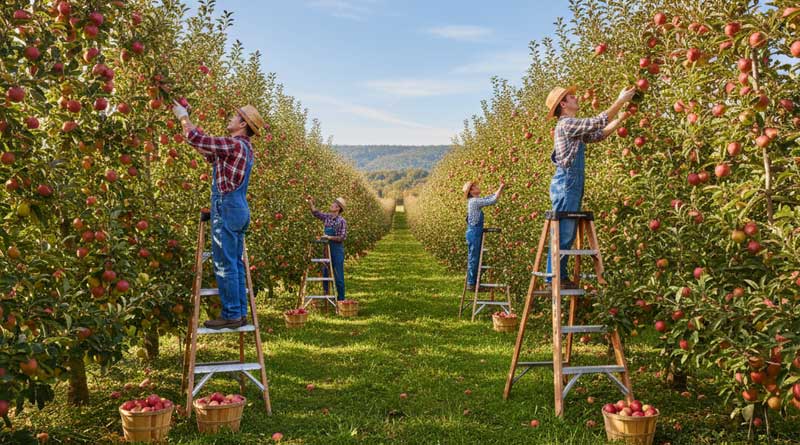
When it comes to picking fruits or pruning trees, the right ladder makes all the difference. Orchard ladders are specially designed to give you balance, safety, and comfort while working among trees. Choosing the best orchard ladder can help you work faster, reach higher branches with ease, and reduce the risk of accidents. Whether you are a professional grower or someone who enjoys gardening at home, investing in a quality orchard ladder is a smart decision. In this article, we will explore the best orchard ladders available today.
1. GENERIC Aluminum Tripod Orchard Ladder 4.3ft
- Material: Lightweight aluminum frame
- Height: 4.3 feet (single tripod design)
- Weight Capacity: Up to 225 lbs
- Design: Wide base for orchard stability
The GENERIC Aluminum Tripod Orchard Ladder is a compact and reliable tool designed for small-scale orchard maintenance and fruit picking. Its lightweight aluminum build makes it easy to carry and reposition, especially when moving between rows of trees. At 4.3 feet, it offers modest reach, perfect for low to medium-height fruit trees or tasks like pruning and harvesting without the bulkiness of taller ladders. The tripod design ensures good balance even on uneven orchard soil, which is an important safety advantage.
This ladder is not designed for extremely tall trees, but it makes up for that with portability and user-friendliness. The wide base helps distribute weight, giving the user confidence while working. It’s an affordable option for hobby orchardists or homeowners who need a ladder primarily for seasonal fruit picking. If your orchard trees grow higher than average, you may need to pair this ladder with a taller model, but as a starter orchard ladder, it’s a dependable choice.
Pros
- Lightweight and easy to carry
- Stable tripod design for uneven ground
- Good for small to medium orchard tasks
- Affordable price point
Cons
- Limited height (not suitable for tall trees)
- Moderate weight capacity compared to larger ladders
2. Werner Tripod Ladder Duty Rating Fiberglass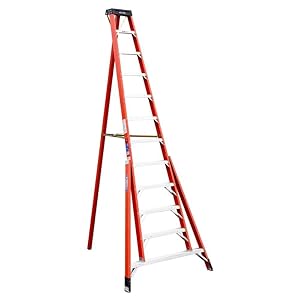
- Material: Fiberglass frame
- Height: Available in multiple orchard-friendly sizes
- Duty Rating: 300 lbs (Type IA)
- Leg Design: Adjustable tripod for uneven terrain
The Werner Tripod Ladder with Duty Rating Fiberglass is a professional-grade orchard ladder built for durability and heavy-duty use. Its fiberglass construction not only ensures strength but also makes it non-conductive, which is a key safety feature when working near electrical lines or in mixed-use environments. The tripod design offers flexibility and secure placement on grassy or uneven orchard ground, giving workers confidence during long hours of pruning or harvesting.
This ladder is designed for commercial orchardists or serious hobbyists who need something sturdier than aluminum. Its higher duty rating means it can safely handle heavier loads, including tools and baskets of fruit. While it is heavier than aluminum ladders, the added stability and safety more than justify the weight. For orchards with varied terrain and medium-to-tall trees, this ladder provides an excellent balance of reliability and security.
Pros
- Strong fiberglass frame with high weight capacity
- Tripod design ensures orchard stability
- Non-conductive for electrical safety
- Long-lasting durability
Cons
- Heavier than aluminum ladders
- Higher price compared to generic models
3. Little Giant Fiberglass Ladder
- Material: Fiberglass construction
- Height: Adjustable design for variable tasks
- Weight Capacity: 300 lbs (ANSI Type IA)
- Design: Multi-position ladder with orchard compatibility
The Little Giant Fiberglass Ladder is known for its versatility, offering multiple configurations that make it useful in both orchards and general household tasks. With its adjustable design, it can function as a step ladder, extension ladder, or even as a stable base for uneven ground, which is especially handy in orchards with variable terrain. Its fiberglass body provides both strength and electrical safety, ensuring a long lifespan for intensive use.
While not a traditional tripod ladder, its adaptability makes it attractive to orchardists who want a ladder for more than just fruit picking. Its sturdy build supports significant weight, accommodating both workers and their harvest baskets. However, due to its multipurpose nature, it is heavier than dedicated orchard ladders and may take slightly longer to set up. For users who value flexibility and durability, it’s an investment that pays off both in and outside the orchard.
Pros
- Extremely versatile multi-position design
- High duty rating for safety and support
- Durable fiberglass construction
- Works in orchard and non-orchard settings
Cons
- Heavier and bulkier to move
- Less specialized for orchards compared to tripod ladders
4. Louisville Ladder 12-Foot Fiberglass Step Ladder
- Material: Fiberglass build
- Height: 12 feet
- Weight Capacity: 300 lbs (Type IA)
- Step Design: Wide slip-resistant steps
The Louisville Ladder 12-Foot Fiberglass Step Ladder is designed for orchardists who require greater height while maintaining safety and comfort. With a 12-foot reach, it’s well-suited for medium-to-tall trees, providing ample support for pruning, harvesting, or installing orchard netting. Its fiberglass construction ensures both strength and non-conductivity, making it suitable for outdoor agricultural work. The wide slip-resistant steps enhance user comfort and reduce fatigue during long hours of use.
Although it lacks a tripod leg, which limits its adaptability on uneven terrain, this ladder makes up for it with stable footing and generous height. It’s a professional-grade ladder built for heavy-duty use, making it ideal for large orchards or farm operations. However, portability is a bit of a challenge due to its size, so it is better suited for permanent orchard installations rather than frequent movement.
Pros
- High reach for taller trees
- Sturdy fiberglass construction
- Wide slip-resistant steps for comfort
- Strong duty rating
Cons
- Bulkier to move between trees
- Not ideal for uneven ground
5. Louisville Ladder 14-Foot Fiberglass Twin Step Ladder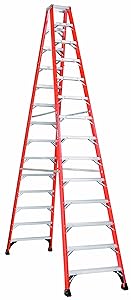
- Material: Fiberglass frame
- Height: 14 feet
- Weight Capacity: 300 lbs (Type IA)
- Step Design: Twin-step feature for two-person use
The Louisville Ladder 14-Foot Fiberglass Twin Step Ladder is a heavy-duty solution designed for professional orchardists and farm workers. Its 14-foot height offers excellent reach for tall orchard trees, while the twin-step design allows two people to work on the ladder at the same time. This feature makes it ideal for team-based tasks like pruning or harvesting heavy fruit. The fiberglass build ensures strength, durability, and non-conductive safety in outdoor environments.
This ladder is particularly suited for orchards with mature, tall trees where maximum reach is needed. The ability to have two people working simultaneously increases efficiency, though it also requires careful coordination for safety. Its bulk and weight can make transportation challenging, but for permanent orchard operations, it provides exceptional stability and productivity. It is best for large-scale farms rather than small home orchards.
Pros
- Extra height for tall orchard trees
- Twin-step design for two-person use
- Strong fiberglass frame with 300 lbs rating
- Non-conductive and highly durable
Cons
- Very heavy and less portable
- Requires careful use when two people climb simultaneously
6. Safe Four-Step Ladder for Orchard Picking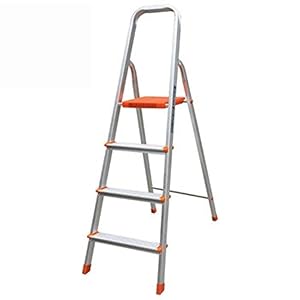
- Material: Aluminum alloy build
- Height: Four steps (approx. 3–4 feet)
- Weight Capacity: 250 lbs
- Safety Features: Non-slip treads and hand support bar
The Safe Four-Step Ladder is designed with everyday orchard picking in mind, offering a compact and secure solution for lower trees or under-canopy work. Its four-step design provides just enough height for small to medium fruit trees, while the lightweight aluminum build makes it easy to carry around the orchard. Safety is a priority here, with non-slip steps and a hand support bar that gives users added balance and confidence while climbing.
This ladder is not intended for very tall trees but shines as a dependable tool for close-range picking. It is also highly convenient for older users or those who prefer a stable, easy-to-handle ladder. Due to its compact size, it doubles well for household use, making it versatile beyond orchard applications. For small orchard owners or gardeners, it’s an affordable and practical choice.
Pros
- Lightweight and portable
- Safety hand bar for added balance
- Non-slip steps for secure footing
- Great for small orchard tasks and household use
Cons
- Limited reach (not for tall trees)
- Lower weight capacity than professional ladders.
How to Choose Orchard Ladders
Working in an orchard is rewarding but also comes with unique challenges. Whether you are harvesting apples, pruning citrus, or maintaining tall nut trees, safety and efficiency depend on having the right tools. One of the most essential tools for orchard work is the orchard ladder. Unlike standard household ladders, orchard ladders are designed specifically for uneven ground, sloping terrain, and tall trees. Choosing the right ladder not only ensures safety but also increases productivity and reduces fatigue.
This article provides a comprehensive guide to choosing orchard ladders by exploring types, materials, heights, safety features, and key considerations before purchase.
1. What is an Orchard Ladder?
An orchard ladder is a three-legged, self-supporting ladder designed for outdoor agricultural use, particularly in orchards. Unlike a standard ladder that has four legs or relies on leaning against a wall, orchard ladders feature a single third leg (called the “pole” or “stake”) that provides stability on uneven terrain. The tripod design makes it possible to safely stand on slopes, soft soil, or between rows of trees.
The unique construction prevents wobbling and reduces the risk of tipping, which is especially important when carrying baskets of fruit or pruning tools.
2. Why Do You Need the Right Orchard Ladder?
Choosing the correct ladder is more than a matter of convenience—it’s a matter of safety and efficiency. Here are key reasons why your choice matters:
- Safety: Falls from ladders are a leading cause of farm injuries. A properly chosen ladder reduces risks.
- Efficiency: The right height and stability allow workers to reach fruit or branches without overextending.
- Durability: Investing in a ladder made from quality materials ensures years of reliable service.
- Comfort: Lightweight designs and properly spaced rungs reduce fatigue during long harvest days.
3. Types of Orchard Ladders
When choosing, it’s important to understand the basic types available:
a) Tripod Orchard Ladder
- Most common type.
- Features two wide back legs and a third adjustable pole leg.
- Excellent stability on slopes and between tree branches.
b) Platform Orchard Ladder
- Features a stable platform at the top rather than just a rung.
- Ideal for tasks requiring both hands, such as pruning or picking with a basket.
- Often safer for extended standing but heavier than tripod ladders.
c) Adjustable Orchard Ladder
- Includes telescopic or adjustable legs.
- Useful for orchards with varying ground levels or very tall trees.
- Generally more expensive but versatile.
4. Materials: What Your Ladder is Made Of
The ladder’s material plays a huge role in its weight, durability, and usability.
Aluminum
- Lightweight and easy to move around.
- Resistant to rust and weather.
- Ideal for large orchards where ladders need to be frequently repositioned.
- However, aluminum ladders can be slippery in wet conditions and conduct electricity, so avoid near power lines.
Wood
- Traditional choice for orchard ladders.
- Sturdy, does not conduct electricity.
- Heavier than aluminum and requires regular maintenance (painting, sealing, or oiling).
- Can warp, crack, or rot if not properly cared for.
Fiberglass
- Strong, durable, and non-conductive.
- More expensive and heavier than aluminum.
- Excellent for long-term use and for those working near power lines.
Recommendation: For most orchardists, aluminum tripod ladders are the best balance between portability, strength, and ease of use.
5. Height: Choosing the Correct Size
Height is one of the most important considerations. Orchard ladders typically range from 6 feet to 16 feet, though some extend up to 20 feet.
- Small orchards or dwarf trees: 6–8 feet ladders are sufficient.
- Medium-height trees (apples, pears, peaches): 10–12 feet ladders work well.
- Tall trees (walnuts, chestnuts, large citrus): 14–16 feet ladders may be required.
Rule of Thumb: Choose a ladder that allows you to reach fruit or branches without standing on the top three rungs. Standing too high on any ladder is unsafe.
6. Safety Features to Look For
When selecting a ladder, safety should be the top priority. Look for:
- Slip-resistant rungs: Wide, grooved steps reduce slipping.
- Flared base: Ensures greater stability.
- Sturdy third leg: Should be pointed or spiked to grip soft soil.
- Load rating: Choose a ladder rated to support at least 250–300 lbs, considering both your body weight and any tools or fruit you carry.
- Non-skid shoes or spikes: At the ends of legs for stability on soil or grass.
- Welded construction (for aluminum): Provides greater durability than riveted joints.
7. Key Factors to Consider Before Buying
Beyond height and material, ask yourself these practical questions:
- Terrain: Is your orchard flat or sloped? Tripod ladders are ideal for uneven ground.
- Tree Height and Type: Dwarf trees require shorter ladders; tall nut trees need longer ones.
- Frequency of Use: Occasional users may prefer lighter aluminum ladders; commercial orchardists may invest in durable fiberglass models.
- Portability: Will you move the ladder often? Lightweight aluminum saves energy.
- Storage and Maintenance: Wood ladders need dry storage and upkeep. Aluminum requires minimal maintenance.
- Budget: Aluminum ladders are affordable; fiberglass costs more but lasts longer.
8. Tips for Using Orchard Ladders Safely
- Always set the ladder on firm ground.
- Do not climb if the soil is too wet or muddy.
- Avoid standing on the top steps.
- Keep your body centered between the side rails to prevent tipping.
- Move the ladder instead of overreaching.
- Check for cracks, loose rungs, or bent frames before use.
- Wear non-slip footwear.
- Use baskets or picking bags that leave your hands free.
9. Maintenance and Care
Proper maintenance extends the lifespan of your ladder:
- Aluminum ladders: Rinse off dirt and debris; check for bent parts.
- Wood ladders: Store indoors when not in use; oil or seal regularly to prevent rot.
- Fiberglass ladders: Wipe clean; inspect for cracks.
- Always store ladders in a dry, shaded place. Avoid leaving them lying flat on the ground for long periods.
10. Where to Buy Orchard Ladders
- Agricultural supply stores often carry orchard-specific ladders.
- Online retailers such as Amazon, specialty farm equipment sites, and orchard supply companies.
- Local cooperatives or nurseries sometimes stock ladders suitable for small-scale growers.
When buying online, check product reviews, specifications, and weight ratings carefully.
Conclusion
Choosing the right orchard ladder requires careful consideration of your orchard’s layout, the types of trees you grow, and how frequently you’ll use the ladder. For most orchardists, a lightweight aluminum tripod ladder between 10 and 14 feet offers the best mix of safety, portability, and durability. However, for those with taller trees or electrical concerns, fiberglass or larger platform ladders may be more suitable.
Above all, prioritize safety—look for slip-resistant features, sturdy construction, and appropriate load ratings. With the right orchard ladder, you can work more efficiently, harvest more fruit, and protect yourself from unnecessary risks.