Best Sport Climbing Shoes of 2025
Choosing the right sport climbing shoes can make a big difference in how well you climb and how comfortable you feel on the wall. With so many options available, it can be hard to know which pair is best for your needs, whether you are a beginner just starting out or an experienced climber pushing your limits. The best sport climbing shoes give you the perfect mix of grip, support, and flexibility, helping you climb with confidence on both indoor walls and outdoor rock. In this article, we look at some of the top sport climbing shoes to help you find the right pair for your style and goals.
1. MASZRE Climbing Shoes for Men & Women
- Upper Material: Synthetic microfiber with breathable mesh inserts
- Sole: Durable rubber outsole with medium stiffness
- Closure: Dual Velcro straps for quick adjustment
- Weight: Approx. 450g per pair
The MASZRE Climbing Shoes are designed as a versatile entry-to-mid-level option for both men and women, combining comfort, durability, and performance. The synthetic microfiber upper is lightweight and breathable, reducing sweat buildup during long climbing sessions, while the rubber outsole provides reliable grip across indoor walls and outdoor rock surfaces. With their balanced stiffness, they deliver enough support for edging while still allowing some flexibility for smearing. The dual Velcro closure makes them easy to put on and adjust, which is particularly useful for beginners who want a hassle-free fit.
What makes the MASZRE stand out is its balance between comfort and function. They are not aggressively downturned, meaning they are better suited for sport climbing, gyms, and multi-pitch routes rather than hardcore bouldering or overhanging climbs. Many users will appreciate the all-day wearability since they don’t squeeze excessively, yet they maintain good precision on smaller holds. While advanced climbers may find them lacking in aggressive toe power, these shoes excel as a dependable choice for those building their skills and confidence. Overall, the MASZRE offers excellent value for money, bridging the gap between casual gym climbing and outdoor sport projects.
Pros
- Comfortable fit suitable for longer sessions
- Versatile design for gym and outdoor climbing
- Easy to use Velcro straps
- Breathable material reduces odor buildup
Cons
- Not aggressive enough for steep overhangs
- Limited sensitivity compared to high-end shoes
2. Stelle Barefoot Shoes for Rock Climbing
- Upper Material: Stretchable knit fabric for barefoot flexibility
- Sole: Thin rubber outsole with moderate stickiness
- Closure: Slip-on design with elastic collar
- Weight: Approx. 380g per pair
The Stelle Barefoot Shoes are crafted with a minimalist design, catering to climbers who prefer maximum foot freedom and natural movement. Unlike traditional climbing shoes, these emphasize flexibility and sensitivity, allowing climbers to feel the rock and adapt foot positioning with precision. The knit upper is breathable and lightweight, reducing hotspots and discomfort during longer climbing sessions. Because of the barefoot construction, the shoes mold closely to the foot, making them suitable for technical footwork where sensitivity is key.
However, the Stelle Barefoot Shoes are not for everyone. Their thin sole provides excellent ground feel but sacrifices some support, meaning beginners might struggle on small edges where rigidity is needed. They shine best on slab climbs, smearing surfaces, and training sessions where developing precise footwork is the priority. While they may lack the aggressive toe design needed for overhangs, their comfort and lightweight profile make them a good option for those who value natural climbing mechanics over brute force edging.
Pros
- Lightweight and highly breathable
- Excellent sensitivity and natural foot movement
- Comfortable for long sessions
- Easy slip-on design
Cons
- Limited edging power
- Not ideal for steep or overhanging routes
3. EVOLV Kronos Rock Climbing Shoes
- Upper Material: Synthetic with perforated tongue for breathability
- Sole: 4.2mm TRAX® SAS rubber for strong grip
- Closure: Single Velcro strap with cinch-pull adjustment
- Midsole: MX-P 1.4mm for support and flexibility
The EVOLV Kronos strikes an excellent balance between comfort and performance, designed for climbers seeking versatility in both indoor and outdoor climbing. The TRAX® SAS rubber sole offers superior grip, making it dependable for edging, smearing, and toe hooks. Its closure system combines Velcro with an adjustable strap, giving climbers both a secure fit and easy on/off convenience. The breathable synthetic upper also keeps moisture under control, which is essential for extended climbing days.
Where the Kronos really shines is in its adaptability. It is slightly downturned, giving climbers more precision and power than a flat beginner shoe, yet it isn’t overly aggressive, so it still remains wearable for longer climbs. Intermediate and advanced climbers will appreciate the balance of support and sensitivity. While it may not be the most specialized shoe for extreme overhangs or crack climbing, its all-around performance makes it a strong choice for sport climbing, gym sessions, and bouldering alike.
Pros
- Excellent grip with TRAX® SAS rubber
- Adjustable closure ensures snug fit
- Breathable upper reduces sweat buildup
- Balanced downturn for versatility
Cons
- Not ideal for pure crack climbing
- Some may find the break-in period stiff
4. SCARPA Women’s Origin Sport Climbing Shoes
- Upper Material: Suede leather with plush lining
- Sole: 5mm Vision® rubber for durability
- Closure: Dual Velcro straps for secure fit
- Profile: Flat and neutral for comfort
The SCARPA Women’s Origin is built with comfort and accessibility in mind, making it an excellent choice for beginner to intermediate climbers. The suede leather upper molds comfortably to the foot over time, while the flat profile reduces pressure on the toes, allowing for all-day wear. With its dual Velcro straps, adjustments are quick and precise, making it easy to slip on and off between climbs. The Vision® rubber sole is thick and durable, providing solid grip and long-lasting performance, especially useful for those just starting their climbing journey.
Although not an aggressive shoe, the Origin delivers consistent performance on vertical sport climbs and gym walls. It prioritizes comfort without completely sacrificing technical ability, giving new climbers the confidence to practice edging, smearing, and toe placements without discomfort. Advanced climbers may find the shoe too neutral for overhangs or demanding routes, but as a dependable, comfortable shoe for building technique, the SCARPA Origin excels.
Pros
- Extremely comfortable and beginner-friendly
- Durable rubber for long-lasting use
- Secure and easy Velcro closure
- Great for gym and sport climbing
Cons
- Too neutral for steep or technical climbs
- Leather requires some break-in time
5. Five Ten Climbing Shoe for Women
- Upper Material: Split-grain leather for comfort and durability
- Sole: Stealth® C4 rubber for exceptional grip
- Closure: Lace-up system for customized fit
- Profile: Neutral to slightly curved for versatility
The Five Ten Climbing Shoe for Women is built with precision and reliability in mind, catering to climbers who want dependable performance across various climbing styles. The split-grain leather upper adapts to the shape of the foot, providing a snug yet forgiving fit over time. Combined with a lace-up closure, these shoes allow for micro-adjustments, making them an excellent choice for women who want a tailored fit without compromise. The Stealth® C4 rubber sole is one of Five Ten’s hallmarks, delivering world-class grip that holds up on both gym walls and natural rock.
Designed with a versatile profile, the shoe leans toward all-around climbing performance rather than specialization. It offers a balance between edging support and smearing sensitivity, making it well-suited for sport routes, bouldering, and even light trad climbing. While it is not an aggressively downturned model, this neutrality gives it a comfort advantage, especially for longer sessions. Women with narrower feet will also find the fit to be more accommodating compared to unisex shoes. Advanced climbers may find them lacking on overhanging terrain, but for climbers who value consistency, comfort, and grip, these shoes are a trusted companion.
Pros
- Excellent grip with Stealth® C4 rubber
- Customizable fit thanks to lace closure
- Comfortable for longer climbing sessions
- Durable leather construction
Cons
- Not aggressive enough for steep routes
- Break-in period required for optimal comfort
6. EVOLV Shaman LV Climbing Shoes for Sport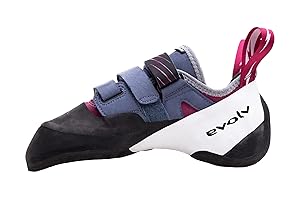
- Upper Material: Synthetic with microfiber lining
- Sole: 4.2mm TRAX® SAS rubber for grip and durability
- Closure: Triple Velcro straps for precise fit
- Profile: Aggressively downturned for power on steep terrain
The EVOLV Shaman LV (Low Volume) is a performance-oriented climbing shoe engineered for sport climbing and steep bouldering. Its aggressive downturn and “Love Bump” midsole technology concentrate power on the big toe, making it a formidable tool for overhanging climbs and pockets. The triple Velcro closure system locks the foot in place while allowing for quick adjustments, a feature especially valued during intense sessions where fit and security are crucial. The TRAX® SAS rubber sole is both sticky and durable, giving climbers confidence when edging on tiny holds or smearing on textured walls.
The Shaman LV is specifically designed for climbers with lower-volume feet, making it a great option for women and men with narrower profiles. Comfort isn’t overlooked despite the aggressive design — the microfiber lining minimizes stretch while maintaining a soft, glove-like fit. While beginners may find them too aggressive and less forgiving, intermediate and advanced climbers will appreciate the precision, power, and support they offer. On vertical or slab routes, they can feel stiff and less sensitive, but when it comes to overhangs and dynamic moves, the Shaman LV truly excels.
Pros
- Aggressive shape ideal for steep routes
- Triple Velcro straps ensure a secure fit
- Sticky and durable TRAX® SAS rubber
- Designed for lower-volume feet
Cons
- Too aggressive for beginners or casual climbers
- Less versatile on slabs or vertical walls
7. SoleEase Professional All-Around Climbing Shoes for Sports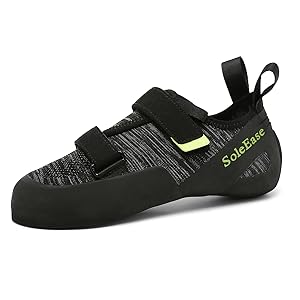
- Upper Material: Synthetic leather with breathable mesh
- Sole: 4mm rubber sole for durability and grip
- Closure: Dual Velcro straps for easy adjustment
- Profile: Neutral with moderate stiffness for versatility
The SoleEase Professional All-Around Climbing Shoes are designed with versatility and comfort at their core, targeting climbers who want a dependable shoe for multiple climbing disciplines. The synthetic leather upper paired with breathable mesh panels strikes a balance between durability and ventilation, ensuring that the shoes remain comfortable during long training sessions. With a 4mm rubber sole, the shoe offers solid grip on both indoor walls and outdoor crags, while its moderate stiffness supports edging without compromising too much sensitivity.
Positioned as an all-arounder, the SoleEase is ideal for those who want one pair of shoes to cover gym climbing, sport routes, and even light bouldering. Its neutral profile makes it beginner-friendly, yet supportive enough for intermediate climbers who are refining their technique. The dual Velcro straps make the shoes easy to put on and take off, while also ensuring a snug and reliable fit. While they may not have the aggressive downturn required for advanced climbers tackling steep overhangs, their balance of comfort, durability, and affordability makes them a strong option for anyone seeking a single shoe that can handle a wide range of climbing situations.
Pros
- Comfortable for long climbing sessions
- Durable rubber sole provides solid grip
- Easy-to-adjust Velcro closure
- Great balance of affordability and versatility
Cons
- Not suitable for steep or advanced climbs
- Lacks the sensitivity of high-end shoes
How to Choose Sport Climbing Shoes
Sport climbing has grown rapidly in popularity, making its debut in the Olympics and drawing both indoor gym enthusiasts and outdoor adventurers. While the thrill of ascending a vertical wall relies on skill, strength, and strategy, one factor often overlooked by beginners is footwear. Choosing the right climbing shoes is not just about comfort—it directly impacts performance, safety, and progression.
Unlike regular sneakers, sport climbing shoes are purpose-built tools. Their fit, shape, rubber, and closure system can make the difference between confidently sticking to small footholds or slipping off. With hundreds of models on the market, finding the right pair may feel overwhelming. This guide breaks down the process step by step so you can choose climbing shoes that match your goals, climbing style, and experience level.
1. Understand the Purpose of Climbing Shoes
Climbing shoes are designed to do three essential things:
- Provide grip through sticky rubber soles.
- Offer precision for standing on small holds and edges.
- Enhance sensitivity so you can “feel” the rock or gym surface beneath your toes.
The trade-off is that climbing shoes are tighter than casual footwear. They prioritize control and performance over everyday comfort. But not all climbing shoes are extreme—some are designed for all-day comfort while others are aggressively shaped for maximum precision.
2. Consider Your Experience Level
Your skill level will largely dictate the type of climbing shoes you need.
- Beginners: Comfort is more important than extreme performance. Look for neutral or slightly downturned shoes with medium stiffness. These allow you to climb longer without pain while developing technique.
- Intermediate climbers: At this stage, you might branch into shoes that provide more precision, with a slightly aggressive shape. You’ll appreciate stickier rubber and better edging support.
- Advanced climbers: Performance takes priority. Aggressive, downturned shoes with softer midsoles and sensitive rubber help with overhangs and tiny footholds. Comfort becomes secondary to technical advantage.
3. Shoe Shapes: Neutral, Moderate, and Aggressive
Climbing shoes come in three general shapes:
- Neutral Shoes
- Flat profile, like a regular shoe.
- Best for beginners or long climbing sessions (multi-pitch).
- Comfortable, but less precise for steep or tiny holds.
- Example use: gym climbing, long outdoor routes.
- Moderate Shoes
- Slightly downturned (banana-shaped).
- More precise than neutral, but still versatile.
- Great for climbers moving from beginner to intermediate level.
- Example use: sport climbing, technical outdoor routes.
- Aggressive Shoes
- Strong downturn and pointed toe.
- Maximum precision for steep, overhanging, or bouldering problems.
- Less comfortable, not ideal for beginners or long routes.
- Example use: competition climbing, overhangs, hard boulders.
Tip: Match shoe shape to your main climbing style, not just skill level.
4. Fit: The Most Important Factor
Fit is where many beginners struggle. Climbing shoes should feel snug—far tighter than regular shoes—but not painfully so.
- Toes: They should be close to the front, slightly curled but not crammed painfully.
- Heel: Must feel secure without slipping when you heel hook.
- Width: No large gaps on the sides. If your foot shape is wide or narrow, choose a brand that accommodates it (e.g., Scarpa often suits wider feet, La Sportiva narrower).
Try this rule of thumb:
- For beginners → Comfortable snug fit.
- For performance → Tighter fit with slight discomfort but not unbearable pain.
Important: Don’t size climbing shoes like sneakers. Often, you’ll need to go down half to two sizes compared to street shoes.
5. Closure Systems: Laces, Velcro, or Slip-On
Closure type affects adjustability and convenience.
- Laces
- Best for fine-tuning fit.
- Good for long climbs where comfort matters.
- Downside: takes time to put on/off.
- Velcro (Hook-and-Loop)
- Quick to wear and remove.
- Popular in gyms and bouldering sessions.
- Slightly less adjustable than laces.
- Slip-Ons (Elastic)
- Minimalist design, very sensitive.
- Great for training or competition.
- Less supportive, can feel loose for some climbers.
6. Stiffness and Flexibility
The midsole and rubber thickness determine how stiff or flexible a shoe feels.
- Stiff shoes
- Provide support for edging (standing on tiny ledges).
- Good for beginners developing foot strength.
- Comfortable for long climbs.
- Soft shoes
- Allow maximum sensitivity (“feel” of the rock).
- Better for smearing on volumes or friction holds.
- Preferred by advanced climbers and boulderers.
Choose stiffness based on your climbing style: edging routes → stiffer shoes; smearing and overhangs → softer shoes.
7. Rubber Type and Thickness
Rubber is the soul of climbing shoes.
- Thickness:
- 4–5 mm → More durable, better for beginners.
- 3–4 mm → Thinner, more sensitive, but wears faster.
- Stickiness vs. durability:
- Stickier rubber = better grip but wears out faster.
- Harder rubber = lasts longer but less sticky.
Popular rubbers include Vibram XS Edge (stiff, durable), Vibram XS Grip2 (sticky, softer), and proprietary compounds from brands like Five Ten or Evolv.
8. Indoor vs. Outdoor Shoes
Your climbing environment influences shoe choice.
- Indoor climbing: Softer, stickier shoes are better for smearing on volumes and dynamic movements. Velcro closures are convenient.
- Outdoor sport climbing: Stiffer shoes with more edging support last longer on rock. Laces or more supportive designs are common.
If you climb both, you may eventually want separate pairs.
9. Price and Durability
Climbing shoes can range from $70 to $200+. Higher price usually means better materials and performance design, but not always necessary for beginners.
- Budget shoes: Great for starting out. They are durable and forgiving but less specialized.
- Mid-range shoes: Balance of comfort and performance, suitable for regular climbers.
- High-end shoes: Aggressive, soft, or competition-specific designs for advanced users.
Remember: shoes wear out, especially the rubber. Resoling is possible for many models, which can extend their lifespan.
10. Practical Tips When Buying
- Try in person if possible—sizing differs between brands.
- Wear them for a few minutes in the shop to feel pressure points.
- Don’t oversize—too loose and you’ll slip on holds.
- Don’t undersize painfully—foot injuries and ruined sessions are not worth it.
- Consider foot shape (narrow, wide, high arch, flat). Some brands cater to specific profiles.
- If ordering online, read reviews carefully for sizing advice.
Conclusion
Choosing sport climbing shoes is a personal process. There’s no one-size-fits-all solution—what works for your climbing partner may not suit you. The key is to balance comfort, performance, and your climbing goals.
- Beginners should focus on comfort and all-around shoes.
- Intermediate climbers can move toward moderate downturn shoes for more precision.
- Advanced climbers will benefit from aggressive, specialized designs for their projects.
Above all, the best climbing shoe is the one that fits your foot and allows you to progress without constant discomfort. Treat your shoes as tools—they are the connection between your body and the wall. Invest the time to find the right pair, and they will elevate not just your climbing performance but also your enjoyment of the sport.