Best Stiff Climbing Shoes of 2025
When it comes to climbing, the right shoes can make a huge difference in your performance and comfort. Stiff climbing shoes are especially useful for routes that require strong edging, long climbs, or technical footwork. Their firm soles give your feet solid support, allowing you to stand on small holds without straining your muscles. They are also a great choice for beginners who need extra stability or for advanced climbers tackling challenging walls. In this article, we will guide you through the best stiff climbing shoes available today, explaining their features, pros, and ideal uses so you can pick the perfect pair for your climbing needs.
1. SCARPA Women’s Instinct Lace Climbing Shoes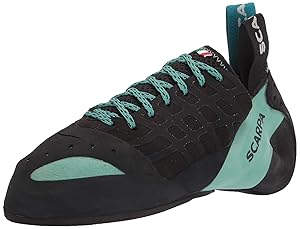
- Upper: Micro-suede with synthetic overlays for precision fit
- Midsole: Bi-Tension randing system for stiff edging power
- Outsole: Vibram XS Edge 3.5mm rubber for maximum durability
- Closure: Lace-up system for customizable tightness
The SCARPA Women’s Instinct Lace climbing shoes are crafted for climbers who demand precision, control, and long-lasting performance. Designed with a stiff midsole and SCARPA’s Bi-Tension randing system, they provide exceptional edging stability without compromising responsiveness. The lace-up closure allows climbers to achieve a snug, tailored fit from heel to toe, while the micro-suede upper adapts to the shape of the foot over time. Unlike softer, slipper-style shoes, the Instinct Lace prioritizes structure and support, which becomes apparent when working on vertical or slightly overhanging terrain.
On the rock, the Vibram XS Edge rubber truly stands out. It grips confidently on small nubs and polished indoor footholds, offering a level of dependability essential for technical routes. The narrow women-specific last ensures minimal dead space, making it ideal for climbers with slender feet who often struggle with unisex models. While sensitivity takes a slight backseat compared to softer shoes, the payoff in edging power is undeniable. The Instinct Lace strikes an impressive balance between aggressive performance and lasting comfort, making it versatile for sport climbing, multi-pitch trad, and even bouldering when precision counts.
Pros
- Outstanding edging performance
- Lace closure provides precision fit
- Durable Vibram XS Edge rubber
- Women-specific last enhances comfort
Cons
- Less sensitivity on smears
- Needs break-in period
2. Tenaya Men’s Modern, 11.5 UK
- Upper: Microfiber with breathable lining
- Midsole: Medium-stiff supportive design
- Outsole: Vibram XS Grip rubber for traction
- Closure: Dual Velcro straps for quick adjustment
The Tenaya Men’s Modern climbing shoes strike a fine balance between comfort and performance, making them suitable for climbers transitioning from beginner to intermediate levels. With a medium-stiff midsole, these shoes excel at supporting the foot on small holds while maintaining a forgiving profile that reduces strain during long climbing sessions. The microfiber upper and breathable lining help regulate moisture, ensuring comfort for extended gym climbs or warm outdoor days. The Velcro closure is a standout feature, offering quick adjustments between climbs without compromising fit security.
Performance-wise, the Vibram XS Grip outsole delivers reliable traction on both plastic and rock. It provides the right amount of stickiness for smearing while maintaining adequate stiffness for edging tasks. Unlike more aggressively downturned shoes, the Tenaya Modern is built for all-day climbing rather than pure high-performance bursts, which makes it excellent for long routes and multipitch climbs. Though it may not have the aggressive precision of advanced bouldering shoes, its supportive yet comfortable design appeals to climbers who value versatility. It’s a model that bridges the gap between technical capability and all-day wearability.
Pros
- Comfortable for extended use
- Velcro straps make fitting easy
- Reliable Vibram XS Grip rubber
- Good balance of stiffness and flexibility
Cons
- Not as aggressive as advanced shoes
- Limited heel-hooking performance
3. Tenaya Tanta Lace Climbing Shoes
- Upper: Synthetic microfiber with cotton lining
- Midsole: 2D multilayer Stretchtex stiff midsole
- Outsole: Rubber compound for all-around traction
- Closure: Lace-up system for precise adjustments
The Tenaya Tanta Lace climbing shoes are designed as an approachable yet technical option for climbers looking to progress beyond entry-level gear. Built with Tenaya’s 2D multilayer midsole, these shoes provide the stiffness needed for reliable edging while remaining flexible enough to adapt to varied terrain. The synthetic microfiber upper, paired with a breathable cotton lining, ensures comfort and a consistent fit with minimal stretching. The lace-up closure enhances precision, allowing climbers to fine-tune tightness for bouldering sessions or longer routes.
On the wall, the Tanta Lace shoes feel dependable on both small footholds and flat smears. Their moderate stiffness gives confidence when standing on micro edges, yet they don’t feel overly rigid during dynamic moves. They excel in vertical and slab climbing scenarios but remain serviceable on moderate overhangs. While they don’t reach the aggressive performance level of advanced shoes, their versatility and comfort make them an excellent option for climbers who want one pair of shoes that can handle both gym and outdoor climbing. Overall, the Tanta Lace strikes an admirable balance between durability, comfort, and precision.
Pros
- Supportive stiff midsole for edging
- Comfortable synthetic lining
- Adjustable lace closure
- Versatile for gym and outdoor use
Cons
- Less aggressive toe for steep routes
- Rubber not as sticky as premium models
4. SoleEase Professional Climbing Shoes
- Upper: Durable synthetic material
- Midsole: Stiff, supportive platform for edging
- Outsole: High-friction rubber compound
- Closure: Dual Velcro straps for secure fit
The SoleEase Professional climbing shoes are engineered for climbers who frequent gyms and sport crags, offering a combination of durability and performance. Built on a stiff platform, they provide strong edging support, making them particularly effective on technical routes that demand precise foot placement. The synthetic upper resists stretching, ensuring a consistent fit even after extensive use. The Velcro strap system makes it easy to slip the shoes on and off between climbs, which is especially useful in bouldering sessions or crowded gyms.
In terms of performance, the high-friction outsole stands out by delivering dependable grip across both gym holds and outdoor surfaces. While they may lack the ultra-sensitive feel of softer shoes, the SoleEase Professional models make up for it with reliable stability on small footholds and edges. The shoes excel on vertical faces and moderately overhanging routes but feel less at home on steep, aggressive climbs where downturn and sensitivity are crucial. For gym climbers or sport climbers who value structure and durability, SoleEase offers a practical balance between support, comfort, and affordability.
Pros
- Strong edging capability
- Durable construction resists wear
- Quick Velcro closure system
- Good value for money
Cons
- Limited performance on steep terrain
- Less sensitivity for smearing
5. GVONG Men’s Climbing Shoes
- Upper: Breathable synthetic fabric
- Midsole: Reinforced stiff support for edging
- Outsole: Sticky rubber sole for grip
- Closure: Elastic slip-on with Velcro strap
GVONG Men’s climbing shoes provide an affordable entry point for those starting their climbing journey while still offering features that support performance. The reinforced stiff midsole delivers adequate edging power, allowing new climbers to trust their feet on small holds. The breathable synthetic upper ensures comfort and ventilation, which is particularly helpful in hot gyms or long sessions. Their hybrid closure system, combining elastic slip-on convenience with a Velcro strap, strikes a balance between comfort and security.
While performance won’t match high-end models, GVONG shoes are solid performers for indoor climbing, bouldering practice, and beginner-friendly outdoor routes. The sticky rubber outsole gives climbers confidence when smearing or edging, though its long-term durability is modest compared to premium compounds. They perform best on vertical and slab climbs, where stability and foot support matter most. For climbers looking for a budget-friendly, versatile option that offers good stiffness for edging while remaining comfortable, GVONG provides an accessible solution without overcomplicating the design.
Pros
- Affordable price point
- Comfortable, breathable upper
- Hybrid closure for convenience
- Reliable grip for beginners
Cons
- Less durable rubber
- Limited performance on advanced routes
6. CASTIRON LIFT Professional Climbing Shoes
- Upper: Synthetic leather for durability
- Midsole: Firm, stiff profile for edging strength
- Outsole: High-traction rubber sole
- Closure: Velcro straps with elastic gusset
The CASTIRON LIFT Professional climbing shoes target climbers seeking sturdy, supportive footwear that doesn’t compromise on comfort. With a stiff midsole and durable synthetic leather construction, these shoes are designed to withstand the wear and tear of frequent climbing sessions. The Velcro strap system, combined with an elastic gusset, ensures a snug yet easy-to-adjust fit, ideal for both beginners and intermediate climbers who switch frequently between climbing and resting.
In practice, these shoes perform reliably on vertical walls and moderate outdoor routes. The high-traction rubber sole provides solid grip for edging and smearing, although it doesn’t have the stickiness of premium rubbers like Vibram. They’re particularly useful for climbers who prioritize support and durability over aggressive performance. While not tailored for steep overhangs or technical bouldering, CASTIRON LIFT shoes excel as an everyday workhorse—ideal for gym climbers, new sport climbers, or those who value stiffness for stability on longer routes.
Pros
- Durable synthetic construction
- Supportive stiff midsole
- Easy Velcro closure system
- Comfortable for beginners
Cons
- Rubber lacks premium stickiness
- Not suitable for steep, advanced climbing
7. La Sportiva Men’s Tarantula Climbing Shoes
- Upper: Leather with synthetic overlay for durability
- Midsole: LaspoFlex 1.8mm midsole for stiffness
- Outsole: FriXion RS 5mm rubber for grip
- Closure: Dual Velcro straps for convenience
The La Sportiva Men’s Tarantula is one of the most popular all-around climbing shoes, known for its blend of comfort, performance, and durability. Built with a stiff LaspoFlex midsole, the Tarantula offers reliable edging support, making it a dependable choice for beginners and intermediate climbers. Its leather upper adapts to the foot over time, enhancing comfort without stretching excessively. The dual Velcro straps make it easy to adjust and remove, making them ideal for gym sessions where frequent changes are common.
On the wall, the FriXion RS rubber outsole provides excellent traction across a range of surfaces, from indoor holds to outdoor rock. The Tarantula performs particularly well on vertical and slab climbs, where edging and support are crucial. While it lacks the aggressive downturn required for steep overhangs, it shines as a versatile all-day shoe that balances comfort with climbing efficiency. The Tarantula is especially well-suited for climbers who want one pair of shoes to handle training, gym climbing, and outdoor sport routes.
Pros
- Versatile all-around performance
- Comfortable leather upper
- Durable FriXion RS rubber
- Easy Velcro closure
Cons
- Not aggressive enough for steep climbing
- Break-in required for snug fit
How to Choose Stiff Climbing Shoes
Climbing shoes are the most important piece of equipment for any climber. They are the connection between you and the rock, directly influencing your precision, power, and comfort on different types of climbs. Among the many factors to consider when buying climbing shoes—such as fit, shape, and closure system—one of the most critical is stiffness.
Stiff climbing shoes are designed with rigid midsoles and supportive outsoles, providing extra structure underfoot. For certain climbing styles and terrains, they are invaluable, while in other contexts, a softer shoe may be better. Knowing when and why to choose stiff shoes can help you maximize performance, prevent injury, and make your climbing experience more enjoyable.
This article will break down the essentials of stiff climbing shoes, including their benefits, downsides, ideal uses, and tips for selecting the right pair for your needs.
Understanding Shoe Stiffness
Climbing shoe stiffness is primarily determined by the midsole and the rubber outsole.
- Stiff shoes: Feature a firm midsole and thicker rubber (typically 4–5mm). They distribute pressure across the foot, making it easier to stand on small edges without fatiguing quickly.
- Soft shoes: Have little to no midsole support and thinner rubber (3–4mm). They allow for better sensitivity and flexibility, ideal for smearing and overhanging terrain.
Stiffness exists on a spectrum, and many shoes fall somewhere in between. However, truly stiff climbing shoes stand out for their support and edging capability.
Benefits of Stiff Climbing Shoes
- Superior Edging Power
Stiff shoes excel on tiny footholds, crystals, and edges. Their rigidity allows you to transfer weight directly to the toe without your foot collapsing. This is particularly useful on vertical or slabby terrain where footholds are small and precise. - Reduced Foot Fatigue
By distributing pressure across the foot, stiff shoes reduce strain on the toes and arches. This makes them a great choice for long trad climbs or multi-pitch routes where you may be standing on your feet for hours. - Support for Beginners
New climbers often lack foot strength. Stiff shoes provide extra structure, allowing beginners to focus on technique rather than battling sore feet or collapsing toes. - Durability
Thicker rubber and stronger midsoles generally last longer, meaning stiff shoes often outlast softer alternatives, especially on abrasive rock like granite.
Downsides of Stiff Shoes
- Reduced Sensitivity
The rigid structure dampens the “feel” of the rock. This makes smearing, toe hooks, and volumes more challenging, especially in indoor gyms with modern comp-style problems. - Less Versatile on Steep Terrain
On overhangs, softer shoes perform better because they can flex and grab holds. Stiff shoes, by contrast, may feel clunky or insecure. - Break-in Period
Stiffer shoes often take longer to mold to your foot. They can feel uncomfortable at first, especially in aggressive, downturned models.
When to Choose Stiff Climbing Shoes
- Trad Climbing and Crack Climbing
Long trad routes often demand comfort and support. Stiff shoes protect your feet inside cracks and help you edge securely on micro-holds during runouts. A flatter-lasted, stiff shoe is often the best option here. - Multi-Pitch Routes
On big walls or alpine climbs, stiff shoes reduce fatigue over multiple pitches. You’ll want something supportive and comfortable that you can wear all day. - Technical Face Climbing
Vertical face routes with tiny footholds demand edging precision, and stiff shoes give you the confidence to stand on features that would otherwise feel insecure. - Beginners Building Footwork
New climbers benefit from stiff shoes as they provide a stable platform, allowing them to learn precise foot placement without relying solely on toe strength.
Features to Consider When Choosing Stiff Climbing Shoes
1. Last Shape
- Flat last: Best for all-day comfort and trad climbing.
- Moderate downturn: Offers a balance between edging support and some precision on overhangs.
- Aggressive downturn: Rare in stiff shoes but available in some high-performance edging models (ideal for technical sport climbing).
2. Upper Material
- Leather: Breathable, stretches over time, molds to the foot.
- Synthetic: Holds shape better, less stretch, often lined to prevent deformation.
- Hybrid: A mix of leather and synthetic for balance.
3. Closure System
- Lace-up: Offers the most adjustable fit, excellent for cracks and long climbs.
- Velcro/Strap: Convenient for sport climbing and gym use, though less adjustable.
- Slip-on/Slippers: Rare in stiff shoes, but good for cracks where minimal bulk is needed.
4. Midsole
Look for shoes with a full-length midsole if you want maximum stiffness. Some models use partial midsoles for a balance of support and sensitivity.
5. Rubber Thickness
- 4–5mm rubber: Provides stiffness and durability.
- Thinner rubber: More sensitivity, but less common on stiff shoes.
6. Fit
A stiff shoe should be snug but not painfully tight. Since they are less reliant on toe power, you don’t need to size them down as aggressively as soft, bouldering-focused shoes.
Examples of Stiff Climbing Shoes
While models change over time, a few well-known stiff shoes include:
- La Sportiva TC Pro – The gold standard for trad and multi-pitch climbing.
- Scarpa Maestro – Comfortable, supportive, and precise on edges.
- Five Ten Anasazi Lace (Pink) – Legendary for edging and technical face climbing.
- Evolv General – A durable option for cracks and big walls.
These examples illustrate the different niches stiff shoes fill, from cracks to vertical sport routes.
Tips for Trying and Buying
- Try Shoes In-Person If Possible
Fit varies dramatically between brands. Stiff shoes should feel snug with no dead space but not so tight that they cause sharp pain. - Think About Your Climbing Goals
If you mostly climb indoors or on steep boulders, stiff shoes may not be the best choice. For outdoor trad or technical faces, they shine. - Consider Owning Multiple Pairs
Many climbers have both stiff and soft shoes, using them depending on the route. Stiff shoes for edging and trad, soft shoes for bouldering and smearing. - Don’t Oversize for Comfort
A stiff shoe that’s too loose will lose its edging power. Aim for a secure fit, even if it feels firm initially. - Check Break-In Expectations
Leather uppers stretch more, while synthetic shoes stay truer to their size. Factor this into your purchase decision.
Conclusion
Choosing stiff climbing shoes comes down to understanding your climbing style, terrain, and comfort preferences. They are an excellent choice for climbers who value support, edging power, and durability—particularly in trad climbing, multi-pitch routes, and technical face climbs. While they sacrifice some sensitivity and versatility on steep terrain, stiff shoes remain a cornerstone of many climbers’ arsenals.
The key is to focus on fit, midsole design, and intended use. By trying on different models, considering your climbing goals, and understanding the trade-offs, you can select a pair of stiff climbing shoes that enhances your performance and keeps your feet happy on the wall.
In the end, no single shoe is perfect for every scenario. But if you often find yourself edging on tiny footholds, tackling long routes, or building foundational technique, stiff climbing shoes may be exactly what you need.