Best Tree Climbing Ropes of 2025
Tree climbing is an exciting activity that can be done for fun, work, or adventure, but it always requires the right gear to stay safe and comfortable. One of the most important pieces of equipment is the climbing rope. A strong, durable, and reliable rope not only gives you the confidence to climb higher but also protects you from accidents. With so many options available, choosing the best tree climbing rope can feel overwhelming, especially if you are new to climbing. In this article, we will guide you through some of the top ropes, their features, and tips to help you pick the perfect one for your needs.
1. Lopevex 1/2 Inch Climbing Rope
- Diameter: 1/2 inch (12.7 mm)
- Construction: 48-strand braided polyester sheath
- Length: Multiple options for tree climbing and rigging
- Strength: Heavy-duty tensile strength for arborist and rescue work
The Lopevex 1/2 Inch 48-Strand Arborist Rope is designed with professional performance in mind, offering a balance of strength, grip, and durability. Its 48-strand braided sheath ensures smooth handling while also providing excellent resistance to abrasion, which is especially important when the rope comes in contact with rough tree bark or metal equipment. At 1/2 inch, it gives a comfortable grip and is easy to use with knots, hitches, and most climbing gear, making it suitable for both beginner climbers and seasoned arborists.
This rope also maintains its round profile under tension, which enhances safety and reliability during demanding climbs or rigging operations. Its slightly heavier build can be an advantage in terms of stability and longevity, though some climbers may prefer lighter options for extended use. Overall, the Lopevex rope is a robust and versatile tool for those who need confidence in their climbing and rigging gear, whether for tree work, recreational climbing, or emergency use.
Pros
- Strong and abrasion-resistant
- Comfortable 1/2-inch diameter for grip
- Reliable for climbing, rigging, and rescue
- Durable 48-strand sheath construction
Cons
- Slightly heavier than thinner ropes
- Can feel bulky for extended climbs
2. Pelican Arborist Rope 11.8mm x 120Ft
- Diameter: 11.8 mm (approx. 15/32 inch)
- Length: 120 feet
- Material: Braided polyester with high tensile strength
- Design: Low stretch for climbing and safety gear compatibility
The Pelican Rope Arborist Rope 11.8mm x 120Ft is crafted for precision climbing, making it a reliable partner for arborists and enthusiasts who prioritize control and stability. With a slimmer diameter compared to standard 1/2-inch ropes, it offers smoother handling and compatibility with a wide range of mechanical devices. The low-stretch polyester construction ensures steady performance under load, reducing bounce and improving efficiency while ascending or working at height.
This rope is particularly well-suited for climbers who prefer agility without compromising safety. The 120-foot length provides versatility for medium to tall trees, while the manageable thickness ensures knots are secure yet easy to untie. The rope strikes a good balance between lightweight maneuverability and long-term durability. Although slightly less cushioned in the hand compared to thicker ropes, the Pelican 11.8mm is an excellent choice for climbers who value precision, reduced fatigue, and professional handling.
Pros
- Lightweight and easy to handle
- Low-stretch design for stability
- Good compatibility with climbing devices
- Secure knot retention with manageable thickness
Cons
- Thinner diameter may feel less comfortable in hand
- Limited to 120 feet length option
3. Pelican Rope Arborist Sling Tree Climbing Gear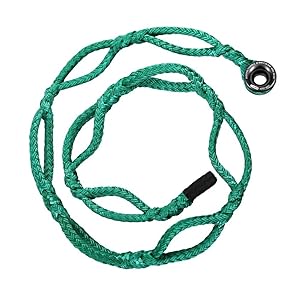
- Type: Adjustable arborist sling for tree climbing
- Material: High-strength polyester webbing
- Length: Adjustable design for multiple uses
- Usage: Positioning and securing during climbing
The Pelican Rope Arborist Sling is an essential accessory for tree climbers, designed to provide security and versatility when working at height. Unlike standard ropes, this sling is optimized for positioning, allowing climbers to anchor themselves safely to the tree while having hands free for pruning, cutting, or gear management. Made from strong polyester webbing, it ensures durability and resistance against wear, even when used regularly in rugged environments.
This sling is particularly useful for professionals who need to work securely in awkward or challenging positions. Its adjustable length offers flexibility, making it suitable for trees of different sizes and climbing situations. While it is not a main climbing rope, it complements other arborist gear by adding an extra layer of safety. Lightweight and easy to pack, the Pelican Sling is a must-have for climbers who prioritize both efficiency and reliability in their toolkit.
Pros
- Adjustable for versatile use
- Durable polyester construction
- Lightweight and easy to carry
- Provides secure positioning for climbers
Cons
- Not a standalone climbing rope
- Limited application compared to full ropes
4. TRSMIMA Steel Wire Core Flipline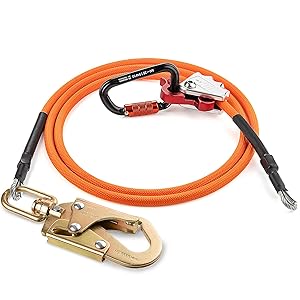
- Diameter: 1/2 inch (12.7 mm)
- Core: Galvanized steel wire inside braided rope
- Use: Flipline for positioning and climbing safety
- Hardware: Includes swivel snap hook or carabiner options
The TRSMIMA Steel Wire Core Flipline is a specialized piece of arborist equipment that combines the flexibility of rope with the added security of a steel core. Designed primarily for work positioning, it helps climbers maintain stable placement while ascending or maneuvering around trees. The galvanized steel core provides cut resistance, a critical safety feature when using chainsaws or sharp tools at height. Its 1/2-inch diameter ensures a solid grip and makes it compatible with a variety of climbing hardware.
This flipline is highly valued for safety, especially for professional tree workers who frequently encounter cutting tasks. The braided exterior resists abrasion while keeping the inner steel wire protected. However, due to its rigid core, it is less flexible than standard ropes, which can make knotting or coiling slightly less convenient. Overall, the TRSMIMA Flipline is an indispensable tool for arborists who need maximum safety during cutting and positioning tasks.
Pros
- Steel wire core adds cut resistance
- Reliable for positioning and safety
- Durable and abrasion-resistant exterior
- Comfortable 1/2-inch grip
Cons
- Less flexible than standard ropes
- Not designed for dynamic climbing
5. Glfcai Arborist Rigging Bull Rope
Technical Specifications
- Diameter: 1/2 inch (12.7 mm)
- Length: 150 feet
- Material: High-strength polyester blend
- Application: Designed for rigging and load-bearing tasks
The Glfcai Arborist Rigging Rope is a heavy-duty bull rope intended for demanding rigging applications. At 1/2 inch thick and 150 feet long, it provides ample length and strength for handling large branches and heavy loads. Its polyester blend construction ensures durability and resistance to abrasion, while also maintaining flexibility for knotting and easy handling. This makes it a dependable choice for arborists engaged in rigging tasks where reliability is non-negotiable.
While primarily marketed as a rigging rope, the Glfcai can also serve as a backup climbing line if needed, although its stiffness makes it less ideal for dynamic climbing. Its primary strength lies in heavy load management, where its ability to maintain shape under stress becomes essential. For tree professionals who need a strong and reliable rope for lowering limbs or managing loads, the Glfcai Bull Rope offers excellent performance and longevity.
Pros
- Strong and durable for rigging tasks
- 150-foot length covers large trees
- Good abrasion resistance
- Flexible enough for secure knots
Cons
- Heavier than climbing ropes
- Not optimized for dynamic climbing
6. X XBEN Braided Polyester Arborist Rope
- Diameter: 1/2 inch (12.7 mm)
- Length: 120 feet
- Material: Braided polyester with high tensile strength
- Design: Low stretch, high grip, and abrasion resistance
The X XBEN Braided Polyester Arborist Rope is a well-rounded climbing rope built for versatility and performance. At 1/2 inch in diameter, it provides a solid grip that is comfortable for extended use, while the 120-foot length makes it suitable for medium-height trees. The braided polyester construction ensures a durable, low-stretch rope that maintains performance under tension. Its handling is smooth, making it easy to tie knots and hitches that hold securely without being difficult to untie afterward.
This rope is favored by climbers who want a dependable balance between strength and maneuverability. It is durable enough for professional use but also approachable for beginners who need a reliable climbing partner. While it doesn’t offer the cut resistance of a steel-core flipline or the lightweight feel of a thinner rope, it excels as an everyday climbing line. The X XBEN rope is a solid investment for both recreational climbers and professional arborists seeking reliability and performance.
Pros
- Strong braided polyester construction
- Comfortable 1/2-inch grip
- Secure knots and smooth handling
- Versatile for climbing and rigging tasks
Cons
- Limited to 120 feet length
- Heavier than thinner ropes
7. Caphremiel Arborist Climbing Rope
- Diameter: 1/2 inch (12.7 mm)
- Material: Polyester blend for strength and abrasion resistance
- Length: Multiple size options available
- Design: Braided construction for durability and smooth handling
The Caphremiel Arborist Climbing Rope is built for durability and everyday climbing tasks, making it a versatile choice for both professionals and hobbyists. Its polyester blend construction gives it excellent tensile strength, ensuring safety during climbs. The 1/2-inch diameter makes it compatible with a wide range of climbing gear, while also providing a comfortable grip for hand use. Its braided sheath ensures consistent handling, knot security, and resistance against rough surfaces.
This rope performs well in climbing, rigging, or even as a backup line, making it an adaptable option in an arborist’s gear collection. It is particularly suitable for those who need a general-purpose climbing rope without specialized features like steel cores. While it may not stand out in niche scenarios, it excels as a dependable, long-lasting climbing partner. Overall, the Caphremiel rope provides a good balance of safety, performance, and durability, making it a smart choice for varied climbing needs.
Pros
- Durable polyester blend construction
- Comfortable and secure grip
- Versatile for different climbing scenarios
- Smooth and reliable handling
Cons
- Heavier compared to thinner ropes
- Lacks specialized features like cut resistance
How to Choose Tree Climbing Ropes
Tree climbing is an exciting and skillful activity, whether done professionally by arborists or recreationally by outdoor enthusiasts. At the heart of safe and efficient climbing lies one crucial piece of gear: the rope. Choosing the right rope for tree climbing is not as simple as picking the first one you see—it requires careful consideration of safety standards, rope characteristics, climbing techniques, and personal preferences. With so many options available, it’s important to understand the key factors that define a good climbing rope.
This guide will walk you through everything you need to know about choosing the right rope for tree climbing, covering rope types, materials, diameters, lengths, standards, and care tips.
1. Understanding the Role of Ropes in Tree Climbing
The rope is the lifeline of a climber—it holds your weight, supports your movements, and catches you if you slip. Unlike ropes used in rock climbing, tree climbing ropes are designed to withstand abrasion from rough bark, resist UV damage from sun exposure, and perform well with mechanical climbing devices like ascenders and friction hitches.
In tree climbing, ropes are not just safety equipment—they are tools. The right rope makes climbing smoother, more comfortable, and more efficient. The wrong rope, however, can make your experience frustrating and even dangerous.
2. Types of Tree Climbing Ropes
Tree climbing ropes are generally divided into two categories: dynamic ropes and static (or semi-static) ropes.
Dynamic Ropes
- Definition: Designed to stretch when loaded.
- Purpose: Primarily used in rock climbing where falls are common, as the stretch absorbs impact.
- Tree Use: Rarely used, because stretch can make climbing inefficient and unsafe when using mechanical ascenders or positioning yourself in a tree.
Static (Semi-Static) Ropes
- Definition: Minimal stretch under load.
- Purpose: Perfect for ascending, descending, and working in a fixed position.
- Tree Use: The standard for arborists and recreational tree climbers.
For tree climbing, static ropes are preferred because they provide stability, efficiency, and better control during maneuvers.
3. Rope Construction: Kernmantle Design
Most tree climbing ropes use kernmantle construction:
- Core (Kern): The load-bearing inner strands that provide strength.
- Sheath (Mantle): The protective woven outer layer that resists abrasion and gives grip.
This design ensures durability and safety, especially when ropes are dragged over branches and bark. High-quality arborist ropes often feature a tightly woven sheath for smoother operation with mechanical devices and less wear over time.
4. Rope Diameter
The diameter of the rope significantly affects how it feels in your hands and how well it works with climbing devices.
- 11–11.7 mm: The most common size for tree climbing. Balances strength, handling, and compatibility with most gear.
- 12–13 mm: Thicker ropes offer better grip, durability, and abrasion resistance, but they’re heavier and can be harder to feed through devices.
- 10–10.5 mm: Lightweight and efficient for ascents, but may feel too thin for comfortable grip, and not all devices are compatible.
Tip: Beginners often prefer ropes around 11.5–12 mm for comfort and control. More experienced climbers may opt for thinner ropes when weight and efficiency are priorities.
5. Rope Length
The right rope length depends on the type of climbing you’re doing and the height of the trees you’ll climb.
- Standard Lengths: 120–150 feet (36–45 m).
- Longer Ropes: 200–250 feet (60–75 m) are useful for very tall trees or canopy access.
- Shorter Ropes: 60–80 feet (18–24 m) can work for smaller trees or as lanyards.
Always choose a rope longer than the highest point you plan to climb, allowing for knots, tie-offs, and backups.
6. Rope Materials
The material of the rope determines its durability, flexibility, and resistance to environmental factors.
- Nylon: Strong, slightly elastic, and durable, but can absorb water, making it heavier when wet.
- Polyester: Low stretch, excellent UV resistance, and better water resistance—commonly used in tree climbing ropes.
- Blends: Some ropes combine nylon and polyester for a balance of flexibility and durability.
For tree climbing, polyester or polyester blends are often preferred due to their minimal stretch and resilience against outdoor elements.
7. Rope Weight and Handling
- Weight: Lighter ropes are easier to carry and haul into the canopy, but may wear faster.
- Handling: A rope should feel comfortable in your hands, not too stiff or too limp. Ropes with a supple sheath handle smoothly through knots and devices.
When testing ropes, climbers often look for a balance between suppleness and firmness—the rope should neither be too floppy nor too rigid.
8. Rope Compatibility with Climbing Systems
Your rope must be compatible with your chosen climbing system:
- Moving Rope System (MRS): The rope moves as you climb, and you use friction hitches or devices to ascend and descend. A rope with good knotability and grip is essential.
- Stationary Rope System (SRS): The rope stays anchored at one end, and you move up using ascenders. A static rope with low stretch is ideal.
Before buying, check whether the rope is recommended for the climbing technique and gear you plan to use.
9. Rope Safety Standards
Always choose ropes that meet safety certifications, such as:
- ANSI Z133 (USA): Safety requirements for arboricultural operations.
- EN 1891 (Europe): Standards for low-stretch kernmantle ropes.
- CE Certification: Indicates compliance with European safety standards.
Certified ropes guarantee that they’ve been tested for strength, durability, and performance.
10. Durability and Abrasion Resistance
Since tree climbing exposes ropes to bark, branches, and sharp edges, durability is critical. Look for:
- Thicker sheaths for abrasion resistance.
- Tightly woven covers that resist fraying.
- High-quality fibers for long-lasting performance.
A rope with good abrasion resistance may feel slightly stiffer at first but will last longer in rough conditions.
11. Color and Visibility
The color of your rope may seem like a minor detail, but it matters:
- Bright Colors: High visibility makes ropes easier to see in the canopy or on the ground, improving safety for climbers and ground crew.
- Patterns: Some ropes feature patterned sheaths to indicate wear or to help with length measurement.
Opt for vibrant colors like orange, green, or yellow for maximum visibility.
12. Caring for Your Rope
A good rope is an investment—proper care extends its lifespan:
- Storage: Keep ropes in a dry, cool place, away from direct sunlight and chemicals.
- Cleaning: Wash with mild soap and water when dirty. Avoid harsh detergents.
- Inspection: Check before every climb for fraying, cuts, glazing, or soft spots.
- Retirement: Retire ropes after significant wear, heavy falls, or manufacturer-recommended lifespans (usually 3–5 years depending on use).
13. Choosing Your First Tree Climbing Rope
For beginners, the safest and most practical choice is usually:
- Static rope, 11.5–12 mm diameter, 120–150 feet long, polyester material, ANSI/EN certified, bright-colored.
This setup provides durability, comfort, and compatibility with most climbing systems.
Conclusion
Choosing the right tree climbing rope is a decision that directly impacts your safety, efficiency, and enjoyment. The best rope for you will depend on your climbing style, the trees you climb, and your level of experience. Focus on essential factors such as rope type, diameter, length, material, and compatibility with your gear.
A well-chosen rope isn’t just a piece of equipment—it’s your lifeline. Invest in quality, maintain it properly, and it will serve you reliably as you explore the canopy, work safely as an arborist, or enjoy tree climbing as a recreational pursuit.