Best Tree Climbing Shoes of 2025
When it comes to tree climbing, the right shoes can make all the difference between a safe, enjoyable climb and a risky, uncomfortable one. Tree climbing shoes are specially designed to give you strong grip, comfort, and protection while moving on rough bark and uneven surfaces. Unlike regular sneakers or boots, they provide better traction and durability, helping climbers stay stable and confident at different heights. In this article, we’ll guide you through the top tree climbing shoes to help you pick the right pair for your needs.
1. EVERBOOTS Ultra Dry Work Boots
- Waterproof full-grain leather upper
- Lightweight shock-absorbent midsole
- Insulated design for winter conditions
- Durable rubber outsole with traction lugs
The EVERBOOTS Ultra Dry work boots are built for versatility, offering protection across different terrains. Designed for rugged use, they provide water resistance and insulation, which makes them reliable for outdoor workers and climbers who often encounter wet or cold conditions. The full-grain leather adds durability without being overly heavy, making it easier to stay mobile during climbing or tree work. Their ankle-height cut provides enough support for stability while still allowing flexibility of movement.
Performance-wise, these boots balance durability and comfort well. The cushioned midsole absorbs shock, reducing fatigue during long climbs or extended workdays. Although marketed as utility boots for hunting, construction, and trails, they also hold up decently for arborist climbing, especially if you’re starting out. However, they may not provide the specialized grip or ankle protection of professional climbing boots.
Pros
- Excellent water resistance for wet environments
- Lightweight and comfortable for long wear
- Insulated for colder conditions
- Affordable compared to specialized climbing boots
Cons
- Less ankle support than taller climbing boots
- Not designed specifically for arborist climbing
2. Carhartt Logger Boots
- 8” waterproof leather construction
- Composite safety toe with EH (Electrical Hazard) rating
- Slip-resistant outsole with Goodyear welt construction
- Rugged heel and arch support for climbing
Carhartt’s 8” Logger Boots are heavy-duty footwear designed with workplace hazards in mind. They combine safety features like the composite toe and EH rating with all-day comfort. The waterproof leather makes them suitable for outdoor jobs, and the slip-resistant outsole is reliable for climbing trees or working on slick surfaces. The added ankle height provides extra stability, which is crucial when using spikes or positioning yourself in a tree.
For climbers, these boots bring confidence in footing and protection. The Goodyear welt construction ensures long-term durability even with tough usage, and the cushioned insole keeps your feet comfortable. While they may feel heavier than lighter climbing models, the security of reinforced toes and ankle support is a fair trade-off for many. Arborists will appreciate the rugged build, though they may notice some stiffness during break-in.
Pros
- High durability with reinforced welt construction
- Excellent traction for uneven and wet surfaces
- Safety toe and EH rating add protection
- Strong ankle support for climbing stability
Cons
- Heavier than specialized climbing boots
- Break-in period can be uncomfortable
3. XPETI Thermator Boots
- Low-top waterproof hiking boot design
- EVA midsole for lightweight cushioning
- Durable rubber outsole with multi-directional lugs
- Padded collar and mesh lining for comfort
XPETI’s Thermator boots bring hiking performance into climbing-friendly footwear. These boots are lightweight and flexible, making them ideal for people who need mobility and comfort without sacrificing grip. The waterproof build keeps your feet dry while the EVA midsole reduces impact on long days outdoors. Their low-top cut is unconventional for climbing but provides unmatched flexibility.
In use, the Thermator boots excel on trails and light climbing situations. The traction lugs provide reliable grip, while the padded interior prevents hotspots during extended wear. However, for arborists who need more ankle support, the low design could feel limiting. They’re great for recreational climbers or those working in mixed terrains, but they may not be robust enough for full-time tree climbing professionals.
Pros
- Lightweight and easy to move in
- Excellent comfort with cushioned support
- Waterproof protection for outdoor conditions
- Affordable option for casual climbing and hiking
Cons
- Limited ankle support due to low-top design
- Not as durable under heavy-duty arborist use
4. Salewa Crow GTX Boots
- Gore-Tex waterproof lining
- Vibram outsole for grip and durability
- 3F System for flexibility, heel support, and fit
- Semi-automatic crampon compatibility
The Salewa Crow GTX boots are designed with alpine climbing in mind, making them a versatile option for arborists who want performance footwear. The Gore-Tex lining ensures complete waterproofing, while the Vibram outsole offers premium traction on both rock and bark. The 3F System locks the heel and midfoot for better stability while maintaining flexibility in the forefoot, which is critical when climbing trees.
In the field, these boots stand out for their climbing precision and durability. They are comfortable enough for long hours yet tough enough to handle spikes, harness work, and unpredictable terrains. Their semi-automatic crampon compatibility highlights their climbing heritage, which transfers well into arborist applications. However, they may feel stiff compared to softer climbing boots, requiring a proper break-in period.
Pros
- Superior waterproofing with Gore-Tex lining
- Excellent traction with Vibram sole
- Strong support system without losing flexibility
- Built to withstand extreme climbing conditions
Cons
- Stiffer feel during break-in period
- Higher cost compared to general climbing boots
5. EVO 2 Arborist Boots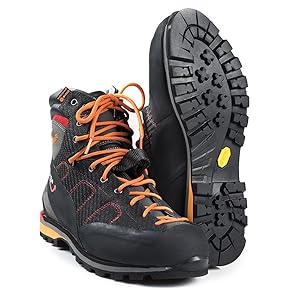
- Designed specifically for arborist climbing
- Lightweight build with reinforced upper
- Vibram outsole optimized for tree climbing
- Breathable yet water-resistant construction
The EVO 2 boots are crafted with arborists in mind, making them one of the most specialized climbing options available. Their lightweight design reduces fatigue when spending long hours in the canopy, while the Vibram outsole ensures maximum grip on bark and branches. The boots combine durability with comfort, striking a balance that suits both beginner and professional climbers.
What sets the EVO 2 apart is its arborist-focused build. Reinforced uppers protect against rope friction and spikes, while the breathable design keeps feet from overheating during demanding climbs. They are purpose-built for climbing trees, which makes them far more reliable than work or hiking boots when it comes to arboriculture. Their specialization, however, means they aren’t as versatile for other terrains or heavy construction work.
Pros
- Specifically engineered for arborists
- Excellent grip on tree surfaces
- Lightweight and breathable for long climbs
- Durable reinforcement against climbing wear
Cons
- Less versatile outside arborist use
- Premium pricing compared to general boots
6. Arbpro Clip N Step Boots
- Extra-lightweight climbing boot design
- Slim Vibram sole for precise foot placement
- Quick-dry, breathable upper material
- Integrated clip-in points for climbing systems
The Arbpro Clip N Step boots are purpose-built for professional arborists who need agility and precision. Their lightweight construction makes them feel almost like sneakers, reducing fatigue during long climbs. The slim Vibram sole allows for accurate placement on small branches or in tight tree crotches, giving climbers better control and balance. Integrated clip-in points further enhance efficiency when used with climbing systems.
These boots excel in technical tree climbing scenarios. They provide comfort, breathability, and precision that are hard to match with heavier boots. While not as protective as logger-style boots, they make up for it with agility and specialized features. Arborists who value mobility and speed will appreciate these boots, though they may lack the rugged durability needed for ground work or heavy-duty conditions.
Pros
- Extremely lightweight and comfortable
- Designed specifically for arborist climbing
- Excellent grip and precision with slim Vibram sole
- Clip-in points add efficiency with climbing systems
Cons
- Less protective than heavy-duty boots
- Not suited for general work or rough ground conditions
How to Choose Tree Climbing Shoes
Tree climbing is more than just an adventurous activity—it’s a skill that requires strength, precision, and the right gear. Whether you’re climbing for arborist work, recreational tree climbing, or outdoor sports, the importance of footwear cannot be overstated. A reliable pair of tree climbing shoes provides comfort, stability, grip, and protection, all of which are vital when ascending, maneuvering, or descending trees. However, with so many styles and designs available, choosing the right pair can be confusing. This guide explores everything you need to know to make the best choice when selecting tree climbing shoes.
Why Tree Climbing Shoes Matter
Your feet are the foundation of every climb. Shoes designed specifically for climbing trees are crafted to balance durability, traction, and flexibility. Unlike ordinary sneakers or hiking boots, tree climbing shoes are optimized for:
- Superior grip on bark, branches, and ropes.
- Enhanced safety to prevent slipping and injuries.
- Foot protection against abrasions, cuts, and pressure points.
- Comfort and support during extended climbs.
Without the right shoes, climbers risk losing stability, developing blisters, or wearing out footwear prematurely.
Key Factors to Consider When Choosing Tree Climbing Shoes
1. Grip and Traction
One of the most important features of tree climbing shoes is the sole design. Good traction ensures a firm grip on bark and rope, especially when climbing vertically.
- Rubber soles with aggressive tread patterns work well for gripping rough bark.
- Sticky rubber soles, often found in climbing and approach shoes, provide excellent friction for smooth or damp surfaces.
- Shoes with rope-friendly midsoles prevent slipping during rope climbing techniques like foot-locking.
When evaluating shoes, look for a balance: too much tread can snag on ropes, while too little can make you slip.
2. Comfort and Fit
Climbing involves long hours of standing in harnesses and gripping surfaces with your feet. An ill-fitting shoe can quickly lead to discomfort, blisters, or loss of focus.
- Choose a snug fit that secures your foot without being painfully tight.
- Shoes with adjustable laces or straps allow customization for different climbing conditions.
- Pay attention to toe box space—too narrow can cause discomfort, too wide can reduce precision.
- Lightweight shoes reduce fatigue, especially during long climbs.
Pro tip: Try climbing shoes on in the afternoon when your feet are naturally slightly swollen to ensure a realistic fit.
3. Durability and Protection
Tree climbing exposes shoes to sharp bark, abrasive branches, and constant friction from ropes. You’ll want shoes made with tough, reinforced materials.
- Leather or synthetic uppers provide resilience against abrasions.
- Reinforced toe caps protect against stubbed toes and increase shoe longevity.
- Double or triple stitching ensures the shoe can withstand wear and tear.
If you’re climbing professionally, durability becomes even more critical to avoid frequent replacements.
4. Support and Stability
Proper ankle and arch support keeps your feet aligned and prevents injuries. The level of support you need depends on your climbing style.
- Low-cut shoes offer flexibility and lighter weight, suitable for recreational climbing or short climbs.
- Mid or high-cut shoes provide better ankle support and protection against twists, ideal for arborists who climb daily.
- Shoes with stiff midsoles improve stability on branches and distribute pressure evenly across the foot.
Always consider how much support you need based on your climbing environment.
5. Breathability and Weather Resistance
Tree climbing often involves exposure to varying weather conditions. Shoes that don’t manage temperature and moisture well can quickly become uncomfortable.
- Breathable mesh panels or perforated leather help in warm climates by reducing sweat buildup.
- Water-resistant or waterproof shoes are essential in wet or rainy environments.
- Shoes with removable insoles can help you dry them quickly after damp climbs.
Climbers in humid or tropical regions should prioritize breathability, while those in temperate or rainy regions should lean toward waterproof designs.
6. Weight of the Shoe
Heavy shoes can cause unnecessary fatigue, especially during longer climbs. Lightweight shoes, on the other hand, allow for more agile movements.
- For recreational climbing, opt for lightweight models that maximize mobility.
- For professional arborists, a moderate-weight shoe that balances durability with agility works best.
Ultimately, choose shoes that won’t weigh you down but still offer adequate protection.
7. Compatibility with Climbing Gear
If you use spikes, spurs, or foot ascenders, ensure your shoes are compatible with them. Some shoes are specifically designed to integrate with tree climbing equipment.
- Flat soles often work best with spurs.
- Shoes with smooth sidewalls reduce interference with foot ascenders.
- Avoid overly bulky soles that may get in the way of gear.
Before purchasing, check whether your climbing setup works well with the shoe design.
8. Budget and Value
Tree climbing shoes come in a wide price range depending on features, materials, and brand reputation.
- Entry-level shoes: Affordable, suitable for beginners and casual climbers.
- Mid-range shoes: Good balance of durability, comfort, and performance for regular use.
- Premium shoes: High-quality materials, advanced designs, and excellent durability, ideal for professional arborists.
Remember: spending more upfront on durable, comfortable shoes can save you money in the long run.
Popular Types of Tree Climbing Shoes
- Climbing Sneakers – Lightweight, flexible, and designed for agility. Best for recreational climbing.
- Approach Shoes – Blend of hiking and climbing shoe features; excellent grip and durability.
- Arborist Boots – Heavy-duty, protective, and compatible with climbing spurs and gear. Perfect for professional use.
- Barefoot/Minimalist Shoes – Provide natural foot movement and flexibility but require strong foot muscles.
Each type has strengths and trade-offs, so your choice should align with your climbing goals.
Tips for Maintaining Tree Climbing Shoes
Even the best shoes won’t last long without proper care. Here are some simple maintenance tips:
- Clean after each climb by brushing off dirt and bark.
- Dry thoroughly after wet climbs, but avoid direct heat which can damage materials.
- Condition leather shoes occasionally to keep them supple.
- Replace worn-out soles before they compromise safety.
Proper maintenance not only extends the life of your shoes but also ensures consistent performance.
Final Thoughts
Choosing the right tree climbing shoes is not just about comfort—it’s about safety, efficiency, and maximizing your climbing experience. By considering grip, fit, durability, support, breathability, weight, and compatibility with gear, you can find footwear that matches your specific needs. Whether you’re a beginner testing out recreational climbing or a professional arborist relying on shoes daily, investing in the right pair will make every climb safer and more enjoyable.