Best Tree Saver Straps of 2025
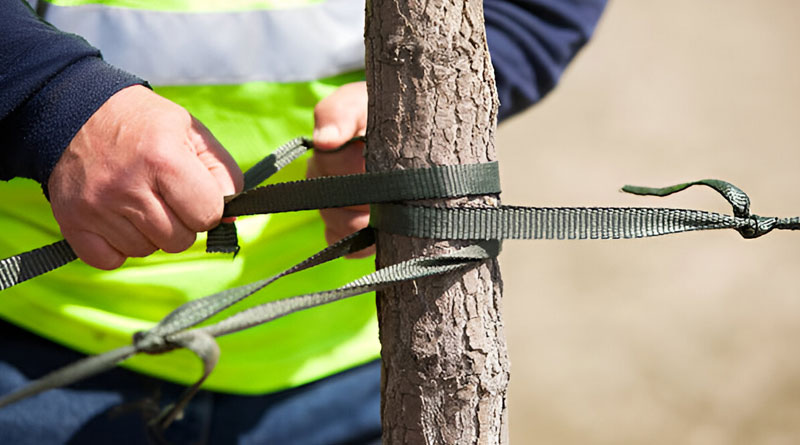
Tree saver straps are an important tool for anyone who enjoys off-roading, camping, or outdoor adventures. They are strong, flat straps designed to protect trees when you use them as anchor points for winching or towing. Unlike regular ropes or chains, tree saver straps spread the pressure evenly across the trunk, preventing damage to the bark and keeping the tree healthy. They are also safer and more reliable, reducing the risk of breaking during use. In this article, we will explore the best tree saver straps available, helping you choose the right one for your needs so you can enjoy your trips while protecting nature.
1. ALL-TOP Tree Saver Strap
- Size: 3 inches x 8 feet
- Break Strength: 36,000 lbs (lab-certified)
- Material: High-strength polyester with reinforced loop ends
- Includes: Oversized carry bag for storage
The ALL-TOP Tree Saver Strap is built for heavy-duty off-road recovery, offering a certified 36,000 lbs break strength. This makes it suitable for a wide range of vehicles, from SUVs and trucks to larger off-road rigs. The 3-inch wide polyester webbing ensures even load distribution, which protects both your recovery gear and the tree you’re anchoring to. Thanks to its abrasion- and UV-resistant material, this strap is designed to hold up against repeated outdoor use without wearing down quickly. The reinforced loop ends provide extra toughness during demanding pulls, reducing the risk of fraying or tearing.
Another highlight is the inclusion of an oversized carry bag. Many straps don’t come with practical storage, but this durable bag keeps your strap clean, organized, and easy to transport. Whether used as a winch extension, bridle strap, or tree saver, the ALL-TOP delivers versatility and strength. While the 8-foot length might be slightly short for certain setups, its sheer reliability and premium construction make it a go-to choice for serious off-roaders who want dependable recovery gear they can trust in critical situations.
Pros
- Impressive 36,000 lbs certified break strength
- Reinforced loop ends for added durability
- Resistant to abrasion, UV, and weather damage
- Comes with a high-quality oversized carry bag
Cons
- Shorter than some alternatives (only 8 ft)
- Slightly higher price compared to entry-level straps
2. SAMOUT Tree Saver Strap
- Size: 3 inches x 8 feet
- Break Strength: 35,000 lbs (lab-tested)
- Material: Heavy-duty polyester webbing
- Uses: Winch extension, tree saver, bridle strap
The SAMOUT Tree Saver Strap offers a solid 35,000 lbs break strength, making it a powerful tool for off-road recovery. Measuring 3 inches wide and 8 feet long, this strap is designed to handle tough pulls without causing damage to trees or recovery points. The heavy-duty polyester material ensures resistance to abrasion and wear, while the reinforced loop ends add durability during demanding tasks. It’s well-suited for trucks, SUVs, and off-road vehicles, providing a reliable connection for towing or winching.
What makes this strap appealing is its straightforward, no-nonsense design. While it doesn’t include extra accessories like a carry bag, it excels at doing what it’s built for: providing dependable recovery strength. Its 35,000 lbs rating is more than enough for most off-road vehicles, and the 8-foot length is versatile for different setups. The SAMOUT Tree Saver Strap is a good choice for off-roaders who want strength, durability, and peace of mind without unnecessary frills. It’s competitively priced while still offering near-premium performance.
Pros
- High 35,000 lbs lab-tested break strength
- Abrasion-resistant polyester material
- Reinforced loops for added reliability
- Suitable for multiple recovery uses
Cons
- No carry/storage bag included
- Length may be limiting for larger setups
3. TGL Tree Saver Strap
- Size: 3 inches x 8 feet
- Break Strength: 30,000 lbs MBS (minimum breaking strength)
- Material: Polyester webbing with reinforced loops
- Compatibility: Works with Jeeps, trucks, ATVs, and UTVs
The TGL Tree Saver Strap is an affordable and practical choice for off-road recovery, rated at 30,000 lbs minimum breaking strength. While it has a slightly lower capacity compared to premium straps, it remains more than adequate for light- to medium-duty recovery scenarios. The 3-inch width provides good load distribution, reducing the risk of cutting into anchor points. Reinforced loops add strength to the ends, helping withstand repeated pulls without significant wear. Its compatibility across Jeeps, trucks, ATVs, and UTVs makes it a versatile piece of gear for off-road enthusiasts.
This strap is especially appealing to budget-conscious users who want reliable performance without spending extra. It doesn’t come with accessories or extra-long sizing, but for most recovery tasks, the 8-foot length works well. The strap is sturdy enough to handle emergency situations while still being lightweight and easy to store. Overall, the TGL Tree Saver Strap is a dependable option for those who don’t need ultra-high breaking strengths but still want a safe and effective recovery solution.
Pros
- Affordable and practical for everyday use
- Reinforced loops for durability
- Lightweight and easy to store
- Compatible with multiple vehicle types
Cons
- Lower break strength (30,000 lbs) compared to premium straps
- No carry bag included
4. HFS(R) Tree Saver Strap
- Size: 3 inches x 8 feet
- Break Strength: 30,000 lbs
- Material: Durable polyester webbing
- Color: Bright blue for high visibility
The HFS(R) Blue Tree Saver Strap is a brightly colored and highly visible recovery strap designed for safe off-road use. Rated at 30,000 lbs capacity, it provides adequate strength for most light trucks, SUVs, and off-road vehicles. The polyester webbing resists wear and tear while offering stability under heavy loads. Its vibrant blue color makes it easy to spot, which can be especially helpful in low-light conditions or busy recovery situations.
While this strap doesn’t feature extra reinforcements or accessories, it delivers reliable performance for its price point. At 3 inches wide and 8 feet long, it ensures even weight distribution during pulls, minimizing damage to both trees and vehicle recovery points. For casual off-roaders or those seeking a secondary strap, the HFS(R) Blue Tree Saver is a practical and cost-effective choice.
Pros
- Bright blue color improves visibility
- 30,000 lbs break strength suitable for most vehicles
- Lightweight and simple design
- Affordable price point
Cons
- Not as strong as higher-end straps
- No reinforced accessories or carry bag
5. JCHL Tree Saver Strap
- Size: 3 inches x 9 feet
- Break Strength: 36,000 lbs capacity
- Material: Heavy-duty polyester with reinforced loops
- Length: Slightly longer at 9 feet for added versatility
The JCHL Tree Saver Strap stands out with its 9-foot length, providing more flexibility in recovery setups. With a break strength of 36,000 lbs, it matches the durability of high-end straps while offering extra reach compared to standard 8-foot models. The heavy-duty polyester webbing ensures resistance to harsh outdoor conditions, including UV and abrasion damage. Reinforced loop ends further enhance strength and durability, making it suitable for repeated use.
This strap is a great choice for users who want both strength and slightly more length. The 9-foot size makes it easier to wrap around thicker trees or anchor points, providing greater adaptability during recovery. Although it doesn’t include extras like a carry bag, its core performance and build quality make it reliable. For off-roaders who want maximum strength and versatility, the JCHL Tree Saver Strap delivers excellent value.
Pros
- High 36,000 lbs break strength
- Longer 9-foot design for added reach
- Strong and durable polyester construction
- Reinforced loops for reliability
Cons
- No carry/storage bag included
- Slightly bulkier to store than 8-foot straps
6. Rhino USA Tree Saver Strap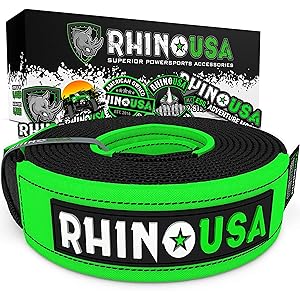
- Size: 3 inches x 8 feet
- Break Strength: 31,518 lbs
- Material: Reinforced poly/silk blend webbing
- Color: Black with green Rhino USA branding
The Rhino USA Tree Saver Strap is a well-known option among off-road enthusiasts for its solid 31,518 lbs break strength and stylish design. Made from a blend of polyester and silk webbing, it offers a balance of strength and flexibility. The reinforced loop ends provide secure attachment points, and the black strap with Rhino’s distinctive green branding gives it a professional, rugged appearance.
Performance-wise, the Rhino USA strap is dependable for recovery situations involving trucks, Jeeps, ATVs, and UTVs. Its breaking capacity is slightly lower than some heavy-duty competitors but still sufficient for most users. The strap’s quality construction ensures it won’t easily fray or wear out under normal use. With Rhino USA’s reputation for reliable recovery gear, this strap appeals to users who want durability paired with a sleek design.
Pros
- Reliable 31,518 lbs break strength
- Reinforced loop ends for durability
- Stylish black-and-green design
- Trusted Rhino USA brand reputation
Cons
- Break strength is lower than 35,000–36,000 lbs competitors
- No carry bag included
7. KING-PRO Tree Saver Strap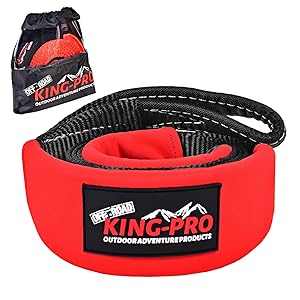
- Size: 3 inches x 8 feet
- Break Strength: 33,000 lbs
- Material: Heavy-duty polyester webbing
- Usage: Suitable for SUVs, ATVs, and off-road vehicles
The KING-PRO Tree Saver Strap offers a balanced mix of strength and affordability, rated at 33,000 lbs. At 3 inches wide and 8 feet long, it is designed for reliable recovery without causing harm to trees or anchor points. The polyester construction provides resistance against abrasion and weather, making it durable for repeated off-road use. Its reinforced loops allow for secure attachment during demanding pulls.
This strap is particularly well-suited for off-roaders who want solid recovery strength without paying premium prices. The 33,000 lbs rating places it between budget and heavy-duty options, giving it versatility for most recovery needs. While it lacks extras like a carry bag, its core performance makes it a dependable tool to keep in your recovery kit. Overall, the KING-PRO strap is a great balance between cost-effectiveness and strength.
Pros
- Strong 33,000 lbs break capacity
- Reinforced loops for durability
- Affordable price for its strength rating
- Suitable for a wide range of vehicles
Cons
- No carry/storage bag included
- Not as strong as top-rated 36,000 lbs straps
How to Choose Tree Saver Straps
Outdoor adventures often bring us face-to-face with unpredictable challenges. Whether you are off-roading, camping, overlanding, or simply enjoying nature, recovery gear is a must-have in your kit. Among the most essential pieces of recovery equipment is the tree saver strap. These straps not only help pull vehicles out of tricky situations but also protect the environment by preventing damage to trees. Choosing the right tree saver strap, however, requires some careful consideration. This article provides a detailed guide on how to select the right strap for your needs, covering everything from material strength to environmental impact.
What is a Tree Saver Strap?
A tree saver strap is a heavy-duty piece of recovery equipment designed to anchor a winch line or recovery rope to a tree without damaging the tree’s bark. Unlike chains or steel cables, which can cut into the trunk and cause permanent harm, tree saver straps distribute the force over a wide surface area. Typically made from durable polyester or nylon webbing, these straps are flat, wide, and reinforced for strength.
They serve two important purposes:
- Environmental Protection – By preventing bark damage and root stress, tree saver straps ensure trees remain alive and healthy.
- Vehicle Recovery – They create a strong, reliable anchor point when winching or pulling a stuck vehicle.
Why Choosing the Right Tree Saver Strap Matters
The right strap can make the difference between a safe recovery and a dangerous mishap. An undersized or weak strap may snap under pressure, putting both vehicles and people at risk. Conversely, the wrong material could stretch too much or not enough, complicating the recovery process. Additionally, using a strap that isn’t tree-friendly can harm the environment, defeating the purpose of responsible outdoor activity.
By carefully choosing your strap, you ensure:
- Safety for you and your vehicle.
- Durability and longevity of your recovery gear.
- Environmental sustainability, protecting the forests and trails for future adventurers.
Factors to Consider When Choosing a Tree Saver Strap
1. Material Type
The most common materials for tree saver straps are:
- Polyester: Offers minimal stretch, making it ideal for winching since it provides consistent tension without bouncing. Polyester straps are resistant to abrasion, UV rays, and moisture, making them a reliable option for long-term use.
- Nylon: Strong and slightly elastic. While excellent for recovery tow straps (snatch straps), nylon is less suitable for tree saver straps because the stretch can generate sudden shock loads. However, some hybrid nylon-polyester straps exist for specific uses.
Best Choice: Polyester straps are preferred for tree saving since they balance strength, rigidity, and durability.
2. Length of the Strap
Length determines how versatile your strap will be:
- Short Straps (6–8 feet): Compact and easy to carry but may not wrap around large trees.
- Medium Straps (10–12 feet): The most common and versatile length, suitable for a wide variety of tree diameters.
- Long Straps (15–20 feet): Useful for larger trees or situations where you need extra slack, but they can be bulkier to store.
Tip: A 10–12 ft strap is generally considered the sweet spot for most off-roaders.
3. Width of the Strap
Wider straps distribute force more evenly across the tree, reducing bark damage.
- 2 inches: Adequate for most small to medium trees.
- 3–4 inches: Offers better load distribution and is more tree-friendly, especially for larger trunks.
Wider straps also tend to be stronger, making them better for heavy-duty recoveries.
4. Breaking Strength & Working Load Limit (WLL)
Strength rating is arguably the most critical factor. Two terms are important here:
- Breaking Strength: The maximum load the strap can withstand before failing.
- Working Load Limit (WLL): The safe working load, typically 1/3 of the breaking strength.
For off-road recovery, choose a strap with a breaking strength at least 2–3 times the weight of your vehicle. For example, if your vehicle weighs 5,000 lbs, aim for a strap rated at 15,000 lbs or higher.
General Recommendation:
- Light SUVs / ATVs: 15,000–20,000 lbs breaking strength.
- Mid-size trucks / SUVs: 20,000–30,000 lbs.
- Heavy trucks / loaded overlanders: 30,000+ lbs.
5. End Loops & Reinforcements
Tree saver straps typically have reinforced loops at both ends. Check for:
- Double-stitched or triple-stitched seams for durability.
- Protective sleeves on the loops to prevent abrasion from shackles or hooks.
- Padding in high-stress areas.
Reinforced ends ensure the strap won’t fray or tear prematurely during demanding recoveries.
6. Compatibility with Recovery Gear
A tree saver strap doesn’t work in isolation. It must integrate with your recovery system, including:
- Winch hooks or soft shackles.
- Bow/D-ring shackles.
- Snatch blocks or pulleys.
Ensure the strap’s loop size and material are compatible with the shackles or connectors you plan to use.
7. Environmental Impact
Since the main purpose of a tree saver strap is to protect nature, consider:
- Wider straps to reduce bark compression.
- Smooth, non-abrasive materials that won’t cut into trees.
- Eco-conscious brands that emphasize sustainability in production.
Remember, choosing the wrong strap can leave scars on trees that last for years.
8. Portability & Storage
Recovery gear should be easy to carry and store. Look for:
- Straps that roll or fold compactly.
- Carry bags or pouches included by the manufacturer.
- Moisture resistance, to prevent mold and mildew when stored after use.
9. Brand Reputation & Warranty
Not all straps are created equal. Established brands often follow industry safety standards and provide warranties. Check customer reviews, recovery gear forums, or off-road communities for real-world feedback. A warranty can also give peace of mind in case of manufacturing defects.
Mistakes to Avoid When Choosing Tree Saver Straps
- Buying too weak of a strap: Always overestimate the required strength.
- Confusing tree saver straps with tow/snatch straps: Snatch straps are designed to stretch and should not be used around trees.
- Ignoring strap width: Narrow straps may damage trees and break more easily.
- Using chains or cables as alternatives: They harm trees and are dangerous if they snap.
How to Properly Use a Tree Saver Strap
- Wrap the strap around the base of the tree, as low as possible, to minimize leverage stress.
- Avoid twisting the strap; keep it flat against the bark.
- Connect both looped ends using a shackle (preferably a soft shackle to avoid metal-on-metal damage).
- Attach your winch line or pulley system to the shackle.
- Winch slowly and steadily, avoiding sudden jerks.
- Inspect the strap afterward for fraying, cuts, or damage before storing.
Final Thoughts
A tree saver strap is more than just recovery equipment—it’s a commitment to responsible outdoor recreation. By choosing the right strap, you ensure your adventures are safe, efficient, and eco-friendly. Key factors like material, length, width, strength, and reinforcements should guide your decision. Remember, the best strap is one that suits your vehicle’s weight, protects the environment, and integrates smoothly with the rest of your recovery gear.
Investing in a high-quality tree saver strap may cost a little more upfront, but it guarantees safety, durability, and peace of mind when you’re miles away from civilization.