
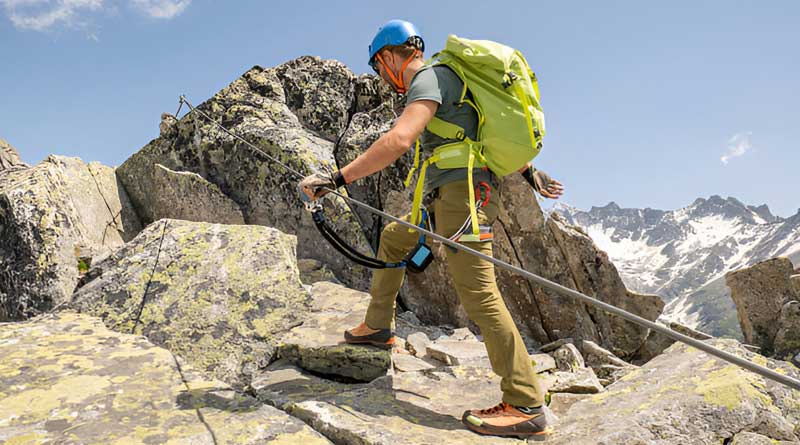
Best Via Ferrata Shoes of 2025
Via ferrata is an exciting activity that combines hiking and climbing, but to enjoy it fully and stay safe, you need the right shoes. The best via ferrata shoes give you strong grip on rocks, comfort for long walks, and durability to handle rough paths. Unlike normal hiking shoes, these are designed to keep your feet steady on ladders, cables, and rocky edges. A good pair also protects you in changing weather, making your adventure safer and easier. Whether you are a beginner trying your first route or an experienced climber, the right footwear is essential. In this article, we highlight the best via ferrata shoes to guide your choice.
1. La Sportiva Tarantulace Men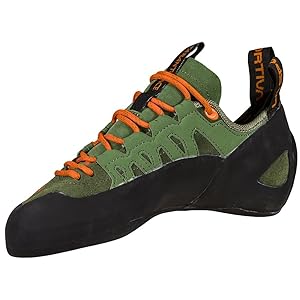
- Upper: Unlined leather with synthetic overlay for durability
- Closure: Quick-pull lacing system for snug fit
- Outsole: FriXion® RS rubber compound for grip
- Weight: ~10 oz per shoe
The La Sportiva Tarantulace Men is a versatile climbing shoe designed for both beginners and intermediate climbers who want comfort without sacrificing performance. It’s often chosen for Via Ferrata routes because it combines a snug, precise fit with enough support to handle iron rungs, rocky ledges, and vertical climbing sections. The shoe’s leather upper molds to the foot over time, while the FriXion® RS rubber outsole ensures reliable traction on both natural rock and man-made surfaces.
Comfort is one of its strongest qualities. Unlike overly aggressive climbing shoes, the Tarantulace has a more relaxed shape, meaning you can wear it for extended climbs without excessive foot pain. The quick-pull lacing system adds to convenience, letting you adjust tightness on the go. While it won’t perform like a high-end shoe for overhangs or technical bouldering, its balance of comfort, grip, and durability makes it an excellent choice for long Via Ferrata days where mixed terrain is expected.
Pros
- Comfortable for long sessions
- Strong grip on rock and iron steps
- Durable leather construction
- Easy-to-adjust lacing system
Cons
- Not ideal for advanced technical climbs
- Break-in period required
2. WateLves Barefoot Shoes
- Sole: Rubber with anti-slip grip
- Upper: Breathable mesh, quick-dry fabric
- Closure: Elastic laces with pull tab
- Weight: Ultra-light design (~7 oz per shoe)
The WateLves Barefoot Shoes are minimalist shoes designed for water sports, but their lightweight and flexible construction also make them interesting for Via Ferrata enthusiasts who prefer a barefoot feel. These shoes excel in comfort, breathability, and quick-drying capability, making them suitable for mixed conditions where streams or wet rock might be encountered. Their rubber sole provides surprising grip for such a lightweight shoe, while the wide toe box gives natural movement and balance on uneven terrain.
However, being minimalist means they offer little protection compared to sturdy climbing or approach shoes. They lack the rigidity and underfoot support needed for sustained standing on iron rungs, which may tire out the feet during long climbs. That said, for those who value lightness and flexibility, these shoes are a practical budget option, especially on easier Via Ferrata routes or as a secondary pair for approach and descent.
Pros
- Extremely lightweight and breathable
- Quick-dry material perfect for wet conditions
- Affordable entry-level option
- Flexible with barefoot feel
Cons
- Minimal protection on sharp rocks
- Lacks support for technical climbing
3. Salewa Wildfire GTX
- Upper: Breathable mesh with Exa Shell overlay
- Lining: Gore-Tex waterproof membrane
- Outsole: Pomoca Speed MTN sole with climbing zone
- Weight: ~12 oz per shoe
The Salewa Women’s Wildfire GTX is a hybrid between a hiking shoe and an approach shoe, making it a strong candidate for Via Ferrata routes that combine steep hiking with vertical sections. Its Gore-Tex lining keeps your feet dry in wet conditions, while the Pomoca outsole is engineered for sticky grip on both rock slabs and metal rungs. The climbing zone at the toe provides precision on footholds, and the supportive midsole reduces fatigue during long ascents.
One of its key strengths is stability. The Exa Shell cage design holds the foot securely, reducing unwanted movement on tricky steps. At the same time, the shoe remains comfortable for long approaches thanks to its cushioning. For women looking for an all-in-one shoe that performs across hiking, scrambling, and climbing, the Wildfire GTX is a reliable pick. While heavier than minimalist alternatives, it excels in protection, waterproofing, and durability—perfect for serious Via Ferrata adventures.
Pros
- Waterproof Gore-Tex lining
- Excellent grip with climbing zone toe
- Supportive and stable design
- Comfortable for long approaches
Cons
- Slightly heavier than minimalist shoes
- Can feel stiff during break-in period
4. Joomra Trail Barefoot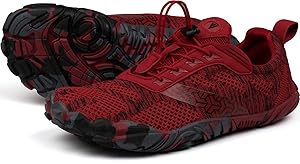
- Sole: Rubber with anti-slip tread pattern
- Upper: Knit mesh with breathable structure
- Design: Zero-drop sole with wide toe box
- Closure: Lace-up system for custom fit
The Joomra Women’s Trail Running Barefoot Shoes offer a minimalist, natural-feel option for those who prefer light and flexible footwear. With a zero-drop sole and wide toe box, these shoes encourage natural foot alignment and provide agility on mixed terrain. Their breathable knit mesh construction keeps them lightweight and comfortable during long use, while the rubber sole offers solid grip on both trails and rocky sections of Via Ferrata.
These shoes are best suited for climbers who value flexibility and comfort over rigid protection. They don’t provide the structured support of traditional climbing or approach shoes, which may make long periods on iron rungs less comfortable. However, their natural movement and barefoot feel can be an advantage for balance and agility. As a budget-friendly choice, they are ideal for easier Via Ferrata routes, approaches, or as backup shoes for lightweight travel.
Pros
- Lightweight and breathable mesh design
- Natural barefoot feel with zero-drop sole
- Wide toe box enhances comfort and stability
- Affordable option
Cons
- Limited protection on sharp terrain
- Not suitable for advanced climbing routes
5. Adidas Terrex AX4 Mid GTX
- Upper: Synthetic with Gore-Tex waterproof lining
- Midsole: EVA cushioning for comfort
- Outsole: Continental™ rubber for all-weather grip
- Design: Mid-cut for ankle support
The adidas Women’s Terrex AX4 Mid GTX is a sturdy hiking shoe that blends support, waterproofing, and traction for versatile outdoor use. Its Continental™ rubber outsole ensures reliable grip in wet and dry conditions, which is especially important on slippery Via Ferrata routes. The mid-cut design gives extra ankle stability, while the Gore-Tex lining keeps feet dry without sacrificing too much breathability. EVA cushioning further improves comfort on long approaches and mixed terrain.
While heavier than minimalist or climbing-specific shoes, the Terrex AX4 provides solid protection and all-day wearability. It is particularly well-suited for beginners or those who want a shoe that transitions from trail hiking to Via Ferrata without needing a separate climbing shoe. The durability of its build and the balance of cushioning with grip make it a reliable choice for long alpine days.
Pros
- Waterproof Gore-Tex lining
- Excellent grip with Continental outsole
- Good ankle support with mid-cut design
- Comfortable cushioning for long hikes
Cons
- Heavier than approach shoes
- Less precise for technical climbing
6. La Sportiva Tarantulace Women
- Upper: Unlined leather with synthetic reinforcements
- Closure: Fast lacing system for custom fit
- Outsole: FriXion® RS rubber outsole
- Weight: ~9.5 oz per shoe
The La Sportiva Tarantulace Women is a climbing shoe tailored for comfort and versatility, making it well-suited for Via Ferrata enthusiasts who want an approachable climbing shoe without excessive aggressiveness. Its leather upper adapts to foot shape with wear, and the FriXion® RS outsole ensures strong grip on rocky terrain and iron steps. The fit is designed to accommodate a woman’s foot shape, offering better comfort during long sessions.
Like its men’s counterpart, the women’s Tarantulace is ideal for all-day use. The balance between comfort and performance makes it an excellent choice for climbers who want reliability without the pain of downturned aggressive shoes. Though not designed for advanced sport climbing, it provides more than enough grip and durability for Via Ferrata routes, especially when comfort is a priority.
Pros
- Comfortable fit tailored for women
- Reliable grip on varied surfaces
- Durable construction
- Easy-to-use lacing system
Cons
- Less technical than aggressive climbing shoes
- Requires break-in period
7. Black Diamond Momentum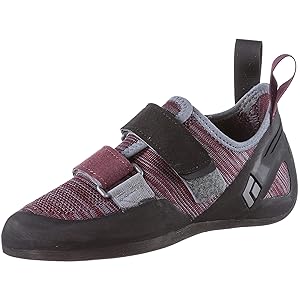
- Upper: Engineered knit for breathability
- Closure: Hook-and-loop Velcro straps
- Outsole: 4.3mm rubber for durability and grip
- Midsole: Soft-flex design for comfort
The Black Diamond Momentum Climbing Shoe is a beginner-friendly model that prioritizes comfort, breathability, and ease of use. Its engineered knit upper allows airflow, keeping feet cooler on long climbs, while the Velcro closure makes it quick to put on and take off. The 4.3mm rubber outsole provides solid grip on rock and iron, while the soft-flex midsole offers enough support without being overly stiff.
For Via Ferrata, the Momentum shines as an accessible and forgiving shoe. It’s not aggressive, so climbers can wear it comfortably for hours without the discomfort typical of high-performance shoes. Its durable rubber ensures longevity, and its straightforward design makes it a practical choice for those who are new to climbing or prefer a no-fuss approach. However, advanced climbers may find it lacks precision and power for technical moves, so it’s best suited for entry to mid-level routes.
Pros
- Breathable and lightweight knit upper
- Easy on/off with Velcro straps
- Comfortable for long sessions
- Durable rubber outsole
Cons
- Not aggressive enough for advanced climbs
- Less precise on small footholds
How to Choose Via Ferrata Shoes
Via ferrata routes, with their mix of vertical climbs, rocky traverses, ladders, and metal cables, are among the most exhilarating adventures in the mountains. They occupy a middle ground between hiking and rock climbing—more technical than trekking, but not quite full-on climbing. Because of this unique blend, your choice of footwear is critical. The right pair of shoes can mean the difference between comfort and blisters, security and slipping, or confidence and hesitation on the iron road.
This guide will walk you through everything you need to know about choosing the best via ferrata shoes, from sole stiffness to material choices, and help you find the pair that matches your skill level, terrain, and goals.
Why Specialized Footwear Matters on Via Ferrata
Some beginners assume that regular hiking boots or even running shoes are good enough for via ferrata. While you can complete easier routes in them, they often lack the precision, grip, and support needed for safety and comfort.
On a via ferrata, you will:
- Balance on small metal rungs with the front of your shoe.
- Scramble over jagged rocks.
- Walk on steep approaches or long descents.
- Occasionally stand on edges barely wider than a coin.
All of this demands footwear that combines features from hiking shoes and climbing shoes—stable enough for mountain terrain but precise enough for vertical movement.
Key Features to Look For
1. Sole Stiffness
One of the most important factors is how stiff the sole is.
- Why it matters: A stiff sole allows you to place your foot securely on small rungs, edges, or rock holds without bending uncomfortably. Soft soles, like those in running shoes, will collapse, making your foot unstable and causing fatigue.
- What to choose: Look for soles that are semi-stiff—more supportive than a hiking shoe but not as rigid as a full mountaineering boot. This balance ensures good precision without sacrificing walking comfort.
2. Grip and Rubber Quality
Traction is non-negotiable on wet rock or iron ladders.
- Vibram outsoles are common in high-quality via ferrata shoes, known for their durability and superior grip.
- Look for a climbing zone at the toe—a flat, sticky rubber section that helps when edging on rock, similar to approach shoes.
3. Fit and Precision
- A snug fit improves precision on small footholds. If your shoe is too loose, your foot will slide inside, making placements less secure.
- However, avoid shoes that are as tight as climbing shoes; you’ll likely spend hours in them, so comfort is just as important as control.
4. Ankle Support
- Low-cut shoes (like approach shoes) are lighter and more precise, making them great for shorter, sportier via ferratas.
- Mid- or high-cut boots offer more ankle support and protection, ideal for longer alpine routes with loose rock or scree.
- Think about the terrain: If there’s a long hike in or out, ankle support can save you from fatigue or injuries.
5. Weight
Lightweight shoes are preferable because you’ll be lifting your feet onto rungs constantly. Heavy boots will tire you out quickly. Still, don’t sacrifice stability for weight—find a balanced design.
6. Water Resistance and Breathability
- On alpine routes, weather can change quickly. A water-resistant upper (such as Gore-Tex) can be a lifesaver.
- In hot, dry conditions, breathable mesh shoes prevent overheating and blisters.
- Ideally, choose shoes with some weather protection but enough ventilation for summer use.
7. Durability and Protection
- Rock scrambles and steel ladders are harsh on shoes. Reinforced toes, abrasion-resistant fabric, and rubber rands around the shoe add to longevity.
- Shoes designed for via ferrata or approach climbing are generally tougher than standard hiking shoes.
Types of Shoes Suitable for Via Ferrata
1. Approach Shoes
These are the most popular choice.
- Pros: Sticky rubber soles, climbing-zone toes, lightweight, good precision.
- Cons: Less cushioning for long hikes, minimal ankle protection.
- Best for: Shorter via ferrata routes, sporty climbs, or advanced climbers who prioritize performance.
2. Lightweight Hiking Boots
- Pros: Comfortable for long approaches, ankle support, durability.
- Cons: Less precise on small holds, heavier.
- Best for: Long alpine via ferratas with mixed terrain, beginners who want more support.
3. Mountaineering Boots (B1/B2-rated)
- Pros: Extremely stiff, excellent support for crampons if snow/ice is involved.
- Cons: Heavy, less comfortable for pure rock routes.
- Best for: High-altitude, technical via ferratas that involve snow crossings.
4. Trail Running Shoes (Only for Easy Routes)
- Pros: Light, breathable, comfortable.
- Cons: Too soft, poor protection, short lifespan.
- Best for: Very easy, low-altitude ferratas with more hiking than climbing.
How to Choose Based on Your Needs
Ask yourself:
- What type of routes will I mostly do?
- Easy, family-friendly routes → supportive hiking shoes.
- Vertical, technical ferratas → approach shoes.
- Alpine routes with snow → mountaineering boots.
- How long are the approaches?
- Long approaches → comfort and cushioning matter.
- Short approaches → precision is more important.
- Do I value comfort or performance more?
- If you’re a beginner, choose comfort and support.
- If you’re advanced, go for precise, sticky shoes.
Fitting Tips
- Try shoes in the afternoon when feet are slightly swollen, mimicking real use.
- Wear the same socks you plan to use on climbs.
- Walk on inclines in the store (many outdoor shops have testing ramps).
- Your toes should not touch the front on descents, and your heel should not lift on ascents.
Care and Maintenance
To extend the life of your via ferrata shoes:
- Clean off mud and grit after each trip.
- Let them dry naturally—avoid placing them near direct heat.
- Re-waterproof them if they have Gore-Tex or treated leather.
- Store them in a cool, dry place.
Common Mistakes to Avoid
- Wearing running shoes: Too soft, poor grip, and dangerous on vertical terrain.
- Buying oversized shoes for comfort: Precision will suffer. Instead, break them in properly.
- Ignoring the outsole: A cheap sole wears out quickly and loses grip, which is critical on via ferrata.
- Not considering the approach/descent: Some routes involve hours of hiking; don’t pick shoes only for the vertical sections.
Conclusion
Choosing the right via ferrata shoes is about finding a balance between comfort, support, and precision. For most people, approach shoes with stiff soles and sticky rubber will be the best all-around choice. However, if you are tackling longer alpine routes, lightweight hiking boots with ankle support may suit you better.
Remember: the right footwear not only boosts your performance but also enhances safety, reduces fatigue, and makes your adventure far more enjoyable. Investing in a good pair of via ferrata shoes is investing in confidence on the iron road.