Best Aggressive Climbing Shoes of 2025
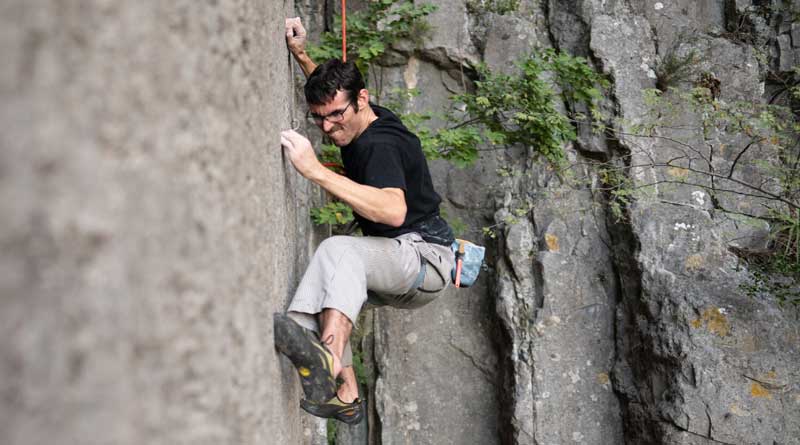
When it comes to climbing, the right shoes can make all the difference, especially if you are tackling steep or overhanging routes. Aggressive climbing shoes are designed with a downturned shape that helps you grip tiny footholds and pull with your feet just like you do with your hands. They give you more power, precision, and control on challenging climbs where every move matters. Whether you are a beginner stepping into harder routes or an advanced climber looking for the best performance, choosing the right pair can boost your confidence and skill. In this article, we review the best aggressive climbing shoes to help you find your perfect fit.
1. Mad Rock Rover Climbing Shoes
- Upper Material: SynFlex synthetic upper for a snug fit
- Sole: Science Friction 3.0 rubber outsole for maximum grip
- Closure: Velcro strap system for quick adjustments
- Downturn: Aggressive asymmetric shape for overhangs and bouldering
The Mad Rock Rover Climbing Shoes are designed for climbers who want performance-oriented footwear for steep and technical routes. With their aggressive downturn and asymmetry, these shoes excel on overhangs, small edges, and toe-intensive problems. The SynFlex synthetic upper ensures a snug fit while resisting excessive stretching, so the shoes maintain performance over time. The Science Friction 3.0 rubber provides excellent stickiness, allowing climbers to trust even the smallest footholds. Their Velcro closure makes them convenient for bouldering sessions, where frequent removal is common.
In practice, the Rover feels powerful underfoot, directing force efficiently onto tiny holds. Climbers will appreciate how the stiff midsole provides edging support while still allowing for sensitivity during technical moves. They may not be the most comfortable for extended multi-pitch climbing, but for indoor training and outdoor sport routes, they deliver consistent performance. Aggressive shoes are not for everyone, and beginners might find them too unforgiving, but experienced climbers will benefit from their precise fit and high-grip sole.
Pros
- Excellent grip with Science Friction 3.0 rubber
- Aggressive shape ideal for steep terrain
- Quick and secure Velcro closure
- Durable upper resists stretching
Cons
- Less comfortable for long sessions
- Not beginner-friendly
2. Ocun Advancer QC and Advancer LU Bouldering Shoes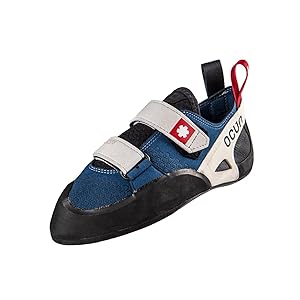
- Upper Material: Microfiber synthetic leather
- Sole: CAT Rubber 1.5 for friction and durability
- Closure: QC (Velcro) or LU (lace-up) options
- Midsole: 3D Fit Hard midsole for edging stability
The Ocun Advancer QC and LU are built with bouldering performance in mind, offering two closure systems to fit different climber preferences. The QC version uses Velcro straps for quick entry and removal, perfect for training sessions or gym climbing, while the LU variant offers a more precise lace-up adjustment for those who prioritize fit accuracy. Both versions feature a microfiber synthetic upper that provides durability and minimizes stretching. Their aggressive downturn combined with the CAT Rubber 1.5 sole ensures excellent traction on volumes, edges, and smears.
On the wall, the Advancer line strikes a balance between precision and comfort. The 3D Fit Hard midsole offers solid support on small footholds while maintaining sensitivity for technical moves. Climbers who often switch between different styles—steep boulders, slabs, or vertical problems—will find these shoes versatile. While the QC is more convenient for bouldering sessions, the LU stands out for longer climbs where tightness adjustments matter. However, they might feel stiff initially and require some breaking in. For climbers seeking reliable performance shoes that won’t compromise comfort too much, the Ocun Advancer QC and LU make an excellent pair.
Pros
- Two closure options to suit personal preference
- Excellent edging and smearing ability
- Durable synthetic upper with minimal stretch
- Midsole provides stability without losing sensitivity
Cons
- Slightly stiff at first
- Aggressive fit may be uncomfortable for beginners
3. BLACK DIAMOND Men’s Momentum Climbing Shoes
- Upper Material: Engineered Knit Technology for breathability
- Sole: 4.3mm NeoFriction rubber outsole
- Closure: Dual Velcro straps for secure fit
- Midsole: Soft flex midsole for sensitivity
The BLACK DIAMOND Men’s Momentum Climbing Shoes are engineered to provide climbers with a breathable and comfortable aggressive option. The upper uses Black Diamond’s Engineered Knit Technology, which enhances airflow, reducing sweat buildup during long training sessions. Their 4.3mm NeoFriction rubber sole provides consistent grip while remaining durable for repeated indoor and outdoor use. With dual Velcro straps, the shoes can be adjusted quickly, making them suitable for gym climbers who prioritize efficiency between problems.
Performance-wise, the Momentum blends comfort with technical support. The soft flex midsole improves sensitivity, allowing climbers to feel footholds more accurately, while the moderately aggressive downturn provides control on steep routes without sacrificing versatility. While they may not be as aggressively downturned as specialized competition shoes, they’re an excellent all-rounder for climbers seeking a balance of performance and comfort. Some advanced climbers might desire more stiffness for edging, but the Momentum shines in training scenarios and multipurpose climbing.
Pros
- Breathable upper reduces sweat buildup
- Durable sole for indoor and outdoor climbing
- Quick Velcro closure system
- Comfortable fit for longer sessions
Cons
- Not the most aggressive for steep terrain
- May lack edging power for advanced climbers
4. Ocun Unisex Diamond S Rock Climbing Shoes
- Upper Material: Microfiber synthetic with reinforced rand
- Sole: CAT Rubber 1.5 outsole for precision
- Closure: Lace-up system for maximum adjustability
- Last: Aggressive asymmetric downturn for performance climbing
The Ocun Unisex Diamond S Rock Climbing Shoes are designed for experienced climbers tackling demanding routes and steep bouldering problems. Featuring a sharp asymmetric last and aggressive downturn, they concentrate power over the toe, perfect for edging and pocket pulling. The lace-up closure provides a snug and adjustable fit, making them highly customizable for different foot shapes. The reinforced rand ensures durability, while the CAT Rubber 1.5 outsole delivers exceptional stickiness for small footholds and smears.
On the wall, the Diamond S shines in technical precision. Climbers will appreciate how the aggressive downturn directs energy into toe placements, maximizing control on overhangs and small features. These shoes are stiff enough to provide excellent edging stability while still offering sensitivity for precise movements. They are not the best for comfort, as their fit can feel unforgiving during long sessions, but for short, intense climbs, they deliver high-level performance. Advanced climbers will likely find them an essential tool for competition-style bouldering and outdoor projects.
Pros
- Excellent precision on small holds
- Durable construction with reinforced rand
- Lace-up system for secure and adjustable fit
- Aggressive downturn ideal for steep climbing
Cons
- Not suited for beginners
- Less comfortable for extended wear
5. SoleEase Climbing Shoes for Men & Women
- Upper Material: Breathable mesh and synthetic leather combination
- Sole: High-friction rubber outsole for grip
- Closure: Hook-and-loop Velcro straps
- Fit: Unisex design with padded tongue for comfort
The SoleEase Climbing Shoes are crafted to serve both male and female climbers looking for affordable yet performance-driven footwear. Designed with a breathable mesh and synthetic upper, they offer comfort and ventilation, preventing overheating during long climbing sessions. The Velcro closure system ensures a secure fit while allowing climbers to slip in and out quickly, which is especially useful in gyms. Their unisex design makes them versatile, catering to a wider range of climbers.
In terms of performance, SoleEase shoes feature a high-friction rubber sole that provides reliable traction on both artificial walls and outdoor rock. While they may not have the extreme downturn of competition shoes, they balance comfort and performance well for intermediate climbers. The padded tongue adds to their comfort, making them more suitable for extended training sessions compared to more aggressive models. However, advanced climbers seeking maximum edging precision and aggressive toe power might find these lacking. They’re an excellent stepping stone for climbers upgrading from beginner shoes but not quite ready for ultra-aggressive competition footwear.
Pros
- Affordable price point
- Comfortable padded tongue for longer sessions
- Breathable upper prevents overheating
- Easy Velcro closure system
Cons
- Less aggressive than high-performance models
- May not satisfy advanced climbers’ precision needs
6. Five Ten Adidas Hiangle Pro Competition Climbing Shoes
- Upper Material: Synthetic microfiber for snug fit
- Sole: Stealth C4 rubber for superior grip
- Closure: Elastic slipper-style entry with single Velcro strap
- Downturn: Highly aggressive profile for steep routes
The Five Ten Adidas Hiangle Pro Competition Climbing Shoes are built for advanced climbers and competition settings where precision and grip are paramount. The slipper-style entry with a Velcro strap provides a secure yet streamlined fit, allowing for quick transitions between problems. Their synthetic microfiber upper ensures minimal stretch, maintaining consistency in fit even after heavy use. With Stealth C4 rubber, these shoes deliver exceptional stickiness, ideal for volumes, smears, and technical edges.
In performance terms, the Hiangle Pro shines in steep, overhanging routes and dynamic competition-style moves. The aggressive downturn channels power to the toes, giving climbers the edge needed for precise foot placements. They are responsive and sensitive, making them perfect for modern gym problems involving smearing and toe-hooking. However, the aggressive fit comes at the cost of comfort, and climbers may struggle to wear them for extended periods. These shoes are a specialist’s tool, excelling in competition and overhangs but less practical for all-day climbing.
Pros
- Stealth C4 rubber provides outstanding grip
- Aggressive profile ideal for competition climbing
- Minimal stretch ensures consistent fit
- Lightweight and precise
Cons
- Uncomfortable for long sessions
- Price may be high for casual climbers
7. La Sportiva Women’s Finale Rock Climbing Shoes
- Upper Material: Leather with lined interior for comfort
- Sole: 5mm Vibram XS Edge rubber outsole
- Closure: Lace-up system for precision fit
- Midsole: Medium-stiff midsole for support and sensitivity
The La Sportiva Women’s Finale Rock Climbing Shoes are a versatile choice for female climbers seeking a balance between performance and comfort. Featuring a leather upper with a lined interior, they provide a soft feel that adapts to the foot over time without excessive stretching. The lace-up system ensures a precise fit, making them suitable for a variety of foot shapes. With a 5mm Vibram XS Edge sole, they deliver excellent durability and edging power, ideal for both gym and outdoor climbing.
On the wall, the Finale proves to be an excellent all-rounder. While not as aggressively downturned as competition shoes, they offer enough precision for challenging climbs while maintaining comfort for extended sessions. The medium-stiff midsole provides solid edging support while still allowing for sensitivity on technical holds. Climbers will find them particularly useful for long routes or training days where comfort and versatility matter. They may not be aggressive enough for elite bouldering, but for most scenarios, the Finale strikes a reliable balance.
Pros
- Comfortable fit with lined leather upper
- Durable Vibram XS Edge rubber outsole
- Precise lace-up closure system
- Excellent balance of comfort and performance
Cons
- Not as aggressive as competition shoes
- Requires break-in period for leather to adapt
How to Choose Aggressive Climbing Shoes
Climbing is a sport of precision, strength, and technique. One of the most essential pieces of equipment for climbers—whether they are bouldering in the gym, projecting on steep sport routes, or tackling technical overhangs—is the climbing shoe. Among the different categories of climbing shoes, aggressive shoes stand out as the go-to option for steep and demanding climbs. These shoes are designed to maximize performance on overhanging terrain, small footholds, and technical routes that require precision and power transfer.
But with so many models available, choosing the right pair of aggressive climbing shoes can feel overwhelming. The wrong pair may cause discomfort, hinder progress, or wear out quickly, while the right choice can significantly elevate performance. This article provides a comprehensive guide on how to choose aggressive climbing shoes, considering key factors like fit, shape, material, closure system, rubber type, and intended use.
1. Understanding Aggressive Climbing Shoes
Aggressive climbing shoes are characterized by their downturned shape and asymmetrical design. Unlike neutral or moderate climbing shoes, which are flatter and better for long climbs, aggressive shoes force the toes into a curled, powerful position. This design concentrates power on the big toe and allows climbers to pull with their feet on overhanging terrain.
Key features of aggressive shoes:
- Downturned toe (camber): Helps on steep and overhanging climbs.
- Asymmetrical shape: Directs power to the big toe for edging and precision.
- Tighter fit: Minimizes dead space, improving sensitivity.
- Sticky rubber: Maximizes friction on small holds and smears.
Aggressive shoes are not built for comfort or long multi-pitch climbs; instead, they prioritize performance. Understanding this is crucial before investing in a pair.
2. Know Your Climbing Style
Before choosing a shoe, consider what type of climbing you’ll be doing most often. Different shoes excel in different situations, even within the aggressive category:
- Bouldering: Requires shoes with excellent toe and heel hooking capabilities, aggressive downturn, and soft, sensitive rubber. Look for shoes with sticky rubber and rubber patches on the toe box and heel.
- Sport Climbing: Steep sport routes often require edging power and the ability to stand on tiny holds. Shoes with a slightly stiffer midsole provide better support during long redpoint attempts.
- Indoor Climbing (Gym): Softer, more sensitive aggressive shoes are ideal for modern gym holds and volumes, allowing better smearing and toe hooking.
- Outdoor Steep Limestone or Granite: Stiffer aggressive shoes with durable rubber work better for outdoor projects, where edging is critical.
Matching your shoe to your climbing discipline ensures you get the best performance without unnecessary trade-offs.
3. Fit and Sizing
One of the most important aspects of choosing aggressive climbing shoes is the fit. Unlike neutral shoes, which can be worn comfortably, aggressive shoes are meant to be tight to maximize performance. However, “tight” does not mean painful. Shoes that are too small can cause long-term damage to your feet and make climbing unbearable.
Tips for sizing aggressive climbing shoes:
- Snug fit: Toes should be slightly curled, but not excruciatingly painful.
- No dead space: Ensure there’s no empty space in the heel or toe box, as this reduces precision.
- Brand variations: Different brands size differently; for example, some European brands may run smaller than US brands. Always try on before buying, if possible.
- Stretch factor: Leather shoes tend to stretch half to a full size, while synthetic shoes maintain their size better.
The ideal fit balances performance with just enough comfort to allow focus during a climb. Remember that climbing shoes are not for walking around; they are performance tools meant to be taken off between climbs.
4. Closure Systems: Laces, Velcro, or Slippers?
Aggressive climbing shoes come with different closure systems, each offering unique advantages:
- Velcro: Quick to put on and take off, making them popular for bouldering and gym climbing. They allow a snug fit but may not offer as much fine-tuning as laces.
- Laces: Offer maximum adjustability, allowing climbers to fine-tune fit across the entire shoe. Ideal for sport climbing where precise fit is critical.
- Slippers: Elastic closure, providing sensitivity and flexibility. Great for indoor climbing and toe hooking, though they may stretch out over time.
Your choice depends on whether you value convenience, adjustability, or sensitivity. Many climbers own multiple pairs with different closure systems depending on the climb.
5. Stiffness vs. Softness
Aggressive shoes vary in stiffness, which affects performance on different terrain:
- Soft Shoes: Offer maximum sensitivity, allowing climbers to “feel” the rock. Best for steep, overhanging routes and indoor climbing with volumes. They excel in smearing and hooking but may lack support for edging.
- Stiff Shoes: Provide better support for edging on tiny holds and long sport routes. They are less sensitive but reduce foot fatigue, especially outdoors.
Beginners to aggressive shoes may prefer something moderately stiff for versatility, while advanced climbers might choose specific pairs for each style.
6. Rubber Type and Thickness
The rubber on climbing shoes plays a huge role in grip and durability. Different rubbers vary in stickiness and longevity:
- Sticky Rubber (softer): Provides superior grip and sensitivity, ideal for overhanging and technical climbing. However, it tends to wear out faster.
- Harder Rubber: More durable, offering better support for edging, but slightly less sticky.
Rubber thickness usually ranges from 3 mm to 5 mm:
- Thinner rubber (3–4 mm) gives better sensitivity and is favored by advanced climbers.
- Thicker rubber (4–5 mm) is more durable and supportive, making it a good choice for those projecting outdoors or new to aggressive shoes.
7. Materials: Leather vs. Synthetic
The shoe’s upper material affects comfort, breathability, and stretch:
- Leather: Breathable and molds well to the foot over time. Expect significant stretch (up to a full size). Best for climbers who can size down initially.
- Synthetic: Less breathable but maintains size and shape better. Minimal stretch, making it more predictable in fit.
Some shoes combine both materials for balance, offering comfort and durability with controlled stretch.
8. Heel and Toe Performance
Aggressive climbing often requires advanced footwork like heel hooks and toe hooks. Pay attention to:
- Heel cup fit: Should be snug with no dead space to ensure secure heel hooks.
- Toe rubber coverage: Extra rubber on the toe box improves toe hooking and durability, especially for bouldering and gym climbing.
Trying shoes on and testing heel security is crucial before purchasing.
9. Durability vs. Performance
Aggressive shoes naturally wear out faster due to their softer rubbers and frequent toe/heel usage. Consider how often you climb:
- If you climb daily indoors, you may want a more durable model.
- If you climb primarily outdoors on projects, performance should take priority over longevity.
Some climbers rotate between a “training shoe” and a “projecting shoe” to balance cost and performance.
10. Personal Comfort and Preference
Ultimately, the best aggressive shoe is the one that fits your foot shape and climbing style. What works for one climber may not suit another, even within the same brand or model. Factors like arch height, toe shape (Egyptian, Roman, or Greek toe configurations), and heel volume can dramatically influence which shoe feels right.
Conclusion
Choosing aggressive climbing shoes is about balancing performance, comfort, and durability for your climbing goals. Start by assessing your climbing style—bouldering, sport, gym, or outdoor projects—then consider key factors like fit, stiffness, rubber, closure system, and material. Remember, aggressive shoes are designed for short bursts of high performance rather than all-day comfort, so prioritize precision and security over softness.
A well-chosen pair of aggressive climbing shoes can make the difference between slipping off a small foothold and sending your hardest project. Take the time to try different models, understand your preferences, and invest wisely—your feet and your climbing progress will thank you.