Best Alpine Climbing Harnesses of 2025
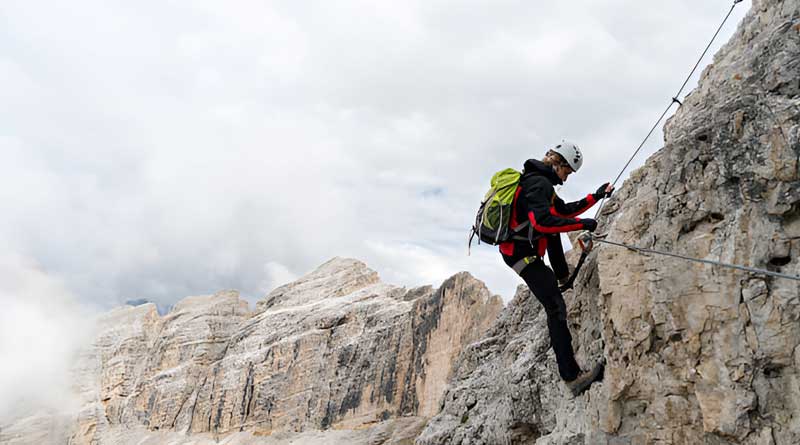
When you head into the mountains for alpine climbing, having the right harness is one of the most important parts of your gear. A good alpine climbing harness should feel comfortable during long days, stay lightweight for easy movement, and still be strong enough to keep you safe on technical routes. Unlike regular climbing harnesses, alpine harnesses are designed to handle changing conditions, heavy packs, and the mix of rock, snow, and ice that climbers often face. Choosing the right one can make your climb smoother, safer, and more enjoyable. In this guide, we’ll explore the best alpine climbing harnesses to help you pick the perfect fit.
1. KAILAS B4 Rock Climbing Harness
- Material: High-strength polyester with reinforced tie-in points
- Weight: Approx. 380g
- Buckles: Quick-adjust waist and leg loops
- Certifications: CE & UIAA approved
The KAILAS B4 Rock Climbing Harness is built for climbers who prioritize both safety and comfort on alpine routes. Its lightweight yet durable design ensures that you won’t feel restricted when climbing, making it a great option for sport and traditional climbers alike. The harness distributes weight evenly, reducing pressure points during long belays or rappelling sessions. Thanks to its high-strength polyester and reinforced tie-in points, it offers reliability for those who want gear they can trust on multi-pitch climbs.
Another highlight is its intuitive adjustment system, which allows climbers to quickly modify the waist and leg loops even while wearing gloves. The slim construction keeps it easy to pack, and despite its minimalist profile, the B4 provides enough support for challenging ascents. It’s particularly suited for indoor and outdoor climbers who need a versatile harness that adapts to different climbing conditions without sacrificing safety.
Pros
- Lightweight yet durable design
- Comfortable for long climbs and belays
- Easy adjustments with secure buckles
- Certified by CE & UIAA
Cons
- Minimal gear loops compared to pro-level harnesses
- May not fit larger waist sizes as comfortably
2. PETZL ADJAMA Unisex Harness
- Material: High-resistance webbing with EVA foam padding
- Gear loops: 5 loops + rear haul loop
- Leg Loops: Adjustable DoubleBack buckles
- Weight: 485g
The PETZL ADJAMA Unisex Harness is designed for versatility across alpine, trad, and sport climbing. Its generous padding on the waist and leg loops ensures comfort during prolonged sessions on vertical walls. The harness also comes equipped with five gear loops, giving climbers ample room to carry cams, quickdraws, and other essential tools. PETZL’s signature DoubleBack buckle system provides precise adjustments, allowing for a secure and tailored fit no matter the climbing scenario.
The ADJAMA stands out particularly in multi-pitch climbing, where comfort and gear organization are critical. Its haul loop is a practical addition for carrying extra gear or ropes on long routes. While slightly heavier than minimalist harnesses, the added durability and support more than make up for the extra grams. If you’re a climber who alternates between gym sessions, trad routes, and alpine adventures, this harness balances comfort, gear capacity, and safety in a way few harnesses do.
Pros
- Excellent padding for extended use
- Multiple gear loops for organization
- Strong adjustment buckles
- Reliable for multi-pitch climbs
Cons
- Heavier than ultra-light models
- Slightly bulky for indoor use
3. VEVOR Half Body Safety Harness
- Material: High-tensile polyester with reinforced stitching
- Weight Capacity: Up to 220 lbs
- Buckles: Fully adjustable waist and leg loops
- Application: Indoor/outdoor climbing, rescue, and rappelling
The VEVOR Half Body Safety Harness is a budget-friendly yet dependable choice for beginners and intermediate climbers. Made from high-tensile polyester with reinforced stitching, it offers adequate durability for a range of climbing environments. With adjustable waist and leg loops, it can accommodate different body types easily, making it suitable for rental or group use. Despite its affordable price point, the harness does not compromise on safety, featuring solid buckles that keep the fit secure throughout the climb.
What makes the VEVOR harness especially attractive is its multipurpose functionality. Besides rock climbing, it can also be used for tree climbing, rescue training, and rappelling. However, due to its relatively simple design, it lacks advanced comfort features such as thick padding or extra gear loops. While it may not satisfy professional climbers tackling demanding multi-pitch routes, it’s an excellent entry-level harness that provides safety, adjustability, and reliability for those just starting their climbing journey.
Pros
- Affordable and beginner-friendly
- Easy to adjust for different body sizes
- Suitable for multiple climbing and safety activities
- Lightweight design
Cons
- Minimal padding reduces comfort on long climbs
- Limited gear loop options
4. WILD COUNTRY Flow 2.0 Men’s Harness
- Material: High-quality nylon with FlowFit padding
- Gear Loops: 4 gear loops + rear haul loop
- Weight: 395g
- Waistbelt: Adjustable with ventilated construction
The WILD COUNTRY Flow 2.0 Harness is crafted for climbers who demand both comfort and performance in alpine and sport climbing settings. Its FlowFit padding system provides enhanced breathability and weight distribution, allowing climbers to remain comfortable even during long belays or hanging rests. The harness includes four gear loops, offering ample space for organizing protection and quickdraws without adding unnecessary bulk.
What sets this harness apart is its balance of comfort and lightweight design. At under 400 grams, it’s one of the lighter options in its category, making it a strong choice for sport climbers and alpine adventurers who want to cut down on gear weight. The adjustable waistbelt ensures a snug fit, while the ventilated padding reduces heat buildup in warmer conditions. For climbers looking for a harness that blends ergonomic design with practical gear features, the Flow 2.0 is a dependable partner.
Pros
- Lightweight yet supportive
- Comfortable FlowFit padding
- Breathable and well-ventilated design
- Sufficient gear storage
Cons
- Not as heavily padded as trad climbing models
- Rear haul loop is small for big loads
5. PETZL CORAX LT Unisex Harness
- Material: Nylon and polyester with soft padding
- Weight: 390g
- Gear Loops: 4 gear loops + rear loop
- Leg Loops: Adjustable with buckle system
The PETZL CORAX LT Unisex Harness is a lightweight and versatile option suitable for a wide range of climbing disciplines. Its slim construction keeps the weight low while still providing the comfort needed for longer climbs. The CORAX LT uses PETZL’s ergonomic design to distribute pressure evenly across the waist and legs, making it practical for both indoor gym climbers and outdoor enthusiasts.
This harness also shines in terms of adaptability. The adjustable leg loops and waistbelt ensure a secure fit across different body types, while the four gear loops make it easy to organize climbing equipment. While not as padded as some bulkier models, the CORAX LT is ideal for those who prioritize a minimalist harness without sacrificing safety or basic comfort. It’s a harness that balances weight, adjustability, and reliability, making it a great “all-around” choice.
Pros
- Lightweight and versatile design
- Secure and comfortable fit
- Good balance of features for indoor and outdoor use
- Easy gear organization
Cons
- Less padding than bulkier harnesses
- Not ideal for heavy trad loads
6. KAILAS B3 Rock Climbing Harness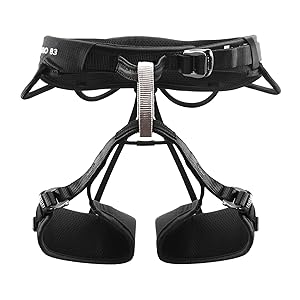
- Material: Durable polyester with reinforced tie-in points
- Weight: 400g approx.
- Buckles: Fully adjustable waist and leg loops
- Applications: Indoor climbing, roofing, rappelling, mountaineering
The KAILAS B3 Rock Climbing Harness offers versatility for both recreational climbers and professionals who need dependable gear for safety. Its adjustable system makes it suitable for men and women alike, with reinforced tie-in points ensuring long-term durability. The harness is particularly favored for its multifunctional use—whether it’s indoor climbing sessions, outdoor alpine climbing, rappelling, or even roofing applications.
One of the most appealing aspects of the B3 is its durability relative to its lightweight profile. While it may lack the plush padding of high-end sport climbing harnesses, it compensates with a secure fit and reliable safety design. Its multipurpose functionality means that it appeals to climbers who want one harness that can do it all without breaking the bank. Although it might not be the most specialized harness, its adaptability makes it a practical investment for a wide range of climbing and safety scenarios.
Pros
- Versatile and multipurpose design
- Adjustable for men and women
- Reinforced tie-in points for durability
- Affordable price point
Cons
- Limited padding for prolonged use
- Lacks advanced gear storage
7. Fusion Climb Centaur Adjustable Harness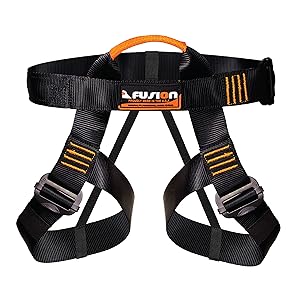
- Material: Heavy-duty polyester with reinforced stitching
- Weight Capacity: Up to 310 lbs
- Design: Half-body adjustable harness
- Application: Mountaineering, climbing, caving, zipline, rescue
The Fusion Climb Centaur Adjustable Harness is designed for durability and versatility across a wide range of climbing and safety applications. With its heavy-duty polyester construction and reinforced stitching, it is built to withstand tough conditions. This harness is popular among groups and institutions thanks to its simple design and wide adjustability, making it a go-to choice for zipline parks, climbing gyms, and rescue training.
Beyond its rugged build, the Centaur also delivers on comfort and functionality. Its adjustability allows it to fit climbers of different sizes with ease, while its high weight capacity adds a layer of security for demanding situations. However, due to its simplistic design, it lacks advanced comfort features like thick padding or extensive gear loops, which might make it less appealing to advanced climbers on long alpine routes. Still, as a versatile, durable, and safety-certified harness, the Centaur stands out as a reliable all-purpose option.
Pros
- Highly durable construction
- Wide size adjustability
- High weight capacity for extra security
- Suitable for group/institutional use
Cons
- Minimal padding for comfort
- Limited gear storage options
How to Choose Alpine Climbing Harnesses
Alpine climbing is one of the most demanding disciplines in the world of mountaineering. It requires not only technical skills and mental endurance but also the right gear to ensure safety and efficiency in harsh and unpredictable environments. Among the most essential pieces of equipment for an alpinist is the climbing harness. A harness is the critical link between the climber and the rope, allowing for protection, belaying, rappelling, and hauling. However, alpine conditions bring unique challenges—such as cold weather, heavy layering, long approaches, and mixed climbing—that make choosing the right alpine harness different from selecting a standard rock-climbing harness.
This article provides an in-depth guide to help you choose the best alpine climbing harness, highlighting the factors to consider, the key features to look for, and practical tips for making the right decision.
Understanding the Role of an Alpine Harness
In traditional sport or gym climbing, a harness is primarily designed for comfort during frequent falls or hanging belays. In alpine climbing, however, priorities shift. Climbers often spend long hours moving across varied terrain: rock, snow, and ice. Falls are less frequent but can be more serious, and efficiency in putting on and removing the harness—sometimes while wearing crampons or skis—becomes essential.
Thus, the alpine harness must strike a balance between lightweight performance, packability, durability, and functionality in harsh conditions.
Key Factors to Consider When Choosing an Alpine Climbing Harness
1. Weight and Packability
Alpine climbing often involves long approaches and carrying heavy loads. Every gram matters. A good alpine harness should be lightweight enough to minimize the burden but also robust enough to provide security.
- Ultralight harnesses (100–200g) are excellent for fast-and-light ascents and ski mountaineering.
- Midweight harnesses (200–400g) balance comfort and durability, making them suitable for more technical alpine climbs.
Additionally, the harness should be highly packable, meaning it can fold down small enough to fit into a pack or even a pocket when not in use.
2. Ease of Donning and Adjustability
Unlike sport climbing, alpine climbing often requires putting on or removing the harness while wearing crampons, skis, or mountaineering boots. A good alpine harness should:
- Feature leg loops that open fully, allowing you to put it on without lifting a foot.
- Have adjustable buckles to fit over varying layers, from light summer clothing to heavy winter insulation.
- Use glove-friendly buckles, such as auto-locking speed buckles, to minimize fumbling in the cold.
3. Durability vs. Minimalism
Durability is critical when climbing over abrasive rock, ice, and snow. However, alpine harnesses are designed to be lighter than traditional rock harnesses, so they often strip away padding and bulk.
- Minimalist harnesses may feel less comfortable for hanging belays but excel in mobility and weight savings.
- More robust harnesses with reinforced tie-in points and thicker materials provide longevity for frequent alpine use.
The choice depends on whether you prioritize long-term durability or ultralight speed.
4. Comfort and Support
Although alpine climbing typically involves less hanging than sport climbing, comfort is still important, especially for long belays or rappels. A harness with a wider waist belt and leg loops distributes weight more evenly. That said, bulky padding is usually avoided in alpine models to save weight.
Look for harnesses that strike a middle ground: slim padding combined with ergonomically shaped waist and leg loops for decent comfort without unnecessary heft.
5. Gear Loops and Ice Clip Integration
Alpine climbing often requires carrying more gear than a standard rock climb—nuts, cams, quickdraws, ice screws, and slings. A good alpine harness must accommodate this variety.
- Gear loops: At least four gear loops are standard. Rigid loops keep gear accessible, while softer loops reduce bulk.
- Ice clipper slots: Many alpine harnesses feature reinforced slots for racking ice screws or tools, essential for mixed and ice climbs.
- Haul loop: A rear loop is useful for tag lines or extra gear but not always included on ultralight models.
6. Tie-In Points and Belay Loop
The tie-in points and belay loop are high-wear areas and must be durable enough for alpine abuse. Some harnesses feature reinforced materials or wear indicators to enhance safety.
- A single, strong belay loop is standard, though ultralight alpine harnesses may skip it and require tying in directly.
- Reinforced tie-in points extend the life of the harness, particularly important when climbing on abrasive alpine rock.
7. Fit and Sizing
Fit is critical for safety and comfort. A harness that is too loose may ride up, while one that is too tight can restrict circulation, especially in cold conditions.
- Test the harness over the clothing layers you typically wear in alpine environments.
- Ensure leg loops adjust properly for both summer and winter use.
- Remember: sizing may differ across brands, so trying it on before buying is ideal.
8. Certification and Safety Standards
Always ensure the harness is certified by organizations such as the UIAA (International Climbing and Mountaineering Federation) or CE (European Conformity). These certifications guarantee that the harness meets established safety standards.
Types of Alpine Harnesses
- Ultralight Harnesses – Best for ski mountaineering, glacier travel, or alpine pushes where weight is paramount. Examples: Petzl Altitude, Blue Ice Choucas.
- Technical Alpine Harnesses – Strike a balance between lightweight design and technical features, suitable for mixed routes and longer climbs. Examples: Black Diamond Couloir, Arc’teryx FL series.
- Comfort-Oriented Harnesses – Heavier but more supportive, suitable for routes with long belays or big-wall style alpine climbing. Examples: Mammut Ophir Alpine, Petzl Sitta.
Practical Tips for Choosing the Right Harness
- Define your objective: A fast-and-light alpine push requires a different harness than a long mixed climb with multiple pitches.
- Try before you buy: Fit varies across brands. Trying the harness with boots and outerwear helps avoid surprises.
- Balance weight and durability: If you climb frequently on rough alpine rock, prioritize durability. For rare ascents, an ultralight model might suffice.
- Check packability: Practice folding and stowing the harness to see how easily it fits in your pack.
- Don’t forget glove usability: Test buckles with gloves, since alpine climbs rarely allow bare-handed adjustments.
Maintenance and Care
Even the best alpine harness won’t last forever. Proper care extends its lifespan:
- Inspect tie-in points and belay loop regularly for wear.
- Store in a dry, cool place away from UV light.
- Clean gently with mild soap and water after exposure to sweat, dirt, or salt.
- Retire the harness after major falls, visible damage, or according to the manufacturer’s recommended lifespan (often 7–10 years, less with heavy use).
Conclusion
Choosing the right alpine climbing harness is a careful balance of weight, durability, comfort, and functionality. Unlike gym or sport climbing harnesses, alpine models must perform under diverse and extreme conditions—allowing climbers to move efficiently across rock, snow, and ice while maintaining safety. By considering factors such as ease of donning, packability, gear capacity, and durability, climbers can select a harness that matches their objectives and style.
In the end, the “best” alpine harness is the one that fits your body, meets your climbing goals, and inspires confidence on demanding alpine terrain. A well-chosen harness not only increases efficiency but also ensures safety—the most important factor when navigating the high and unforgiving alpine world.