Best Approach Shoes For Women of 2025
When it comes to outdoor adventures, having the right footwear can make all the difference, and that is where approach shoes come in. Approach shoes are designed to give women comfort, grip, and stability on rocky trails, steep paths, and even light climbing. They combine the support of hiking boots with the sensitivity of climbing shoes, making them perfect for those who love exploring the outdoors. Whether you are hiking to a climbing spot, walking on uneven ground, or just want reliable everyday shoes for adventure, the right pair can keep your feet safe and comfortable. In this article, we explore the best approach shoes for women.
1. La Sportiva TX2 EVO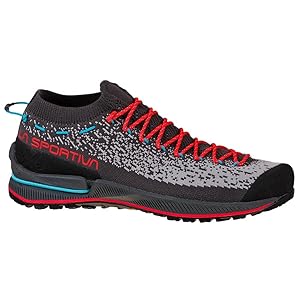
- Upper: Breathable knit fabric with reinforced PU overlays
- Outsole: Vibram® Idrogrip with climbing zone at the toe
- Weight: Approx. 9.5 oz (270 g) per shoe
- Midsole: Lightweight EVA cushioning for shock absorption
The La Sportiva Women’s TX2 EVO is a hybrid approach shoe designed for climbers and hikers who demand lightweight agility with climbing precision. Its knit upper is engineered for breathability and flexibility, allowing feet to stay cool while maintaining durability against abrasions. With a Vibram Idrogrip outsole, the shoe excels on rocky terrain, offering secure footing and a specialized climbing zone at the toe for edging and smearing.
This shoe shines when you need to move quickly across technical approaches. The EVA midsole provides reliable cushioning, preventing foot fatigue on longer days while keeping weight to a minimum. However, the lightweight construction comes with trade-offs—specifically less ankle stability and limited protection on rugged, muddy trails. For climbers who prioritize speed and precision over heavy support, the TX2 EVO is a standout.
Pros
- Exceptional traction on rock
- Breathable and lightweight
- Climbing-zone toe enhances control
- Comfortable for long approaches
Cons
- Limited ankle support
- Knit upper less durable on harsh terrain
- Not ideal for heavy loads or backpacking
2. UBFEN Barefoot Shoes
- Upper: Quick-dry stretch fabric for flexibility
- Outsole: Rubber sole with anti-slip traction
- Closure: Elastic lace system with pull tab
- Design: Barefoot-style with wide toe box
The UBFEN Sneakers Barefoot Shoes cater to those who prefer a minimalist hiking or walking experience. Built with a quick-drying stretch fabric, they offer excellent breathability, making them suitable for both trail hiking and water-related activities. The barefoot design promotes natural foot movement and flexibility, encouraging balance and muscle engagement while reducing unnecessary bulk.
While not a traditional approach shoe, the UBFEN Barefoot Sneakers appeal to outdoor enthusiasts who prioritize lightweight comfort and ground feel over rugged protection. Their elastic lacing and slip-on design add convenience, while the anti-slip rubber outsole performs decently on mixed terrain. However, for serious rocky scrambles or long-distance treks, they may fall short in terms of support and durability. They’re best suited for light hikes, walking, or trail running in dry-to-wet environments.
Pros
- Lightweight and flexible design
- Quick-drying, breathable fabric
- Wide toe box for comfort
- Suitable for water and trail activities
Cons
- Limited foot protection on sharp terrain
- Minimal cushioning for long hikes
- Not as durable as traditional approach shoes
3. SCARPA Crux
- Upper: Suede leather with textile inserts
- Outsole: Vibram® Vertical rubber with climbing zone
- Midsole: EVA cushioning for impact absorption
- Weight: Approx. 13 oz (370 g) per shoe
The SCARPA Women’s Crux is a rugged yet comfortable approach shoe that blends the durability of suede leather with climbing-focused performance. Its Vibram Vertical outsole includes a climbing zone at the toe, making it reliable for technical scrambling and edging. The suede construction enhances durability while molding comfortably to the foot over time.
This model is a solid choice for those who want a balance between hiking comfort and climbing utility. The EVA midsole provides enough cushioning for longer hikes, while the sturdy build gives confidence on rocky terrain. However, the slightly heavier weight compared to ultralight models like the La Sportiva TX2 EVO may make them less agile. Still, if durability and all-day comfort are priorities, the SCARPA Crux delivers.
Pros
- Sturdy suede upper for durability
- Good edging performance with climbing zone
- Comfortable cushioning for longer hikes
- Reliable traction on mixed terrain
Cons
- Slightly heavier than competitors
- Less breathable than knit or mesh uppers
- Break-in period required
4. Salewa Wildfire 2 GTX
- Upper: Synthetic mesh with Exa Shell overlay
- Lining: Gore-Tex® waterproof membrane
- Outsole: Pomoca Speed MTN rubber with climbing zone
- Lacing: Climbing-style precision lacing
The Salewa Women’s Wildfire 2 GTX is a waterproof approach shoe engineered for technical mountain terrain. Its Gore-Tex lining ensures reliable protection in wet conditions while maintaining breathability. The Pomoca Speed MTN outsole provides outstanding grip on rocky and uneven terrain, supported by a climbing-zone toe for precise foot placements.
This shoe is particularly well-suited for wet or alpine environments where waterproofing is essential. The Exa Shell overlays enhance stability, keeping the foot secure even during scrambles. While slightly stiffer than casual trail shoes, the stiffness adds confidence on steep ascents. The main drawback is that Gore-Tex can reduce ventilation in hot climates, but for variable weather and rugged use, the Wildfire 2 GTX is a top performer.
Pros
- Waterproof Gore-Tex lining
- Excellent grip on rocky surfaces
- Secure fit with climbing-style lacing
- Durable and stable for technical terrain
Cons
- Can feel warm in hot climates
- Slightly stiffer than casual hikers
- Heavier than minimalist options
5. Arc’teryx Vertex Alpine GTX
- Upper: Seamless synthetic with abrasion resistance
- Lining: Gore-Tex® waterproof breathable membrane
- Outsole: Vibram® Megagrip rubber with climbing zone
- Midsole: Injected EVA for lightweight cushioning
The Arc’teryx Vertex Alpine GTX is built for fast and light missions where agility and weather protection are essential. Featuring Gore-Tex waterproofing, it performs well in alpine and variable conditions, keeping feet dry without sacrificing breathability. Its Vibram Megagrip outsole ensures secure traction on both wet and dry rock, while the seamless upper design minimizes abrasion points.
This shoe excels for climbers and trekkers tackling demanding approaches. It’s lightweight and comfortable but still supportive enough for rocky terrain. The injected EVA midsole strikes a balance between cushioning and responsiveness. That said, the minimalist ankle structure means it’s not ideal for heavy-load carrying, and the premium price tag makes it best suited for serious adventurers who value high performance in technical terrain.
Pros
- Reliable waterproofing with Gore-Tex
- Exceptional grip on wet and dry surfaces
- Lightweight and responsive feel
- Durable seamless upper
Cons
- Expensive compared to competitors
- Limited ankle support
- Best for technical, not casual, hiking
6. Five Ten Guide
- Upper: Nubuck leather with reinforced stitching
- Outsole: Stealth® S1 rubber for superior grip
- Weight: Approx. 12.3 oz (350 g) per shoe
- Midsole: EVA cushioning with supportive platform
The Five Ten Women’s Guide Approach Shoes are a classic choice for climbers who want durability and legendary traction. The Stealth S1 outsole is known for its unbeatable grip on rock, making these shoes particularly popular with climbers who frequently scramble or approach steep routes. The nubuck leather upper offers both comfort and toughness, ensuring longevity even with heavy use.
While not the lightest option, the stability and confidence they provide on technical terrain are hard to beat. They are versatile enough for hiking, scrambling, and everyday wear, though the slightly heavier profile may not suit those seeking ultralight speed. For climbers who want durability and traction above all, the Five Ten Guide remains a trusted option.
Pros
- Excellent Stealth rubber grip
- Durable nubuck leather construction
- Supportive and cushioned for all-day use
- Versatile for approach and casual wear
Cons
- Slightly heavier than newer models
- Less breathable in hot weather
- Bulkier feel compared to minimalist shoes
7. La Sportiva Prodigio
- Upper: Engineered mesh with protective overlays
- Midsole: High-cushion EVA with responsive foam inserts
- Outsole: FriXion® rubber with trail-specific lugs
- Weight: Approx. 8.8 oz (250 g) per shoe
The La Sportiva Women’s Prodigio Trail Running Shoes are designed for speed and comfort over long distances. With an engineered mesh upper, they emphasize breathability and lightweight feel. The FriXion rubber outsole features aggressive lugs, providing reliable traction across trail surfaces from packed dirt to loose gravel.
Although marketed as trail runners, their balance of cushioning and traction allows them to double as a light approach shoe for less technical terrain. The Prodigio excels in scenarios where comfort and speed are key, though it lacks the climbing precision of traditional approach shoes. For those who want a versatile shoe that performs both on runs and casual hikes, it’s a strong contender.
Pros
- Very lightweight and breathable
- Comfortable for long distances
- Aggressive outsole lugs for traction
- Great crossover for running and hiking
Cons
- Less durable for rocky scrambles
- Not designed for climbing precision
- Limited support under heavy loads
How to Choose Approach Shoes for Women
Outdoor adventures often take us to terrains that are neither simple hiking trails nor full-on climbing routes. That’s where approach shoes come in—a hybrid footwear option designed to bridge the gap between hiking boots and climbing shoes. For women who love hiking, scrambling, or venturing into alpine environments, the right pair of approach shoes can make all the difference in terms of comfort, performance, and safety.
But with so many models on the market, choosing the right approach shoes can feel overwhelming. This guide breaks down everything you need to know about selecting approach shoes for women, so you can find the perfect fit for your needs.
What Are Approach Shoes?
Approach shoes are designed for the “approach” to climbing routes—essentially the hike from the trailhead to the rock wall. They combine the sturdy grip of climbing shoes with the cushioning and stability of hiking shoes. Many women also use them for general outdoor activities such as light hiking, scrambling, or even travel, thanks to their versatile design.
Key features include:
- Sticky rubber soles (for grip on rock and uneven surfaces).
- Low-to-mid cut designs (for mobility and support).
- Durable uppers (often leather or synthetic).
- Toe rand or rubber toe cap (to protect against abrasion).
Factors to Consider When Choosing Approach Shoes for Women
1. Fit and Comfort
The most important factor when choosing approach shoes is the fit. Women’s approach shoes are designed with a slightly narrower heel and lower volume to better match the shape of women’s feet.
- Toe Box: Make sure it’s snug but not cramped. A tighter fit improves precision on rock, but you’ll need some wiggle room if you’re planning longer hikes.
- Heel Lock: Look for a secure heel fit to avoid blisters on steep ascents or descents.
- Try Them On: Always try shoes with the socks you’ll wear on the trail. Walk around, climb a few stairs, and check for hot spots.
Tip: If you’ll use them mainly for climbing approaches, size closer to your climbing shoe fit (snug). For hiking-heavy use, size more like your hiking boots (slightly looser).
2. Intended Use
Not all approach shoes are created equal. Think about where you’ll use them most often:
- Hiking-Oriented Approach Shoes: These prioritize cushioning and support, making them great for long approaches with heavy packs.
- Climbing-Oriented Approach Shoes: These have stickier rubber and a snugger fit for better grip on rock. Ideal if you’ll be doing lots of scrambling or technical terrain.
- Everyday Versatility: Some approach shoes double as casual wear or travel shoes. They’re lighter and more stylish but may lack technical features.
3. Sole and Traction
The outsole is where approach shoes shine.
- Sticky Rubber: Look for Vibram or other sticky rubber compounds that excel on rock slabs.
- Lug Pattern: Deep lugs help with muddy trails, while smoother, climbing-zone rubber near the toe improves edging on rock.
- Climbing Zone: A flat rubber patch under the toe is great for smearing and edging on rocky sections.
4. Cushioning and Support
Women often carry lighter packs than men, but support is still essential.
- Midsole Cushioning: EVA or polyurethane midsoles absorb shock and provide comfort on long approaches.
- Arch Support: Check whether the shoe supports your foot shape (low, medium, or high arches). Insoles can be swapped for a custom fit.
- Ankle Cut: Low-cut shoes offer freedom of movement; mid-cut models provide more ankle stability on uneven ground.
5. Weight
Approach shoes should be lighter than hiking boots, but still sturdy. Women-specific models often shave weight without sacrificing durability. Lighter shoes are better for fast movement, while heavier shoes add durability and protection.
6. Durability and Materials
- Leather Uppers: Durable, comfortable, and mold to your foot, but heavier and less breathable.
- Synthetic Uppers: Lighter, dry faster, and often more breathable, but may wear out faster.
- Reinforced Toe Rand: Protects against abrasion on rocky terrain.
7. Water Resistance and Breathability
Consider the climate you’ll use them in:
- Waterproof Models (with Gore-Tex or similar): Best for wet, alpine, or variable conditions. Keep in mind they’re less breathable.
- Non-Waterproof Models: Better for warm, dry climates. They breathe well and dry quickly if wet.
8. Lacing System
Approach shoes often feature extended lacing (similar to climbing shoes) that runs closer to the toe. This allows for a customizable fit and more precision when climbing. Make sure the laces stay secure and don’t loosen easily.
9. Price and Value
Women’s approach shoes typically range between $100–$200. Spending more usually gets you:
- Better rubber compounds.
- More durable materials.
- Waterproofing options.
- Advanced comfort features.
If you’re a beginner or casual hiker, mid-range models often provide the best balance of performance and value.
Tips for Women When Choosing Approach Shoes
- Know Your Foot Shape: Women often have narrower heels, so a women-specific model usually provides a better fit than unisex.
- Break Them In: Approach shoes don’t require as much break-in as hiking boots, but it’s still smart to wear them on shorter walks first.
- Consider Socks: Thin socks work best for climbing precision; thicker hiking socks add comfort for longer treks.
- Match to Your Terrain: If most of your adventures are hiking-heavy, don’t sacrifice comfort for a super-climbing-oriented shoe.
Recommended Uses of Approach Shoes for Women
- Day Hiking: Light, breathable models with cushioning.
- Scrambling & Bouldering: Sticky rubber and snug fit.
- Alpine Approaches: Durable, waterproof models with solid support.
- Travel & Everyday Use: Lightweight, versatile shoes with a stylish design.
Common Mistakes to Avoid
- Buying Too Small: Women sometimes size down for better climbing performance, but too-tight shoes can cause pain and blisters on long hikes.
- Ignoring Terrain Needs: A climbing-heavy shoe won’t feel good on long, flat trails.
- Skipping Socks: Always try shoes with the type of socks you’ll wear outdoors.
- Not Considering Pack Weight: Heavier loads require more supportive shoes.
Conclusion
Approach shoes for women are more than just a piece of gear—they’re a balance of climbing performance, hiking comfort, and durability. The right pair depends on your individual needs: whether you’re tackling rocky scrambles, long alpine approaches, or simply want a versatile outdoor shoe.
By considering fit, sole design, cushioning, weight, and intended use, you’ll be able to choose approach shoes that not only perform well but also keep you comfortable on every adventure. Invest time in trying different models, and don’t be afraid to prioritize comfort over brand or style.
With the right approach shoes, every step toward the mountains will feel secure, supported, and ready for adventure.