Best Helmets For Arborists of 2025
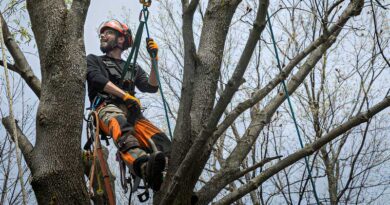
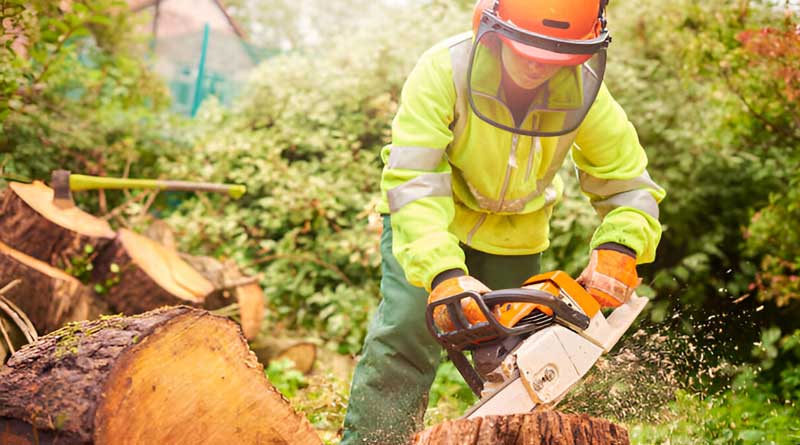
Working as an arborist is both rewarding and risky, as the job involves climbing trees, using chainsaws, and working at dangerous heights. Safety should always come first, and one of the most important pieces of protective gear is a reliable helmet. A good helmet protects you from falling branches, impacts, and other hazards you may face while working outdoors. With so many options available, choosing the right helmet can feel overwhelming. That is why we have created this guide on the best helmets for arborists. Here, you will find helmets that combine safety, comfort, and durability, helping you work confidently and stay protected every day.
1. Pfanner Protos Integral Arborist Helmet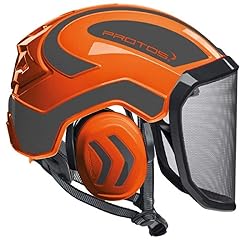
- Certified to EN 397, EN 352-3, and EN 1731 standards for impact, hearing, and eye protection
- Integrated hearing protection and mesh visor system
- Adjustable neck cradle for a secure and ergonomic fit
- Designed with a wide air vent system for maximum breathability
The Pfanner Protos Integral Arborist Helmet is widely regarded as one of the top-tier helmets for professional arborists. Its standout feature is the integrated system that combines hearing protection, face shield, and head protection into one streamlined unit. This reduces the need for separate attachments and ensures that everything fits seamlessly. The helmet also has a unique neck cradle adjustment system that keeps it firmly in place, even during difficult climbing maneuvers.
Comfort is a strong point with the Protos. The ventilation system provides constant airflow, making it suitable for long working days in warm environments. Unlike standard helmets, the Protos does not shift or wobble when bending or looking up, which is crucial for safety during tree work. Its durability and safety certifications ensure that professionals can rely on it in challenging forestry conditions, although the premium price might not appeal to casual users.
Pros
- Integrated all-in-one protection system
- Exceptional stability during movement
- Superior ventilation for long work sessions
- Certified to multiple safety standards
Cons
- Premium price point
- Slightly heavier than basic hardhats
2. NoCry 6-in-1 Industrial Chainsaw Helmet
- ANSI and CE-approved for head, face, and ear protection
- Adjustable 6-in-1 system with removable earmuffs and mesh visor
- Adjustable suspension with a dial-fit mechanism
- High-density polyethylene (HDPE) shell for impact resistance
The NoCry 6-in-1 Industrial Chainsaw Helmet is a versatile choice for arborists and DIY enthusiasts. Its modular design allows users to adapt the helmet to specific tasks, with options to use or remove the face shield, earmuffs, and visor as needed. This makes it an affordable yet flexible solution for people who work with chainsaws in forestry, gardening, or construction. The HDPE shell ensures solid impact protection, while the adjustable dial-fit system makes it easy to customize the fit.
For arborists on a budget, this helmet provides great value, though it may not match the durability of premium options like the Pfanner Protos. The earmuffs and visor function well, but frequent professional use might wear them out faster. Still, for lighter work or as an entry-level helmet, the NoCry delivers a solid balance of affordability and safety.
Pros
- Affordable and versatile
- Adjustable components for multiple uses
- Lightweight and comfortable fit
- Easy to assemble and customize
Cons
- Not as durable for heavy professional use
- Earmuffs and visor feel less robust compared to premium helmets
3. LOHASPRO Hard Hat Safety Helmet
- ANSI Z89.1 and CE certified for impact and electrical protection
- Equipped with mesh visor and ear defenders
- ABS hard shell with adjustable 6-point suspension system
- Side ventilation slots for airflow
The LOHASPRO Hard Hat Safety Helmet is a solid budget-friendly choice for those working in forestry, logging, or construction. Built with an ABS shell, it offers reliable impact resistance while keeping the overall weight low. The helmet comes with essential attachments like a mesh visor for face protection and earmuffs for noise reduction, making it a complete starter kit for arborists and chainsaw operators.
Although it doesn’t carry the premium features of higher-end helmets, the LOHASPRO does a respectable job in terms of safety and usability. The adjustable suspension system ensures comfort, while the side vents prevent overheating during extended work. Arborists looking for an affordable yet dependable helmet for occasional use will find it practical, though it may lack the ruggedness required for intensive daily use.
Pros
- Budget-friendly with full protection kit
- Comfortable and lightweight design
- Adjustable suspension system for better fit
- Good ventilation for hot conditions
Cons
- Durability not ideal for professional heavy use
- Earmuffs provide average noise reduction
4. Protos Integral Arborist Helmet
- Certified to EN 397, EN 12492, and EN 352-3 standards
- 20 internal vent channels for airflow regulation
- Integrated visor and earmuff system
- Adjustable cradle with deep neck support
The Protos Integral Arborist Helmet stands out for its advanced design and ergonomic comfort. This model is specifically engineered for arborists, combining head, face, and hearing protection into a single streamlined system. The deep neck support ensures the helmet remains secure during climbing, while the integrated visor provides excellent visibility without fogging issues.
This helmet is particularly appreciated by professionals who work long hours at heights. Its superior ventilation system helps prevent overheating, and the fit adjustment options make it adaptable to different head shapes. While its premium cost may deter casual users, professionals who prioritize safety and comfort find it well worth the investment.
Pros
- Excellent all-in-one protection
- Ergonomic neck support for climbing stability
- Superior ventilation system
- High safety certification
Cons
- Expensive compared to alternatives
- Heavier than entry-level helmets
5. Protos Integral Arborist Helmet – The Beekeeper
- Certified to EN 352-3, EN 397, and EN 1731 standards
- Specialized visor designed for beekeeping and forestry use
- Integrated ear protection and neck cradle system
- Adjustable ventilation with climate control padding
The Protos Integral Arborist Helmet – The Beekeeper edition is a unique adaptation of the Protos series. It includes a specialized visor designed for both beekeeping and forestry work, offering flexibility for users who require dual-purpose protection. Its climate control padding helps regulate temperature, keeping the wearer comfortable in varied working environments.
The helmet’s integrated protection system ensures everything stays secure and functional, minimizing the risk of misalignment during critical tasks. For professionals who need a helmet that crosses into multiple work domains, this is an excellent option. However, given its niche features and higher cost, it may be best suited for specialists rather than general arborists.
Pros
- Dual-purpose design for beekeeping and forestry
- High-quality integrated protection system
- Comfortable climate control padding
- Excellent stability and fit
Cons
- Expensive compared to standard models
- Specialized visor may not suit all arborist needs
6. Aolamegs Chainsaw Helmet
- CE certified with mesh visor and earmuffs included
- ABS shell with ventilation holes
- Adjustable 6-point harness system
- Removable ear and face protection for customization
The Aolamegs Chainsaw Helmet is a versatile and budget-friendly solution for arborists and forestry workers. Its lightweight ABS shell provides adequate impact protection, while the included mesh visor and earmuffs ensure face and hearing safety. With an adjustable harness system, it offers a snug and comfortable fit for different head sizes.
This helmet is best suited for occasional use or light forestry work. While it provides essential protection at an affordable price, it doesn’t have the rugged build quality of premium helmets. The ventilation holes are useful in hot weather, but the earmuffs and visor may feel less sturdy over time. Overall, it’s a great entry-level choice for those who want reliable protection without overspending.
Pros
- Affordable and lightweight
- Customizable protection with removable parts
- Comfortable adjustable harness
- Good airflow for warm environments
Cons
- Not as durable for heavy-duty professional use
- Earmuffs and visor are basic quality
7. Husqvarna Arborist Helmet
- EN 397 certified impact-resistant helmet shell
- UV-stabilized plastic construction for outdoor durability
- Adjustable hearing protectors and mesh visor
- Ventilation slots for comfort during long use
The Husqvarna Arborist Helmet is designed with professionals in mind, combining safety, comfort, and durability. Its UV-stabilized shell is ideal for prolonged outdoor use, resisting sun damage better than standard helmets. The integrated mesh visor and adjustable hearing protectors provide reliable protection without sacrificing comfort.
Users appreciate the balance this helmet strikes between affordability and performance. While not as advanced as premium Protos models, it offers dependable protection for professional and semi-professional arborists. The ventilation system and lightweight build make it practical for long days in the field, though some users may find the fit adjustment less refined than higher-end helmets.
Pros
- Durable UV-stabilized shell
- Reliable integrated protection system
- Comfortable ventilation design
- Reasonably priced for professionals
Cons
- Fit adjustment less precise
- Visor may not provide full facial coverage
How to Choose Helmets for Arborists
Working as an arborist is one of the most rewarding yet hazardous professions. Whether you are climbing trees for pruning, using chainsaws for felling, or performing aerial rescues, the risks of falling debris, chainsaw kickbacks, or slips are ever-present. One of the most crucial pieces of safety equipment that every arborist must invest in is a helmet. A helmet is more than just a hard shell; it is your first line of defense against head injuries that could otherwise prove fatal.
However, with so many options available in the market, choosing the right helmet can feel overwhelming. This guide walks you through everything you need to know about selecting the best helmet for arborist work, from essential safety standards to comfort features and additional accessories.
1. Understand Why Helmets Are Essential for Arborists
Before diving into the buying process, it is important to understand the unique hazards arborists face. Unlike construction workers who are primarily exposed to falling objects, arborists work in dynamic, high-risk environments:
- Falling branches or limbs during pruning.
- Chainsaw injuries from above or during aerial work.
- Falls from trees or aerial lifts.
- Exposure to the sun and heat, especially in outdoor conditions.
- Electrical hazards when working near power lines.
A proper arborist helmet is designed to protect against all these risks. It is lightweight yet strong, offers head and face protection, and often integrates hearing and eye safety.
2. Check Safety Standards
When choosing a helmet, the first step is to check for safety certifications. Helmets for arborists are usually classified under two types of standards:
- EN 397 (Industrial Helmets): This standard ensures helmets protect against falling objects, impact, and penetration. It is widely recognized in Europe.
- EN 12492 (Mountaineering Helmets): Arborists often prefer this standard because it covers impact protection from multiple angles (front, back, side, top) — essential when climbing trees.
- ANSI Z89.1 (USA Standard): In North America, look for helmets that comply with ANSI standards for industrial head protection.
Always verify the certification label inside the helmet. A helmet without proper certification should never be considered for professional arborist work.
3. Choose Between Industrial and Climbing Helmets
Arborist helmets generally fall into two broad categories:
- Industrial-style helmets (EN 397 / ANSI Type I):
- Designed to protect from vertical impacts (objects falling from above).
- Often used in ground-based work.
- Typically feature a chinstrap but not always rated for strong retention.
- Climbing-style helmets (EN 12492):
- Designed to protect against impacts from multiple directions.
- Strong chinstraps to ensure the helmet stays in place during falls.
- Better suited for tree climbing and aerial work.
Many arborists choose climbing-style helmets because they provide more comprehensive protection. However, ground workers may prefer industrial helmets for comfort and cost-effectiveness.
4. Consider Fit and Comfort
You may wear your helmet for several hours at a time, so comfort is critical. Look for these features:
- Adjustable suspension system: Helmets with ratchet or wheel adjustments allow for quick fitting to different head sizes.
- Chinstrap quality: Arborist helmets must have secure and comfortable chinstraps (ideally four-point systems) to prevent slipping during climbing.
- Ventilation: Working outdoors in hot conditions can make helmets uncomfortable. Well-ventilated helmets reduce heat buildup and improve airflow.
- Weight: A lighter helmet reduces strain on your neck during long climbs.
Remember, a helmet that fits poorly or feels uncomfortable is less likely to be worn consistently.
5. Evaluate Material and Durability
The materials used in a helmet greatly influence its safety and lifespan:
- ABS (Acrylonitrile Butadiene Styrene): Lightweight and durable plastic used in many modern helmets.
- Polycarbonate shells: Offer strong impact resistance but may be more expensive.
- EPS (Expanded Polystyrene) foam: Common in climbing helmets, providing excellent energy absorption during impacts.
Check the manufacturer’s recommended lifespan. Most helmets have a service life of 3–5 years, depending on exposure to sunlight, chemicals, or extreme temperatures.
6. Look for Integrated Safety Features
Modern arborist helmets often come with integrated protection systems. While optional, they can add significant safety and convenience:
- Visors: Protect eyes from sawdust, debris, and branches. Available in mesh (good for ventilation) or polycarbonate (better for impact and UV protection).
- Hearing protection: Many helmets support earmuffs or have built-in ear defenders to reduce chainsaw and chipper noise.
- Chin and face guards: Extra protection for high-risk chainsaw work.
- Reflective stickers or bright colors: Increase visibility for team safety.
When buying, consider whether the helmet supports attachments such as visors, earmuffs, or headlamps. Compatibility with these accessories is essential for professional arborist work.
7. Think About Specific Work Environments
Different arborist jobs may require different helmet features:
- Climbing arborists: Need lightweight, climbing-standard helmets with secure chinstraps and side-impact protection.
- Ground workers: May prioritize industrial helmets with visors and earmuffs for chainsaw and chipper operation.
- Hot climates: Look for ventilated helmets with sweat-absorbing pads.
- Night work or low visibility: Bright colors or reflective elements are critical.
- Utility arborists: If working near power lines, use helmets with electrical insulation ratings.
Choosing a helmet tailored to your environment maximizes both safety and comfort.
8. Brand and Budget Considerations
Top brands in the arborist helmet market include Petzel, Husqvarna, Kask, Pfanner, and Stihl. These companies offer helmets that balance safety, comfort, and durability.
- Budget options: Entry-level helmets with basic protection start around $60–$100.
- Mid-range helmets: With integrated visors and earmuff compatibility, expect $120–$200.
- Premium helmets: Lightweight, ventilated, fully accessorized helmets can cost $250 or more.
While it may be tempting to save money, remember that helmets are a life-saving investment. Cutting corners on head protection is never advisable.
9. Inspect and Maintain Regularly
Buying the right helmet is only half the job — maintaining it is equally important.
- Inspect daily for cracks, dents, or wear.
- Replace immediately if the helmet suffers a strong impact, even if no damage is visible.
- Avoid storing in direct sunlight or extreme heat, which degrades materials.
- Replace every 3–5 years, or sooner if recommended by the manufacturer.
Proper care ensures your helmet provides maximum protection when you need it most.
10. Key Takeaways
When choosing a helmet for arborist work, always prioritize:
- Certified safety standards (EN, ANSI).
- Helmet type (climbing vs. industrial) based on work style.
- Fit, comfort, and ventilation for long hours of use.
- Durability and lifespan of materials.
- Integrated safety features such as visors and hearing protection.
- Suitability for the environment (heat, visibility, electrical hazards).
By carefully considering these factors, you can select a helmet that not only protects you but also makes your work safer and more comfortable.
Conclusion
Arborist work demands constant vigilance and the highest safety standards. A helmet is not just a tool but a lifeline, protecting against accidents that could otherwise have devastating consequences. By investing in the right helmet — one that balances safety, comfort, and adaptability — you ensure that you return home safely after every climb, every cut, and every job.
Your helmet is your shield. Choose it wisely, maintain it properly, and it will safeguard you in one of the most demanding professions in the world.