Best Tree Climbing Saddles of 2025
Tree climbing saddles are one of the most important tools for arborists, hunters, and outdoor workers who spend long hours high up in trees. The right saddle not only keeps you safe but also makes climbing easier, more comfortable, and less tiring. Whether you are trimming branches, hunting from a tree stand, or doing professional tree work, having a strong and well-designed saddle gives you the support and freedom to move confidently. With so many options available, choosing the best tree climbing saddle can be difficult. In this guide, we highlight the top saddles that combine safety, comfort, and durability for all climbing needs.
1. PETZL – Sequoia SRT Tree Care Seat Harness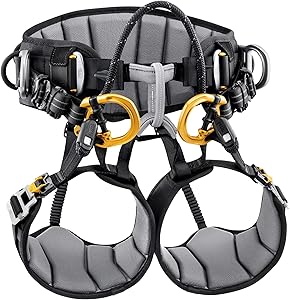
- Type: SRT (Single Rope Technique) tree care harness
- Material: Lightweight aluminum hardware and durable polyester webbing
- Leg Straps: Adjustable with FAST LT automatic buckles
- Attachment Points: Side and front attachment points for lanyards and ascenders
The PETZL Sequoia SRT harness is widely regarded as one of the best professional saddles for tree care specialists. Built specifically for single rope technique climbing, it emphasizes comfort and versatility while ensuring safety. The wide, semi-rigid waist belt supports the lower back and hips, making long climbs and suspended work much easier on the body. Its breathable mesh adds to the comfort factor, especially during hot summer months when air circulation is critical.
Another key highlight is the intuitive design. With FAST LT automatic buckles, arborists can put on or remove the harness quickly, even while wearing gloves. The harness also comes with multiple gear loops and attachment points, allowing climbers to organize tools and ropes efficiently. While it comes at a premium price, the durability, comfort, and efficiency make it a solid choice for full-time arborists who demand reliability from their gear.
Pros
- Excellent ergonomics and weight distribution
- Quick-adjust buckles for efficiency
- Plenty of gear loops and attachment points
- Very comfortable for extended use
Cons
- Expensive compared to other models
- Not ideal for casual or beginner climbers
2. EDELRID TreeRaptor Arborist Harness
- Type: Professional arborist harness for tree care
- Material: High-strength polyester webbing with aluminum D-rings
- Padding: Ergonomic waist belt with breathable padding
- Attachment Points: Side and front D-rings for positioning and climbing gear
The EDELRID TreeRaptor Arborist Harness is a well-balanced saddle that blends durability with comfort. It is designed to give arborists freedom of movement without sacrificing safety, thanks to its ergonomic build and wide waist belt. The padding is both breathable and supportive, ensuring that long working hours in the tree are not hindered by discomfort. The front and side D-rings make attaching lanyards or positioning devices quick and convenient.
EDELRID has also focused on making this saddle lightweight without compromising strength, which reduces overall fatigue during climbs. Its durability is backed by premium stitching and hardware that resists heavy use. While slightly bulkier compared to some slim-profile saddles, its comfort and professional-grade reliability make it a favorite among arborists seeking a balance of performance and longevity.
Pros
- Ergonomic and supportive design
- Durable construction with quality stitching
- Good balance between comfort and strength
- Breathable padding for long use
Cons
- Slightly heavier than some alternatives
- Bulkier waist belt may not suit all climbers
3. HEE LO Safety Seat Belt for Tree Climbing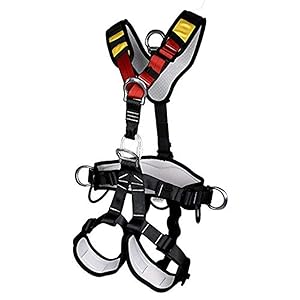
- Type: General-purpose tree climbing safety harness
- Material: Polyester webbing with reinforced stitching
- Leg Straps: Adjustable for secure fit
- Attachment Points: Central front loop for rope connection
The HEE LO Climbing Safety Seat Belt is a budget-friendly harness designed for beginners and casual users who need basic support during tree climbing activities. Its straightforward design features adjustable waist and leg straps, ensuring that it can fit a variety of body types comfortably. While it lacks the advanced features found in professional arborist saddles, it still delivers solid safety and security for light to moderate climbing tasks.
This saddle is best suited for occasional users or hobbyists rather than professionals. Its single central attachment point provides a secure connection, but gear loops and extra attachment options are limited. Despite its simplicity, the HEE LO harness is reliable and easy to use, making it a good entry-level choice for those who want to try tree climbing without committing to higher-priced professional gear.
Pros
- Affordable option for beginners
- Simple and easy to use
- Adjustable straps for better fit
- Lightweight design
Cons
- Limited attachment points
- Not ideal for professional arborists or heavy-duty use
4. Weaver Leather WLC 530 1 Floating Dee Harness
- Type: Arborist harness with floating dee ring
- Material: Heavy-duty nylon with padded leg straps
- Hardware: Steel floating dee ring for positioning
- Padding: Foam-padded nylon leg straps for comfort
The Weaver Leather WLC 530 harness is built with a strong focus on both durability and comfort. Its standout feature is the floating dee ring, which allows more freedom of movement and easier positioning while climbing. The padded nylon leg straps ensure that even long climbs remain comfortable, reducing leg strain. The sturdy build with heavy-duty stitching makes this harness suitable for professional arborists who spend significant time working in trees.
This saddle also excels in terms of adjustability and support. The foam padding offers added relief, while the overall construction ensures the harness can withstand demanding conditions. While slightly heavier than minimalistic saddles, its solid construction and user-friendly design make it a trusted choice for arborists seeking reliability and comfort in their work gear.
Pros
- Floating dee ring for easier positioning
- Comfortable padded leg straps
- Built from heavy-duty, durable materials
- Suitable for professional use
Cons
- Slightly heavier than lightweight saddles
- Bulkier design compared to minimal models
5. Weaver Leather WLC-73 Arborist Saddle with Batten Seat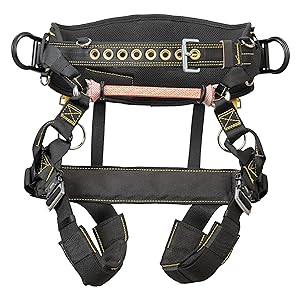
- Type: Arborist saddle with rigid batten seat
- Material: Nylon with heavy-duty stitching
- Seat: Wide batten seat for maximum support
- Attachment Points: Side D-rings for lanyard positioning
The Weaver Leather WLC-73 Arborist Saddle stands out due to its rigid batten seat, which provides exceptional comfort during prolonged work sessions. This wide seat distributes weight evenly, preventing the pressure points often experienced in standard saddles. Arborists who spend long hours in suspension will particularly appreciate this feature, as it reduces fatigue and discomfort over time.
Its durable construction ensures a long service life, and the side D-rings make connecting lanyards or additional climbing gear quick and efficient. While the batten seat design adds comfort, it also makes the saddle slightly bulkier and less mobile compared to lighter harnesses. Still, for those prioritizing support during extended climbs, this saddle proves to be a highly practical option.
Pros
- Comfortable wide batten seat
- Strong and durable construction
- Ideal for long hours in suspension
- Easy gear attachment with side D-rings
Cons
- Bulkier than minimalist saddles
- Less freedom of movement than lighter designs
6. Weaver Arborist Cougar Tree Saddle Harness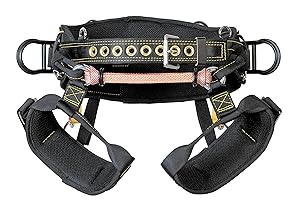
- Type: Professional arborist saddle with memory foam padding
- Material: Nylon webbing with reinforced stitching
- Padding: Memory foam back and leg support
- Attachment Points: Multiple gear loops and side D-rings
The Weaver Arborist Cougar Saddle is a professional-grade climbing harness designed with comfort as its top priority. Featuring memory foam padding in both the back and leg areas, it provides superior cushioning and reduces pressure points during long climbs. This design makes it especially useful for arborists who spend extensive time suspended in trees, as it ensures both support and long-term comfort.
In addition to its comfort-focused design, the Cougar saddle is also highly practical. With multiple gear loops and side D-rings, climbers can efficiently organize tools and ropes for easy access. Its durable nylon construction, reinforced with quality stitching, ensures that the saddle can handle heavy daily use. While its added padding increases bulk slightly, the trade-off in comfort and usability makes it an excellent choice for full-time professionals.
Pros
- Exceptional comfort with memory foam padding
- Multiple gear loops for tool organization
- Strong and durable construction
- Great for extended work sessions
Cons
- Bulkier than minimalist harnesses
- Higher cost compared to entry-level models
7. CROSIGHT Climbing Seat Belt for Arborist
- Type: Arborist climbing harness for general use
- Material: Polyester webbing with reinforced safety stitching
- Leg Straps: Adjustable for snug fit
- Attachment Points: Central front loop and side rings
The CROSIGHT Climbing Seat Belt offers a practical blend of affordability and safety, making it a solid option for both beginners and intermediate climbers. Built with durable polyester webbing and reinforced stitching, it ensures reliability during tree climbing tasks. The adjustable waist and leg straps allow for a customizable fit, accommodating different body types with ease.
While it does not feature the advanced comfort padding of higher-end professional saddles, it provides enough support for moderate use. The central front loop and side attachment points allow for essential gear and rope connections. Its lightweight build makes it convenient to wear and carry, although it may not withstand the same rigorous conditions as premium arborist saddles. For those seeking a balance between budget and performance, the CROSIGHT harness is a dependable option.
Pros
- Affordable yet reliable
- Adjustable straps for versatile fit
- Lightweight and easy to carry
- Suitable for hobbyists and entry-level arborists
Cons
- Less padding compared to premium saddles
- Not ideal for heavy-duty professional use
How to Choose Tree Climbing Saddles
Tree climbing saddles are one of the most essential pieces of gear for arborists, recreational climbers, and professionals working in forestry. Unlike ropes and carabiners, a saddle directly supports your body weight and distributes pressure across your waist and legs, making your climb safer and more comfortable. Choosing the right tree climbing saddle can greatly improve both performance and endurance during long hours in the canopy. However, with so many types and designs available, it’s important to understand the key factors before making a purchase.
This guide will walk you through everything you need to know about selecting the perfect tree climbing saddle—from saddle types to fit, features, comfort, and safety standards.
1. Understanding the Role of a Tree Climbing Saddle
A tree climbing saddle, sometimes called a harness, connects you securely to your climbing system. It allows you to move freely while keeping you supported, distributes your weight evenly, and helps minimize fatigue during extended climbs. For arborists, it also serves as a work positioning system, ensuring safety when operating tools at height.
A good saddle should not only keep you safe but also allow flexibility, comfort, and efficiency. This balance is what makes choosing the right one so important.
2. Types of Tree Climbing Saddles
Before buying, it’s important to know the main types of saddles available:
a. Work Positioning Saddles
These are designed for arborists and professionals who need to stay in one position for extended periods while working. They usually have multiple attachment points, padded support, and gear loops.
b. Sit Harnesses
Sit harnesses focus on comfort by providing wide padded leg loops and waist belts. They’re great for long climbs but may lack the extra gear attachment options found in professional saddles.
c. Full-Body Harnesses
These provide additional shoulder support and are suitable for beginners or those working in hazardous environments. They’re bulkier but offer maximum safety in case of inversion (when a climber flips upside down).
d. Recreational Saddles
Lighter and simpler, these are made for hobby climbers who want flexibility and freedom of movement rather than extensive padding or multiple gear loops.
3. Key Factors to Consider When Choosing a Saddle
a. Comfort
Comfort should be your top priority. A poorly designed saddle can cause pinching, chafing, and fatigue. Look for:
- Wide, padded waist belts and leg straps.
- Breathable materials that reduce sweating.
- Adjustable straps for a customized fit.
Try sitting and hanging in the saddle for a few minutes before purchase if possible.
b. Fit and Adjustability
Everyone’s body shape is different, so fit matters. Adjustable buckles and sliding D-rings allow you to fine-tune positioning. The saddle should fit snugly but not restrict blood circulation.
c. Weight Distribution
The best saddles distribute weight evenly across the waist, thighs, and hips. This helps reduce strain on the lower back during long climbs.
d. Safety Ratings
Ensure the saddle meets international safety standards such as CE, EN, or ANSI certifications. These guarantee the harness has been tested for strength, durability, and fall protection.
e. Work Positioning Features
For professional arborists, saddles often come with:
- D-rings for multiple attachment points.
- Bridge systems for flexibility and ease of movement.
- Gear loops and tool holders to carry equipment.
f. Weight
Lighter saddles reduce fatigue but may sacrifice padding. Heavier saddles provide more support but can feel restrictive. Striking the right balance depends on whether you prioritize mobility or comfort.
g. Durability
Tree climbing saddles endure friction, heavy loads, and exposure to weather. Look for durable stitching, abrasion-resistant materials, and replaceable bridges. Investing in a high-quality saddle pays off in the long run.
4. Common Saddle Features Explained
- Floating Bridge – Allows side-to-side movement for more natural climbing.
- Fixed Bridge – Provides a stable central attachment point.
- Leg Straps – Can be fixed or adjustable; padded straps add comfort.
- Back Support – Essential for long climbs and working while suspended.
- Quick-Release Buckles – Enable faster adjustments and donning.
- Gear Loops – Let you carry lanyards, saws, or other tools.
Understanding these features helps you decide which saddle matches your climbing style.
5. Matching Saddles to Your Climbing Style
Different climbing methods benefit from specific saddle designs:
- Single Rope Technique (SRT): Requires mobility; a saddle with a floating bridge is ideal.
- Double Rope Technique (DRT): Look for stability and weight distribution features.
- Work Positioning: Choose a saddle with back padding, wide leg straps, and gear loops.
- Recreational Climbing: Lightweight, comfortable saddles with fewer features often work best.
6. Trying Before Buying
Whenever possible, test the saddle before purchasing. Hang in it, adjust the straps, and check how your body feels after a few minutes. Does it pinch? Does the weight feel balanced? Testing is especially important if you’ll be spending hours suspended in the air.
7. Budget Considerations
Tree climbing saddles can range from budget-friendly options around $150 to professional models exceeding $600. Keep in mind:
- Budget Saddles: Suitable for beginners and light recreational use.
- Mid-Range Saddles: Offer good comfort and durability; ideal for frequent climbers.
- High-End Saddles: Designed for professionals with advanced features, high comfort, and longevity.
Think of a saddle as an investment in safety and efficiency rather than just gear.
8. Maintenance and Lifespan
A saddle’s lifespan depends on usage, environment, and maintenance. Most manufacturers recommend replacing a saddle after 5–7 years, even if it looks intact. Key maintenance tips include:
- Store in a cool, dry place away from direct sunlight.
- Clean with mild soap and water; avoid harsh chemicals.
- Regularly inspect for frayed stitching, worn webbing, or damaged buckles.
- Replace worn bridges or components immediately.
9. Mistakes to Avoid When Buying
- Choosing only by price without considering comfort or safety.
- Ignoring certifications and safety ratings.
- Buying a saddle that doesn’t match your climbing style.
- Overlooking adjustability and fit.
- Neglecting to test the saddle before committing.
Conclusion
Choosing the right tree climbing saddle requires balancing safety, comfort, durability, and functionality. A well-fitted, high-quality saddle not only keeps you secure but also improves efficiency and reduces fatigue during climbs.
Whether you’re a recreational climber seeking freedom of movement or a professional arborist needing multiple attachment points and long-term comfort, the right saddle makes all the difference.
Invest time in understanding saddle types, features, and fit before purchasing, and treat it as an essential tool in your climbing arsenal. Remember—your saddle is more than just gear; it’s your lifeline in the canopy.